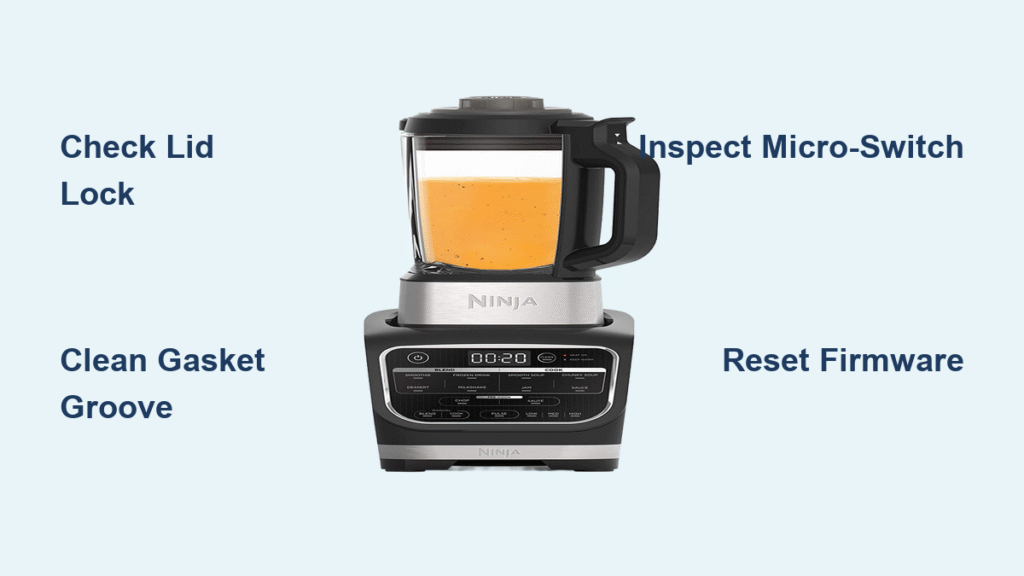
You’ve just finished making your morning smoothie when you notice something alarming—dark liquid pooling beneath your Ninja blender. This unsettling discovery raises immediate concerns about safety, functionality, and whether your appliance can be saved. While many users report this “black liquid” issue online, verified information about its exact cause and solution is surprisingly limited in official documentation. Before you panic or discard your appliance, let’s examine what we know (and don’t know) about this problem and how to address it safely.
What’s critical to understand upfront is that Ninja Kitchen’s official resources don’t specifically document this “black liquid” phenomenon in their troubleshooting guides or warranty information. Despite numerous user reports across consumer forums and social media, the manufacturer hasn’t issued formal statements addressing this exact issue. This information gap makes proper diagnosis challenging but not impossible. In this guide, we’ll focus on verified appliance maintenance principles while acknowledging the limitations of available data.
Understanding the Mystery Liquid

What the Liquid Likely Isn’t
Before jumping to conclusions, it’s important to rule out common misconceptions. That dark substance is almost certainly not:
- Motor oil (Ninja uses food-grade lubricants, not traditional motor oil)
- Electrical components leaking (would typically cause immediate failure)
- A manufacturing defect affecting all units (would prompt widespread recall)
Without verified technical documentation, we must rely on general small appliance knowledge. In most countertop appliances, dark liquid leaks typically stem from either degraded internal components or contamination from external sources.
Possible Origins of Dark Discoloration
While Ninja hasn’t confirmed specific causes for black liquid leaks, appliance engineering principles suggest several possibilities:
The discoloration could result from normal wear of internal components mixing with moisture. Many small appliances use rubber seals and plastic parts that can degrade over time, especially when exposed to acidic ingredients, frequent temperature changes, or improper cleaning methods. When these materials break down, they may release particles that appear dark when suspended in liquid.
Another possibility involves carbon buildup from the motor brushes—common in many electric appliances with brushed motors. As these components wear, fine particles can accumulate and mix with any moisture present, creating a dark residue.
Immediate Response Protocol
Critical First Actions
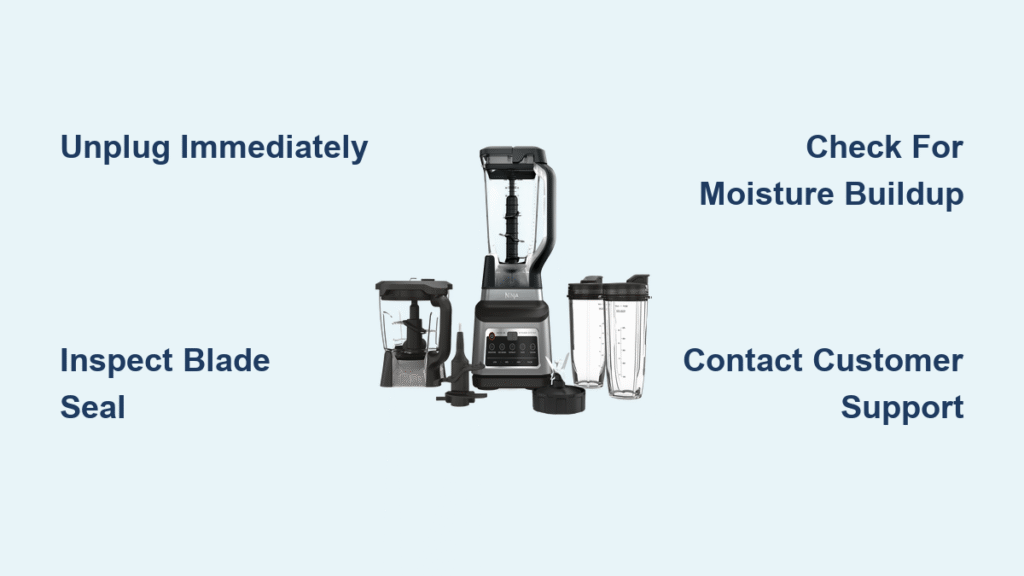
When you notice dark liquid leaking from your Ninja blender base, follow these immediate steps:
- Unplug the unit immediately – Continuing to operate could cause further damage or create electrical hazards
- Isolate the appliance – Move it to a safe location away from countertops and other appliances
- Document the issue – Take photos of the leak location and appearance for potential warranty claims
- Do not attempt to use the blender again until you’ve identified the source
Safety Precautions During Inspection
Wear disposable gloves when handling the contaminated appliance. The dark substance may contain degraded materials that shouldn’t contact skin. Use paper towels (not cloth) to contain the spill, and dispose of them immediately in an outdoor trash container. Thoroughly clean and disinfect any surfaces that came into contact with the liquid using an appropriate kitchen-safe cleaner.
Diagnostic Approach Without Verified Information
Systematic Leak Source Identification
Without official Ninja documentation on this specific issue, a methodical inspection process is essential:
Start by examining the blade assembly area—the most common failure point in blenders. Remove the pitcher and inspect the rubber gasket where the blade attaches to the pitcher. Look for cracks, tears, or unusual discoloration that might indicate seal failure. Next, check the connection point between the pitcher and motor base for any residue buildup.
If the leak appears to originate from the motor base itself, unplug the unit and carefully inspect the area around the drive coupling. Do not attempt to disassemble the motor housing, as this typically voids warranties and could create safety hazards.
Testing Procedure to Narrow Possibilities
Perform this simple test to help identify the leak source:
- Fill your pitcher with clean water (no ingredients)
- Place it on the base without attaching the lid
- Let it sit undisturbed for 30 minutes
- Check for water leakage
If water appears beneath the unit, the problem likely involves the pitcher seals rather than the motor assembly. This distinction is crucial for determining your next steps.
Verified Maintenance Practices
Official Ninja Care Recommendations
While Ninja hasn’t addressed the “black liquid” issue specifically, their official care guidelines provide valuable insight:
Ninja consistently emphasizes proper cleaning techniques to maintain seal integrity. Their documentation states that improper cleaning—particularly using abrasive tools on seals or exposing components to extreme temperature changes—can accelerate wear. Always hand-wash the pitcher and blade assembly with mild detergent, avoiding harsh scrubbing of the rubber gaskets.
Ninja also specifies that users should never submerge the motor base in water or run the appliance with the pitcher improperly seated, as both can contribute to premature wear of internal components.
Seal Inspection and Replacement Protocol
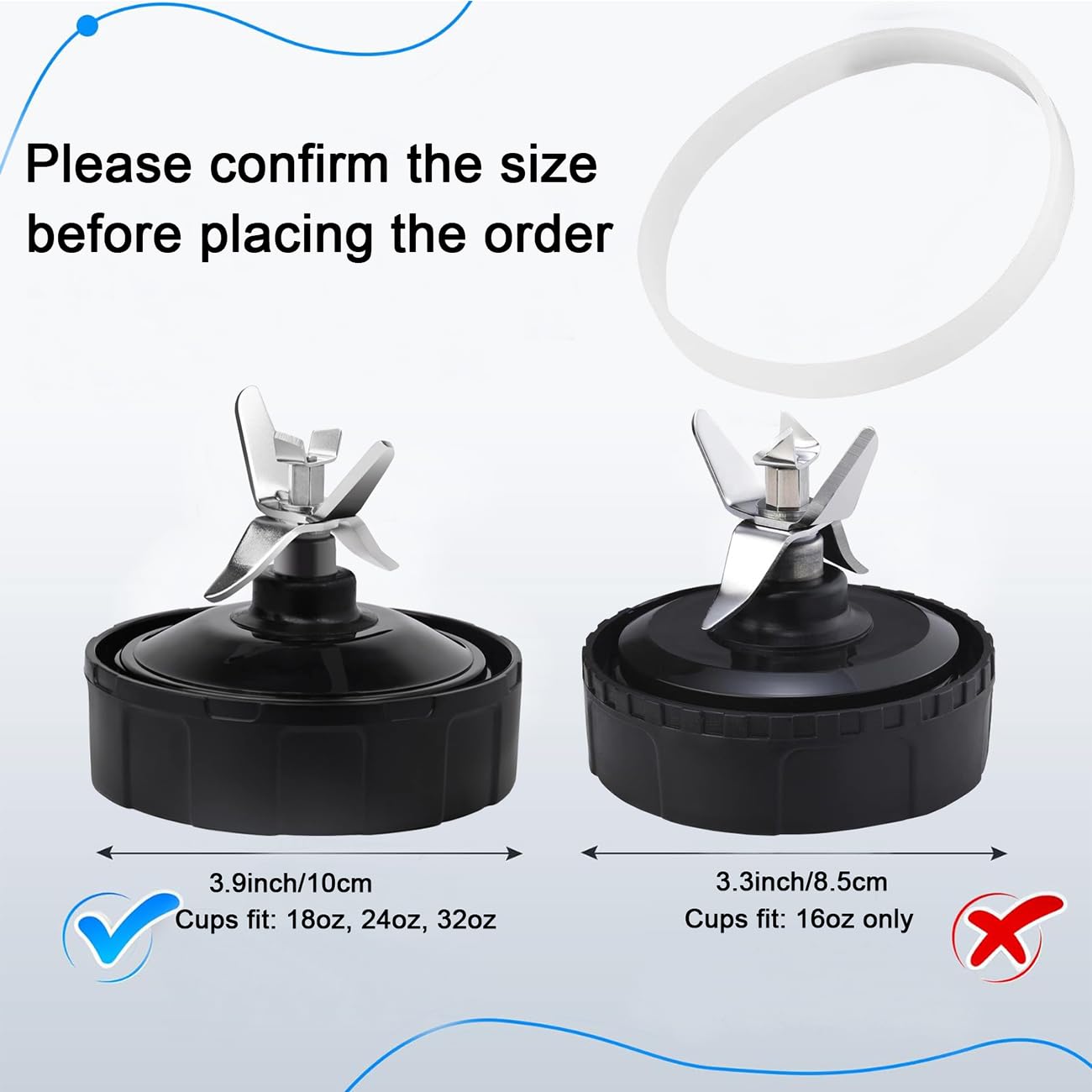
Regular inspection of your blender’s seals is critical for longevity. Ninja recommends checking the rubber gasket around the blade assembly monthly for signs of wear. Properly maintained seals should appear smooth and flexible, with no visible cracks or tears.
If you notice any compromise in seal integrity, Ninja’s official position is to replace the entire blade assembly rather than attempting to replace individual components. Using genuine Ninja replacement parts ensures proper fit and maintains food safety standards.
When to Contact Official Support

Navigating Ninja’s Customer Service
Since verified information about this specific issue is limited, direct communication with Ninja Kitchen represents your best resource. Contact their customer service team at 1-866-826-6941 or through their official website. When you call:
- Have your model number ready (typically found on the bottom of the motor base)
- Provide photos of the issue
- Note how long you’ve owned the blender and your typical usage patterns
- Ask specifically about any known issues with dark liquid leaks
Ninja’s customer service may provide model-specific guidance not available in public documentation. They can also determine if your unit falls under any extended service programs, even if the standard warranty has expired.
Warranty Considerations
Ninja typically offers a 1-year limited warranty on their blenders, though some premium models include extended coverage. While leaks from normal wear and tear usually aren’t covered, manufacturing defects might be. Documenting your maintenance routine can strengthen any warranty claim, as Ninja requires proof that the appliance was properly cared for according to their guidelines.
Prevention Through Proper Usage
Verified Best Practices
Based on Ninja’s official care instructions, these practices help extend your blender’s life:
- Always allow hot ingredients to cool before blending
- Never exceed the maximum fill line
- Clean components promptly after use (don’t let residue dry)
- Hand-tighten the blade assembly—over-tightening damages seals
- Store with the pitcher inverted to allow complete drying
Ninja specifically warns against using their blenders for grinding dry ingredients like coffee beans or spices, as this creates excessive heat and friction that accelerates seal degradation.
Storage Recommendations
Proper storage significantly impacts seal longevity. Ninja recommends storing the pitcher and blade assembly separately, with the pitcher inverted to prevent moisture buildup. Keep all components in a cool, dry place away from direct sunlight, which can cause rubber components to deteriorate more quickly.
When Replacement Becomes Necessary
Evaluating Repair vs. Replacement
Without verified repair procedures for this specific issue, determining whether to repair or replace requires careful consideration:
If your Ninja blender is less than one year old, contact customer service immediately—your unit may qualify for replacement under warranty. For units between 1-3 years old, weigh the cost of potential repairs against the price of a new model. Most third-party repair services charge more than the value of older Ninja units, making replacement the more economical choice.
Consider replacement if you notice multiple failure signs beyond the liquid leak, such as unusual noises, burning smells, or inconsistent performance. These indicate broader issues that likely extend beyond simple seal replacement.
Final Safety Considerations
Health Implications
Any liquid leaking from your blender base represents a potential food safety concern. Discard any food that may have come into contact with the mysterious substance. While Ninja uses food-grade materials in their construction, degraded components may not maintain those safety standards.
If the liquid contacts your skin, wash thoroughly with soap and water. Though unlikely to cause serious harm, it’s better to err on the side of caution with any unknown substance.
Environmental Responsibility
When disposing of a malfunctioning appliance, follow proper e-waste protocols. Many communities offer electronic recycling programs that accept small kitchen appliances. Do not simply discard your blender in regular trash, as this contributes to unnecessary electronic waste.
While the “black liquid” issue with Ninja blenders remains poorly documented in official channels, understanding proper appliance maintenance principles gives you the best path forward. Focus on verified care techniques, consult Ninja’s official support channels for model-specific guidance, and prioritize safety above all else. When in doubt about your appliance’s condition, replacement represents the safest choice for continued kitchen enjoyment. Remember that proper maintenance—not just for blenders but all your kitchen appliances—prevents most common issues and extends the life of your valuable tools.