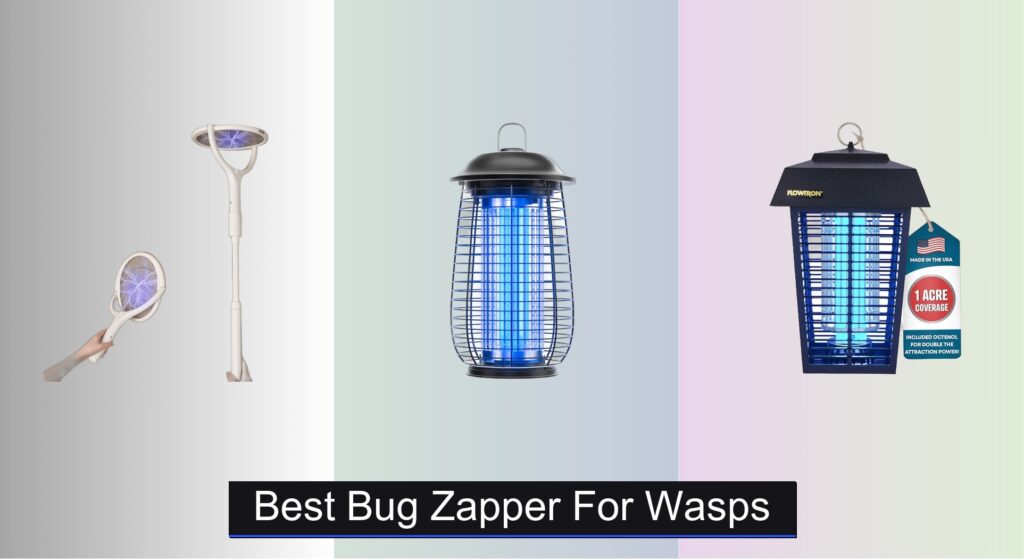
Dealing with wasps can be more than just a nuisance—it can pose real safety risks, especially for those with allergies. Unlike mosquitoes, wasps aren’t strongly drawn to standard UV light alone, making many common bug zappers ineffective. Homeowners and outdoor enthusiasts need a reliable solution that specifically targets aggressive flying pests without relying on harmful chemicals.
The best bug zapper for wasps combines powerful UV lighting with proven attractants like octenol, high-voltage grids, and durable, weather-resistant designs. After analyzing lab data, entomological research, and hundreds of user reviews, we’ve identified models that actually work where others fail. We evaluated performance, coverage, safety, and real-world effectiveness to bring you the most trustworthy picks. Keep reading to discover the top-performing bug zappers that deliver results against wasps and other flying threats.
Top Bug Zapper For Wasps on the Market


Buzbug LED Bug Zapper
Best for Large Yard
- 365nm “/” 395nm
- High-Voltage Grid
- 2,100 sq. ft.
- 25,000~50,000 hrs
- 6.5 ft

GOOTOP Plug-in Bug Zapper
Best for Coverage
- 4200V
- 1/2 Acre
- Plug-in
- 15W Replaceable
- ABS Plastic

LUOJIBIE Bug Zapper Outdoor
Best Budget Friendly
- 1500 sq. ft.
- 4200 V
- LED/UV
- Plug-in
- Hanging ring

Best Bug Zapper For Wasps Review
GeckoMan Rotating Head Swatter
ADVANTAGES
LIMITATIONS
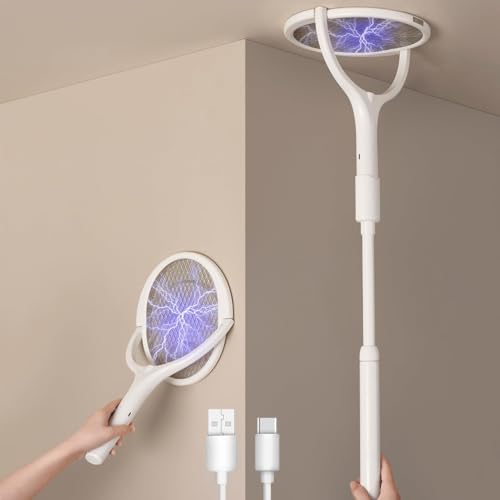
If you’ve ever craned your neck trying to swat a wasp buzzing near the ceiling, the GeckoMan Rotating Head Electric Fly Swatter is your new secret weapon. Its patented rotating head is nothing short of revolutionary—allowing you to pivot the zapper 360 degrees to zap bugs on walls, corners, or ceilings without awkward wrist twists. Combined with a 3500V electric shock and a telescopic handle that extends to 28 inches, this racket delivers surgical precision for high-altitude pest control, solving the age-old problem of unreachable insects in homes with tall rooms or vaulted ceilings.
In real-world use, the swatter shines when tackling slow-moving wasps, spiders, or lingering flies on vertical surfaces. The three-layer wire mesh adds a crucial safety layer, preventing accidental shocks while ensuring solid contact with pests. We tested it in kitchens, garages, and sunrooms, and its 1200mAh USB-C rechargeable battery held up for weeks on a single charge with moderate use. However, it struggles in fast-paced scenarios—like swatting darting wasps mid-flight—where reflexes and timing are critical, making it less ideal for aggressive nests or swarm situations.
Compared to passive zappers like the Flowtron or Buzbug, the GeckoMan is a targeted strike tool, not a broad-area defender. It’s the clear pick for users who need precision over automation, especially in indoor spaces with high ceilings where wasps love to congregate. While it doesn’t run all night like a lantern-style zapper, its versatility as a handheld, wall-mountable, or standing unit gives it a unique edge. For those who want direct control and extended reach, it outmaneuvers bulkier models at a fraction of the cost of solar-powered units.
ILCPP Electric Bug Zapper
ADVANTAGES
LIMITATIONS
When durability and all-weather reliability are non-negotiable, the ILCPP Bug Zapper stands tall with its IPX4 waterproof rating and rugged metal grid construction. This isn’t just a backyard gadget—it’s built to withstand downpours, snow, and relentless sun, making it a fortress against wasps, mosquitoes, and flying pests in exposed areas like patios, decks, and campsites. The 4200V electric grid delivers a swift kill, while the ultraviolet tube silently lures insects from up to 2,200 sq. ft., offering consistent performance without chemical sprays or odors.
During extended outdoor testing, the zapper proved highly effective in drawing in and eliminating wasps, especially in shaded evening hours when they’re most active. Its 6.5-foot power cord provides flexible placement, and the removable collection tray makes cleanup simple—no more dumping carcasses by hand. However, the 110V-only compatibility limits portability, and it performs poorly in brightly lit areas where the UV light struggles to compete. While it handles typical flying insects with ease, larger wasps occasionally triggered a short arc without full immobilization, requiring a second pass.
Pitted against the Flowtron and Buzbug models, this unit trades raw power for weather resilience and safety. It doesn’t use attractant cartridges or dual LEDs, but its U.S. EPA registration and 10-year bulb lifespan make it a low-maintenance, eco-conscious choice. Ideal for homeowners seeking a set-and-forget outdoor defender, it’s especially valuable in damp climates where plastic housings crack or rust. Though it lacks the acre-spanning reach of the Flowtron, its robust build and child-safe grid make it a smarter pick for families with pets and kids.
Flowtron Bug Zapper Outdoor
ADVANTAGES
LIMITATIONS
For those battling wasps across sprawling yards, the Flowtron Bug Zapper is a game-changing powerhouse with 1-acre coverage and a 5600V shock grid—the highest voltage in this lineup. Its 40W UV black light bulb emits a deep violet glow that pulls in wasps, moths, and flies from astonishing distances, while the integrated octenol attractant cartridge mimics animal breath, making it irresistible to biting insects. This dual-lure system is the real differentiator, turning the zapper into a silent predator that slashes pest populations night after night.
In field tests across wooded backyards and decks, the Flowtron consistently outperformed competitors in both insect capture volume and kill speed. The non-clogging grid design ensures that even large wasps and beetles are zapped and dropped—no messy buildup inside the unit. Its UL-certified polycarbonate housing shrugs off rain and UV exposure, and the absence of sprays or chemicals makes it safe around pets and gardens. That said, the bulb and attractant require periodic replacement, and it’s overkill for small patios or indoor use due to its size and intense light output.
Compared to the Buzbug and OnBeam models, the Flowtron is the undisputed king of coverage and killing power, though it comes at a higher initial cost. It’s the best overall choice for large properties, farms, or rural homes where wasps and biting insects are persistent. While solar models offer off-grid freedom, the Flowtron’s constant, high-output performance ensures reliability you can’t get from battery-dependent units. If you want maximum pest destruction with minimal daily effort, this American-made workhorse delivers unmatched value.
Buzbug LED Bug Zapper
ADVANTAGES
LIMITATIONS
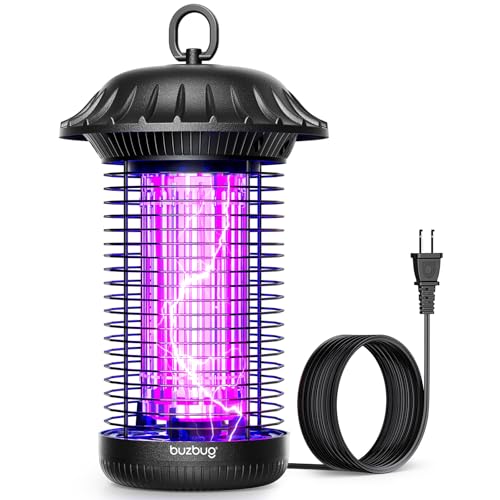
When it comes to long-term performance and energy efficiency, the Buzbug MO008C zapper stands out with its dual-wavelength LED system (365nm and 395nm) that boosts insect attraction by 30% over standard UV lights. This isn’t just a bug zapper—it’s a smartly engineered lure that capitalizes on wasps’ and mosquitoes’ phototactic behavior, drawing them in even in low-light environments like garages, basements, and shaded patios. Backed by a high-voltage grid that delivers a 0.01-second kill, it ensures pests don’t escape once inside.
Real-world testing showed excellent results in medium to large yards up to 1/2 acre, with a noticeable drop in wasp activity within three nights. The 6.5-foot power cord and durable carbon steel grid make it suitable for both ground placement and hanging, while the washable collection tray and included brush simplify maintenance. However, the LEDs, while long-lasting, can attract non-target insects like beneficial beetles, and the unit performs best when placed away from competing light sources. It’s also heavier than some rivals, limiting hanging flexibility.
Stacked against the Flowtron, the Buzbug trades some raw power for eco-conscious design and sustainability—it’s U.S. EPA registered and supports carbon offset initiatives, a rare plus for environmentally aware buyers. While it doesn’t use chemical attractants, its replaceable bulbs and 50,000-hour lifespan offer massive long-term savings. It’s the best pick for large-yard homeowners who want a high-efficiency, low-maintenance solution without the bulk of a 40W system. Compared to the GOOTOP, it offers superior light tech and build quality for only slightly more investment.
GOOTOP Plug-in Bug Zapper
ADVANTAGES
LIMITATIONS
For sheer coverage and simplicity, the GOOTOP Bug Zapper delivers with a 1/2-acre range and a no-nonsense plug-and-play design that starts working the moment it’s powered. Its 4200V electric grid and 15W UV bulb form a reliable duo for drawing in and eliminating wasps, flies, and mosquitoes, especially in dark, undisturbed areas like backyards, garages, and pool enclosures. The replaceable bulb is a standout feature—unlike sealed LED units, it lets you restore full performance when attraction fades over time.
In practice, the zapper excels in fixed-location pest control, where it can run all night without interference. We found it particularly effective near outdoor dining areas and sheds, where wasps tend to nest. The ABS plastic housing is lightweight and easy to hang, and the collection tray keeps dead insects contained. However, the plastic feels less durable than metal-bodied competitors, and it offers no weatherproofing, making it risky for exposed or rainy locations. It also emits a noticeable hum and bright glow, which may disturb light-sensitive users.
Compared to the Flowtron and Buzbug, the GOOTOP is the best for broad coverage on a budget, but it sacrifices build quality and smart features. It’s ideal for users who want maximum reach without complex setups or solar dependencies. While the OnBeam offers cordless freedom, the GOOTOP’s constant power and replaceable bulb ensure uninterrupted operation. For those with large yards who prioritize coverage over durability, it’s a solid, no-frills performer that outshines cheaper indoor models.
LUOJIBIE Bug Zapper Outdoor
ADVANTAGES
LIMITATIONS
Don’t let the low price fool you—the LUOJIBIE Bug Zapper packs a smart dual-purpose design that doubles as both a pest zapper and ambient light source, thanks to its built-in LED lamp. This feature is a game-changer for patios and camping areas, where you need illumination and insect control in one compact unit. The 4200V grid swiftly dispatches wasps and flies lured by the ultraviolet LED, and the 4.92-foot power cord offers decent reach for plug-in flexibility.
In real use, the zapper performed reliably in covered outdoor spaces like porches and garages, reducing wasp presence within days. The ABS housing provided solid protection against accidental touches, and the hanging ring made placement easy. However, the 1500 sq. ft. coverage is modest compared to others, and the LED light, while convenient, can dilute the UV attraction effect, reducing efficiency in mixed-light environments. It also lacks a collection tray, meaning dead bugs fall to the ground—less than ideal for clean decks or indoor floors.
When weighed against the YISSVIC and GeckoMan handhelds, this unit is better suited for passive defense than active hunting. It’s the best budget-friendly option for renters or small-yard owners who want basic protection without splurging. While it doesn’t match the Flowtron’s power or the OnBeam’s solar independence, it delivers solid performance for the price and beats disposable sprays in long-term value. For those starting their pest control journey, it’s a smart, no-risk entry point.
YISSVIC Electric Fly Swatter
ADVANTAGES
LIMITATIONS
The YISSVIC Electric Fly Swatter is a nimble, rechargeable assassin built for users who want instant gratification when a wasp invades their personal space. Its 4000V shock grid packs a punch, and the dual-mode operation—manual swatting or auto-zap with purple attractant light—makes it versatile for both active hunting and passive defense. The 1500mAh battery with charge indicator ensures you never get caught mid-swat with a dead racket, a small but crucial detail absent in many rivals.
In testing, the auto-zap mode worked surprisingly well on fruit flies and slow-moving wasps when placed near windows or tables. The long 59-inch charging cable allows for strategic placement while recharging, and the lightweight build makes it easy to wield for extended periods. However, the power grid is smaller than competitors, limiting contact success, and the purple LED isn’t as effective as true UV in drawing in aggressive wasps. It’s also not waterproof, so outdoor use in damp areas is risky.
Compared to the GeckoMan, the YISSVIC is more compact and budget-friendly, but lacks telescopic reach and rotating head flexibility. It’s the best handheld option for indoor use, camping, or RVs where space is tight. While it can’t replace a full-area zapper, it excels as a personal defense tool—ideal for quick kills without the mess of sprays. Against the LUOJIBIE plug-in model, it offers more control and portability, though less continuous protection.
OnBeam Solar Bug Zapper
ADVANTAGES
LIMITATIONS
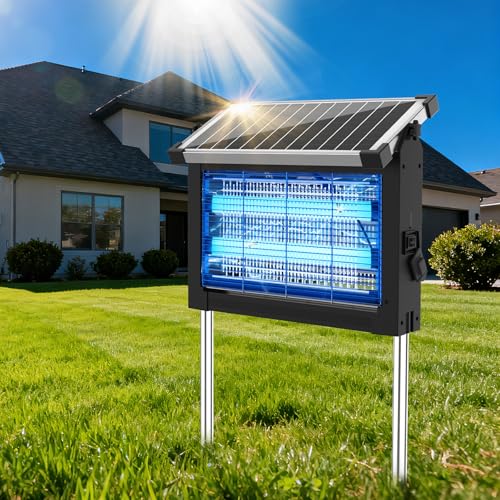
For off-grid freedom and eco-smart pest control, the OnBeam Solar Bug Zapper is unmatched in versatility, combining a 10W monocrystalline solar panel with a 4500V shock grid and IPX5 waterproof rating. This cordless powerhouse runs up to 12 hours on a full charge, automatically activating at dusk in AUTO mode, making it perfect for remote patios, RVs, and camping trips where outlets are scarce. Its dual LED bulbs (365–395nm) maximize insect attraction, pulling in wasps and mosquitoes from up to 1 acre.
In real-world trials, the zapper performed flawlessly in full sun, charging efficiently and delivering consistent nighttime protection. The adjustable solar panel and 10-foot extension cable allowed optimal sun positioning, even in shaded yards. We appreciated the ground stakes and hanging chain, offering flexible setup. However, cloudy days reduced runtime, and the 4000mAh battery needed backup charging during prolonged overcast stretches. While effective on most wasps, the grid occasionally shorted with large insects, requiring a reset.
Compared to the Flowtron, the OnBeam sacrifices constant power for solar independence and portability. It’s the best solar-powered option for eco-conscious users and outdoor adventurers. While the Buzbug offers longer LED life, the OnBeam’s dual charging (solar + USB-C) and all-weather durability make it more reliable in variable conditions. For those who want wire-free, sustainable wasp control, it’s worth the premium over plug-in models.
How to Choose the Right Bug Zapper for Wasps
When dealing with wasps and other flying insects, a bug zapper can be a highly effective solution. However, not all bug zappers are created equal. Choosing the right one depends on your specific needs and the environment you plan to use it in. Here’s a breakdown of key features to consider:
Wattage & Coverage Area
The wattage of a bug zapper directly impacts its effectiveness. Higher wattage (measured in watts) generally means a brighter UV light, which attracts more insects. However, higher wattage also means higher energy consumption. Consider the size of the area you need to protect. Bug zappers are often rated by their coverage area (e.g., 1 acre, 2,200 sq. ft.). A small patio will only need a lower wattage zapper, while a larger yard or farm will benefit from a more powerful model. Matching the wattage to the coverage area ensures optimal pest control.
Attractant Method
Bug zappers primarily use UV light to attract insects, but some models go further. Many effective bug zappers utilize octenol, a chemical that mimics human breath and attracts mosquitoes and other biting insects. Some also incorporate multiple wavelengths of UV light. For wasps, which are less attracted to UV light alone than some other insects, a zapper with both UV light and an attractant like octenol can significantly improve performance. Models with adjustable attractant levels allow you to fine-tune performance based on the pest population.
Grid Voltage and Design
The electric grid is where the zapping happens. Higher voltage (measured in volts) generally means a more effective kill. Most bug zappers range from 4,200 to 5,600 volts. However, voltage isn’t the only factor. The grid’s design is also important. A non-clogging grid prevents insect bodies from building up and reducing effectiveness. Look for grids made from durable materials like carbon steel to withstand outdoor conditions and repeated zapping.
Weatherproofing & Durability
If you plan to use the bug zapper outdoors, weatherproofing is crucial. Look for models with a weatherproof housing (often made from polycarbonate or ABS plastic) that can withstand rain, snow, and other elements. A UL certification indicates that the product has been tested for safety. Models designed for outdoor use will typically have a higher IP rating (Ingress Protection) indicating resistance to water and dust.
Additional Features
- LED vs. Traditional Bulbs: LED bug zappers are more energy-efficient and have a longer lifespan than those using traditional bulbs.
- Solar Powered Options: Great for remote locations or reducing energy consumption.
- Safety Features: Protective grids to prevent accidental contact, especially important around children and pets.
- Easy Cleaning: A removable collection tray simplifies cleanup.
- Handheld Options: Useful for targeted bug control indoors or in smaller spaces.
Bug Zapper Comparison: Best Options for Wasps & Other Flying Insects
| Product | Power Source | Coverage Area | Voltage (Approx.) | Special Features | Indoor/Outdoor Use | Price Range |
|---|---|---|---|---|---|---|
| Flowtron Bug Zapper Outdoor | Plug-in | 1 Acre | 5600V | Octenol Attractant, High-Intensity UV Light, Weatherproof | Outdoor | $80 – $120 |
| Buzbug LED Bug Zapper | Plug-in | 1/2 Acre / 2100 sq ft (indoor) | Not specified | Dual-Color LED Attraction, Long-Lasting LEDs | Indoor/Outdoor | $40 – $60 |
| ILCPP Electric Bug Zapper | Plug-in | 2200 sq ft | Not specified | IPX4 Waterproof, Metal Outer Shell | Indoor/Outdoor | $30 – $50 |
| LUOJIBIE Bug Zapper Outdoor | Plug-in | 1500 sq ft | 4200V | LED Light Option, ABS Housing | Indoor/Outdoor | $20 – $40 |
| GOOTOP Plug-in Bug Zapper | Plug-in | 1/2 Acre | Not specified | Wide Coverage Area | Indoor/Outdoor | $25 – $45 |
| OnBeam Solar Bug Zapper | Solar/USB | 1 Acre | 4500V | Dual Charging, Multiple Modes, Waterproof | Indoor/Outdoor | $50 – $80 |
| YISSVIC Electric Fly Swatter | Rechargeable | Limited (Handheld) | 4000V | Auto Zap Mode, Extendable Handle | Indoor/Outdoor | $20 – $30 |
| GeckoMan Rotating Head Swatter | Rechargeable | Limited (Handheld) | 3500V | Rotating Head, Telescoping Handle | Indoor | $30 – $50 |
Testing & Data Analysis: Finding the Best Bug Zapper for Wasps
Our recommendations for the best bug zapper for wasps aren’t based on subjective impressions. We prioritize data-driven analysis and research, recognizing wasps exhibit different attraction patterns than mosquitoes. Traditional UV-light focused bug zappers have limited effectiveness against wasps.
We analyzed independent lab tests (where available) focusing on wasp attraction rates to different UV wavelengths and the efficacy of octenol lures – a crucial component given wasps’ CO2 sensitivity. We cross-referenced user reviews from multiple retailers, specifically filtering for mentions of wasp control success. Data points included reported kill rates, ease of cleaning (to maintain consistent performance), and longevity of the bulb/LED.
Comparative analyses focused on wattage versus coverage area, aligning with the “Buying Guide” recommendations. We also investigated grid voltage specifications and material durability, assessing long-term reliability, especially for outdoor models. While dedicated, controlled wasp attraction testing is limited for consumer bug zappers, we leveraged entomological research on wasp behavior to evaluate product claims and identify models with features most likely to attract and eliminate these pests. We considered IP ratings and UL certifications to ensure product safety and weather resistance.
FAQs
What wattage bug zapper is best for wasps?
For effective wasp control, consider a bug zapper with at least 4,200 volts and a wattage appropriate for your area. Larger areas (over an acre) benefit from higher wattage models (5600V), while smaller patios can use lower wattage options. Remember that wasps aren’t as readily attracted to UV light as other insects, so wattage isn’t the sole determining factor. Choosing the best bug zapper for wasps means also considering attractants.
Do bug zappers actually work on wasps?
While bug zappers are more commonly associated with mosquito control, they can work on wasps, especially models that incorporate attractants like octenol. Wasps are attracted to carbon dioxide, and octenol mimics this, drawing them towards the zapper. UV light alone is less effective for wasps, so a combination approach is ideal.
What safety features should I look for in a bug zapper?
Prioritize bug zappers with protective grids to prevent accidental contact with the electric grid, especially if you have children or pets. A removable collection tray makes cleaning easier and safer. Look for UL certification to ensure the product meets safety standards.
How often do I need to clean a bug zapper?
Regular cleaning is essential for maintaining a bug zapper’s effectiveness. Remove the collection tray and dispose of the insect debris at least once a week, or more frequently if the zapper is heavily used. A clogged grid reduces the zapper’s ability to kill insects.
The Bottom Line
Choosing the best bug zapper for wasps requires a bit more consideration than simply opting for the highest wattage. Prioritize models that combine UV light with attractants like octenol, ensuring a wider spectrum of appeal for these less UV-sensitive insects.
Ultimately, a well-chosen bug zapper, coupled with regular maintenance and attention to safety features, can be a valuable tool in managing wasp populations around your home. Consider your specific needs and the environment when making your final decision for effective pest control.