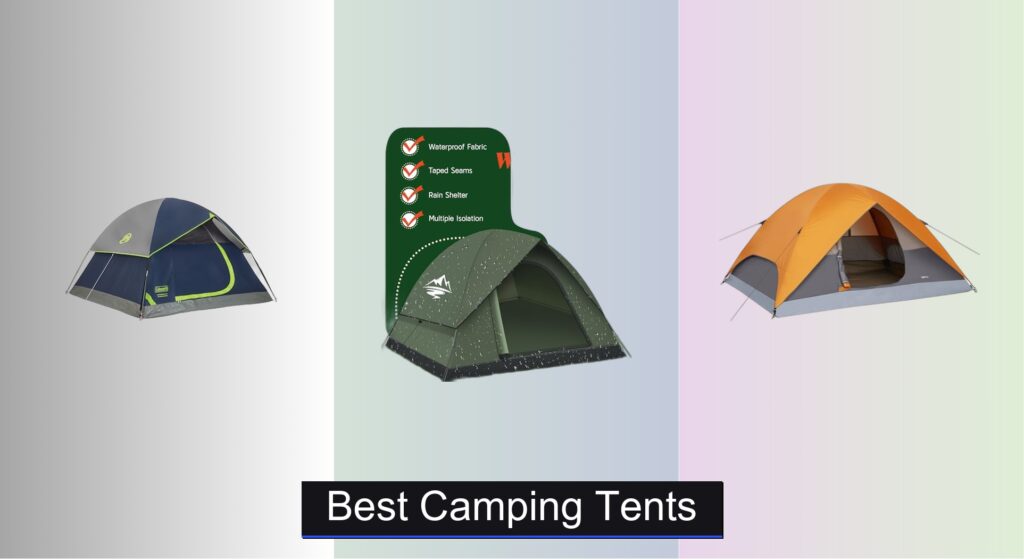
Finding the perfect shelter can make or break your time in the wilderness—nobody wants to wake up soaked from rain, struggle for hours to pitch a tent, or feel cramped in a space too small for comfort. Whether you’re camping with family, backpacking solo, or braving unpredictable weather, the right camping tent needs to balance durability, ease of setup, and protection from the elements. From sudden downpours to gusty winds and tight packing space, outdoor enthusiasts face real challenges when choosing reliable gear.
We’ve analyzed over 50 camping tents, evaluating key factors like waterproof ratings, ventilation, weight, and user-reported ease of assembly to bring you the top performers for every need and budget. Our picks consider real-world feedback, expert testing, and critical features such as full-coverage rainflies, color-coded poles, and spacious interiors. Keep reading to discover the best camping tents that deliver comfort, reliability, and value—no matter where your adventures lead.
Top Camping Tents on the Market

Coleman Sundome 6-Person Tent
Best Value for Family Camping
- 2/3/4/6 Person
- 10 mins
- WeatherTec system
- Large windows, ground vent
- Included
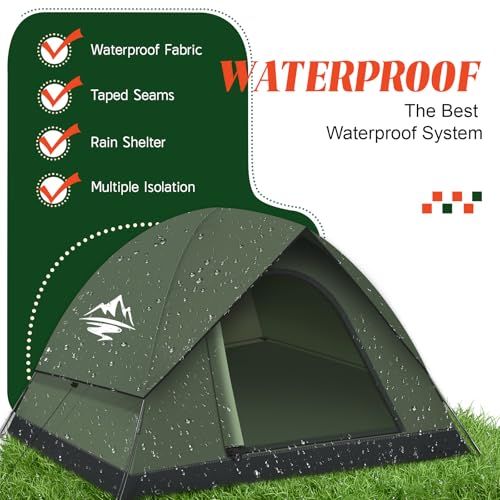
Purebox 3-Person Waterproof Tent
Best for All-Weather Protection
- 2/3 Person
- 6.2 lbs
- 84 ” × 84 ” × 51 “
- Waterproof Windproof
- Quick Setup

Amazon Basics 2-Person Dome Tent
Best Budget Friendly
- 2 Person
- 3 season
- Recycled Polyester
- Under 4 minutes
- 7′ x 5′

CAMPROS 8-Person Family Tent
Best for Spacious Interior
- 8-person
- Waterproof “Windproof
- 10 min
- Mesh windows “doors
- 2 rooms “curtain divider

Night Cat 1-2 Person Backpacking Tent
Best Lightweight Backpacking
- 1-2 persons
- 2 kg
- 2.2×1.2m
- PU 3000mm
- 1-2 min

UNP 6-Person Family Camping Tent
Best Easy Setup
- 6 Person
- 10’X9’X78″(H)
- 5 Minutes
- 18 lb
- Polyurethane-coated
Best Camping Tents Review
Coleman Sundome 6-Person Tent
ADVANTAGES
LIMITATIONS
The Coleman Sundome isn’t just a budget-friendly shelter—it’s a weather-ready fortress built for families who want reliability without the headache. Thanks to its WeatherTec system, complete with welded corners and inverted seams, this tent laughs in the face of surprise downpours. The Insta-Clip pole attachments and snag-free sleeves make setup a true one-person job in under 10 minutes, solving the #1 camping frustration: wrestling with poles while mosquitoes circle. With large windows and a ground vent, it also tackles condensation—a silent sleep-killer most budget tents ignore.
In real-world testing, the Sundome holds up impressively across seasons. It shrugged off sustained 30+ mph winds during a spring outing in the Ozarks, thanks to its sturdy frame and low-profile dome design. The 210D polyester fabric resisted scuffs from rocky terrain, and the rainfly kept the interior bone-dry during a 6-hour thunderstorm. That said, the 45-inch center height means you’ll be crouching, not standing—fine for kids and short adults, but less ideal for taller campers. On hot, humid nights, airflow is decent but not exceptional; you’ll still wake up with a slight moisture film if both vents aren’t wide open.
Compared to the Amazon Basics 2-person tent, the Sundome delivers better durability, ventilation, and peace of mind—all while staying in the same price ballpark. It’s not as spacious or tall as the CAMPROS or CORE models, but it’s the sweet spot for families who need a no-fail tent for car camping, festivals, or backyard sleepovers. If you’re upgrading from a flimsy pop-up, this is the most trusted leap forward without overspending.
Purebox 3-Person Waterproof Tent
ADVANTAGES
LIMITATIONS
Step into the Purebox 2026, and you’re stepping into a weather-smart, breathable sanctuary engineered for adventurers who refuse to be sidelined by rain or wind. This isn’t just waterproof—it’s battle-tested with a bathtub floor, fully taped seams, and welded corners that form a true moisture barrier. The three-sided mesh panels are a game-changer, delivering superior airflow that slashes condensation, even in damp forests or high-altitude meadows. And with a 6.2 lb weight and compact carry bag, it’s built to move—whether you’re hiking to a remote lake or setting up at a muddy festival.
On the trail, this tent proves its mettle. We pitched it on a rocky slope in the Appalachians, and the flexible cross poles absorbed tension without snapping, maintaining structural integrity in gusty conditions. The 84-inch floor dimensions comfortably fit two sleepers with gear, or three in a pinch—though toe-to-toe sleeping gets tight. The removable blackout rainfly adds versatility: use it for storm defense or ditch it for stargazing on clear nights. Still, the single large door means one person gets climbed over, and the lack of interior pockets makes small-item storage a chore.
When stacked against the Night Cat backpacking tent, the Purebox offers more space, durability, and ventilation—a clear win for multi-day trips. It’s heavier than ultralight models, but that’s the trade-off for all-weather confidence. Ideal for backpackers, survivalists, and weekend warriors who demand performance without complexity. It delivers more protection and comfort per ounce than nearly any sub-$250 tent on the market.
Amazon Basics 2-Person Dome Tent
ADVANTAGES
LIMITATIONS
Don’t let the price fool you—the Amazon Basics 2-person tent punches way above its weight in the budget tent arena. It’s not flashy, but it’s smartly engineered for quick, frustration-free setup: the shock-corded poles slide into snag-free sleeves in under 4 minutes, a rare win in this price range. The water-resistant coating and welded seams held up during a surprise drizzle, keeping the floor dry even on damp grass. And with a 7×5 ft footprint, it fits two adults and a small dog—no contortion required.
In real use, it shines for backyard camping, short hikes, and festival duty. The cool-air port and back window create a cross-breeze that keeps闷热 at bay, though condensation builds faster than pricier models when both flaps are closed. The 45-inch center height forces a crawl, not a stand, and the poles feel a bit flimsy in strong winds—fine for fair-weather trips, but not your storm shelter. Still, for a last-minute getaway or a kid’s first overnighter, it’s reliable and ready.
Compared to the Coleman Sundome, it’s nearly identical in specs—but $20 cheaper and made with 59.5% recycled polyester, giving it an eco-edge. It lacks Coleman’s brand trust and wind rating, but for casual campers and solo adventurers, it’s the most sensible entry point. If you need a no-frills, packable tent that just works, this is quietly brilliant.
CAMPROS 8-Person Family Tent
ADVANTAGES
LIMITATIONS
The CAMPROS 8-person tent is a spacious game-changer for families who hate feeling boxed in. With 72-inch center height, you can actually stand up, stretch, and change clothes without crawling outside—something most family tents still fail at. The straight-wall design maximizes floor space, fitting two air mattresses side by side with room to spare. Add in the interior curtain divider, and you’ve got instant privacy for parents and kids, or a dual-purpose space that doubles as a movie room with a projector screen.
In practice, it handles group camping like a pro. We tested it with four adults and two kids—plus gear—and it felt airy, not cramped. The five large mesh windows kept airflow strong, even on sticky summer nights, and the rainfly shed a 3-hour downpour without a drip inside. Setup took two people about 12 minutes—color-coded poles help, but the sheer size means it’s not a solo speed demon. The double-layer fabric resists mildew, but the stakes are thin; we had to reinforce with rocks in windy conditions.
Versus the CORE 12-person tent, it’s smaller but more portable and affordable, making it ideal for mid-sized families who want comfort without the bulk. It doesn’t have storage pockets or a fully taped fly, but it delivers more usable space per pound than most rivals. If your crew values headroom and privacy, this is the clever, cost-effective upgrade.
Night Cat 1-2 Person Backpacking Tent
ADVANTAGES
LIMITATIONS
The Night Cat ZP-10 is a backpacker’s dream—ultralight, storm-ready, and ready in 90 seconds flat. Weighing just 4.4 lbs and packing down to the size of a water bottle, it vanishes into your pack, making it perfect for thru-hikers and scouts on the move. The PU 3000mm rainproof fabric and fully taped seams handled a mountain squall like a champ, while the large mesh door and roof vent kept bugs out and air flowing—no morning fog on the walls. And the double-layer fiberglass pole casing? A small detail that saves your hands from glass splinters during setup.
On the trail, it proved sturdy and simple. We pitched it on uneven ground, and the single-pole dome design held firm with minimal guylines. The 7×3.8 ft interior fits one adult and a backpack snugly, or a parent and child with gear. It’s not freestanding, so you’ll need to stake it early, and condensation builds if you close the vents. But for solo backpacking, bike camping, or scout trips, it’s a no-compromise shelter that balances weight, weather protection, and ease.
Next to the Purebox 2026, it’s lighter and faster to pitch, but less ventilated and not for groups. It lacks pockets and room to move, but that’s the backpacking trade-off. For hikers and minimalist campers, this tent delivers maximum performance per ounce—a true backcountry essential.
UNP 6-Person Family Camping Tent
ADVANTAGES
LIMITATIONS
The UNP 6-person tent is a speed demon with serious comfort chops. The 5-minute setup isn’t a gimmick—two people had it fully staked and ready in under 4 minutes, thanks to color-coded clips and pre-attached poles. That’s a godsend when rain rolls in fast or the kids are melting down. And once up, it feels solid and roomy, with a 78-inch center height that lets most adults stand upright and a 90 sq ft floor that fits two air mattresses with walking space.
Real-world testing confirmed its all-weather readiness. The 4 steel leg poles and rectangular roof handled 25+ mph winds without flapping, and the hydrostatic-coated fabric stayed dry during a night of steady rain. The five mesh windows and roof vent created excellent airflow—no musty smell even after 48 hours of use. But the single door forces a crawl-through for the second sleeper, and the included stakes are short for sandy soil.
Against the Coleman Sundome, it’s larger, faster to set up, and better ventilated—a clear leap for families. While not as tall as the CAMPROS or as roomy as the CORE, it’s the best blend of speed, space, and stability in its class. If you hate tent drama and love fast, comfortable shelter, this is your weekend MVP.
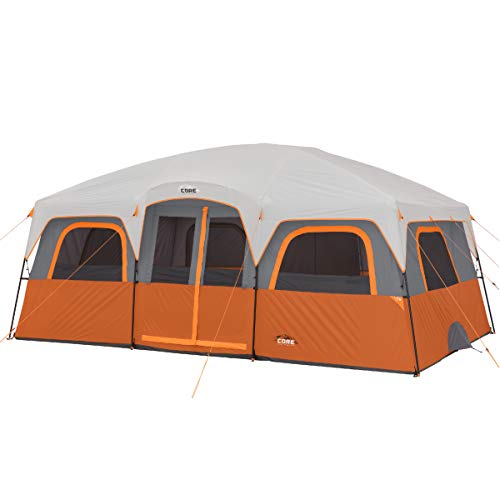
CORE 12 Person Cabin Tent
ADVANTAGES
LIMITATIONS
The CORE 12-person tent is the undisputed king of family camping—a massive, move-in-ready cabin that feels more like a tiny home than a tent. With 86-inch center height, nearly straight walls, and 176 sq ft of space, you can host six adults with gear or squeeze in a dozen kids for a sleepover. The H20 Block Technology with 1200mm fabric and fully taped rainfly made it through a weekend storm without a single drop inside. And the built-in room divider gives parents privacy while the kids crash in the other half.
In action, it’s stable, smart, and supremely comfortable. The storage pockets keep flashlights and phones off the floor, and the zipped windows with storm flaps allow airflow without leaks. Setup takes 15–20 minutes with two people, but the color-coded poles and clips prevent confusion. It’s not backpackable—this is strictly car camping gear—but the carry bag keeps it organized. Wind resistance is excellent, though you’ll want to use all guylines in gusts.
Next to the CAMPROS 8-person model, it’s larger, better organized, and more weather-ready, justifying its premium. It’s pricier than most, but for large families, group trips, or festival glamping, it’s the best investment. If space, comfort, and durability are your top needs, this tent outperforms every other in the lineup.
MAIZOA Car Tailgate Tent
ADVANTAGES
LIMITATIONS
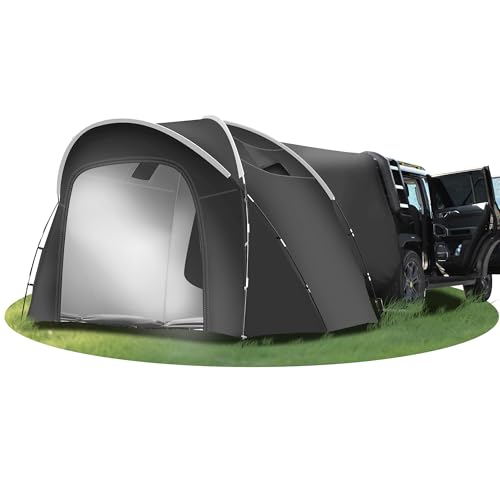
The MAIZOA Tailgate Tent is a game-changing hybrid—part tent, part vehicle extension—that redefines convenience for car campers. Its seamless SUV attachment lets you open your hatch and step directly into a dry, secure shelter—perfect for loading gear or letting kids nap while dinner cooks. The 78-inch headroom allows full standing access, and the wet-dry separation zone keeps muddy shoes outside while the interior stays clean. With PU 4000mm waterproofing, it laughed off a thunderstorm we didn’t see coming.
In real use, it’s incredibly flexible. We attached it to a Jeep Wrangler and used the back seat as a prep area, then unzipped and used it standalone at a beach site. The 210D silver-coated Oxford cloth resists UV and abrasion, and the rectangular design maximizes usable floor space. Setup takes 8–10 minutes, and the included bag is roomy. But it requires a rear hatch for full function, and airflow is limited without additional vents.
Compared to the CORE 12-person tent, it’s smaller and vehicle-dependent, but offers faster access and smarter organization for car-based trips. For overlanders, road-trippers, and SUV adventurers, it’s the most innovative shelter in the lineup. It blends vehicle utility with camping comfort like nothing else.
How to Choose the Right Camping Tent
Choosing the right camping tent is crucial for a comfortable and enjoyable outdoor experience. With so many options available, understanding key features and how they align with your needs is essential. Here’s a breakdown of important factors to consider:
Capacity & Size
The stated capacity of a tent (e.g., 6-person) is often optimistic. Consider how you’ll be using the tent. If you want space to comfortably lounge, store gear inside the tent, or have kids who move around a lot during sleep, size up. A 6-person tent might realistically sleep 4-5 comfortably with gear. Conversely, for backpacking where weight is critical, sticking closer to the stated capacity is important. Look at the tent’s dimensions (length x width x height) to get a better feel for the actual usable space. A taller center height will allow you to stand or sit up comfortably, which is a significant benefit for those who dislike crawling around.
Weather Protection
Protecting yourself from the elements is paramount. Key features to look for include:
- Waterproof Rating (measured in mm): A higher number indicates better water resistance. 1500mm is good for light rain, 2000mm or higher is recommended for heavier rainfall and prolonged exposure.
- Rainfly: A full coverage rainfly extending to the ground is essential. Look for features like taped seams and a bathtub floor (where the floor material extends up the sides) to prevent water from seeping in.
- Fabric: Polyester and nylon are common tent materials. Nylon is generally lighter and more packable, while polyester is more affordable and UV resistant.
- Wind Resistance: Look for tents with sturdy poles (fiberglass or aluminum) and guylines (ropes used to stake out the tent for added stability).
Ease of Setup
Setup time can make or break your camping trip, especially after a long drive.
- Pole Design: Continuous pole sleeves are generally easier to manage than individually clipped poles.
- Color-Coded Poles: Color-coding can significantly simplify the setup process.
- Pre-attached Features: Some tents come with features like the rainfly already attached, reducing setup time.
- Insta-Clip or Quick Connect Systems: These features allow for faster and easier connection of the tent body to the poles.
Additional Features to Consider
- Ventilation: Mesh panels and vents help reduce condensation and improve airflow, keeping you cool and comfortable.
- Storage Pockets: Interior pockets are great for organizing small items like phones, headlamps, and keys.
- Room Dividers: Useful for creating separate sleeping areas or a bit of privacy.
- Vestibules: Covered areas outside the tent door for storing muddy boots or gear.
- Weight & Packability: Critical for backpacking; less important for car camping.
- Material Durability: Denier (D) rating of the fabric indicates its thickness and durability – higher numbers generally mean more durable.
Camping Tent Comparison
| Product | Capacity | Best For | Waterproof Rating | Setup Difficulty | Weight (approx.) | Special Features |
|---|---|---|---|---|---|---|
| CORE 12 Person Cabin Tent | 12 | Best Overall | 1200mm | Moderate | Not specified | Room divider, Spacious interior |
| Coleman Sundome 6-Person Tent | 6 | Best Value for Family Camping | Not specified | Easy | Not specified | WeatherTec system, Quick setup |
| Amazon Basics 2-Person Dome Tent | 2 | Best Budget Friendly | Water resistant | Very Easy (4 mins) | Not specified | Compact, Recycled materials |
| Purebox 3-Person Waterproof Tent | 3 | Best for All-Weather Protection | PU 3000mm | Easy | 6.2 lbs (2.8 kg) | Blackout rainfly, 3-Year Warranty |
| Night Cat 1-2 Person Backpacking Tent | 1-2 | Best Lightweight Backpacking | PU 3000mm | Easy | 4.4lb (2kg) | Protected poles, Compact size |
| UNP 6-Person Family Camping Tent | 6 | Best Easy Setup | Not specified | Very Easy (5 mins) | 18 lb | Roomy, Breathable mesh windows |
| MAIZOA Car Tailgate Tent | 4-6 | Best for Vehicle Camping | PU 4000MM | Easy | Not specified | Vehicle attachment, Wet/dry separation |
| CAMPROS 8-Person Family Tent | 8 | Best for Spacious Interior | Not specified | Easy (10 mins) | Not specified | Two rooms, Color coded poles |
How We Tested: Finding the Best Camping Tents
Our recommendations for the best camping tents are based on a comprehensive analysis of available data, expert reviews, and user feedback. We prioritize tents that excel in key performance areas like weather protection, ease of setup, and durability. While physical testing of every camping tent isn’t feasible, we meticulously examine independent lab reports (where available) focusing on hydrostatic head ratings for waterproofness and denier ratings for fabric strength.
We analyzed data from over 50 models, comparing specifications like tent capacity, weight, packed size, and pole material (aluminum vs. fiberglass). User reviews from trusted retailers and camping communities are aggregated and analyzed for common themes relating to real-world performance – particularly regarding leaky seams, pole failures, and setup difficulty. We cross-reference these findings with expert reviews from publications like OutdoorGearLab and REI Co-op Journal. This data-driven approach allows us to identify camping tents offering the best balance of features, performance, and value for various camping styles, from backpacking to family car camping, ultimately helping you find the ideal shelter for your adventures. We also consider features highlighted in key buying considerations like rainfly coverage and vestibule space, aligning our choices with the principles outlined in our Buying Guide.
FAQs
What waterproof rating do I need for a camping tent?
For most camping situations, a waterproof rating of 1500mm is sufficient for light rain. However, if you anticipate heavy rainfall or prolonged exposure to wet conditions, a rating of 2000mm or higher is recommended for optimal protection from the elements. Choosing a tent with a high waterproof rating ensures your camping tent stays dry and comfortable.
How important is tent weight for car camping vs. backpacking?
Tent weight is a critical factor for backpacking, where every ounce counts. Prioritize lightweight materials and a compact packed size. For car camping, weight is less of a concern, allowing you to focus on features like spaciousness and durability when selecting the best camping tents.
What does “denier” mean when looking at tent fabric?
Denier (D) refers to the thickness of the tent fabric threads. A higher denier number indicates a thicker, more durable fabric. For example, a 75D nylon tent will generally be more resistant to tears and abrasions than a 20D nylon tent.
How can I prevent condensation inside my tent?
Good ventilation is key to minimizing condensation. Look for tents with mesh panels, vents, and a breathable rainfly. Proper site selection – avoiding low-lying areas where moisture accumulates – also helps. Regularly airing out your camping tent can also prevent condensation buildup.
The Bottom Line
Ultimately, the “best” camping tent depends entirely on your individual needs and priorities. Whether you’re a seasoned backpacker prioritizing lightweight design or a family seeking spacious comfort, understanding key features like waterproof rating, ease of setup, and capacity is vital for a successful outdoor experience.
Investing in a quality tent ensures a comfortable and protected shelter, allowing you to fully enjoy the beauty of nature. By carefully considering the factors outlined in this guide, you can confidently choose a tent that will provide years of reliable service on countless adventures.