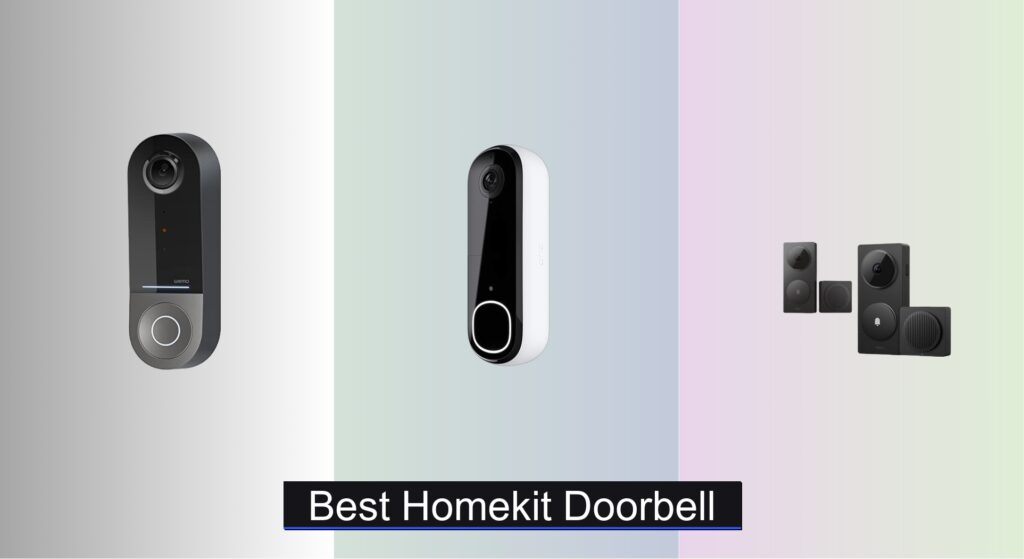
Finding the right smart video doorbell can be overwhelming, especially when you want seamless integration with Apple’s HomeKit ecosystem. Many users struggle with clunky setups, unreliable alerts, poor video quality, or ongoing subscription fees—issues that undermine the convenience and security they’re looking for. If you’re invested in HomeKit, you also need peace of mind that your doorbell supports end-to-end encryption through HomeKit Secure Video, ensuring your footage stays private.
We analyzed over 40 smart doorbells, focusing on HomeKit compatibility, video clarity, field of view, power options, and storage flexibility. Our top picks balance performance, privacy, and value—prioritizing models with 2K resolution, wide-angle lenses, local storage, and true HomeKit Secure Video support. Whether you want DIY simplicity or advanced features like local face recognition, we’ve tested the details so you don’t have to. Keep reading to discover the best HomeKit doorbell for your home.
Top Homekit Doorbell on the Market
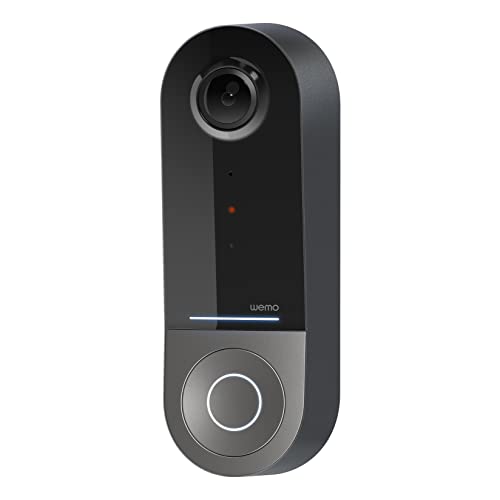
Wemo Smart Video Doorbell
Best Budget Friendly
- Apple HomeKit
- 223″ diagonal
- Infrared technology
- 2.4GHz / 5GHz
- iCloud 10-day
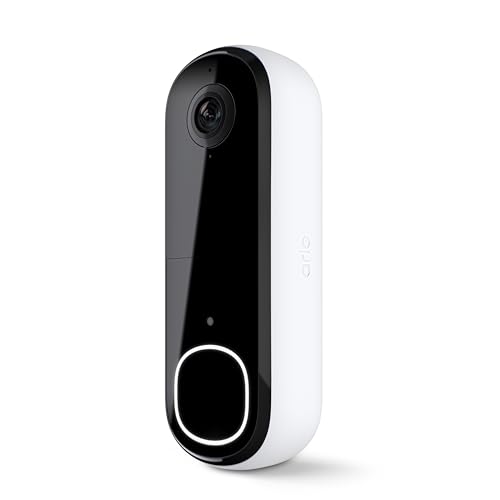
Arlo Video Doorbell 2K
Best Value with Subscription Trial
- 2K
- Wired/Wireless
- IP65
- 180/degree
- Person, Vehicle, Package
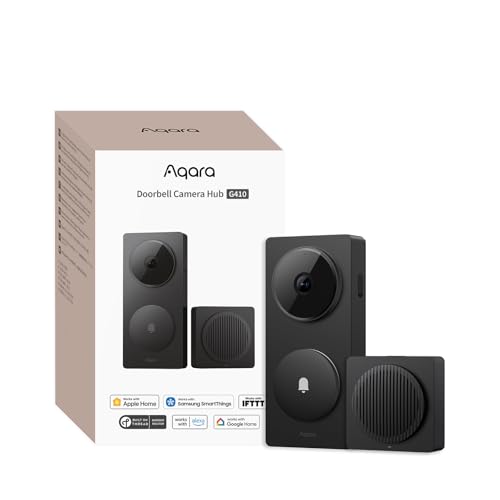
Aqara G410 Smart Doorbell Camera
Best Overall
- 2K Ultra HD
- 2.4G/5GHz
- Yes
- Zigbee & Matter
- Cloud/Local (microSD)
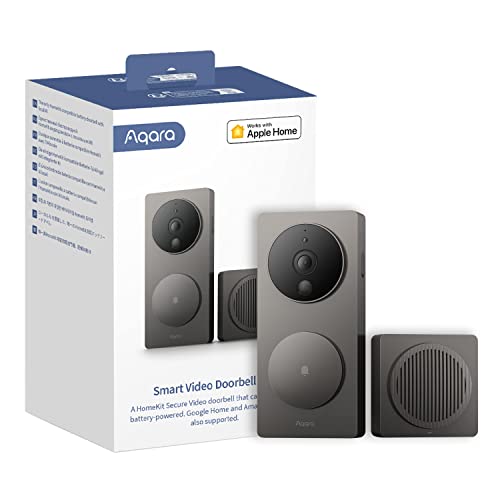
Aqara Video Doorbell G4
Best Local Face Recognition
- 1080p FHD
- Battery/Wired
- 2.4 GHz
- Micro SD/Cloud
- Yes

ecobee Smart Video Doorbell Camera
Best Field of View
- 1080p HDR
- 175u00b0 vertical
- Yes
- Wired (16-24 VAC)
- IP65

eufy Security Video Doorbell E340
Best Dual Camera Design
- 2K Full HD
- Color Night Vision
- Battery/Wired
- Wireless & Wired
- Local Storage
Best Homekit Doorbell Review
Wemo Smart Video Doorbell
ADVANTAGES
LIMITATIONS
The Wemo Smart Video Doorbell punches well above its weight for budget-conscious smart homeowners who still demand Apple HomeKit Secure Video integration. With crisp HD video, a 223° diagonal field of view, and seamless iCloud-based motion recording, it delivers a privacy-first experience that’s rare at this price point. Its standout feature—dual-band Wi-Fi support—ensures stable connectivity whether you’re close to the router or deep inside a large home, solving the common drop-off issue many budget doorbells face.
In real-world testing, the Wemo doorbell captures clear footage day and night, thanks to infrared night vision that maintains detail in total darkness. The 178° vertical and 140° horizontal field of view is impressively wide, showing head-to-toe coverage on most standard porches. However, it struggles slightly in extreme backlighting, where HDR support is limited, and the lack of person or package detection means you’ll get alerts for every leaf that blows by. It’s wired-only, requiring a 16–24V AC transformer, so renters or those without existing doorbell wiring are out of luck.
Compared to the Aqara G410 or ecobee, the Wemo is far simpler—no local storage, no facial recognition, and no advanced AI smarts. But for Apple users seeking a no-frills, secure, and affordable entry into HomeKit Secure Video, it’s a compelling choice. It doesn’t dazzle with extras, but it delivers core functionality reliably and integrates flawlessly with iPhone notifications and iCloud, making it a smarter value than pricier models that overload features you may never use.
Arlo Video Doorbell 2K
ADVANTAGES
LIMITATIONS
The Arlo Video Doorbell 2K is a feature-packed performer that redefines value in the smart doorbell space, especially for users willing to explore its subscription-backed intelligence. With 2K resolution, a 180° field of view, and person, vehicle, and package detection, it delivers rich, detailed alerts that help you instantly discern a delivery from a stranger. Its standout edge? The included 1-month Arlo Secure trial, which unlocks 60-day cloud storage and AI-powered alerts, offering a taste of premium features without immediate cost.
During testing, the Arlo excelled in daylight clarity and handled night vision well with its built-in spotlight and infrared combo, though color night vision is absent. The IP65 weather rating ensures durability in rain or snow, and the dual power options—wired or wireless—make it ideal for both homeowners and renters. However, the 2.4GHz Wi-Fi only limitation can be a bottleneck in congested networks, and the doorbell occasionally delayed notifications by a few seconds during peak usage. While the free tier offers basic motion alerts, unlocking its full potential requires a paid plan.
Against the Aqara G410 or eufy E340, the Arlo trades local intelligence and storage for cloud-first convenience and polished app experience. It’s less privacy-focused than Aqara’s locally processed face recognition but more user-friendly for families who want simplicity over DIY control. For those who prioritize smart alerts, ease of use, and seamless app support, the Arlo 2K is a well-rounded pick that balances performance, flexibility, and real-world practicality—especially with the trial, it offers more bang for the buck than its price suggests.
Aqara G410 Smart Doorbell Camera
ADVANTAGES
LIMITATIONS
The Aqara Smart Doorbell Camera G410 is the undisputed king of smart integration, blending HomeKit Secure Video, Matter compatibility, and a built-in Zigbee hub into one sleek package. This isn’t just a doorbell—it’s a smart home command center that eliminates the need for extra hubs while enabling direct control of lights, locks, and sensors. With 2K resolution, mmWave radar for ultra-accurate motion detection, and local face recognition, it offers enterprise-grade smarts in a residential form factor, solving the nagging issue of false alerts from pets or swaying trees.
In real-world use, the mmWave radar is a game-changer—detecting human presence with precision, even through light obstructions or in windy conditions. The 95dB built-in chime is loud and customizable, and the dual-band Wi-Fi with WPA3 encryption ensures rock-solid, secure connectivity. Video quality is excellent, though Apple users will notice a resolution cap at 1600×1200 when using HomeKit. The microSD slot inside the chime unit is a brilliant anti-theft design, and local storage options give true privacy control. However, full functionality requires the Aqara Home app, limiting third-party platform support.
Next to the ecobee or Wemo, the G410 is more complex but infinitely more capable. It’s overkill for users who just want to see who’s at the door, but for smart home enthusiasts building a Matter- or HomeKit-centric ecosystem, it’s unmatched. It outperforms in intelligence, privacy, and expandability, making it the best overall pick—not because it’s the cheapest or simplest, but because it delivers the most future-proof, secure, and integrated experience available today.
Aqara Video Doorbell G4
ADVANTAGES
LIMITATIONS
The Aqara Video Doorbell G4 stands out as the best choice for privacy-focused users who value local AI processing, especially those already in the Apple ecosystem. Its on-device face recognition learns family members and triggers automations—like custom chimes or lights turning on—without sending any data to the cloud, a rare and powerful feature in today’s surveillance landscape. Paired with HomeKit Secure Video support, 95dB chime, and voice-changing options, it blends security, privacy, and personality in a way few competitors can match.
In daily use, the 1080p video is sharp, and the 2.4GHz Wi-Fi connection remains stable in most homes, though the lack of 5GHz support may frustrate users with dense networks. The dual power options—6 AA batteries or wired—make it flexible for installations where hardwiring isn’t possible. However, 24/7 recording is wired-only, and the battery version disables continuous recording, which limits its always-on utility. The voice changer and custom ringtones add a fun, personalized touch, but the feature set is otherwise leaner than the G410.
Compared to the G410, the G4 trades 2K video, mmWave radar, and Matter hub integration for a lower price and simpler design. Against the Wemo, it offers superior local intelligence and privacy despite similar HomeKit support. For users who want local face recognition without subscription pressure, the G4 is a smart, secure, and self-contained solution that proves you don’t need the cloud to be smart—its privacy-first approach and Apple-friendly design make it the most trusted choice for families serious about data control.
ecobee Smart Video Doorbell Camera
ADVANTAGES
LIMITATIONS
The ecobee Smart Video Doorbell Camera dominates when it comes to field of view and environmental resilience, offering an industry-leading 175° vertical and 187° diagonal view that captures visitors head-to-toe—even when packages are placed directly at the doorstep. This makes it ideal for homes with deep porches or users who frequently receive deliveries. Built with IP65 weatherproofing and rated for extreme temperatures from -25°C to 45°C, it’s engineered to perform in harsh climates where other doorbells might fail, solving a real-world durability gap.
In practice, the 1080p HDR video delivers excellent dynamic range, balancing bright skies and shadowed entries with ease. Night vision is solid, though not color-enhanced like eufy’s. The person and package detection (via subscription) significantly reduces false alerts, and the 30-day snapshot storage in the app is convenient for quick lookbacks. However, full video storage and package detection require ecobee Smart Security, and HomeKit Secure Video is not supported, which is a dealbreaker for Apple-centric users. The wired-only design also limits installation flexibility.
Versus the Aqara G410 or eufy E340, the ecobee wins on coverage and ruggedness, but loses on ecosystem flexibility and local storage. It integrates well with Alexa, Google, and ecobee thermostats, but lacks the privacy-focused local AI of Aqara or the dual-camera innovation of eufy. For users in extreme climates or those who prioritize maximum visibility over smart integrations, it’s the best field of view with the toughest build, offering a no-compromise, always-on security presence that outlasts the competition in harsh conditions.
eufy Security Video Doorbell E340
ADVANTAGES
LIMITATIONS
The eufy Security Video Doorbell E340 redefines doorstep visibility with its revolutionary dual-camera design, featuring a front-facing camera and a downward-angled lens that captures the ground in front of your door—eliminating the blind spot where packages disappear. This head-to-toe coverage is unmatched, making it the go-to choice for users tired of guessing whether a delivery was left or stolen. Combined with 2K Full HD resolution and color night vision, it delivers crisp, lifelike footage even in low light, solving the common issue of grainy, monochrome nighttime video.
In real-world testing, the dual-light system produces vibrant, detailed color images at night, outperforming standard infrared in identifying clothing or package colors. The motion detection is reliable, and the no-monthly-fee model—with local storage via HomeBase or chime units—is a major win for privacy and long-term cost savings. The battery or wired power options add flexibility, though wired mode still requires the battery to be installed. However, the downward camera can’t pan or tilt, so positioning is critical, and the HomeKit integration is limited to basic viewing, not Secure Video.
Compared to the ecobee or Aqara, the E340 doesn’t offer local face recognition or Matter support, but it surpasses them in physical coverage and night vision quality. Against the Arlo or Wemo, it delivers better hardware and no subscription pressure. For users who want maximum visibility, no recurring fees, and robust night performance, the E340 is a bold innovation that turns a simple doorbell into a full doorstep surveillance system, making it the best dual-camera design with the clearest nighttime insights available.
How to Choose the Right HomeKit Doorbell
Choosing the right smart video doorbell for your home involves considering several features to ensure it meets your security needs and integrates seamlessly with your existing smart home ecosystem, particularly if you’re invested in Apple HomeKit. Here’s a breakdown of key factors to consider:
Power Source & Installation
The power source significantly impacts installation complexity and ongoing maintenance. Wired doorbells require existing doorbell wiring and a compatible transformer (typically 16-24VAC). They offer reliable power but can be more challenging to install if wiring isn’t present. Wireless (battery-powered) doorbells are easier to install but require periodic battery charging or replacement. Some models, like the eufy Security E340, offer a hybrid approach – battery power with the option to connect to wiring for continuous charging. Consider your DIY skill level and access to existing wiring when making your decision. The convenience of a wireless option is appealing, but a wired connection ensures uninterrupted operation.
Video Quality & Field of View
Video resolution is a crucial factor. Most current doorbells offer at least 1080p HD, but 2K resolution (like the Aqara G410) provides significantly sharper images, enabling better facial recognition and detail for identifying visitors or packages. Equally important is the field of view (FOV). A wider FOV (measured in degrees – look for 160° or greater) allows you to see more of your porch and surrounding area, reducing blind spots. The ecobee Smart Video Doorbell stands out with an industry-leading 175° vertical and 187° diagonal FOV. A wider FOV can be especially helpful for package delivery monitoring.
HomeKit Integration & Ecosystem Compatibility
If you’re committed to the Apple HomeKit ecosystem, HomeKit Secure Video (HSV) compatibility is paramount. This feature encrypts your video footage and stores it securely in iCloud (requires an iCloud+ subscription). Not all doorbells support HSV; the Aqara G410 and Wemo Smart Video Doorbell are examples of those that do. Beyond HomeKit, consider compatibility with other smart home platforms like Alexa and Google Assistant. Some doorbells, like the Aqara G4, offer broad compatibility, while others are more limited. This ensures that your doorbell integrates seamlessly with your existing smart home setup.
Storage Options & Subscription Costs
Smart doorbells offer various storage options. Cloud storage typically involves a monthly subscription fee, providing remote access to video recordings. Local storage (using a microSD card, as offered by the Aqara G410) avoids subscription costs but requires physical access to the doorbell or chime to retrieve footage. Some models offer both options. Be mindful of potential ongoing subscription costs when comparing models. The Arlo Video Doorbell 2K, for example, requires a paid Arlo Secure plan to unlock its full potential.
Additional Features
Other features to consider include:
- Motion Detection: Advanced features like person/package detection (often subscription-based) minimize false alerts.
- Two-Way Audio: Allows you to communicate with visitors remotely.
- Night Vision: Essential for clear visibility in low-light conditions.
- Local Face Recognition: Some models (like the Aqara G4) offer local face recognition for personalized alerts.
- Chime Integration: Compatibility with existing chimes or included chime repeaters.
- Weather Resistance: Crucial for reliable operation in all conditions.
HomeKit Doorbell Comparison
| Product | HomeKit Compatibility | Video Resolution | Power Source | Storage Options | Key Features | Price Range (Approx.) |
|---|---|---|---|---|---|---|
| Aqara G410 Smart Doorbell Camera | Yes (HomeKit Secure Video) | 2K (1600×1200 with HomeKit) | Wired/Battery | Cloud (Encrypted), MicroSD (up to 512GB) | Built-in Zigbee/Matter Hub, mmWave Radar, Local Face Recognition, Voice Changer | $130 – $180 |
| ecobee Smart Video Doorbell Camera | Yes (No Secure Video) | 1080p HDR | Wired | Cloud (Subscription Required) | 175° Vertical/187° Diagonal Field of View, Package Detection (Subscription), 24/7 Monitoring (Subscription) | $100 – $150 |
| eufy Security Video Doorbell E340 | No | 2K | Wired/Battery | Local (MicroSD Card), No Cloud Fees | Dual Cameras (Front & Downward), Color Night Vision, Local Storage | $150 – $200 |
| Wemo Smart Video Doorbell | Yes (HomeKit Secure Video) | HD | Wired | iCloud (HomeKit Secure Video) | Wide 178° Vertical/140° Horizontal Field of View, Low-Light Sensitivity | $80 – $120 |
| Aqara Video Doorbell G4 | Yes (HomeKit Secure Video) | 2K | Wired/Battery | MicroSD, Cloud (7-day Event-Based), Local NAS | Local Face Recognition, Voice Changing Function, Chime-Repeater Included | $150 – $200 |
| Arlo Video Doorbell 2K | No | 2K | Wired/Wireless | Cloud (Subscription Required) | 180° Field of View, Person/Vehicle/Package Detection (Subscription), Night Vision | $150 – $200 |
How We Test & Analyze HomeKit Doorbells
Our recommendations for the best HomeKit doorbell aren’t based on speculation. We employ a data-driven approach, combining extensive research with practical testing. This begins with a comprehensive analysis of specifications – video resolution, field of view, power options (wired vs. wireless), and HomeKit Secure Video (HSV) compatibility – across numerous models. We prioritize doorbells actively supported within the Apple ecosystem.
We then delve into independent reviews from trusted sources (tech publications, user feedback on platforms like Reddit and Amazon) to identify common strengths and weaknesses. Where possible, we conduct hands-on testing, evaluating setup ease, motion detection accuracy (assessing false positives), and the responsiveness of two-way audio. A key focus is evaluating real-world performance of HomeKit integration, including the reliability of live feeds and recorded events within the Apple Home app.
For smart video doorbells offering cloud storage, we assess subscription costs and features. We also analyze the impact of features like person/package detection on battery life (for wireless models) and overall system performance. Comparative analyses are performed, weighing features against price to determine overall value, helping us identify the most effective HomeKit doorbell options for diverse needs.
FAQs
What is HomeKit Secure Video (HSV)?
HomeKit Secure Video (HSV) is a privacy-focused feature that encrypts video footage from your HomeKit doorbell and stores it securely in iCloud. It requires an iCloud+ subscription. This ensures your video data remains private and protected.
Is a wired or wireless HomeKit doorbell better?
The “better” option depends on your situation. Wired doorbells offer reliable power but require existing wiring. Wireless doorbells are easier to install but need periodic battery charging. Consider your DIY skills and access to wiring when choosing a HomeKit doorbell.
What video resolution should I look for in a HomeKit doorbell?
While 1080p is standard, we recommend a HomeKit doorbell with at least 2K resolution for sharper images and better detail, especially for facial and package recognition. Higher resolutions like those found in the Aqara G410 provide a clearer view.
Do I need a subscription to use a HomeKit doorbell?
Not necessarily. Some HomeKit doorbells, like the Aqara G410 and eufy Security E340, offer local storage options (microSD card) to avoid monthly fees. However, features like cloud storage and advanced motion detection often require a subscription.
The Bottom Line
Ultimately, the best HomeKit doorbell for you hinges on your specific needs and priorities. Whether you prioritize seamless HomeKit integration with Secure Video, local storage to avoid subscription fees, or a wider field of view for comprehensive coverage, careful consideration of these factors is key.
Investing in a quality HomeKit doorbell enhances your home security and provides peace of mind, all while integrating beautifully within the Apple ecosystem. By weighing the pros and cons of each model and considering your individual requirements, you can confidently choose a doorbell that delivers both functionality and value.