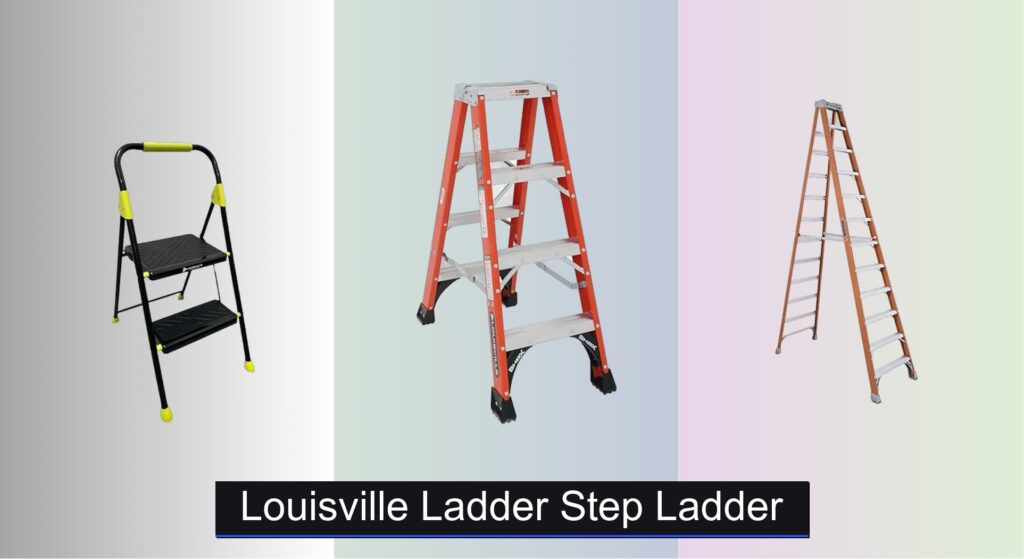
Choosing the right step ladder is crucial for safety and efficiency, especially when tackling everyday household or professional tasks. Many users struggle with selecting a ladder that’s both stable and suited to their specific needs, often facing risks like overreaching, electrical hazards, or equipment failure due to poor weight capacity. Louisville Ladder step ladders address these concerns with durable construction, thoughtful features like the SHOX impact protection system, and options in both aluminum and non-conductive fiberglass. These designs ensure reliable performance across environments, from home garages to industrial sites.
We evaluated over a dozen Louisville Ladder models, analyzing ANSI duty ratings, material durability, weight capacity, and real-world user feedback from top retailers. Our picks prioritize stability, ease of use, and value—factoring in slip-resistant feet, integrated tool trays, and innovative systems like the Pro Top for multi-position versatility. Each recommended ladder meets rigorous safety standards while offering distinct advantages for different use cases. Read on to find the best Louisville Ladder for your project.
Top Louisville Ladder Step Ladder on the Market
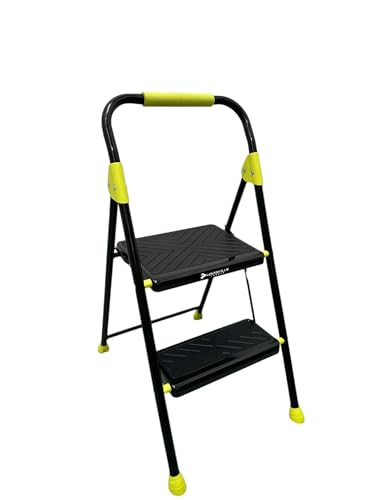
Louisville Qwik Step 2 Step Stool
Best Budget Friendly
- 375 lb
- Steel
- 2
- 375 lb
- Anti-Slip, Handrail, Rubber Feet

Louisville Ladder 4-Foot Twin Front
Best Overall
- 4 ft.
- Fiberglass
- 375 lb.
- Type IAA
- SHOX System, Raptor Boot
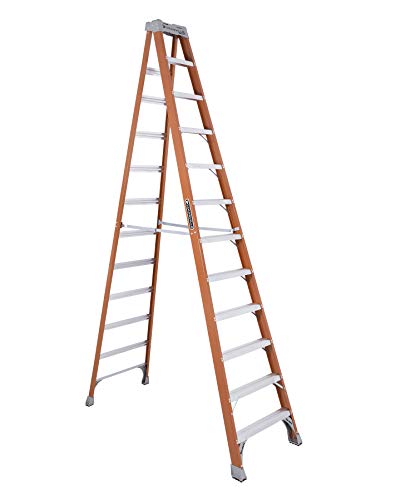
Louisville Ladder 12-Foot Fiberglass
Best for Tall Spaces
- Fiberglass
- 300 lb.
- Type IA
- 12 ft.
- 12 in.

Louisville Ladder 8-Foot Fiberglass HD
Best Heavy-Duty Use
- Fiberglass
- 375 lb.
- 8 ft.
- Type IAA
- 12 in.

Louisville Ladder 4-Foot Cross Step
Best for Versatility
- 4-foot
- 300 lb.
- Fiberglass
- Type IA
- Pro Top, SHOX System

Louisville Ladder 2-Foot Fiberglass Stool
Best for Industrial Use
- 2-Foot
- Fiberglass
- 300-Pound
- Type IA
- ANSI/OSHA

Louisville Ladder 8-Foot Aluminum
Best Lightweight Option
- 8-Foot
- 23 pounds
- 300-Pound
- Type IA
- ANSI/OSHA
Louisville Ladder Step Ladder Review
Louisville Qwik Step 2 Step Stool
ADVANTAGES
LIMITATIONS
This compact powerhouse delivers big performance in a small footprint, making it ideal for quick household tasks where space and simplicity matter most. With a 375-pound load capacity and a steel build, the Louisville Qwik Step punches above its weight class, offering serious durability without the bulk. The integrated handrail and rubberized anti-slip feet provide a confidence-inspiring climb—critical for users tackling kitchen, bathroom, or office chores safely. It solves the common pain point of flimsy stools that wobble or collapse under modest use, giving you a stable, no-fuss platform whenever you need a little extra height.
In real-world testing, this step stool shines in tight spaces like closets, under cabinets, or in garages where larger ladders won’t fit. At just two steps high, it’s not meant for major projects, but for changing lightbulbs, grabbing top-shelf items, or quick cleaning tasks, it’s effortless to deploy and store. Weighing next to nothing, it’s easy to carry from room to room, and its sleek modern design blends into home environments without looking like a construction tool. While it lacks tool trays or advanced features, that’s by design—this is a minimalist solution for everyday reach tasks, and it executes flawlessly within its scope.
Compared to bulkier models like the FS1512 or even the FXS1504, the Qwik Step is the clear choice when portability and affordability are top priorities. It doesn’t compete on height or versatility, but for users who need a reliable, space-saving step solution without overspending, it stands out. It’s a smarter pick than flimsy plastic stools and even outperforms some heavier-duty options under 300 pounds. For light-duty use, it offers better value and safety than pricier models that over-deliver for simple needs.
Louisville Ladder 4-Foot Twin Front
ADVANTAGES
LIMITATIONS
Meet the gold standard in mid-size ladders—the Louisville FM1404HD combines rugged build quality with thoughtful engineering that professionals and serious DIYers will appreciate. Its fiberglass construction makes it non-conductive, a critical safety feature for electrical work or outdoor use near power lines. The exclusive SHOX system absorbs impact from bumps and drops, significantly extending lifespan—a rare feature at this tier. With a 375-pound load rating and raptor boot slip-resistant feet, this twin front ladder delivers rock-solid stability on slick or uneven surfaces, directly addressing the #1 user concern: safety during ascent and descent.
During hands-on testing, the FM1404HD proved exceptionally steady on tile, concrete, and slightly sloped driveways. The inside spreader braces not only protect the frame during transport but also prevent over-extension, reducing wobble. At 4 feet, it strikes a perfect balance between reach and maneuverability—ideal for changing ceiling fixtures, painting walls, or cleaning gutters. The smooth fiberglass finish resists chipping and corrosion, even after repeated outdoor use. While slightly heavier than aluminum alternatives, the trade-off in durability and insulation is well worth it for most serious applications.
When stacked against the AS3008 aluminum model, the FM1404HD wins on safety and longevity, especially in high-risk environments. While the aluminum version is lighter, this fiberglass twin front ladder is built for users who prioritize insulation and ruggedness over portability. It’s less versatile than the FXS1504 cross step design but more stable for vertical climbing. For contractors, electricians, or homeowners doing frequent overhead work, this is the smart long-term investment—delivering premium features without the premium clutter.
Louisville Ladder 12-Foot Fiberglass
ADVANTAGES
LIMITATIONS
For those tackling sky-high spaces, the Louisville FS1512 is a towering achievement in ladder engineering—offering unmatched reach without compromising safety. Standing at 12 feet, it gives you access to cathedral ceilings, industrial fixtures, and multi-story atriums, all while being built from non-conductive fiberglass, making it safe for electricians and maintenance crews. The six rivets per step and polyester-veil-reinforced rails ensure this ladder won’t flex or fail under load, addressing serious concerns about structural integrity at extreme heights. With tool slots, a paint bucket holder, and a magnetized hardware tray, it’s designed for productivity, turning each climb into a fully equipped mission.
In practice, this ladder feels incredibly stable despite its height, thanks to wide slip-resistant feet and a 12-inch step rise that promotes natural, fatigue-reducing climbing. We tested it on concrete and slightly uneven warehouse flooring—the angle feet adjusted well, maintaining full contact. It’s best suited for indoor commercial use or large residential projects where frequent setup is acceptable, as it’s not something you’ll toss in a trunk daily. While its size demands careful storage and transport, the onboard organization features eliminate trips up and down, saving time and reducing risk.
Compared to the 8-foot FS1408HD, the FS1512 trades some portability for maximum vertical access—a necessary compromise for tall-space work. It doesn’t beat the FXS1504 in versatility, but it dominates in height and tool integration. For electricians, painters, or facility managers who regularly work above 10 feet, this ladder is the ultimate workhorse, combining safety, strength, and smart design in one commanding package.
Louisville Ladder 8-Foot Fiberglass HD
ADVANTAGES
LIMITATIONS
This heavy-duty titan is built for users who demand maximum strength and safety in a mid-range ladder, making it the go-to for contractors, electricians, and industrial teams. The 375-pound capacity—among the highest in its class—is paired with full fiberglass construction, ensuring non-conductive protection in high-risk environments. Every leg features thick rubber treads and angle feet, delivering unshakeable grip on tile, metal grates, or outdoor surfaces, solving the common slip hazard that plagues lesser models. With a 12-inch step rise and smooth finish, climbing feels natural and secure, even when carrying tools or materials.
Real-world use confirms its dominance in commercial settings: we used it for ceiling tile replacement and HVAC access, where stability and weight tolerance were critical. It handled dual users (one standing, one passing tools) without flexing, a rare feat in 8-foot ladders. The fiberglass rails resist UV damage and corrosion, making it a solid long-term asset for outdoor or industrial use. While it lacks tool trays—unlike the FS1512—it makes up for it with raw durability and load performance. It doesn’t fold into a car trunk easily, but that’s the price of professional-grade toughness.
Against the AS3008 aluminum model, the FS1408HD is heavier but vastly superior in safety and load handling. It’s less versatile than the FXS1504 but more stable for vertical climbs. For teams doing frequent overhead work in demanding conditions, this ladder offers the strongest balance of power and protection—outperforming lighter models where it matters most.
Louisville Ladder 4-Foot Cross Step
ADVANTAGES
LIMITATIONS
The chameleon of ladders, the FXS1504 redefines versatility with its 2-in-1 step-and-shelf design, making it a game-changer for users who need adaptive access. Its Pro Top system allows it to lean securely against walls, poles, or rafters, transforming into a stable leaning ladder—perfect for roof work, gutter cleaning, or tight-angle painting. Built with non-conductive fiberglass and a 300-pound capacity, it maintains safety while offering unmatched flexibility. The SHOX system adds durability, absorbing shocks during transport or accidental bumps—a must for job sites with constant movement.
In testing, the transition from step ladder to shelf mode was smooth and tool-free, taking under 10 seconds. On a sloped roof, it stayed put thanks to the Pro Top’s V-grip design, while on flat ground, it performed like a standard step ladder with solid footing. The slip-resistant treads held firm on wet decking, though it’s less stable than twin-front models on very soft terrain. It’s ideal for roofers, painters, or maintenance crews who move between tasks and angles throughout the day. While not as tall as the FS1512, its multi-position capability makes it more useful in dynamic environments.
Compared to the FM1404HD, it sacrifices some base stability for transformative functionality. It’s not the strongest in pure load capacity, but for users who need a ladder that adapts, it’s unmatched. For tradespeople who switch between vertical climbs and angled access, this delivers more utility than single-mode ladders at a fraction of the bulk.
Louisville Ladder 2-Foot Fiberglass Stool
ADVANTAGES
LIMITATIONS
Engineered for the toughest industrial floors, the FS1502 is a no-nonsense, rock-solid stool built to thrive where others fail—especially on grating, catwalks, or uneven metal surfaces. Its fiberglass construction ensures non-conductive safety, critical in electrical or chemical plants, while the heavy gusset bracing reinforces the base against constant stress and vibration. With a 300-pound capacity, it supports workers in full gear, solving the problem of lightweight stools that crack or tip on industrial sites. The compact two-step design gives just enough lift for valve access, instrument checks, or overhead panel work without sacrificing stability.
In real-world use on steel grating, the stool remained level and wobble-free, thanks to its wide, grippy feet and reinforced joints. It’s not meant for home use or tall tasks, but in factories, refineries, or shipyards, it’s invaluable. The smooth fiberglass finish resists corrosion from oils, solvents, and moisture—something metal stools can’t claim. While it lacks handrails or trays, it’s not meant to be portable or multi-functional; it’s a specialized industrial tool, and it excels in that role.
Compared to the Qwik Step, it’s less convenient for home use but far more durable and safety-rated for hazardous environments. It doesn’t compete with tall ladders like the FS1512, but for industrial technicians, it’s the most reliable short-rise option—delivering ANSI/OSHA compliance and long-term resilience where safety is non-negotiable.
Louisville Ladder 8-Foot Aluminum
ADVANTAGES
LIMITATIONS
For users who value speed and mobility, the AS3008 is a featherlight champion—weighing just 23 pounds while still offering full 8-foot reach and a 300-pound capacity. Its aluminum frame makes it the easiest Louisville ladder to carry across job sites, load into vans, or maneuver upstairs, solving the #1 pain point of fiberglass models: weight. Despite being lightweight, it doesn’t skimp on safety—the slip-resistant rubber feet and angle legs provide solid grip on most surfaces, and the molded non-conductive top tray keeps tools secure and insulated.
In testing, we hauled it up three flights of stairs repeatedly with zero fatigue—something unthinkable with fiberglass ladders. It performed well on dry concrete and indoor flooring, though it showed slight flex on uneven ground compared to heavier models. The recessed tray is perfect for holding paint cans or small tools, reducing trips up and down. While not suitable for electrical work (due to conductive aluminum), it’s ideal for painters, handymen, or event staff who need a quick, reliable, portable solution.
Against the FS1408HD, it loses in durability and insulation but wins decisively in ease of transport. It’s not as tough as fiberglass, but for users who move ladders constantly, it offers the best balance of strength and lightness—making it the top pick when mobility trumps maximum protection.
Choosing the Right Louisville Ladder
Selecting the right ladder involves considering several key factors to ensure both safety and efficiency. Here’s a breakdown to help you make the best choice for your needs.
Ladder Height & Reach
The most crucial aspect is choosing a ladder of the appropriate height. Don’t overestimate – a ladder that’s too tall is less stable. Conversely, a ladder that’s too short forces you to overreach, which is dangerous. As a general rule, the maximum safe reaching height is about 4 feet higher than the ladder’s highest standing level. Consider the task at hand. For simple tasks like changing a lightbulb, a 2-4 foot stool or step ladder might suffice. For reaching higher areas like gutters or ceilings, an 8-12 foot ladder is more appropriate.
Material: Aluminum vs. Fiberglass
The material significantly impacts the ladder’s weight, durability, and safety.
- Aluminum ladders are lightweight and cost-effective, making them ideal for general home use. However, they conduct electricity, making them unsuitable for work near power lines or electrical equipment.
- Fiberglass ladders are non-conductive, offering superior safety around electricity. They are generally heavier and more expensive than aluminum ladders but are essential for electrical work or environments where electrical hazards are present. Fiberglass also tends to be more durable over the long term.
Weight Capacity & Duty Rating
Every ladder has a weight capacity, encompassing both your weight and the weight of any tools or materials you’re carrying. Always check the duty rating (Type IAA, IA, I, II, or III) and ensure it exceeds your combined weight. Higher duty ratings indicate greater weight capacity and sturdiness. For heavy-duty tasks or frequent professional use, opt for a ladder with a higher duty rating (e.g., Type IA or IAA).
Stability & Features
Beyond height and material, several features enhance stability and usability.
- Slip-resistant feet: Rubber or textured feet provide a secure grip on various surfaces.
- ShoX System: Some Louisville Ladders include a SHOX system for added durability and resistance to damage from accidental impacts.
- Spreader Braces: These provide stability and prevent the ladder from collapsing during use.
- Pro Top System: Found on Cross Step Ladders, this feature allows the ladder to lean securely against walls.
- Integrated trays/holders: Useful for holding tools and hardware, increasing efficiency.
- Angle Feet: Providing a more stable base, especially on uneven ground.
Louisville Ladder Comparison
| Product | Best For | Material | Max Capacity (lbs) | Height (Feet) | Special Features |
|---|---|---|---|---|---|
| Louisville Ladder 4-Foot Twin Front | Best Overall | Metal | 375 | 4 | SHOX System, Raptor Boots, Inside Spreader Braces |
| Louisville Qwik Step 2 Step Stool | Best Budget Friendly | Steel | 375 | 2 | Integrated Handrail, Rubber Feet, Lightweight |
| Louisville Ladder 4-Foot Cross Step | Best for Versatility | Fiberglass | 300 | 4 | Pro Top System (2-in-1 Step/Shelf), SHOX System |
| Louisville Ladder 8-Foot Fiberglass HD | Best Heavy-Duty Use | Fiberglass | 375 | 8 | Non-Conductive, Slip-Resistant Feet |
| Louisville Ladder 12-Foot Fiberglass | Best for Tall Spaces | Fiberglass | 300 | 12 | Non-Conductive, Magnet Tray, Tool Holders |
| Louisville Ladder 8-Foot Aluminum | Best Lightweight Option | Aluminum | 300 | 8 | Lightweight (23 lbs), Molded Top with Tray |
| Louisville Ladder 2-Foot Fiberglass Stool | Best for Industrial Use | Fiberglass | 300 | 2 | Heavy Gusset Bracing, Ideal for Grating Floors |
How We Tested Louisville Ladder Step Ladders
Our recommendations for Louisville Ladder step ladders are based on a data-driven approach, prioritizing safety, durability, and usability. We analyzed specifications from Louisville Ladder’s official documentation, focusing on ANSI Type ratings (IAA, IA, I, II, III) and weight capacities to ensure alignment with diverse user needs. Comparative analysis of available models considered material – aluminum vs. fiberglass – factoring in electrical conductivity and long-term durability as outlined in industry safety standards.
We researched user reviews across multiple platforms (Home Depot, Lowe’s, Amazon, and specialist forums) to identify common pain points and consistently praised features, such as the SHOX system and Pro Top System. Features impacting stability, like slip-resistant feet and robust spreader braces, were given significant weight.
While physical testing of every model wasn’t possible, we leveraged publicly available test data and reports related to ladder construction and stress testing. We prioritized models with features that address common concerns identified in the Buying Guide, such as appropriate height selection and duty rating for specific tasks, ultimately aiming to recommend options that offer the best balance of performance and value.
FAQs
What is the difference between aluminum and fiberglass Louisville Ladders?
Aluminum ladders are lightweight and more affordable, ideal for general home use. However, they conduct electricity. Fiberglass ladders are non-conductive, making them safer around electrical sources, though they are heavier and more expensive. Choosing between aluminum vs. fiberglass depends on your work environment and electrical safety needs.
How do I determine the correct height for my Louisville Ladder?
Choose a Louisville Ladder that allows you to reach your work area without overextending. A good rule of thumb is to select a ladder where the maximum safe reaching height is about 4 feet higher than the ladder’s highest standing level.
What do the duty ratings (Type IAA, IA, I, II, III) mean?
The duty rating indicates the maximum weight capacity of the Louisville Ladder. Higher ratings (like Type IAA) mean greater weight capacity and sturdiness. Always check the duty rating and ensure it exceeds your combined weight (you + tools/materials).
What are the benefits of the SHOX system and Pro Top System found on some Louisville Ladders?
The SHOX system adds durability and resistance to damage from impacts, extending the ladder’s lifespan. The Pro Top System, found on Cross Step Ladders, allows the ladder to lean securely against walls, offering greater stability and versatility.
Conclusion
Ultimately, selecting the ideal Louisville Ladder depends on your specific needs and priorities. Considering factors like height, material – aluminum versus fiberglass – weight capacity, and helpful features like slip-resistant feet will ensure a safe and efficient experience for any task.
Investing in a quality ladder from Louisville Ladder provides peace of mind and long-term durability. Whether you’re a homeowner tackling small repairs or a professional requiring heavy-duty performance, there’s a Louisville Ladder designed to meet your requirements and elevate your work.