
That familiar crunch of gravel under your boots as you unzip your standard-issue camping tent after a long hike. The thin nylon walls echo with the same sterile beige you’ve seen a dozen times before. What if your shelter could instantly feel like home instead of just a place to crash? Transforming your basic camping tent through thoughtful decoration isn’t just about aesthetics—it’s the secret to elevating your entire outdoor experience from survival mode to soul-nourishing adventure. By learning how to decorate a camping tent safely and creatively, you’ll create a personal sanctuary that makes rainy days cozy and starlit nights magical. In this guide, you’ll discover practical lighting hacks, space-saving storage tricks, and theme ideas that turn any tent into a reflection of your personality—without compromising safety or adding backpack-breaking weight.
Install Flame-Free Lighting for Instant Ambiance
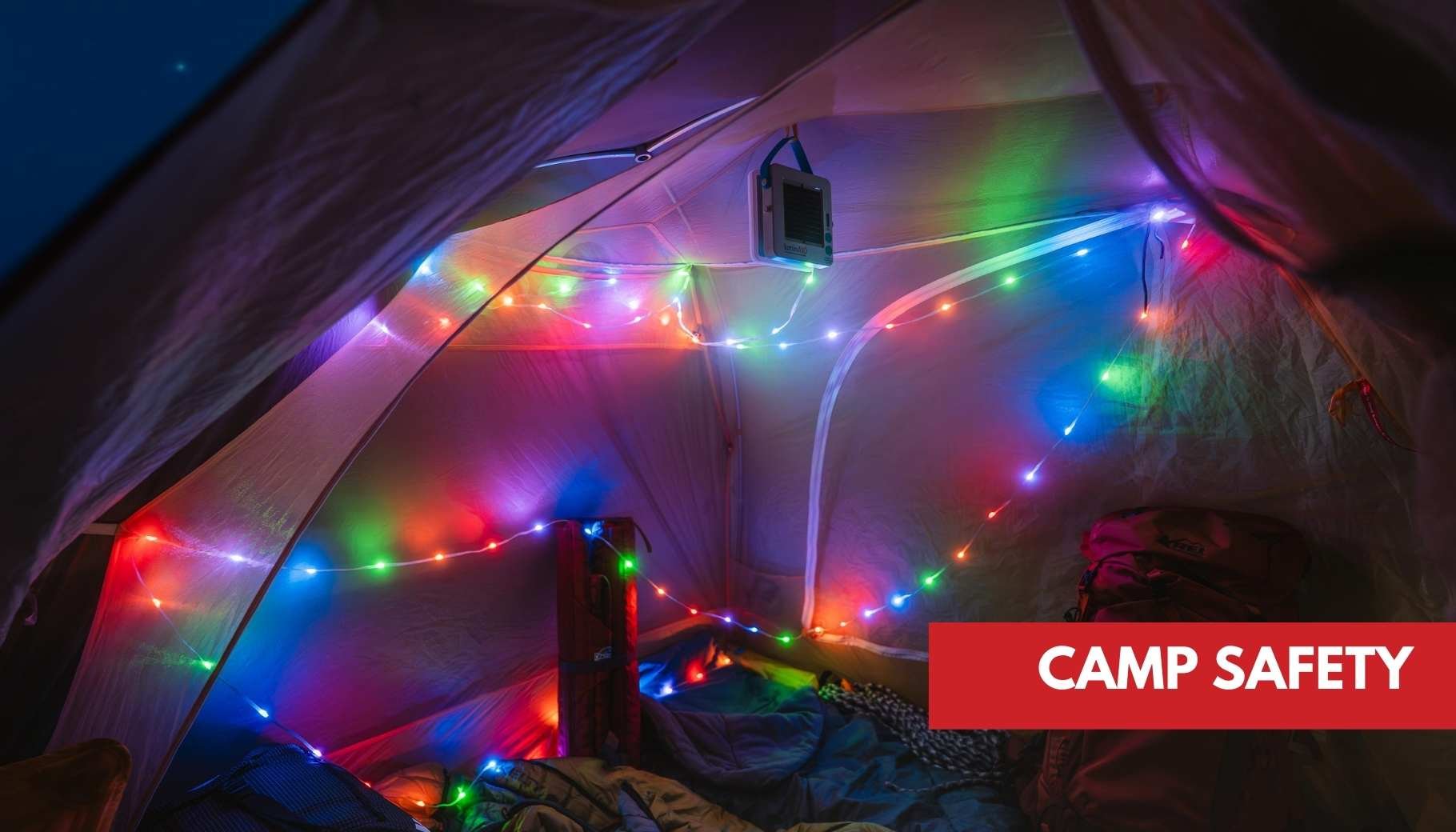
The right lighting completely changes your tent’s personality after sunset, turning a functional shelter into a warm refuge. Skip the dangerous open flames and focus on battery-powered solutions that create magic without risking your safety. You’ll transform your space in under 10 minutes with zero technical skills required.
Drape LED String Lights Strategically
Forget bare bulbs swinging from the center—create professional-looking ambiance by securing micro-LED strings along your tent’s ridgeline using removable adhesive hooks. Start at one door seam, follow the highest curve of the interior ceiling, and end at the opposite entrance. This placement prevents tripping hazards while bathing your entire space in soft, even light. For family tents, wrap lights around the perimeter near ventilation panels to define “zones” without blocking airflow. Choose warm-white LEDs (2700K-3000K color temperature) that mimic candlelight rather than harsh blue-toned bulbs. Pro tip: Test your string’s battery life at home—most last 24-48 hours on fresh batteries, but bring spares for extended trips.
Avoid Deadly Lighting Mistakes Every Camper Makes
Never use candles, oil lanterns, or propane lights inside your tent—these cause 30% of tent fire incidents according to national park safety reports. Even “flameless” candles with real wicks pose risks if knocked over. Instead, adopt these field-tested safety protocols: Hang battery lanterns from the tent’s central loop using a carabiner, keeping them 18+ inches from walls. Store all lighting gear in a dedicated waterproof pouch to prevent accidental activation. Before zipping up for the night, do the “5-Second Check”: Verify no cords dangle near sleeping bags, all batteries are secure, and emergency exits remain completely unobstructed. Solar-powered options deserve special attention—place them on your rainfly during daylight hikes to maximize charging while keeping interiors clutter-free.
Build a Comfort Layered Floor System

Your feet should meet comfort the moment you step inside—not cold, damp nylon. This three-layer flooring approach adds minimal weight while dramatically improving sleep quality and creating visual warmth. You’ll spend less time tossing on hard ground and more time enjoying your personalized oasis.
Start with a custom-fit tent footprint slightly smaller than your floor to prevent water pooling. Next, add insulation using interlocking foam tiles (like puzzle mats) cut to size—they’re lighter than rugs and provide crucial ground-cold protection. Top it with a compact, quick-dry microfiber rug featuring your color scheme. For cabin tents, define zones with two 2’x3′ rugs: one by the door for muddy boots, another under sleeping pads. Avoid common pitfalls like using thick towels (they retain moisture) or full-size area rugs (they trap condensation). When packing, shake rugs vigorously outside first—never store them damp against tent fabric.
Maximize Space with Clever Storage Hacks
A cluttered tent feels claustrophobic, while organized spaces amplify comfort. Implement these weight-conscious solutions before unpacking your main gear—takes less than 5 minutes but saves hours of frustration later.
Hang Storage Without Damaging Fabric
Install a tension rod across the tent’s width just below the ceiling seam to create instant overhead storage. Drape a lightweight mesh shower caddy over it for phones, headlamps, and snacks—its stretchy material won’t snag nylon. Repurpose a dollar-store fabric shoe organizer by clipping it to interior loops with mini carabiners; each pocket holds specific items like chapstick, batteries, or trail maps. Critical mistake to avoid: Never staple, tape, or pin organizers directly to tent walls—this compromises waterproofing. If your tent lacks interior loops, use removable adhesive hooks rated for 1+ pound that leave zero residue.
Add Personality Through Meaningful Touches
Your tent should reflect you, not just generic camping gear. Clip laminated postcards from past adventures to a twine clothesline strung between poles—they weigh ounces but spark joy. Roll spare sleeping pads into “cushions” covered with bandanas in your theme colors. For nature lovers, tuck pinecones into mesh pockets (shake them first to remove insects) or display smooth river stones in a collapsible silicone bowl. Skip bulky photo frames—instead, print tiny wallet-sized pics on waterproof paper and tuck them into clear document sleeves pinned with removable clips. Remember: Every decorative item must survive wind gusts without becoming a projectile.
Select a Theme That Matches Your Trip Style

Choosing a cohesive theme simplifies decorating decisions and creates Instagram-worthy moments. Match your concept to your adventure type—don’t force bohemian tapestries on a solo backpacking trip.
For minimalist backpackers, adopt a “desert sunset” palette: terracotta sleeping pad covers, burnt-orange bandana accents, and copper-colored string lights. Family car campers thrive with “forest lodge” themes—bring faux-fur throws, wooden utensils, and earthy green rugs. Overlanding enthusiasts love “industrial chic”: use magnetic clip lights on roof racks, foldable metal stools, and geometric-patterned storage bins. Pro tip: Prep theme kits at home in labeled stuff sacks—pull out the “boho bundle” or “alpine bundle” based on your trip. This prevents last-minute indecision and ensures all elements coordinate.
Never Compromise on Critical Safety Rules
Your decorations must pass three non-negotiable safety tests before entering the tent. Ignoring these turns cozy touches into life-threatening hazards.
Exit clearance is non-negotiable: Maintain a 24-inch-wide unobstructed path from your sleeping pad to both doors. Test this at night with only headlamp illumination—can you scramble out in under 10 seconds during simulated emergencies? Fire prevention is absolute: All lighting must be battery-operated with automatic shutoff timers (look for “5-hour auto-off” features). Keep a palm-sized fire blanket clipped outside your main door. Weatherproofing matters: In high winds, remove all hanging decor—what seems secure at campsite setup may become dangerous later. Before storms, stash rugs and organizers in dry bags to prevent water damage. If your decorations fail any of these checks, leave them behind.
Customize Decor for Your Specific Tent Type
What works for a family cabin tent could ruin a backpacker’s experience. Match your approach to your shelter’s constraints—this prevents frustration and wasted effort.
Backpackers need ultralight solutions: One 10-foot string of micro-LEDs (under 2 oz), a single bandana rug folded as a pillow cover, and photos printed on Tyvek shipping envelopes. For family cabin tents with 6+ foot ceilings, create “rooms” using clip-on fabric room dividers and color-coded string lights (blue for sleeping zone, yellow for dining). Rooftop tent users maximize vertical space with magnetic LED strips on metal frames and hanging organizers secured to ladder rungs. Truck campers benefit from suction-cup hooks on windows for hanging lightweight decor. Always consider your tent’s weakest points—don’t hang anything heavy on thin-pole backpacking tents, and avoid floor rugs in pop-up campers where moisture collects.
Your decorated tent shouldn’t just look inviting—it should actively enhance your connection to the outdoors. By implementing these flame-free lighting techniques, layered comfort systems, and theme-based personalization, you’ve transformed a basic shelter into a true home under the stars. Remember to always prioritize safety over style: if an idea blocks exits or creates fire risks, leave it behind. For your next trip, try adding one new element—a portable Bluetooth speaker playing forest sounds or a small bundle of dried lavender for scent—and notice how it deepens your relaxation. The real magic of how to decorate a camping tent isn’t in the photos you’ll take, but in the way these small comforts make you linger longer over morning coffee, feel safer during storms, and ultimately fall more deeply in love with the wild places you explore. Pack out every decoration you brought in, and leave your campsite better than you found it—because the most beautiful tents are those that honor the landscapes surrounding them.