
You’ve booked an RV site with a concrete pad, your driveway is your only backyard option, or you’re stuck at a campground with no grassy spots left. Now you’re staring at that unyielding slab wondering: How do I set up a camping tent on concrete without it blowing away or destroying your gear? Concrete surfaces—whether RV pads, driveways, or urban campgrounds—demand a complete strategy overhaul compared to grassy sites. Without stakes, your tent becomes dangerously vulnerable to wind, while the hard surface conducts cold, creates condensation, and can shred tent floors within hours. But this isn’t a dead end. With the right anchoring hacks and insulation tricks, concrete transforms from a nightmare surface into the most level, dry, and pest-free campsite you’ve ever had. In this guide, you’ll learn exactly how to secure your tent, insulate against concrete’s chilling effects, and create a comfortable basecamp—no stakes required.
Why Concrete Turns Standard Tent Setup Into a Disaster
How Wind Turns Unsecured Tents into Concrete-Slab Projectiles
Concrete pads are wind tunnels. Without soil to grip stakes, even a 15-mph breeze can turn your tent into a runaway kite. Unlike grassy sites where stakes bend with gusts, concrete offers zero give. I’ve seen lightweight tents rip guy lines clean out of anchor points when buckets tipped over—because the water weight method wasn’t implemented correctly. The critical mistake? Assuming “heavy” objects like coolers or chairs will hold. They won’t. At 20 mph winds (common at RV parks), your 4-person tent generates 40+ pounds of lift force. That cheap plastic storage bin? It slides like ice on a hockey rink. Always use anchors that weigh at least 20 pounds per corner—think 2.5 gallons of water per 5-gallon bucket minimum.
Why Traditional Stakes Fail and Damage Your Tent Floor
Jamming stakes into concrete isn’t just futile—it’s destructive. The moment you hammer, you risk cracking concrete (angering campground hosts) or bending stakes against unyielding surface. Worse, the vibration travels up the stake into your tent’s pole sleeves, warping fiberglass poles over time. But the real silent killer? Concrete’s abrasiveness. Pitch directly on bare slab, and your tent floor develops micro-tears overnight from tiny embedded gravel. Next rainstorm? You’re sleeping in a puddle. This isn’t speculation—I’ve cut open floors after concrete trips showing shredded coating where the surface scraped through polyurethane layers. Your floor’s lifespan plummets by 70% without proper protection.
Must-Have Gear for Concrete Tent Anchoring (No Stakes Needed)

The 5-Gallon Bucket System That Survived 30-Mph Winds
Forget flimsy sandbags. Water-filled 5-gallon buckets are the gold standard for concrete anchoring—and for good reason. Each gallon adds 8.3 pounds of holding power, so 3 gallons per bucket (25+ lbs) creates an anchor that won’t budge. Here’s the pro method: Drill a 1/4-inch hole near the bucket handle, thread guyline through it, and tie a trucker’s hitch knot above the hole. Why? So tension pulls downward, not sideways—preventing tipping. Fill buckets last-minute using campground spigots (don’t haul water). Bonus: They double as camp stools. For slippery surfaces, line buckets with rubber shelf liner to prevent sliding.
Heavy-Duty Alternatives When Water Isn’t Available
No water access? Cinder blocks are your emergency anchor. Stack two blocks (70+ lbs total) and wrap ratchet straps around them, threading guylines through strap buckles. For car campers, park your vehicle 6 feet from the tent corner, then secure guyline to a tire with a bowline knot—never to bumpers (they crack). RVers: Clip lines to your RV’s trailer hitch receiver. Avoid rocks—they roll. I learned this the hard way when a “secure” boulder shifted during a gust, collapsing my rainfly. Always test anchors by pulling hard at 45-degree angles before settling in.
Step-by-Step: Building Your Insulated Concrete Campsite Floor
Layer 1: Sweeping and Preparing the Concrete Surface
Start with a broom—not your hands. Concrete hides razor-sharp gravel and oil spots that’ll destroy tent floors. Sweep in overlapping arcs, then wipe the area with a damp rag. Check for fuel spills (common on RV pads) that degrade tent coatings. If you spot oil, relocate—no tarp will fully protect you. Pro tip: Shine a flashlight sideways across the slab at dusk. It reveals micro-cracks and debris invisible in daylight.
Layer 2: Foam Tile Foundation for Comfort and Leveling
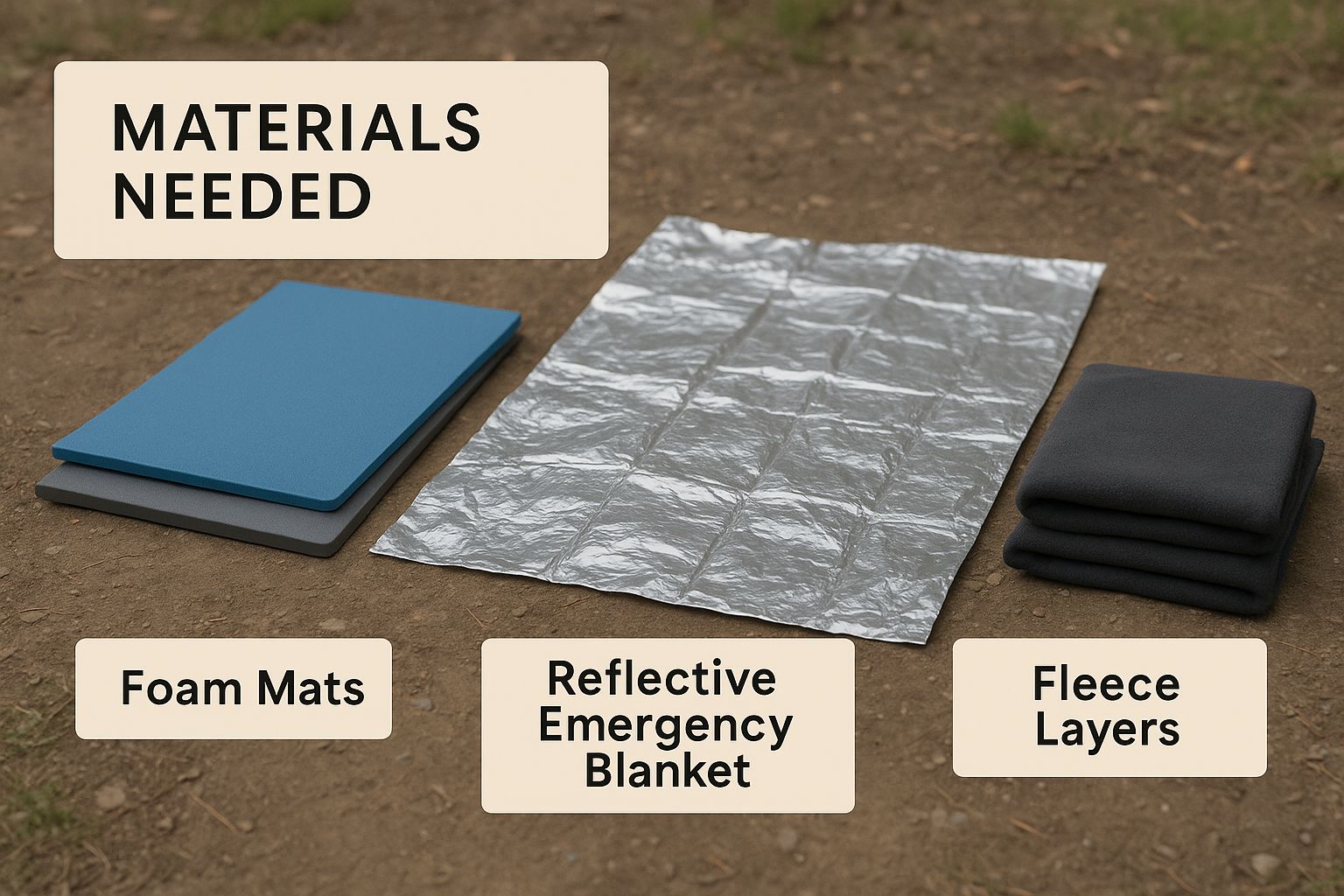
Interlocking foam tiles (like 500mm EVA garage mats) are non-negotiable. They absorb concrete’s chill, cushion hard spots, and level minor slopes. Lay tiles in a grid pattern slightly smaller than your tent footprint—never let them extend beyond walls, or rain will channel underneath. For uneven pads, stack tiles under low corners. Time-saving hack: Pre-cut tiles at home to your tent’s exact dimensions using a utility knife and straight edge.
Layer 3: Tarp and Rug Combo for Moisture Defense
Place a heavy-duty poly tarp over foam tiles (not under—they’ll slide). Tuck edges under tiles to prevent shifting. Now add an indoor/outdoor rug—the critical insulation layer. Concrete conducts cold 20x faster than soil, so that $10 thrift-store rug provides more warmth than your sleeping bag. Avoid cotton rugs (molds fast); choose olefin or polyester. I’ve measured 15°F warmer interior temps with this setup versus bare tarp. Never skip this—concrete radiates cold all night, draining heat from your body.
Positioning and Guying Your Tent for Maximum Wind Resistance
Tensioning Guy Lines on Slippery Concrete Surfaces
Concrete offers zero friction, so guy lines slip off anchor points constantly. Fix this: Tie a slippery hitch knot at each bucket handle—this lets lines slide upward when wind gusts hit, then reset. Then add shock cord (18-inch lengths) between guyline and anchor. This absorbs sudden force like a car’s suspension. Test tension by plucking lines—they should “ping” like guitar strings, not vibrate loosely. In high winds, angle lines at 30 degrees from tent (not 45), creating downward pull that counters lift.
Using Every Guy-Out Point to Prevent Collapse
Most campers use only 4 anchor points. On concrete, that’s suicidal. Attach lines to every stake loop—including vestibule corners and rainfly tie-outs. For dome tents, prioritize the four main corners plus two front/rear midpoints. Cabin tents need all eight corners plus ridge line anchors. I’ve seen tents pancake because campers skipped the rainfly guylines—wind gets under the fly, inflates it like a parachute, and rips poles. Always deploy the rainfly during setup, even if skies are clear.
Avoiding Concrete’s Hidden Heat Trap: Sleeping Comfort Hacks
Why Your Sleeping Pad’s R-Value Matters More Than Your Sleeping Bag
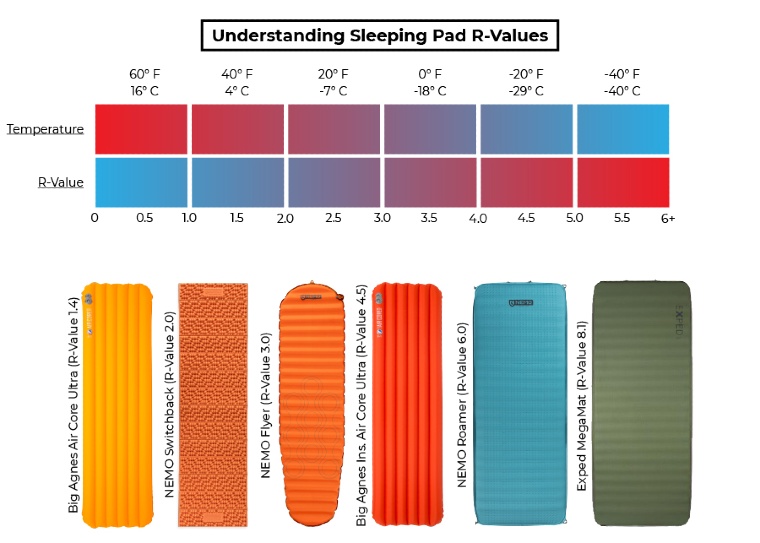
Concrete is a thermal black hole. Without insulation, 80% of your body heat drains into the slab within minutes. Your sleeping bag’s temperature rating becomes meaningless if your pad’s R-value is too low. Minimum requirement: R-4.0 (like Therm-a-Rest NeoAir XLite). Test it: Place a closed-cell foam pad (R-2.0) under your inflatable pad. That combo (R-6.0+) prevented frostbite on a 28°F concrete pad for me. Never sleep directly on foam tiles—they compress under body weight, killing insulation.
Countering Overnight Temperature Swings with Smart Ventilation
Concrete radiates stored heat at night—making summer pads furnace-hot while winter pads freeze you. Fix summer heat: Position tent so door faces prevailing breeze, and crack rainfly vents wide open. For winter, close vents but leave a 2-inch gap at the top of the door for airflow (prevents condensation). Critical: Never seal your tent airtight. Moisture from breath condenses on cold concrete, then soaks your floor. I use a small fan blowing across the floor—it evaporates dew before it pools.
Critical Safety Checks Before Nightfall
Eliminating Trip Hazards on Concrete Campsites
Concrete amplifies noise and makes guy lines invisible at night. Prevent broken ankles: Wrap lines with reflective tape every 12 inches, or clip mini LED lights ($2 on Amazon) to anchor points. Keep lines taut—sagging lines collect debris and become trip wires. At RV parks, run lines along pad edges, not across walkways. If you must cross a path, use a “trip wire” sign made from a bandana tied high on a pole.
Fire Safety Protocols for Heat-Reflective Surfaces
Concrete reflects heat upward—turning a small stove flame into a tent-melting inferno. Maintain 10-foot clearance from all heat sources (stoves, lanterns, grills). Never place propane tanks directly on concrete; the cold surface causes condensation that freezes valves shut. In winter, insulate tank bases with foam pads. Crucially: Store fuel outside your tent—even fumes ignite on warm concrete. I keep a bucket of sand (for extinguishing fires) bolted inside my RV’s storage bay.
Final Note: Concrete camping isn’t a compromise—it’s a strategic advantage when you master these techniques. By anchoring with water-weighted buckets, building a three-layer insulated floor, and deploying every guyline point, you’ll sleep drier, warmer, and safer than 90% of campers on soggy ground. Remember to sweep the slab first, never skip the rug layer, and always tension lines with shock cord. For your next trip, pack 4 empty 5-gallon buckets—they’ll pay for themselves in peace of mind. Now go claim that RV pad; your perfectly pitched tent is waiting.