Nothing ruins a perfect camping trip faster than lying in your sleeping bag listening to mosquitoes buzz inches from your ear while ants march across your pillow. A peaceful night’s sleep under the stars should never feel like a battle against relentless insects. Whether you’re dealing with bloodthirsty mosquitoes, uninvited spiders, or an army of ants invading your snacks, keeping bugs out of your tent is non-negotiable for a comfortable outdoor experience. This guide delivers practical, field-tested strategies that actually work—no gimmicks or ineffective folklore—so you can reclaim your nights and enjoy bug-free camping adventures.
Select a Bug-Free Campsite Location Strategically
Your battle against bugs begins long before you unpack your sleeping bag. Where you pitch your tent determines whether you’ll sleep peacefully or spend the night swatting invaders.
Avoid Mosquito Breeding Grounds Near Water Sources
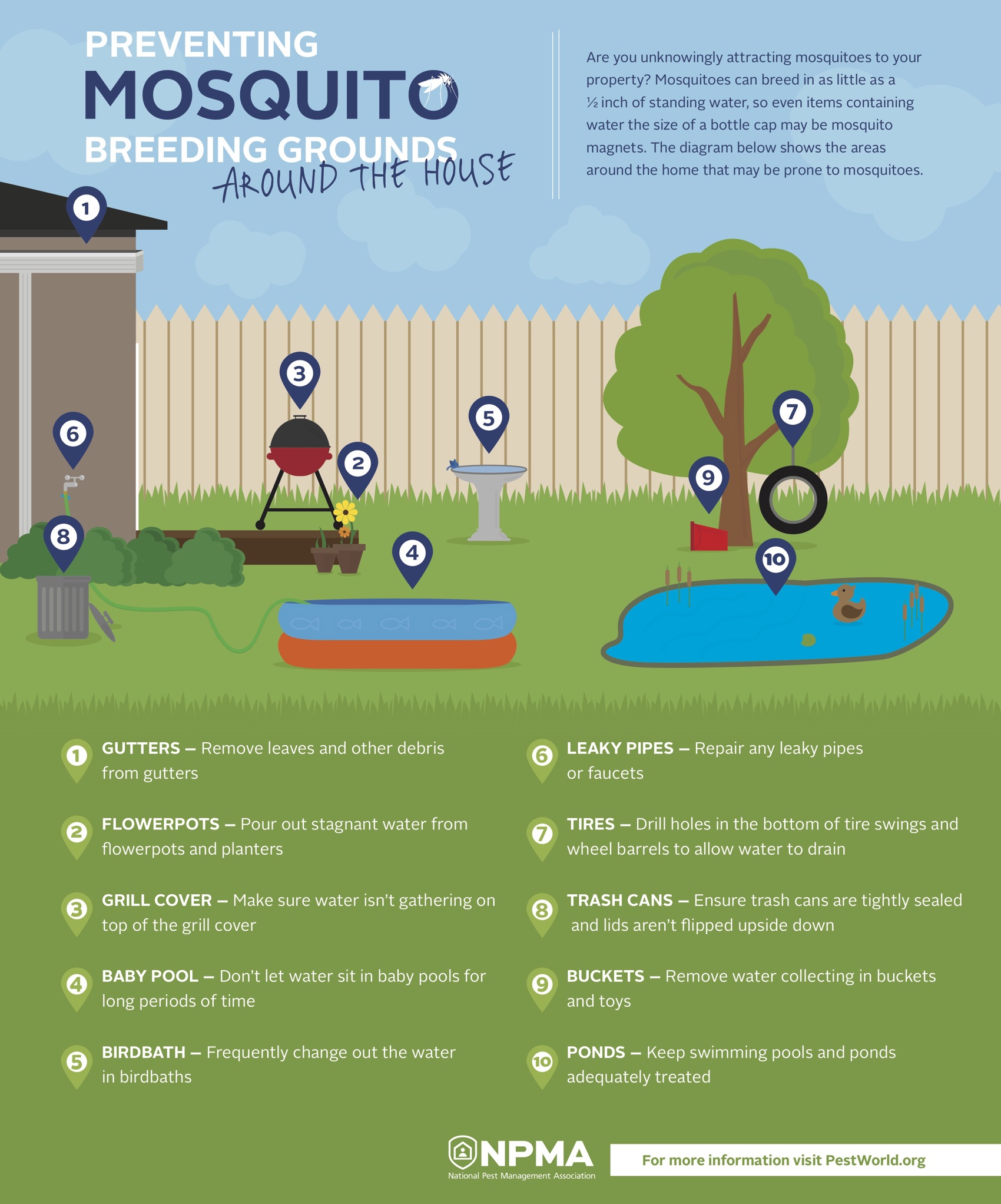
Choose campsites at least 200 feet from lakes, ponds, or slow-moving streams where mosquitoes breed. These pests can detect carbon dioxide from your breath up to 100 feet away, so distance matters. Elevated, breezy locations work best since wind disrupts insects’ ability to navigate—most bugs struggle to fly in consistent breezes above 5 mph. Steer clear of dense underbrush and tall grass where ticks and chiggers hide, waiting to hitch a ride on your clothing.
Treat Your Tent with Permethrin Before Departure
Before your trip, spray the exterior of your tent, rainfly, and ground tarp with a permethrin-based insect repellent. Focus on seams, zippers, and mesh panels where bugs might penetrate. Allow it to dry completely for 24-48 hours in a well-ventilated area before packing. Critical warning: Never apply permethrin inside your tent—it becomes hazardous when inhaled in enclosed spaces. This treatment creates an invisible barrier that repels and kills mosquitoes, ticks, and ants on contact for up to six weeks, even after multiple rains.
Maintain Strict Zipper Discipline During Camping
Develop the habit of zipping your tent completely closed every single time you enter or exit—even for “just a second” to grab firewood. Mosquitoes can infiltrate your shelter in under 10 seconds when the door’s open. Install a secondary vestibule zipper if your tent has one, creating a double-door airlock system that traps bugs before they reach your sleeping area. At night, use glow-in-the-dark zipper pulls so you can seal the tent without turning on bright lights that attract more insects.
Create an Impenetrable Insect Barrier Around Your Tent
Your tent’s immediate surroundings determine whether bugs approach your shelter in the first place. Smart perimeter management stops infestations before they start.
Deploy Natural Insect Deterrents Around Tent Edges
Sprinkle food-grade diatomaceous earth in a continuous 2-inch wide ring around your tent’s perimeter—this powdery substance dehydrates crawling insects on contact without harmful chemicals. Alternatively, crush fresh mint, sage, or lavender and scatter the leaves around your campsite; these plants naturally repel mosquitoes and flies. Reapply after rain or heavy dew. Avoid commercial bug zappers that attract more insects to your campsite—they’re counterproductive for tent protection.
Implement Military-Grade Food Management Protocols
Store all food, toiletries, and trash in hard-sided bear canisters at least 100 feet from your tent, never inside your sleeping area. Wipe down cooking surfaces with vinegar solution to remove food residues that attract ants. After meals, immediately wash dishes 200 feet from water sources and dispose of wastewater through a strainer to prevent food particles from creating bug buffets. Pro tip: Keep a small container of baking soda in your tent—it neutralizes odors from accidental spills and doubles as ant defense if sprinkled around entry points.
Seal Every Possible Bug Entry Point on Your Tent
Even the smallest gap becomes a highway for determined insects. A thorough tent inspection prevents infiltration before it happens.
Conduct Daily Mesh and Seam Integrity Checks
Before setting up camp, examine your tent’s mesh panels under bright light—hold it up to the sun to spot pinholes invisible in normal lighting. Patch any damage immediately with gear repair tape specifically designed for tent fabrics. Pay special attention to the floor seams where ants enter; apply silicone seam sealer for waterproof, bug-proof reinforcement. During your trip, perform a “bug sweep” each evening with a flashlight to catch invaders before they multiply.
Execute Multi-Layered Bug Defense Tactics

Relying on a single method fails when insects adapt. Layer your defenses for maximum protection throughout your camping trip.
Apply Skin and Clothing Repellents Strategically
Use EPA-registered repellents containing 20-30% DEET, picaridin, or oil of lemon eucalyptus on exposed skin, reapplying every 4-6 hours. Treat clothing with permethrin the night before your trip—this combination creates a dual defense system that repels 99% of mosquitoes. Critical note: Never spray repellents directly on tent fabric—they degrade materials and create toxic fumes when heated by sunlight. Apply to your body outside the tent, then wait 15 minutes before entering.
Switch to Bug-Repelling Lighting Systems
Replace white LED lights with yellow or red bulbs in all camp lanterns and headlamps—mosquitoes navigate using UV light detection, and warm-colored lights are virtually invisible to them. Position light sources away from tent entrances; place lanterns at least 10 feet from your sleeping area to draw bugs away from your shelter. For interior tent lighting, use a single red LED headlamp on low setting when moving inside at night.
Immediately Neutralize Bugs That Breach Your Defenses
When prevention fails, act swiftly to prevent a single intruder from becoming an infestation.
Execute the 4-Step Bug Evacuation Protocol
- Contain the situation: Close all tent openings to prevent escape and reproduction
- Identify the threat: Use a headlamp to determine if it’s a single mosquito, spider, or ant trail
- Deploy appropriate removal: For flying insects, use a portable vacuum or sticky tape; for spiders, carefully trap and release outside
- Conduct perimeter sweep: Check for entry points the bug used and seal them immediately
Never use bug spray inside your tent—it creates dangerous fumes and leaves toxic residues on sleeping surfaces. If ants appear, locate and destroy their trail with vinegar solution before they establish a colony.
Maintain Continuous Bug Defense Throughout Your Trip
Bug prevention isn’t a one-time setup—it requires ongoing vigilance to maintain your bug-free sanctuary.
Implement Nightly Tent Security Routines
Before bed each night, perform these critical checks:
– Run your hand along all zippers to ensure complete closure
– Shake out sleeping bags and clothes that were left inside
– Sweep tent floor with a small camping brush to dislodge hidden insects
– Check vestibule for stray food particles or moisture that attracts bugs
Store a small container of talcum powder near your tent entrance—sprinkle it around door flaps to create a barrier that repels ants and other crawling insects.
Pack Essential Bug Emergency Supplies
Your first-aid kit must include:
– Fine-tipped tweezers for tick removal
– Hydrocortisone cream for bite relief
– Antihistamine tablets for severe reactions
– Small tube of triple antibiotic ointment
– Alcohol wipes for cleaning sting sites
Pro tip: Freeze a damp washcloth before your trip and store it in a sealed bag—it provides instant cooling relief for itchy bites and reduces swelling from stings.
Critical Bug Prevention Checklist for Every Camping Trip
Your ultimate defense combines strategic campsite selection, meticulous tent preparation, and disciplined daily habits. Before your next trip, verify you’ve implemented all these essential measures: choose elevated, breezy locations away from water; treat tent exteriors with permethrin weeks in advance; maintain strict zipper protocol; store all food properly; use warm-colored lighting; and inspect for entry points daily. Remember that even one oversight—like leaving a snack wrapper in your tent or skipping the permethrin treatment—can trigger a full-scale bug invasion. By layering these proven strategies, you transform your tent from an insect magnet into an impenetrable fortress where you can finally enjoy peaceful nights outdoors. The difference between a miserable, bug-infested trip and a restful camping experience comes down to these actionable steps—implement them consistently, and you’ll never endure another sleepless night swatting mosquitoes again.