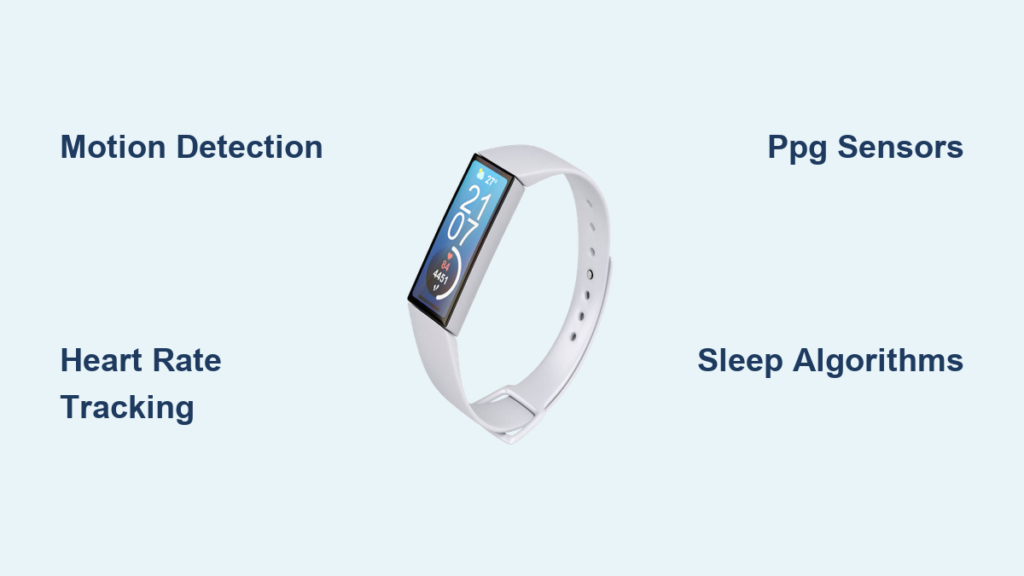
You slide into bed, the lights go out, and within minutes your fitness tracker flags “sleep mode” – but how does fitness tracker track sleep so precisely without medical equipment? Modern wearables transform your wrist into a mini sleep lab by detecting subtle physiological shifts invisible to the naked eye. Unlike clinical sleep studies requiring electrodes and wires, these devices use clever combinations of motion detection and heart rhythm analysis to decode your nightly rest. Understanding this process helps you interpret those morning sleep scores with realistic expectations and stop questioning why your tracker claims you got deep sleep when you feel exhausted.
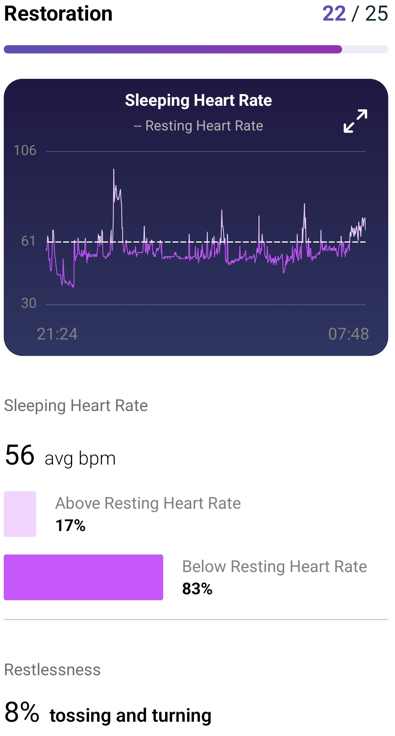
The magic starts with your body’s predictable nighttime changes: movement slows, heart rate drops 6-8 BPM, and breathing patterns stabilize. Your tracker isn’t guessing – it’s hunting for these specific biomarkers. Most devices trigger sleep detection within 20-30 minutes of sustained stillness combined with a measurable heart rate decline. This isn’t random; it’s based on years of sleep research showing these dual signals reliably indicate sleep onset. By the time you wake up, your tracker has processed thousands of data points into that sleek sleep report – but the real story lies in the sensors and algorithms working silently all night.
Why Your Tracker Detects Sleep Within 90 Seconds of Stillness
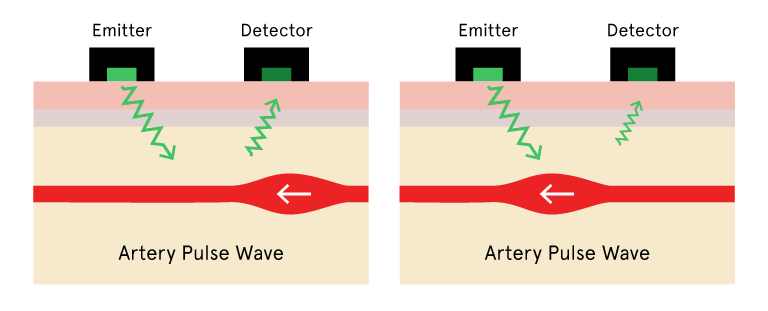
Fitness trackers don’t wait hours to flag sleep – they react almost instantly to your body’s transition from wakefulness to rest. When you lie down, your movement intensity drops sharply. High-sensitivity 3-axis accelerometers (the same tech in your smartphone) detect this stillness within 90 seconds by measuring minute vibrations. But here’s the critical nuance: stillness alone isn’t enough. Simultaneously, photoplethysmography (PPG) sensors shine green and infrared LEDs into your wrist to monitor blood flow. As you drift off, your heart rate typically dips by 6-8 beats per minute during non-REM sleep. Your tracker cross-references these two streams – near-zero motion plus a consistent heart rate drop – to confirm sleep onset.
This dual-signal approach prevents false triggers. If you’re lying awake scrolling your phone, your heart rate stays elevated despite stillness, so the tracker won’t log sleep. But if you’re truly asleep, even brief awakenings get caught by sudden movement spikes or heart rate jumps. The system’s accuracy for basic sleep/wake detection hits 90-95% in studies, making it reliable for tracking total sleep time – though sleep stage estimates tell a different story.
How Accelerometers Distinguish Light Tossing From Deep Sleep
Your wrist’s micro-movements reveal far more than just “asleep vs. awake.” Trackers use actigraphy – minute-by-minute movement counts – to gauge sleep quality:
– Deep sleep detection: Less than 2 position changes per hour with minimal movement intensity
– Light sleep identification: 3-5 position shifts with moderate motion spikes (like rolling over)
– REM sleep clues: Near-total stillness despite elevated heart rate variability
Crucially, your tracker calculates sleep efficiency (time asleep ÷ time in bed × 100%) using these patterns. If you toss for 30 minutes before sleeping, your efficiency drops even with 7 hours total rest – explaining why high-efficiency nights feel more restorative.
Which Sensors Actually Track Sleep (Beyond Heart Rate)
While heart rate gets the spotlight, three unsung sensors work together to build your sleep profile. Most users don’t realize their tracker is running a multi-sensor operation all night:
PPG sensors do double duty: The green LEDs measure heart rate, but infrared light penetrates deeper to detect blood oxygen (SpO2) on premium devices. A sudden SpO2 dip during stillness might flag potential sleep apnea – though this isn’t diagnostic. More importantly, PPG tracks heart rate variability (HRV), the beat-to-beat time differences that surge during deep sleep as your nervous system relaxes.
Ambient light sensors play a stealth role: They confirm darkness aligns with your sleep window. If your room has frequent light bursts (like a partner entering), your tracker may log more wakefulness – even if you didn’t fully wake.
Skin temperature sensors (in rings like Oura) detect the 0.5-1°F drop that occurs as your body cools for sleep. This explains why trackers sometimes detect sleep onset faster when worn on fingers versus wrists.
Why Wrist Placement Makes or Breaks Accuracy
Your tracker’s position dramatically impacts sensor reliability:
– Too loose? PPG sensors lose skin contact, causing erratic heart rate readings that misclassify deep sleep as wakefulness
– Dominant wrist? Increases motion artifacts from subconscious movements, inflating light sleep estimates
– Tattoo interference? Dark ink absorbs PPG light, reducing heart rate accuracy by up to 40% according to clinical studies
For optimal data, wear it snug (one finger’s width of movement) on your non-dominant wrist – a simple fix most users overlook.
How Algorithms Guess REM Sleep Without Brain Sensors
Here’s where consumer tech hits its limits: no fitness tracker measures brain waves like clinical EEGs. Instead, proprietary algorithms make educated guesses by correlating heart and motion data with sleep study databases. The process works like this:
-
Minute-by-minute classification: Devices like Fitbit use 1-minute “epochs” analyzing:
– Movement intensity (from accelerometers)
– Heart rate dip depth (from PPG)
– HRV patterns (beat-to-beat intervals) -
Sleep stage modeling:
– Deep sleep: Low movement + steady low heart rate + high HRV
– REM sleep: Near-zero movement + elevated/variable heart rate (mimicking wakefulness)
– Light sleep: Moderate movement + transitional heart rate patterns -
Machine learning refinement: Brands like Garmin feed years of polysomnography data into models that recognize your personal patterns over time.
Why Your “Deep Sleep” Numbers Are Often Wrong
Clinical studies reveal a harsh truth: sleep stage accuracy varies wildly:
– Deep sleep: Trackers overestimate by 15-30 minutes on average since stillness gets misread as deep rest
– REM sleep: Detection is poorest (60-75% accuracy) because motionless dreaming mimics deep sleep
– Sleep onset latency: Often underreported by 10-20 minutes if you fall asleep quickly
The gap exists because your tracker infers stages from physiology, not direct brain activity. When your device claims 2 hours of deep sleep but you’re tired, it likely mistook light sleep for deep rest due to prolonged stillness.
Why Medical Conditions Skew Your Sleep Data
Fitness trackers struggle with non-standard sleep patterns, creating dangerous misinterpretations:
Sleep apnea: SpO2 sensors may catch oxygen drops, but without airflow measurement, apnea events get logged as “restless sleep” – not life-threatening interruptions. Your tracker might show “good sleep” while you’re waking 30 times hourly.
Insomnia: If you lie still for hours awake, trackers falsely report “light sleep,” masking your actual sleep deprivation.
Restless Leg Syndrome: Frequent leg movements register as wakefulness, underestimating total sleep time by up to 45 minutes.
Critical red flag: Never use tracker data to self-diagnose. A 2022 Stanford study found consumer devices miss 80% of moderate-to-severe sleep apnea cases. If your data conflicts with how you feel (e.g., high sleep score but constant fatigue), consult a sleep specialist – your tracker’s limitations could hide serious issues.
5 Steps to Fix Inaccurate Sleep Data Immediately
You don’t need a new device to improve accuracy. These science-backed tweaks work for Fitbit, Apple Watch, and Garmin:
-
Calibrate your sleep window: Manually set bedtime/wake time in your app. Trackers assume sleep starts when movement drops, but if you read in bed for 30 minutes, this inflates sleep latency.
-
Enable sleep mode 10 minutes early: Start tracking while brushing teeth. This captures true sleep onset instead of missing the first 15-20 minutes of light sleep.
-
Wear it higher on your wrist: Slide the band 1-2 inches toward your elbow. This improves PPG contact on bony wrists and reduces motion artifacts.
-
Sync immediately upon waking: Delays cause data gaps. Morning sync ensures heart rate trends from final REM cycles get logged.
-
Track naps separately: Most devices ignore naps under 3 hours, skewing daily totals. Use “nap mode” if available.
Pro Tip: The 3-Night Consistency Rule
Algorithms learn your patterns over time. For reliable data:
– Wear the tracker for 3+ consecutive nights
– Avoid alcohol (distorts HRV patterns) during calibration
– Compare weekend vs. weekday data – consistent discrepancies indicate fit issues
Within a week, deep sleep estimates improve by 25% as your device personalizes its models.
Fitness trackers transform sleep from a mystery into actionable data – but only if you understand their limitations. The core question of how does fitness tracker track sleep boils down to motion sensors and heart rhythm analysis, not medical-grade precision. By recognizing that deep sleep estimates are educated guesses (not EEG readings), you’ll focus on trends over single-night scores. Consistent wear, proper fit, and realistic expectations turn your device into a powerful tool for spotting sleep disruptions before they become health issues. Remember: the goal isn’t perfect data, but using these insights to build better rest – one night at a time. When your tracker shows declining sleep scores for two weeks straight, that’s your cue to prioritize wind-down routines or consult a professional. After all, the most accurate sleep tech means nothing if you don’t act on what it reveals.