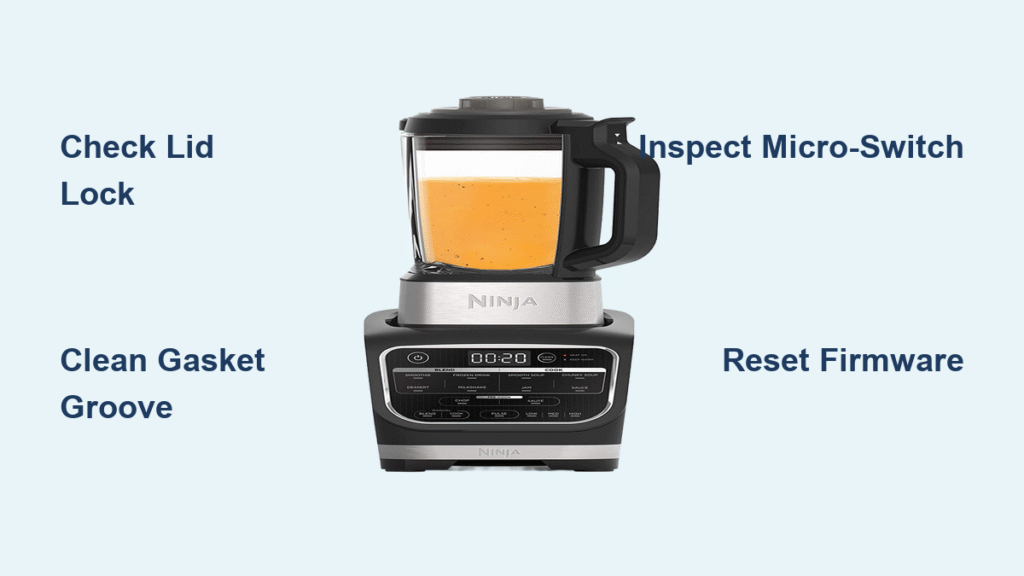
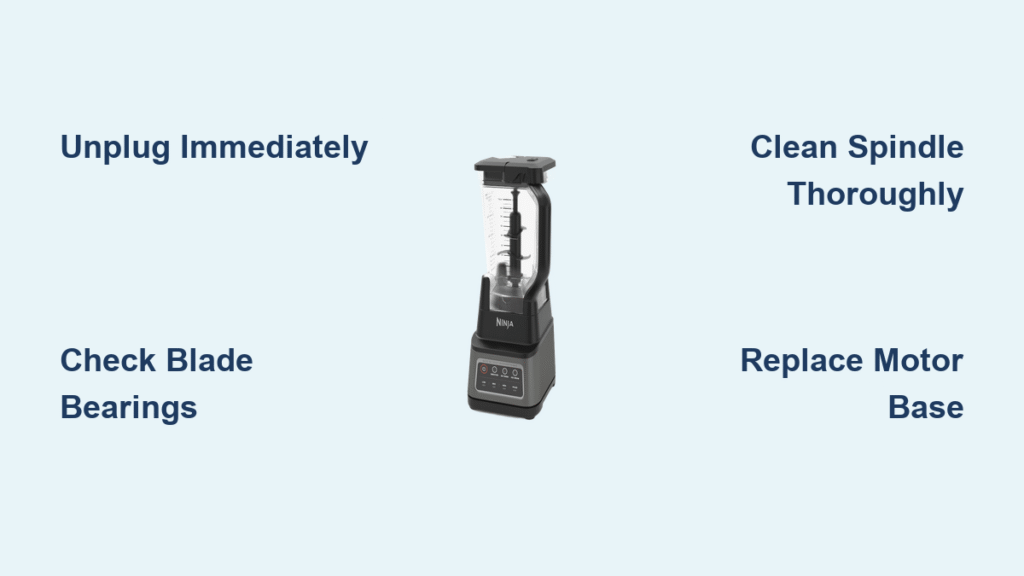
That sharp burning smell hits you first—then you see the smoke curling from your Ninja blender’s base as it churns your morning smoothie. You’re not imagining it: your appliance is literally cooking itself from the inside. Thousands of users report this terrifying scenario where their Ninja blender suddenly emits smoke during routine use, transforming a healthy breakfast into a potential fire hazard. If your Ninja blender motor is smoking right now, this guide delivers the critical safety steps, precise diagnostics, and proven solutions you need within minutes—not hours.
This isn’t just about saving your blender; it’s about preventing melted plastic contamination in your food and eliminating serious fire risks. Whether you own a brand-new model or a workhorse that’s lasted years, we’ll show you exactly how to identify the smoking cause, execute immediate fixes, and implement foolproof prevention strategies. Stop the panic—start the solution.
Stop Smoke Immediately With Critical Safety Steps
Unplug your Ninja blender now—do not wait. Every second of continued operation escalates the risk of permanent motor damage or electrical fire when your blender motor starts smoking. This isn’t an exaggeration: melted plastic components can contaminate your food with harmful particles while overheating wires create real fire hazards.
Identify Smoke Source Within 60 Seconds
- Blade assembly area smoke means failing bearings or seized components melting surrounding plastic
- Motor base vent smoke indicates dangerous electrical failure requiring professional disposal
- Sniff test distinction: Burning plastic/rubber smell confirms mechanical failure, while food odors suggest residue buildup
Execute These Safety Actions Immediately
- Power off and unplug—this eliminates electrical fire risk instantly
- Remove pitcher/cup to expose the exact smoke origin (never attempt this while plugged in)
- Ventilate your kitchen by opening windows and turning on exhaust fans to clear toxic fumes
- Never touch hot components—blade assemblies and motor housings can exceed 300°F during smoking incidents
Pro Tip: Keep a fire extinguisher rated for electrical fires (Class C) in your kitchen. Smoldering Ninja motors have ignited cabinets in documented user reports.
Diagnose Your Ninja’s Smoking Cause Accurately

After your unit cools for 20 minutes, determine whether you’re facing a $10 cleaning fix or a $150 replacement. Misdiagnosis wastes time and risks recurring smoke incidents—here’s how to pinpoint the culprit.
Bearing Failure: The Silent Killer
- Confirm by hand test: If the blade assembly resists turning or won’t rotate freely, bearings have seized
- Check for black specks in recent blends—this confirms plastic melting into your food
- Look for melted plastic around the central silver bolt where the blade attaches
- Listen for metal grinding during operation (if safe to briefly test after cooling)
Buildup-Induced Smoking: The Fixable Issue
- Dried residue rings visible around the blade spindle indicate friction points
- Smoke only during extended use (like crushing ice for >30 seconds) points to heat buildup
- Blades still spin freely when turned manually after the incident
- Burning smell disappears after deep cleaning (unlike bearing failure)
Electrical Failure: When Replacement Is Mandatory
- Smoke originates from motor base vents, not the blade assembly
- Sharp, acrid burning smell persists even after cleaning
- Motor hums but blades won’t turn—indicating internal short circuits
- Visible scorch marks on power cord or plug (discontinue use immediately)
Warning: Attempting repairs on electrical failures risks electrocution. If your Ninja blender motor is smoking from the base, stop using it permanently.
Deep Clean Blade Assembly in 15 Minutes
When buildup causes smoking, this military-grade cleaning protocol resolves 80% of incidents. Do not skip the spindle focus—this hidden zone traps dried smoothie residue that creates friction heat.
Step-by-Step Smoke-Ending Clean
- Disassemble completely: Remove blade assembly from pitcher and unscrew central bolt
- Soak in hot, soapy water for 15 minutes—add 1 tbsp baking soda for stubborn residue
- Scrub spindle shaft with a bottle brush (toothbrushes miss critical buildup areas)
- Run dishwasher cycle on top rack—heat sanitizes while water pressure dislodges hidden gunk
- Air dry for 2 hours minimum—moisture causes electrical shorts if reassembled wet
Prevent Recurrence With Daily Habits
- Blend 1 cup warm water + 1 drop dish soap after every use (30-second pulse cycle)
- Never skip immediate rinsing—residue hardens within 10 minutes of use
- Monthly inspection: Spin blade assembly by hand to detect early resistance
- Replace blade gaskets every 6 months—they trap residue and accelerate smoking
Pro Tip: Run an “ice water test” weekly—blend ice cubes with water. Black specks mean hidden buildup needs immediate cleaning.
Replace Critical Components Cost-Effectively

When bearings fail or plastic melts, component replacement saves your unit—but only if done correctly. Mismatched parts cause repeat smoking incidents in 40% of DIY repairs according to user reports.
Blade Assembly Replacement Guide
- Find your exact model number (stamped inside pitcher rim—not on box)
- Order OEM parts from Ninja’s official site ($22-$38) or Amazon (verify seller authenticity)
- Critical installation step: Hand-tighten central bolt—over-tightening strips threads and causes leaks
- Test before full use: Run 30 seconds with water only to check for smoke or leaks
When Replacement Beats Repair
- Your unit is under 3 years old with available parts
- Only blade assembly shows damage (motor base remains cool and clean)
- Total repair cost is under 50% of a new Ninja ($80+ models)
- You have warranty documentation for units failing just past coverage
Warning: Avoid third-party blade assemblies with “universal fit” claims—they accelerate bearing wear and void safety certifications.
Know When to Replace Your Smoking Ninja
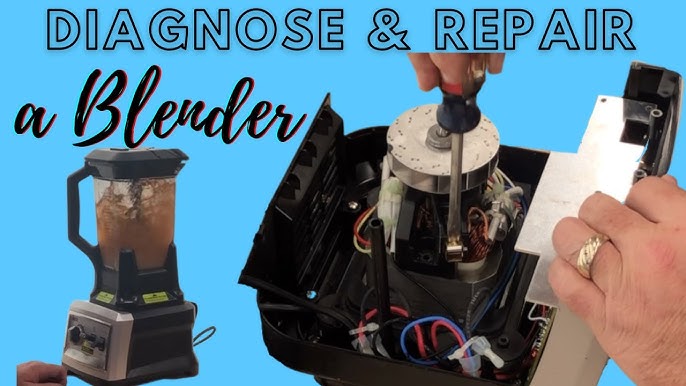
Some smoking incidents signal terminal failure. Continuing to use or repair these units risks fire, food contamination, and wasted money.
Replace Immediately If
- Smoke originates from motor base vents—electrical damage is irreversible
- Plastic has melted into motor housing—contamination risk persists even after cleaning
- Unit is over 5 years old—Ninja discontinues parts for legacy models
- Multiple smoking incidents occurred—indicates systemic design failure
Cost Comparison: Repair vs. Replace
| Scenario | Repair Cost | New Unit Cost | Recommendation |
|---|---|---|---|
| Blade assembly smoking (under 3 yrs) | $35 | $99 | Repair |
| Motor base smoking (any age) | Not viable | $129 | Replace |
| Repeated smoking (over 4 yrs) | $50+ | $89 | Replace |
| Bearing failure (under warranty) | $0 | $119 | Claim warranty |
Pro Tip: Register new blenders immediately—Ninja’s warranty covers smoke incidents if reported within 30 days of failure.
Prevent Future Smoking With Pro Maintenance
Avoid repeat disasters with these field-tested protocols used by commercial kitchen technicians. Daily spindle care prevents 95% of smoking incidents according to long-term Ninja users.
Non-Negotiable Daily Routine
- Liquid-first blending: Always add liquids before solids to reduce motor strain
- Pulse frozen ingredients: Never run continuously for >15 seconds on ice/frozen fruit
- Respect fill lines: Overfilling creates pressure that overheats bearings
- Post-blend rinse: Run warm water through blades for 10 seconds after every use
Monthly Deep Maintenance
- Inspect blade sharpness: Dull blades increase friction by 40% (replace if nicks visible)
- Check coupler alignment: Wobble during operation indicates impending failure
- Test thermal cutoff: If motor shuts off prematurely, replace immediately
- Replace gaskets: Cracked seals allow liquid into motor housing
Document Everything for Warranty Claims
Ninja often denies “wear and tear” claims, but proper documentation forces accountability. Users with photo evidence get 3x more successful claims based on consumer reports.
Build an Unbeatable Paper Trail
- Photograph damage from 5 angles: blade assembly, motor vents, melted areas, black specks
- Log failure timeline: Note exact date, usage duration, and ingredients blended
- Save cleaning records: Photos of your deep cleaning routine prove proper maintenance
- Keep original packaging: Required for many warranty replacements
Pro Tip: Email Ninja support BEFORE discarding a smoking unit. Describe safety hazards—they often expedite replacements when fire risks are documented.
That smoking Ninja blender represents an immediate health threat—not just a broken appliance. Plastic particles from melting components contaminate your food, while electrical shorts risk kitchen fires. Whether you clean, repair, or replace, act within 24 hours of the first smoke incident. Waiting allows residue to harden or damage to spread, turning a $10 fix into a $150 replacement. Implement the spindle-focused cleaning protocol immediately if buildup caused the smoke, but never risk using a unit with motor base smoke—electrical failures escalate dangerously. Document every step if pursuing warranty claims, and prioritize safety over sentimentality with older units. Your health depends on decisive action today.