You’ve rearranged your furniture, selected the ideal paint color, and added the finishing touches to your room—but something still feels incomplete. That missing element might be the right floor lamp. Choosing how to select a floor lamp goes beyond simply finding a light source; it’s about discovering the perfect blend of function and form that elevates your entire space. Many homeowners make the mistake of treating floor lamps as afterthoughts, only to end up with poor lighting or style mismatches that disrupt their carefully curated interiors. This comprehensive guide provides the specific criteria you need to select a floor lamp that not only illuminates effectively but also complements your decor and lifestyle.
Why Your Floor Lamp Choice Matters More Than You Think
The right floor lamp serves as both a practical lighting solution and a design statement that can transform your room’s atmosphere. Unlike overhead lighting that casts uniform illumination, floor lamps create targeted pools of light that define spaces and set moods. Whether you need task lighting for reading in your favorite chair or ambient glow to enhance your living room’s ambiance, selecting the appropriate lamp makes all the difference in creating a functional, inviting environment. This guide eliminates the guesswork by walking you through the exact considerations that matter most when choosing your ideal floor lamp.
Determine Your Specific Lighting Requirements

Identify Exactly Where and How You’ll Use Your Floor Lamp
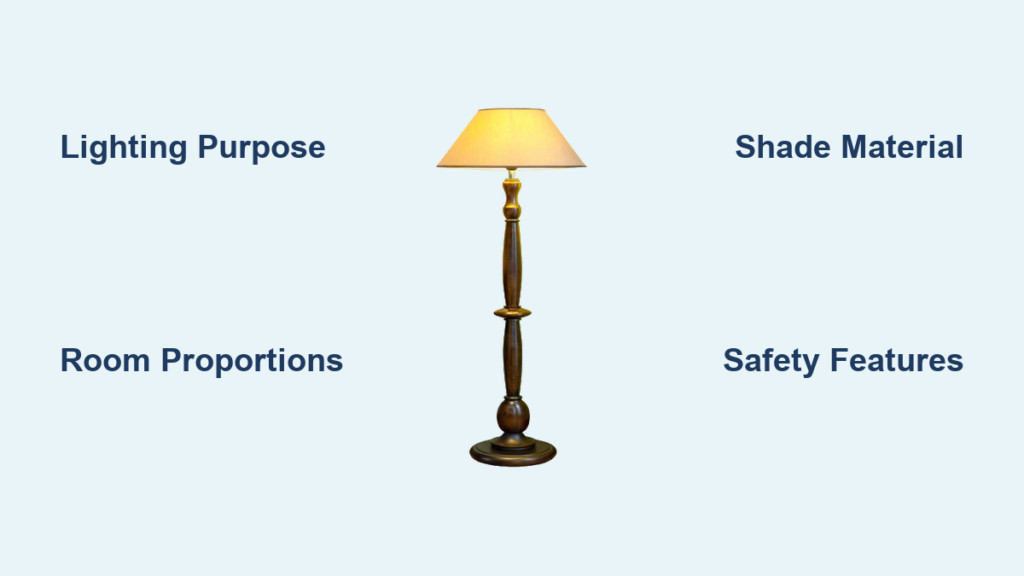
Before browsing styles or prices, pinpoint the lamp’s primary purpose in your space. Is it destined for a reading nook where focused task lighting is essential? Will it provide ambient illumination in your living room’s darkest corner? Or perhaps you need accent lighting to highlight artwork or architectural features? The lamp’s intended function directly impacts your selection—task lamps require directional lighting with brighter bulbs, while ambient lamps benefit from diffused light that creates atmosphere without glare. Don’t make the common mistake of buying a decorative lamp for a task-oriented space; your eyes will thank you for matching the lamp’s capabilities to its intended use.
Analyze Your Room’s Existing Light Conditions
Take inventory of your space’s natural and artificial lighting before selecting a floor lamp. Rooms with large windows and ample daylight might only need supplemental lighting during evenings, while windowless spaces could require your floor lamp to serve as a primary light source. Consider how light moves through your room throughout the day—does afternoon sun flood one corner while another remains perpetually shadowed? Your floor lamp should address these specific lighting gaps rather than compete with existing light sources. Darker rooms with limited natural light benefit from lamps with wider light distribution or higher-lumen bulbs, while well-lit spaces might only need subtle accent lighting.
Calculate Your Required Brightness Level
Different activities demand different light intensities, and selecting the wrong brightness creates either eye strain or insufficient illumination. For reading and detailed tasks, you’ll need focused light between 400-800 lumens directed precisely where needed. General ambient lighting for relaxation typically works best with softer, diffused light around 200-400 lumens. Consider whether you need adjustable brightness—many modern lamps offer dimming capabilities or multi-level switches that let you transform a bright task lamp into a gentle mood setter with the flick of a switch. The lamp’s shade material and design significantly impact light diffusion, so factor this into your brightness calculations.
Select the Right Style That Complements Your Decor
Match Lamp Design to Your Existing Interior Aesthetic
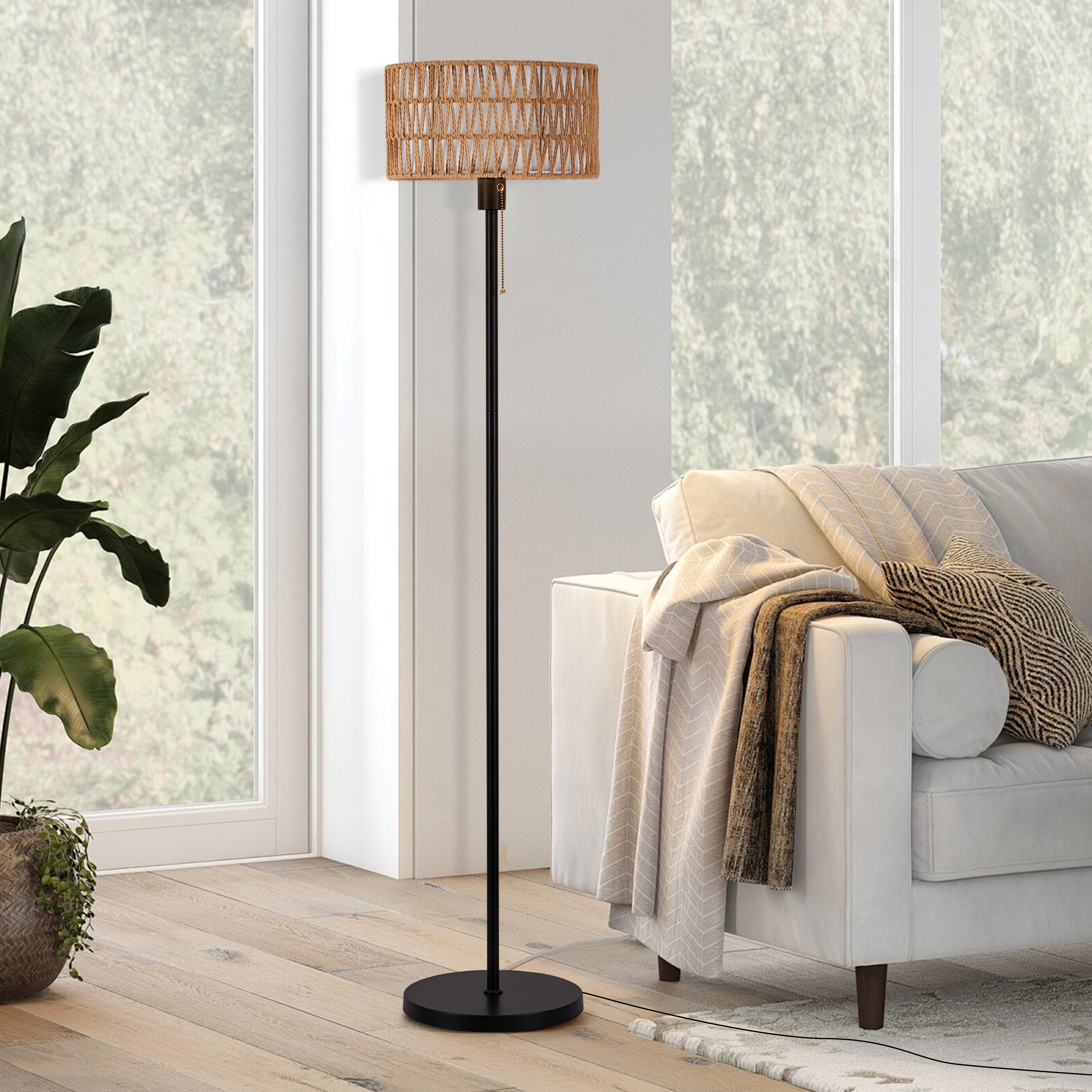
Your floor lamp shouldn’t look like an afterthought but rather an intentional extension of your room’s design language. Modern minimalist spaces benefit from clean lines and simple silhouettes like arched lamps with metal finishes, while traditional rooms might call for tripod designs or lamps with fabric shades and wooden bases. Industrial lofts pair well with exposed bulb designs and raw metal finishes, whereas bohemian spaces embrace woven textures and organic shapes. Don’t fall into the trap of choosing a lamp solely because it’s trendy—select one that harmonizes with your current decor rather than fighting against it. A well-chosen lamp becomes a cohesive element that ties your entire room together.
Get the Proportions Perfect for Your Space
Nothing ruins a room’s balance like a floor lamp that’s dramatically oversized or comically undersized for its location. Measure the space where your lamp will live and consider its relationship to surrounding furniture. A general rule: the lamp’s height should complement nearby seating—typically with the bottom of the shade at eye level when seated, about 40-48 inches from the floor. In rooms with high ceilings, taller lamps (70+ inches) create vertical interest without overwhelming the space, while standard-height rooms (8-9 feet) work best with lamps between 58-64 inches. The base width matters too—a lamp in a high-traffic area needs a stable, substantial base, while a corner lamp can feature a more delicate footprint.
Choose Lampshade Materials That Deliver Your Desired Light Quality
The lampshade acts as your light’s filter, dramatically affecting both illumination quality and aesthetic impact. Opaque shades with dark interiors create dramatic uplighting and subtle downlighting, perfect for ambient mood lighting. Translucent fabric shades produce warm, diffused illumination ideal for living spaces, while paper shades offer soft, even light distribution. For task lighting, consider shades with open tops and bottoms that maximize light output in both directions. The shade’s shape matters too—wide drum shades cast broader light patterns, while tapered or cone shapes direct light more precisely. Always check how the shade material performs with your chosen bulb type, as some materials can create unwanted glare or color distortion.
Prioritize Practical Features That Enhance Usability
Select the Most Convenient Control System for Your Lifestyle
How you’ll interact with your lamp daily should influence your switch selection. Traditional flip switches on the base work well for lamps within easy reach, while foot pedals or pull chains offer accessibility for lamps behind furniture. For ultimate convenience, consider lamps with remote controls or smart home integration that let you adjust lighting without getting up. Dimmable options provide flexibility to transition from bright task lighting to soft ambient glow as your needs change throughout the day. If you’ll use the lamp for reading, ensure the controls are easily accessible from your seating position—nothing frustrates more than stretching across the room to adjust your light.
Evaluate Smart Features and Adjustability Options
Modern floor lamps offer features that extend far beyond basic illumination. Adjustable arms, swivel heads, and gooseneck designs let you precisely direct light exactly where needed—a must for reading lamps or task lighting. Some models include USB charging ports built into the base, eliminating the need for separate power strips. Smart lamps connect to your home ecosystem for voice control and scheduling, while others feature color temperature adjustment to match natural light cycles. Consider whether these features align with your actual needs rather than just technological appeal—sometimes a simple, well-designed lamp outperforms a feature-laden model that complicates your routine.
Ensure Your Lamp Won’t Become a Safety Hazard
In homes with children or pets, lamp stability becomes a critical selection factor. Look for lamps with wide, heavy bases that resist tipping—avoid tall, narrow designs that could easily be pulled over. Check weight specifications and read reviews specifically mentioning stability. Cord management matters too: lamps with integrated cord channels prevent tripping hazards, while those requiring extension cords create unnecessary risks. For added safety, choose lamps with shatter-resistant shades and bulbs, especially in high-traffic areas. Don’t sacrifice safety for style—a wobbly lamp might look great in photos but creates ongoing anxiety in real life.
Finalize Your Selection with Smart Buying Practices
Establish a Realistic Budget That Includes All Costs
Floor lamps range from budget-friendly options under $50 to designer pieces exceeding $500. Set a realistic budget that accounts for both the lamp and any specialty bulbs it requires—some modern designs need specific LED bulbs that cost significantly more than standard options. Remember that quality construction often justifies a higher price point through durability and timeless design. Consider the lamp as a long-term investment rather than a disposable item; a well-made lamp can last decades and adapt to changing decor styles. Don’t get trapped by cheap options that need replacing every few years—calculate the true long-term cost before making your decision.
Verify Bulb Compatibility Before Finalizing Your Purchase
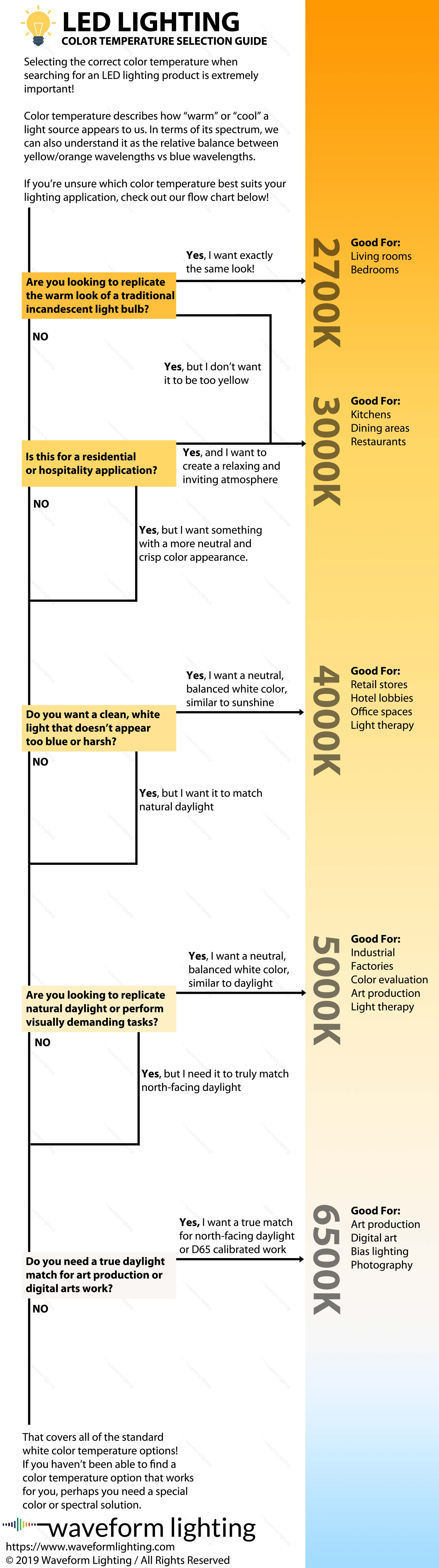
Never overlook bulb specifications when selecting a floor lamp. Check the maximum wattage rating and required bulb shape (A19, BR30, etc.) to avoid fire hazards or poor performance. For optimal energy efficiency and longevity, choose lamps compatible with LED bulbs—just verify they’re dimmable if you plan to use that feature. Some modern lamps integrate LED modules directly, eliminating bulb replacement but potentially creating future repair challenges. Consider color temperature too: warm white (2700K-3000K) creates cozy atmospheres, while daylight (5000K+) works better for task lighting. Getting the bulb right ensures your lamp performs as expected and lasts for years.
Plan for Assembly and Placement Logistics
Some floor lamps arrive fully assembled while others require significant setup—check product details before purchasing. Consider your ability to handle assembly, especially for complex models with multiple components. Measure doorways and staircases to ensure your new lamp can actually reach its destination without disassembly. For apartments or frequently rearranged spaces, look for lamps that easily break down for transport. Test the lamp’s footprint in your space using painter’s tape before finalizing your purchase—nothing’s more disappointing than bringing home a lamp that doesn’t fit your available space. Smart planning prevents returns and ensures your new lamp integrates seamlessly into your home.
Expert Tips for Guaranteed Floor Lamp Success
Measure your space twice before purchasing—know the exact height clearance and floor space available. Read customer reviews specifically mentioning real-world performance aspects like stability, true color representation, and assembly difficulty. Visualize the lamp in your space by using augmented reality apps or creating a cardboard mockup of the shade dimensions. Remember that floor lamps work best as part of a layered lighting scheme—combine with overhead lighting and table lamps for optimal illumination. Test potential lamps in person whenever possible to assess weight, stability, and light quality before committing.
The perfect floor lamp combines form and function to transform your space exactly as you envision. By methodically working through these selection criteria—lighting needs, style compatibility, practical features, and smart purchasing practices—you’ll find a lamp that not only illuminates effectively but also elevates your entire room’s design. Your ideal floor lamp awaits; now you have the precise knowledge to choose it with confidence.