
That wobbly floor lamp threatening to topple isn’t just annoying—it’s a safety hazard waiting to happen. When your floor lamp base cracks, splits, or loses stability, knowing how to fix floor lamp base issues quickly transforms a dangerous eyesore into a functional fixture. Most repairs require common tools and take under two hours, whether you’re dealing with a shattered concrete base, split wood stand, or dented metal plate. This guide delivers battle-tested solutions from emergency stabilization to permanent structural reinforcement, using only materials you can find at any hardware store. You’ll learn to diagnose the exact failure point, select the right repair method for your base material, and implement professional-grade fixes that restore rock-solid stability.
Diagnose Your Lamp Base Damage Before Repairing
Identifying the precise failure mechanism is critical before attempting how to fix floor lamp base issues. Different materials fail in distinct ways, requiring tailored solutions that address the root cause rather than just symptoms.
Crack Types and Immediate Failure Signs
Listen for unsettling sounds when moving the lamp—a hollow thunk when tapping concrete indicates internal fractures, while wooden bases often emit a splintering creak before catastrophic failure. For concrete bases, inspect for hairline cracks radiating from stress points near the pole attachment; these require immediate reinforcement to prevent total collapse. Wooden bases commonly split along the grain where moisture penetrated, visible as widening gaps between wood fibers. Metal bases develop stress fractures at weld points or show dent-induced buckling that compromises structural integrity. Never ignore minor cracks—they expand rapidly with vibration and movement, turning a 5-minute fix into a full base replacement.
Emergency Stabilization for Immediate Safety
When your lamp wobbles dangerously, implement these temporary fixes within minutes:
– Cardboard reinforcement: Cut rigid cardboard into L-shaped braces matching the base’s interior angles. Apply construction adhesive to both surfaces, press firmly into place, and clamp for 20 minutes.
– Plywood foundation: For completely detached bases, drill a 1″ hole through ½” plywood matching the base’s footprint. Slide the pole through, then secure with epoxy between pole and plywood.
– Strategic weighting: Fill hollow bases with sand or gravel through any access point, sealing temporarily with duct tape. This adds crucial ballast to prevent tipping during permanent repairs.
These emergency measures buy 24-48 hours for proper repair—never use them as permanent solutions.
Essential Tools & Materials for Permanent Repairs
Skip the guesswork with this targeted toolkit. How to fix floor lamp base successfully depends on matching materials to your specific damage type—concrete, wood, or metal require fundamentally different approaches.
Material-Specific Repair Kits
Concrete base repairs demand:
– Hydraulic cement or Quikrete 5000 for fast-setting structural patching
– Steel-reinforced epoxy putty (J-B Weld SteelStik) for crack injection
– Fiberglass mesh tape to prevent re-cracking during curing
Wood base reconstructions require:
– Waterproof wood glue (Titebond III) and penetrating epoxy for rotted areas
– Hardwood splines or bowtie keys for split stabilization
– Marine-grade polyurethane for moisture-resistant finishing
Metal base fixes need:
– Two-part steel epoxy putty for non-weldable cracks
– Bondo auto body filler for dents and surface damage
– Nickel-based brazing rods for cast iron repairs
Skip universal “repair kits”—they lack the material-specific formulations needed for structural integrity. Always wear safety glasses and gloves when grinding concrete or handling epoxies.
Repairing Cracked Concrete Bases Permanently

Concrete bases fail when vibration creates internal fractures that compromise weight distribution. How to fix floor lamp base concrete damage requires addressing both surface cracks and internal structural weakness.
Crack Injection and Reinforcement Process
- Clean and prepare: Remove all loose debris with a stiff brush and compressed air. For deep cracks, use a utility knife to undercut edges into a “V” shape.
- Inject structural epoxy: Load thin-viscosity epoxy into a syringe and slowly fill the crack from bottom to top. Insert small steel rods (dowels) every 2″ across the crack before epoxy sets.
- Surface seal: Apply concrete patching compound with a putty knife, embedding fiberglass mesh for reinforcement. Smooth with a damp sponge before curing.
For bases shattered beyond 50% repair, recast the entire base: Remove old concrete, create a cardboard mold around the pole, mix concrete with lead shot for extra weight, and pour slowly while vibrating the mold to eliminate air pockets. Maintain perfect levelness during the 24-hour cure.
Fixing Split Wooden Bases Without Replacement
Wood splits occur when moisture causes uneven expansion or impact creates grain separation. How to fix floor lamp base wood damage requires internal reinforcement that mimics natural wood strength.
Laminated Reinforcement Technique
- Expand the crack: Gently twist a chisel to open the split 1/8″, removing all debris with compressed air.
- Inject consolidating epoxy: Apply thin epoxy with a syringe deep into the crack, then pack sawdust from the same wood species into the void.
- Install structural splines: Cut hardwood bowtie keys to fit across the split. Glue into slots cut perpendicular to the crack, then clamp overnight.
For rotted sections, excavate damaged wood completely, fill with epoxy-sawdust paste, and laminate new wood blocks using waterproof glue. Always finish with marine varnish to prevent future moisture damage.
Repairing Damaged Metal Bases Without Welding
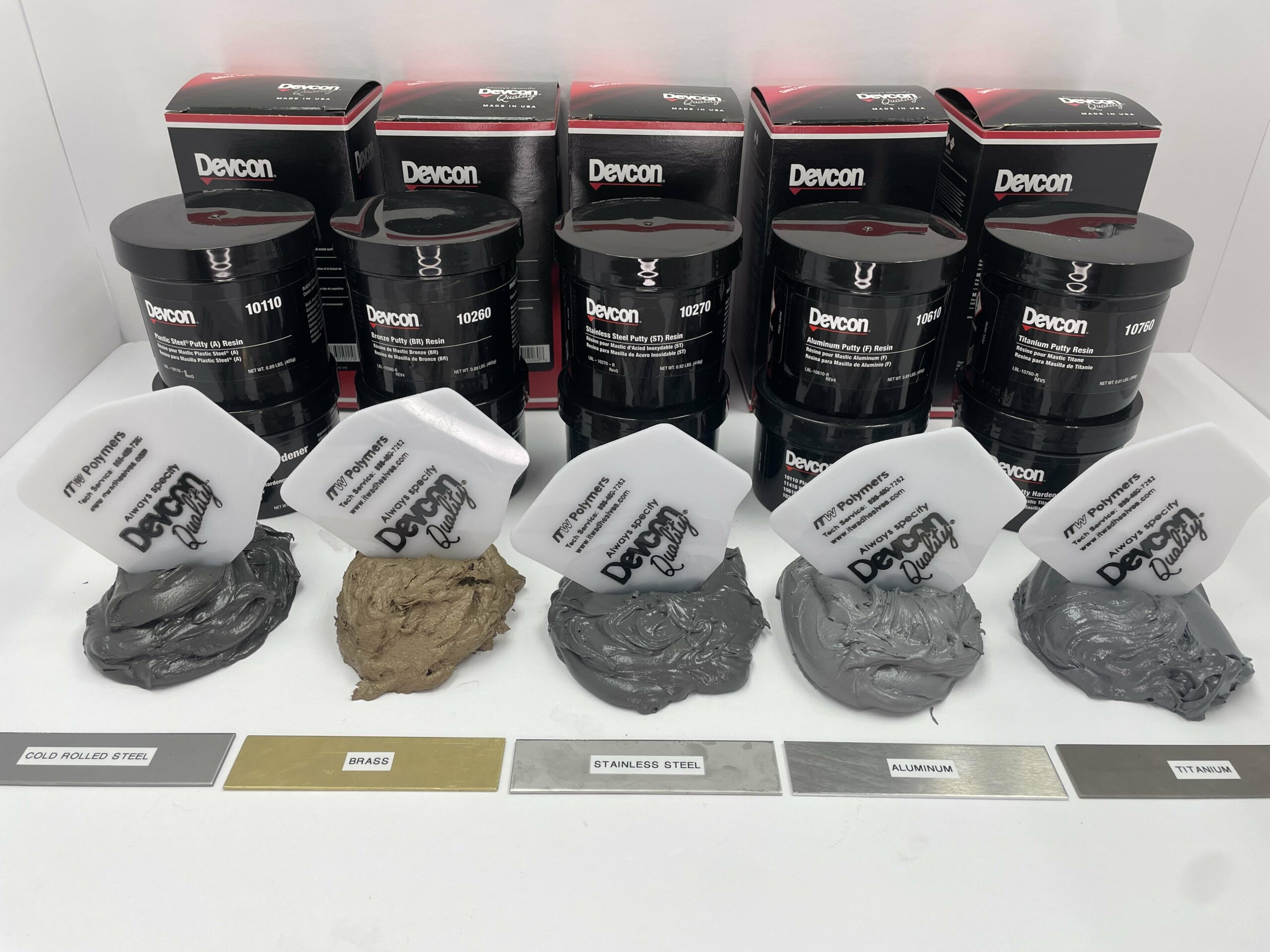
Metal bases dent or crack at stress points near the pole attachment. How to fix floor lamp base metal damage requires solutions that handle vibration without specialized welding equipment.
Epoxy-Based Structural Repair
For cracks under 1/4″ width:
– Grind crack edges to bare metal using an angle grinder
– Mix steel-reinforced epoxy putty to peanut butter consistency
– Force epoxy deep into the crack with a putty knife
– Apply external gusset plates cut from aluminum sheet, bonding with additional epoxy
For dents in cast iron:
1. Hammer out the dent from inside the base using a ball-peen hammer
2. Fill remaining imperfections with Bondo auto body filler
3. Sand smooth and apply rust-inhibiting primer before spray painting
Critical safety note: Never attempt electrical work on metal bases until verifying no conductivity exists between the base and wiring with a multimeter.
Socket Replacement and Electrical Safety Checks
Base repairs often expose wiring vulnerabilities. How to fix floor lamp base electrical issues requires systematic component testing before reassembly.
Socket Replacement Protocol
- Unplug lamp and verify zero voltage with a multimeter
- Remove shade and harp, then unscrew socket shell
- Photograph wire positions: Ribbed/striped wire (neutral) connects to silver screw; smooth wire (hot) to brass screw
- Disconnect old socket and attach new one using identical wiring configuration
- Test with multimeter for continuity before reassembly
Always replace frayed cords with 18/2 SJTW wire and install strain relief fittings where the cord exits the base. Never bypass electrical safety for aesthetic reasons—faulty wiring causes 15% of home lamp fires.
Weighting and Stability Upgrades After Repair
A repaired base needs enhanced stability to prevent recurrence. How to fix floor lamp base long-term means adding strategic ballast that counters tipping forces.
Internal Weighting Solutions
- Lead shot injection: Pour #8 lead shot into hollow bases through any access point, sealing with epoxy for dense, vibration-resistant ballast
- Steel washer stack: Glue precision washers into concentric rings at the base bottom using epoxy for adjustable weight
- Tungsten-epoxy composite: Mix tungsten powder with epoxy for maximum weight in minimal space (ideal for slim-profile bases)
For concrete bases, embed steel rebar during recasting. Test stability by applying 5 lbs of lateral force at lamp height—properly weighted bases shouldn’t tilt more than 5 degrees.
Final Safety Verification and Maintenance
How to fix floor lamp base repairs are incomplete without rigorous safety validation. Skip this step and you risk electrical hazards or collapse.
Post-Repair Safety Checklist
- Electrical test: Use multimeter to confirm no continuity between base and live wires
- Stability test: Apply 10 lbs of force at 3 ft height—lamp should return to vertical position
- Visual inspection: Check for sharp edges, loose components, or uncured adhesives
- Cure verification: Allow 72 hours for full epoxy/concrete strength development
Implement quarterly maintenance: tighten all hardware, inspect wiring for brittleness, and clean dust from internal components with compressed air. Apply UV-protectant clear coat annually to painted surfaces.
Final Takeaway: Mastering how to fix floor lamp base issues transforms a hazardous situation into an opportunity for lasting improvement. By diagnosing the exact failure mechanism, applying material-specific structural repairs, and adding strategic weighting, you create a lamp that’s safer and more stable than factory-original. Remember that concrete requires crack injection with steel reinforcement, wood needs epoxy consolidation with splines, and metal demands gusset plates with industrial epoxy—never use one-size-fits-all solutions. Most critical repairs take under two hours with basic tools, but always prioritize electrical safety verification. With these professional techniques, your repaired lamp won’t just stand upright—it’ll become a durable fixture that withstands years of daily use.