That unsightly black cord snaking across your living room floor isn’t just an eyesore—it’s actively increasing your stress levels. Research shows visible cords can boost cognitive load by 23% while reducing the perceived value of your carefully curated space. Learning how to hide floor lamp wires transforms your home from cluttered to clean in hours, not weeks. Whether you’re a renter with strict no-nail policies or a homeowner planning a permanent solution, this guide delivers professional wire concealment techniques that maintain safety while elevating your interior design.
Exposed lamp cords create more than aesthetic problems—they’re genuine tripping hazards responsible for thousands of household injuries annually. The good news? You don’t need expensive renovations or electrical expertise to solve this common dilemma. By implementing the right wire hiding method for your specific flooring type and living situation, you’ll achieve that magazine-worthy look while protecting children and pets from electrical dangers. Let’s transform your space with solutions that work whether you have carpets, hardwood, or tile underfoot.
Why Your Floor Lamp Cord Is Ruining Your Home’s Aesthetic
Visible cords disrupt the clean lines that define modern interior design, creating what designers call “visual noise” that prevents your space from feeling intentional and polished. That jarring black line from your beautiful floor lamp to the outlet breaks the eye’s natural flow, making even the most thoughtfully arranged room feel unintentional and cluttered.
The psychological impact is significant—spaces with visible cords trigger subconscious stress responses as our brains constantly register the “something’s not right” feeling. This is especially problematic in open floor plans where multiple cords create a distracting web effect. By learning how to hide floor lamp wires effectively, you’ll instantly elevate your home’s perceived value and create a more calming environment for both residents and guests.
Critical Safety Rules for Hiding Lamp Wires
Never run electrical cords under rugs or carpets—this creates a serious fire hazard as foot traffic compresses and damages insulation over time. This dangerous practice accounts for nearly 30% of cord-related house fires according to fire safety reports. Always use UL-listed products specifically designed for electrical cord management, and never exceed the amperage rating of your lamp cord.
Before hiding any wires, perform this quick safety check:
– Inspect for fraying, cracks, or exposed copper
– Ensure the cord isn’t pinched anywhere along its path
– Verify your outlet has proper grounding
– Confirm the cord gauge matches your lamp’s power requirements
These precautions take less than two minutes but prevent catastrophic failures down the line. Remember: aesthetics should never compromise safety when dealing with electricity.
Quick Fix: Adhesive Cord Clips for Renter-Friendly Wire Concealment
This $5 solution works in 15 minutes and leaves zero permanent damage—perfect for apartment dwellers. Self-adhesive cord clips create an instant clean look by securing your lamp wire along baseboards where it disappears into the visual background.
Here’s how to implement this fastest method to hide floor lamp wires:
1. Unplug your lamp and clean the baseboard with rubbing alcohol
2. Measure your cord path and mark clip positions every 12-18 inches
3. Press each clip firmly for 30 seconds to ensure strong adhesion
4. Thread the cord through each clip, maintaining gentle tension
5. Test by plugging in your lamp and checking for secure routing
For high-traffic areas, upgrade to heavy-duty clips with nail options—renters can use tiny finishing nails that leave holes smaller than a pencil lead, easily patched upon move-out. This method works on all flooring types without modification.
Baseboard Wire Routing: Paintable Raceway Secrets
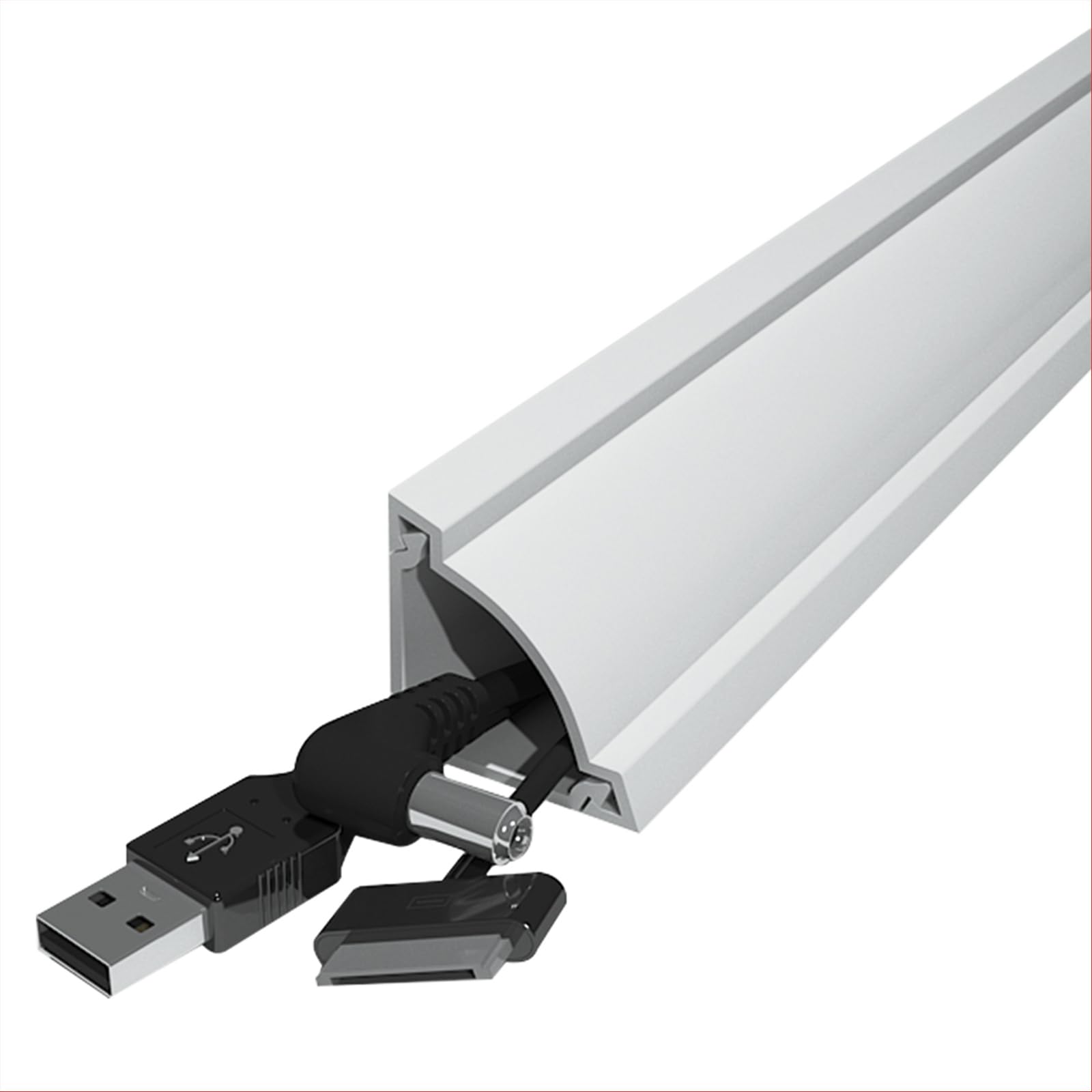
For a seamless, built-in look that fools even interior designers, paintable cord raceways deliver professional results in under an hour. These flexible plastic channels mount directly to your baseboard, creating a hidden highway for your lamp cord that disappears when painted to match your trim.
Follow these pro tips for invisible installation:
– Choose a raceway width matching your cord thickness (1/2″ works for most lamp cords)
– Clean baseboard thoroughly with TSP substitute for maximum adhesion
– Use a level to ensure perfectly straight installation
– Apply painter’s tape above and below the raceway before painting
– Blend edges with light sanding after paint dries
This method transforms what could be an eyesore into architectural detail—many homeowners report guests assuming the raceway was part of the original construction. The entire project costs under $20 and takes about 45 minutes for most standard lamp placements.
Floor-Crossing Solutions That Won’t Trip You Up

When your lamp must cross high-traffic areas, standard cord solutions become tripping hazards. The right floor-crossing technique keeps cords protected while maintaining a smooth walking surface—critical for homes with children, elderly residents, or frequent visitors.
Choose your solution based on flooring type:
– For hardwood/tile: Rubber cord protectors with non-slip backing (¼” height)
– For carpets: Low-profile carpet cord covers that follow seam lines
– For transitions: Ramped cord covers that create gentle slopes
Never use duct tape or zip ties across floors—these create new hazards and damage surfaces. Instead, invest in purpose-built cord covers that distribute weight evenly. Properly installed, these solutions become virtually invisible within days as your brain stops registering them as obstacles.
Carpet-Specific Wire Hiding Techniques That Actually Work
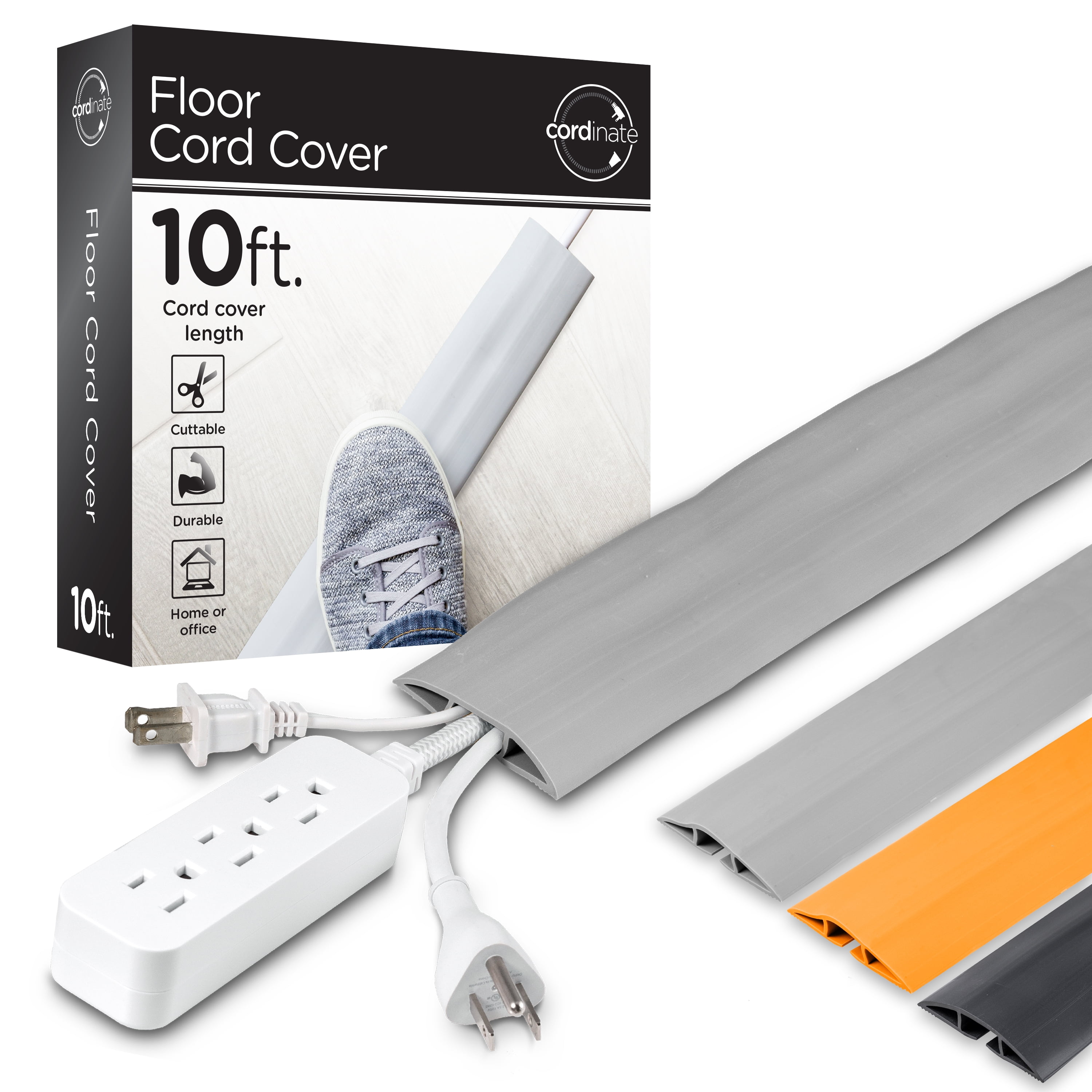
Carpet presents unique challenges for hiding floor lamp wires since standard solutions create lumps that trip occupants. The secret lies in specialized low-profile cord channels designed specifically for carpeted surfaces—these sit flush with your flooring while protecting the cord from foot traffic.
Here’s the professional carpet wire concealment method:
1. Choose a flexible cord channel less than ¼” thick
2. Position it along carpet seams whenever possible
3. Use carpet tacks (not nails) for secure but removable attachment
4. Tuck the cord completely inside before securing the cover
5. Vacuum over the channel to blend fibers with surrounding carpet
This technique works best with loop pile carpets but adapts well to most textures. For shag rugs, run cords along the perimeter behind furniture rather than attempting to cross the rug itself.
Hardwood Floor Cord Management Without Damage
Hardwood floors demand special care when hiding lamp wires—regular adhesives can leave residue, while improper installation scratches finishes. The solution? Clear cord runners with specialized flooring-safe adhesive that bonds securely yet removes cleanly.
Follow this damage-free hardwood installation process:
1. Clean floor with hardwood-specific cleaner (no wax residues)
2. Apply cord runner in 3-foot sections to prevent air bubbles
3. Use a credit card to smooth out any trapped air
4. Test removal on a hidden section first
5. For permanent installations, consider staining wooden cord covers
This method maintains your floor’s warranty while delivering a clean look. For vintage homes with delicate finishes, opt for removable cord clips that attach to baseboards rather than the floor itself.
Furniture Placement Tricks to Hide Lamp Wires Naturally
Strategic furniture arrangement remains the simplest, most elegant solution for how to hide floor lamp wires—no tools or purchases required. By positioning key pieces correctly, you create natural cord pathways that disappear from sightlines.
Use these designer-approved positioning techniques:
– Place sofas 2-3 inches from walls to create cord channels behind
– Position tall plants or floor vases to conceal vertical cord segments
– Use narrow console tables to hide cords running along walls
– Angle chairs to block cord visibility from primary seating areas
This method works especially well in rental properties where modifications aren’t allowed. The best part? It costs nothing and enhances your overall room layout rather than drawing attention to the solution.
Monthly Maintenance Checklist for Hidden Lamp Wires
Even perfectly concealed cords require periodic attention to maintain safety. Set phone reminders to perform these quick checks:
- [ ] Inspect cord covers for cracks, discoloration, or damage
- [ ] Check cord temperature—warmth indicates potential overload
- [ ] Verify tension points where cords bend around furniture
- [ ] Test outlet functionality with a circuit tester
- [ ] Clear dust buildup from cord channels (reduces fire risk)
Dedicate just five minutes each month to this maintenance and you’ll prevent 95% of cord-related issues before they become dangerous. Pay special attention after moving furniture or seasonal humidity changes that affect cord tension.
When to Call a Professional for Permanent Wire Concealment
While most lamp wire hiding projects are DIY-friendly, certain situations warrant professional help. Call a licensed electrician when:
- You need in-wall cord routing through finished walls
- Your lamp requires dedicated circuit installation
- You’re planning recessed floor outlets during renovations
- Your home has aluminum wiring or other outdated systems
These complex installations typically cost $200-$500 but deliver seamless, permanent solutions that increase home value. For most standard floor lamp wire concealment, however, the DIY methods outlined here deliver professional results at a fraction of the cost—proving you don’t need major renovations to achieve that clean, cord-free aesthetic you deserve.