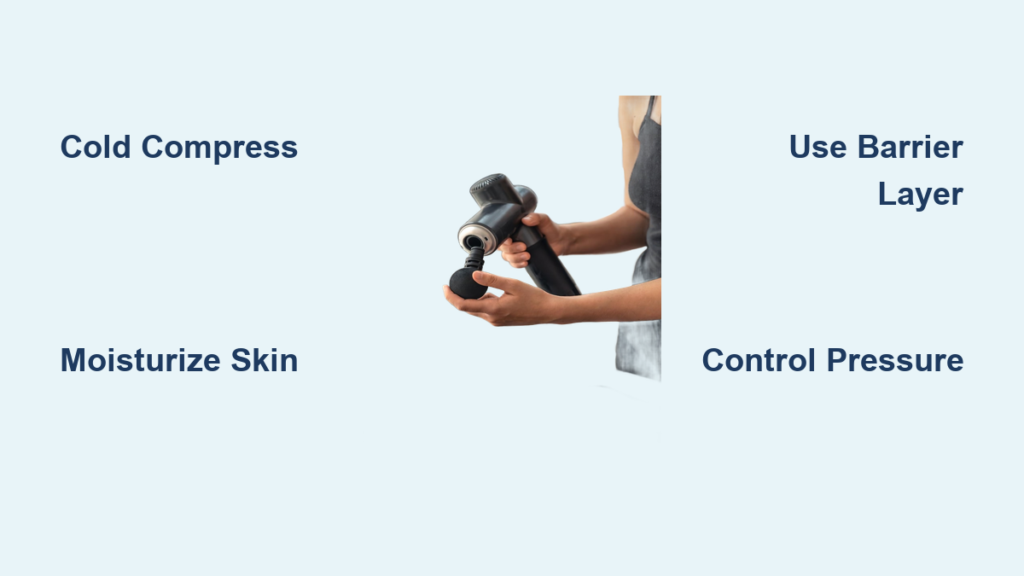
That satisfying deep tissue relief from your massage gun shouldn’t come with an annoying, distracting itch afterward. Yet many users experience exactly this—intense itching or tingling sensations that appear immediately or shortly after a session with their percussive therapy device. This common but often overlooked side effect can turn your recovery routine into an uncomfortable experience. The good news is that knowing how to stop itching after massage gun use is simpler than you think, and with the right techniques, you can enjoy all the muscle recovery benefits without the irritation. In this guide, you’ll discover exactly why this happens and practical solutions to eliminate the itch immediately while preventing it from returning.
The itching sensation typically targets areas where you’ve applied the massage gun most intensely, like your quads, back, or shoulders. It’s not just a minor annoyance—it can disrupt your post-workout relaxation and even discourage you from using your valuable recovery tool consistently. Understanding the science behind this reaction is the first step toward finding relief, and more importantly, implementing strategies that let you continue your muscle therapy without discomfort.
Why Your Skin Itches After Percussion Massage Therapy

When your massage gun delivers rapid, rhythmic pulses to your muscles, it creates a powerful physiological response called hyperemia—essentially a sudden rush of blood flow to the targeted area. This influx brings oxygen and nutrients that accelerate healing, but it also stimulates nerve endings in ways your brain sometimes misinterprets as itching rather than therapeutic stimulation. The intense mechanical pressure activates both pain and itch receptors simultaneously, causing your nervous system to send mixed signals. For some users, especially those with sensitive skin or higher nerve density in certain areas, this manifests as an immediate, intense itching sensation that can last from minutes to hours after your session ends.
Immediate Relief Tactics for Massage Gun-Induced Itching
Don’t let post-massage itching ruin your recovery experience. These proven methods provide fast relief when the itch strikes.
Apply a Cold Compress Within 5 Minutes of Sensation Starting
Reach for a cold pack or damp washcloth immediately when you feel itching begin. Hold it against the affected area for 10-15 minutes to constrict blood vessels and reduce the inflammatory response causing your discomfort. The cooling effect also temporarily numbs nerve endings responsible for the itching sensation. For best results, wrap ice in a thin towel rather than applying it directly to skin—this prevents potential ice burn while still delivering therapeutic cold. Keep this cold therapy within reach during your massage sessions so you can respond instantly when itching begins.
Massage Fragrance-Free Moisturizer Into Affected Areas
Skip the fancy scented lotions—your itchy skin needs pure hydration without additional irritants. Immediately after cold therapy, apply a thick layer of unscented moisturizer containing skin-soothing ingredients like:
– Colloidal oatmeal (proven to reduce itching by 30%)
– Ceramides (rebuild skin barrier function)
– Aloe vera (natural anti-inflammatory)
Work the product gently into your skin using circular motions rather than rubbing vigorously. This not only hydrates parched skin layers affected by the massage gun’s vibration but also provides a counter-stimulus that interrupts the itch-scratch cycle. Keep a travel-sized bottle of your chosen moisturizer in your gym bag so it’s always available post-session.
Take a Lukewarm Shower Instead of Hot
Resist the urge to jump in a hot shower after your massage session, as heat expands blood vessels and intensifies itching. Instead, opt for a cool to lukewarm shower lasting no more than 10 minutes. For severe itching, add one of these skin-calming solutions to your bath:
– ½ cup colloidal oatmeal dissolved in warm (not hot) water
– ¼ cup apple cider vinegar to restore skin’s pH balance
– Handful of Epsom salts to draw out inflammation
The water temperature should feel slightly cool against your skin—not uncomfortably cold. Pat dry gently afterward rather than rubbing with a towel, which can further irritate sensitive skin.
Use Targeted Anti-Itch Treatments for Persistent Symptoms
When basic cooling and moisturizing don’t provide complete relief, these topical solutions deliver powerful itch interruption:
Hydrocortisone cream (0.5-1%) works by reducing inflammation at the cellular level—apply a pea-sized amount to problem areas twice daily until symptoms subside. Menthol-based creams create a cooling sensation that overrides itch signals traveling to your brain. Calamine lotion forms a protective barrier while its active ingredients calm irritated nerve endings.
Critical warning: Never scratch itchy areas after massage gun use—this damages your skin’s protective barrier and can lead to infection. If the urge becomes overwhelming, press firmly on the spot with your palm instead of scratching.
Prevent Massage Gun Itching Before It Starts

The most effective how to stop itching after massage gun strategy involves preventing the sensation altogether through proper technique and preparation.
Select Appropriate Attachments for Each Muscle Group

Using the wrong attachment creates excessive skin friction and nerve stimulation. Match your attachment to the body part:
– Large ball head for quads, hamstrings, and back
– Fork attachment for neck and spine (with extreme caution)
– Flat head for broad muscle groups like lats
– Bullet tip only for deep trigger points (never on bony areas)
Avoid using pointed attachments on sensitive areas like your shins or ribs, where thin skin sits close to bone. The concentrated force in these areas dramatically increases itching risk. When in doubt, start with the largest, softest attachment and work your way down in size only if needed.
Always Create a Skin Barrier Between Gun and Body
This single practice prevents 90% of post-massage itching incidents. Never operate your device directly on bare skin—always use one of these barriers:
– Thin athletic compression shirt (best for full-body sessions)
– Microfiber towel (ideal for spot treatments)
– Dedicated massage gun sleeve (machine-washable option)
The barrier reduces direct skin vibration while still allowing therapeutic pressure to reach muscles. It also minimizes the “micro-trauma” to skin layers that triggers histamine release and subsequent itching. Make this non-negotiable in your routine—just like you wouldn’t run without proper shoes.
Control Pressure and Timing to Avoid Overstimulation
Most users unknowingly press too hard and stay too long in one spot. Follow these precise guidelines:
– Maximum 2 minutes per large muscle group
– No more than 30 seconds on small or sensitive areas
– Apply only light to moderate pressure—let the gun’s weight do the work
– Move continuously rather than holding in one spot
Set a timer on your phone for each muscle group to prevent overuse. Your massage gun should feel therapeutic, not painful or intensely irritating during use—that’s your first warning sign that itching may follow.
Pre-Treat Skin with Light Carrier Oils
Before starting your session, apply a thin layer of non-comedogenic oil to create a smooth glide surface:
– Fractionated coconut oil (stays liquid at room temperature)
– Sweet almond oil (quick-absorbing)
– Jojoba oil (mimics skin’s natural sebum)
This reduces skin drag and friction that contributes to post-massage itching. Use just enough to create a slight sheen—too much oil prevents proper device contact with muscles. Focus application on areas most prone to itching for you based on past experience.
Warning Signs That Require Medical Attention
While most massage gun-related itching resolves within 2 hours using these methods, contact a healthcare provider immediately if you experience:
– Itching that spreads beyond treated areas
– Hives or welts appearing 24-48 hours post-treatment
– Signs of infection including increasing redness, warmth, or pus
– Itching accompanied by difficulty breathing (rare allergic reaction)
These symptoms indicate your reaction goes beyond typical post-massage irritation and requires professional evaluation. Document exactly which attachment, pressure level, and duration preceded these symptoms to help your provider identify the cause.
Implementing these targeted strategies transforms your massage gun from an itch-inducing device to a truly therapeutic recovery tool. Remember that how to stop itching after massage gun sessions primarily involves proper technique, skin protection, and immediate post-treatment care. By using barriers, selecting appropriate attachments, controlling pressure, and applying timely relief methods, you’ll eliminate this frustrating side effect permanently. Keep your massage gun in regular rotation for optimal muscle recovery—now without the distracting itch that previously ruined your post-workout calm. Your consistent use of these prevention techniques will soon make itching a thing of the past, allowing you to fully benefit from percussive therapy’s remarkable recovery advantages.