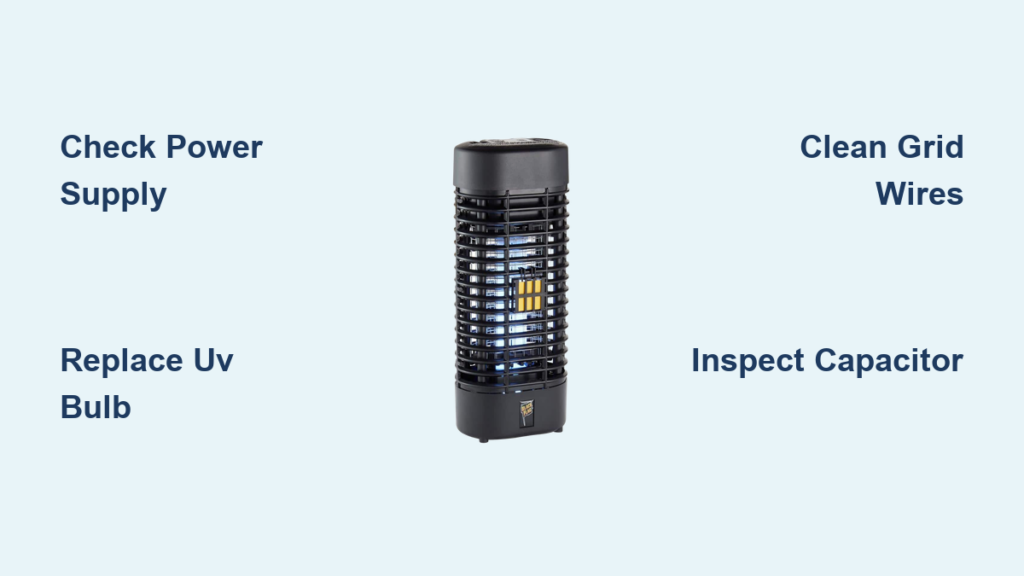
That annoying buzz of mosquitoes ruining your backyard relaxation is exactly why you invested in a Black Flag bug zapper. But when your once-reliable device falls silent and dark, leaving you defenseless against biting insects, it’s more than just inconvenient—it’s a backyard emergency. A black flag bug zapper not working properly can stem from multiple issues, from a simple dead bulb to complex electrical failures. The good news is that most problems can be diagnosed and fixed in under 30 minutes with basic tools. This guide will walk you through the exact steps to identify and resolve your bug zapper’s issues, so you can reclaim your outdoor space without needing to replace the entire unit.
Critical Safety Steps Before Fixing Your Bug Zapper
Working on a bug zapper requires serious safety precautions—these devices contain high-voltage components that can deliver dangerous shocks even when unplugged. Before you attempt any troubleshooting on your non-working Black Flag unit, follow these essential safety protocols.
Unplug and Wait: Always unplug your bug zapper from the power source before examining or touching any components. Then wait at least 5-10 minutes before opening the housing. This waiting period allows internal capacitors to discharge fully, as they can store a lethal electrical charge long after the unit is unplugged.
Use Proper Tools: When working inside the unit, use tools with insulated handles rated for electrical work. Never use standard household tools that lack proper insulation. Keep one hand in your pocket while testing any components to prevent electrical current from passing across your chest.
Check for Damage First: Before disassembling anything, inspect the exterior for obvious damage like cracked housing, melted components, or burn smells. If you detect a strong “electrical fire” odor or see significant burn marks, stop immediately and consider replacing the unit rather than repairing it.
Why Your Black Flag Bug Zapper Isn’t Attracting or Zapping Insects

Most bug zapper failures fall into three categories: power issues, UV bulb problems, or high-voltage grid failures. By following this systematic approach, you’ll quickly pinpoint what’s causing your black flag bug zapper not working properly.
Check Power Supply and Outlet First
Start with the simplest possibilities before moving to complex internal components. Plug a different device into the same outlet to verify power is reaching the socket. If using an extension cord, try plugging directly into the wall. For outdoor outlets, check if a GFCI circuit has tripped—these safety devices often trip during humid conditions.
Inspect the power cord for damage, especially near the plug and where it enters the unit. Look for kinks, cuts, or signs of animal chewing. A damaged cord requires immediate replacement for safety reasons. If your model has a built-in fuse (typically a small glass cylinder rated at 1A or 2A), test it with a multimeter for continuity. Never replace a blown fuse with a higher-rated one—this creates a serious fire hazard.
Diagnose UV Bulb Failure in Your Non-Working Bug Zapper
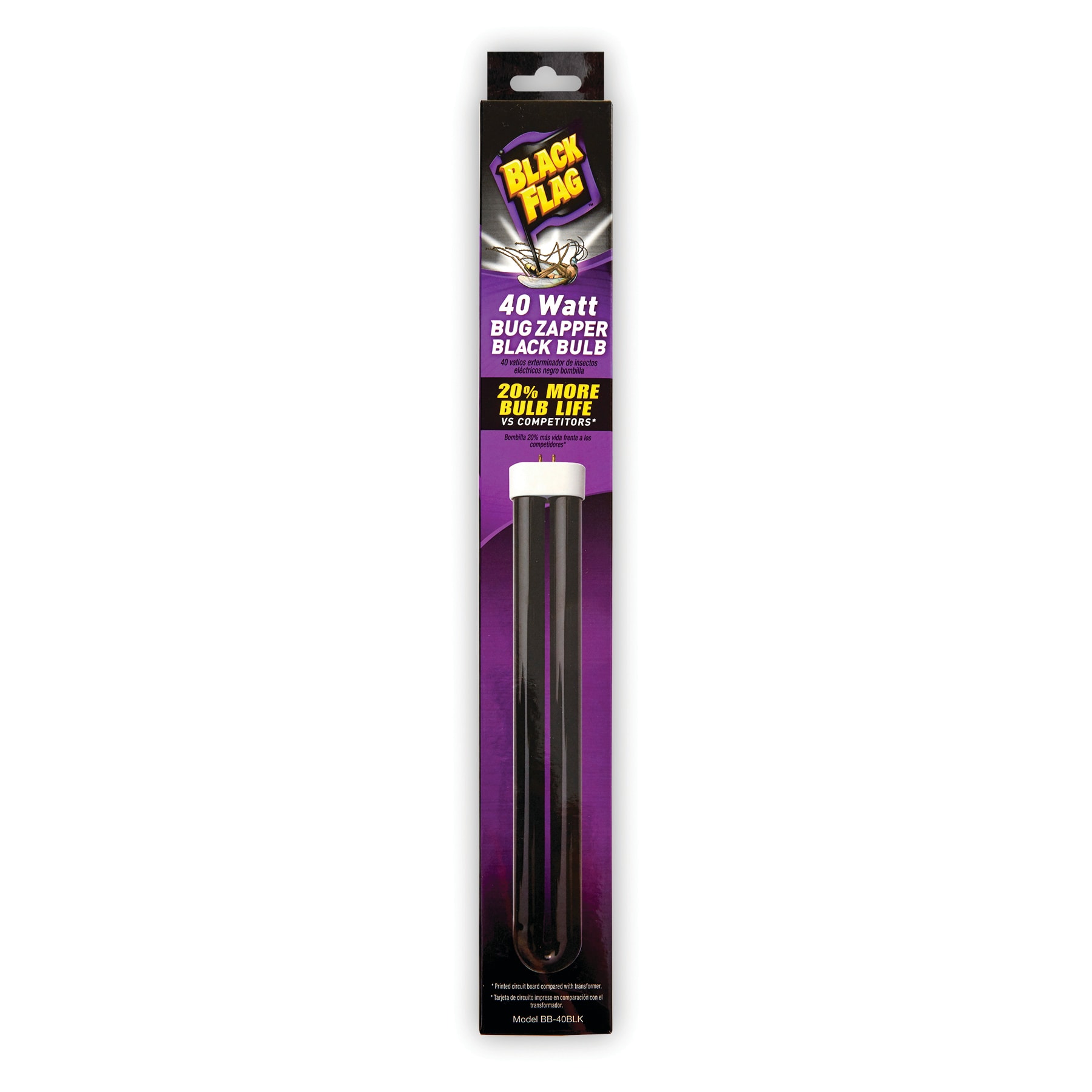
The ultraviolet bulb is your bug zapper’s primary insect attractant. When it fails, insects won’t even approach your unit, making it seem like the entire device has stopped working.
Check for visible signs of bulb failure: darkened or blackened ends, broken filaments, or a bulb that glows but appears dimmer than normal. The Black Flag BDCP912 and similar models use specific 18W UV bulbs with a 2G11 socket configuration—using an incompatible bulb won’t solve your black flag bug zapper not working issue and could damage the unit.
Pro Tip: Even if the bulb appears to glow normally, it might not be emitting the proper UV spectrum needed to attract insects. The most reliable test is to replace with a known-good bulb of the exact same specifications. If you notice insects accumulating in the catch tray after replacement, the original bulb was your problem.
Fix High-Voltage Grid Issues Causing No-Zap Problems
When your Black Flag bug zapper has power and the UV bulb works but you don’t hear the characteristic “zap” sound, the problem lies in the high-voltage grid system.
With the unit unplugged and discharged, open the housing and inspect the grid wires. Look for dead insects and debris buildup that creates conductive paths between wires, preventing the strong spark needed to kill insects. Use a small brush or compressed air to gently clean the grid—never use water or liquid cleaners near electrical components.
Check for bent or misaligned grid wires. If wires are touching each other or the metal frame, they’ll short-circuit instead of creating the proper zap. The precise spacing (typically 1/4 inch) is critical for proper operation. Important: If the grid is significantly bent, replacement is safer than attempting to straighten it, as improper spacing reduces effectiveness and creates safety hazards.
Advanced Troubleshooting for Persistent Bug Zapper Failures
If basic fixes haven’t resolved your black flag bug zapper not working problem, these advanced diagnostics will help identify more complex issues.
Diagnose Capacitor and Transformer Problems

Capacitors store the electrical charge needed for the “zap” effect. When they fail, your bug zapper may hum but won’t deliver sufficient voltage to the grid. Look for visible signs: bulging tops, leaking electrolyte, or burnt marks. Extreme caution: Never touch capacitors without verifying they’re fully discharged—these components can hold lethal charges.
The high-voltage transformer converts standard household current to the 2,000+ volts needed for the grid. If you hear no humming sound when powered on, the transformer may have failed. Transformer replacement requires electrical expertise—consider professional help or unit replacement if this component has failed.
Model-Specific Fixes for Black Flag BDCP912 Units
The popular Black Flag BDCP912 model has specific quirks that commonly cause it to stop working. This model uses a proprietary ballast system for the UV lamp, so generic replacement bulbs often cause problems. Ensure you’re using the exact 18W bulb with 2G11 base configuration.
Some BDCP912 units include a moisture sensor that automatically shuts off the device during rain. If your unit powers off unexpectedly during humid conditions, this sensor may be malfunctioning. Try relocating the unit to a drier location or covering it during heavy rain while leaving ventilation open.
When to Replace Instead of Repair Your Bug Zapper
Not every problem warrants a repair attempt. Knowing when to replace your unit saves time, money, and potential safety risks.
Replace immediately if:
– The plastic housing shows significant UV damage (brittleness, cracking, or chalky texture)
– You smell persistent burning odors after power-off
– Safety certification labels are missing or damaged
– Multiple components have failed simultaneously
Repair is worthwhile when:
– Only the UV bulb or fuse needs replacement (costs under $15)
– You’re comfortable with basic electrical components
– The unit is relatively new (less than 2 years old)
Most Black Flag bug zappers cost $30-$50 new. If professional repair would exceed $30, replacement is typically more economical. However, fixing simple issues yourself often extends your unit’s life for multiple seasons.
Prevent Future Black Flag Bug Zapper Failures with This Maintenance Schedule
Regular maintenance prevents most “black flag bug zapper not working” scenarios before they start. Follow this simple routine to keep your unit operating at peak efficiency all season.
After Every 8 Hours of Use: Turn off and unplug your bug zapper. Use compressed air to blow out dead insects and debris from the grid and collection tray. This prevents conductive buildup that causes short circuits.
Weekly During Peak Season: Remove the collection tray and UV bulb. Clean the bulb with a soft, dry cloth to maintain maximum UV output. Inspect the grid for bent wires and clean any stubborn debris with a small brush.
End-of-Season Deep Clean: Before winter storage, perform a thorough cleaning of all components. Remove the UV bulb and store it separately in a protective container. Wipe down the housing with a dry cloth and store the unit in a cool, dry place away from direct sunlight.
A well-maintained Black Flag bug zapper can last 3-5 seasons, making regular upkeep well worth the minimal effort. By following these troubleshooting steps and maintenance tips, you’ll solve most cases of a black flag bug zapper not working and enjoy pest-free evenings all summer long.
Final Note: When dealing with electrical devices, safety always comes first. If you’re uncomfortable with any repair step or if the problem persists after basic troubleshooting, consider replacing the unit rather than risking electrical hazards. Your peaceful backyard evenings are worth protecting—both from mosquitoes and from electrical risks.