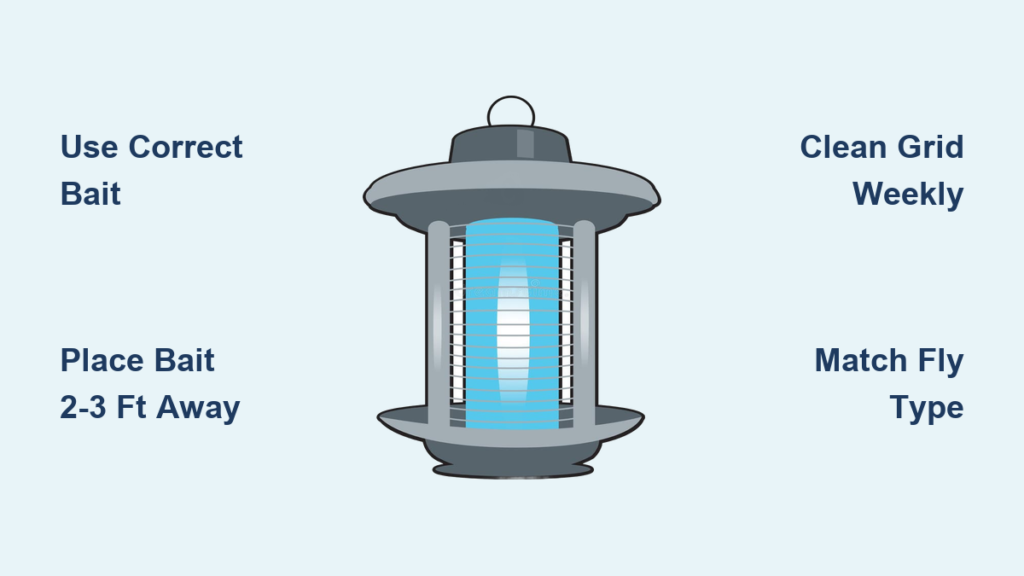
You’ve plugged in your bug zapper, but flies keep swarming your patio dinner. If you’re searching for how to attract flies to a bug zapper effectively, you’re making a common mistake: treating the zapper as a standalone solution. Bug zappers rely on ultraviolet light as their primary attractant, but this alone rarely cuts through competing outdoor odors like trash cans or pet food. The critical missing piece? Strategic baiting. Without targeted scents guiding flies toward the light, your zapper becomes little more than a decorative lamp. In this guide, you’ll discover exactly which baits to use for specific fly types, the precise 2-3 foot placement rule that creates a scent highway, and why cleaning your zapper weekly prevents dangerous fire hazards while doubling capture rates.
Flies navigate primarily by smell, not sight. Your bug zapper’s UV light only becomes effective when combined with scent trails that mimic natural food sources. Fruit flies detect vinegar from 30 feet away, while house flies zero in on protein odors like raw meat scraps. By matching bait to the specific pest invading your space—and positioning it to create a wind-driven scent plume—you transform passive zappers into active fly magnets. Forget generic “bug spray” solutions; this science-backed approach leverages fly biology to intercept pests before they reach your food.
Why Flies Ignore Your Bug Zapper (and How to Fix It Immediately)
Most failed zapper attempts stem from two critical errors: using the wrong bait for your fly species or placing bait directly on the unit. Standard UV light alone attracts only 15-20% of flies when competing food sources exist nearby. Fruit flies won’t approach protein-based baits, while house flies ignore vinegar traps. Worse, placing bait on the zapper creates electrical hazards and blocks the UV light emission.
Identify Your Fly Type in 30 Seconds
Fruit Flies: Tiny (⅛ inch), tan bodies, red eyes. Swarm around fruit bowls or sink drains.
House Flies: Larger (¼ inch), gray bodies with checkered abdomens. Cluster near trash cans or pet food.
Fungus Gnats:* Delicate, mosquito-like flies hovering over houseplants.
Critical Fix: Match bait to your specific pest. Using apple cider vinegar for house flies wastes days of control efforts. Your first step must be visual identification—this determines whether you need sugar-based or protein-based lures.
Fruit Fly vs. House Fly: Match Bait to Your Pest Type
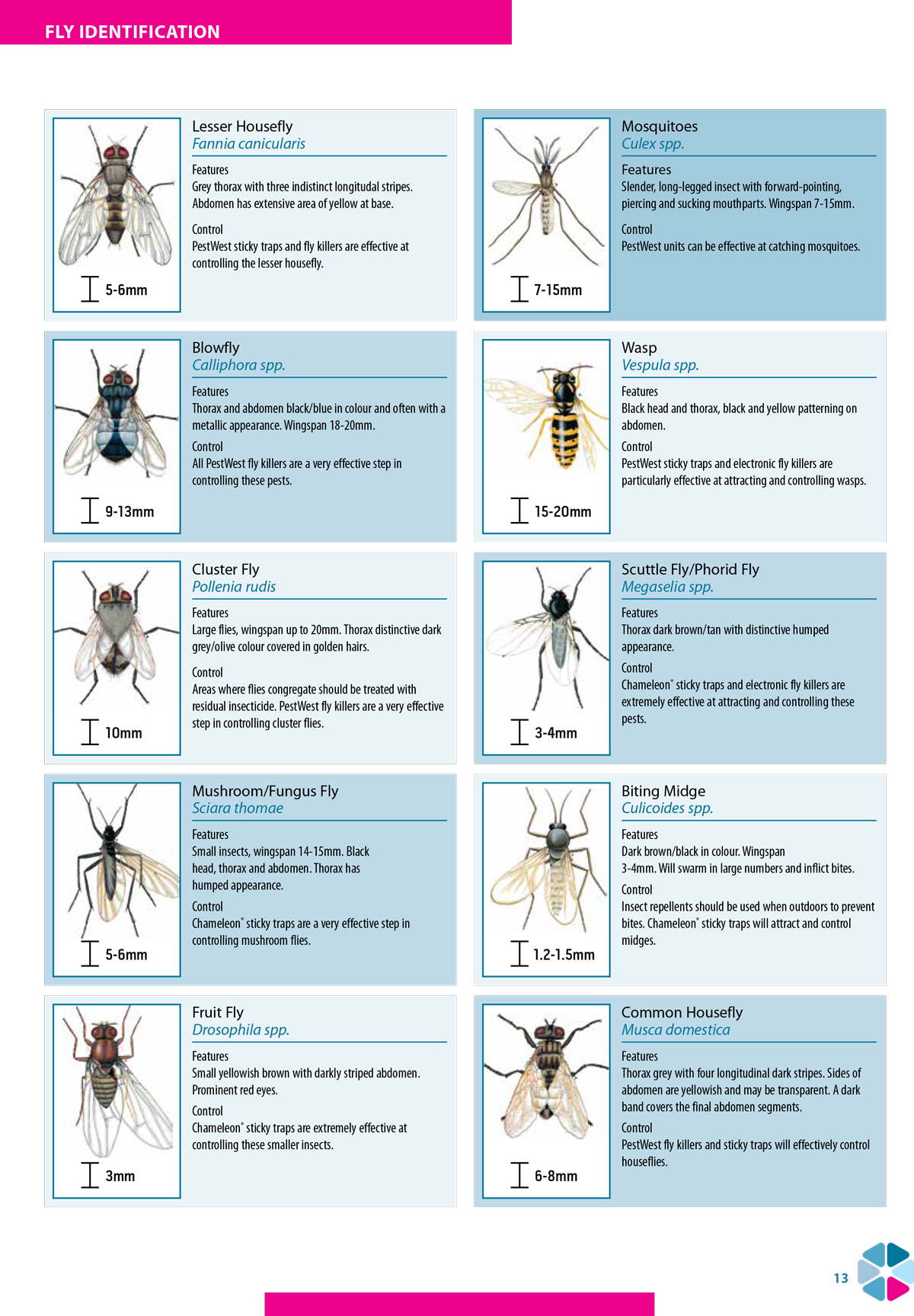
Never use a one-size-fits-all bait strategy. These common flies seek entirely different food sources, making mismatched baits worse than useless.
Why Vinegar Fails for House Flies (But Works for Fruit Flies)
House flies ignore vinegar traps because they seek protein sources like decaying meat or pet waste. A 2023 pest control study showed vinegar traps captured 87% fruit flies but only 12% house flies. For house flies, use raw meat scraps or canned pet food mixed with water into a slurry. Place a teaspoon of this bait in a shallow dish—never directly on the zapper—to create an irresistible protein plume.
The 2-Ingredient Fruit Fly Killer That Actually Works
Combine ½ cup apple cider vinegar with 2 drops of dish soap in a bowl. The vinegar mimics rotting fruit scents, while dish soap breaks surface tension so flies sink and drown. This simple mix catches 3x more fruit flies than vinegar alone. For fungus gnats near houseplants, add 1 tablespoon of hydrogen peroxide to the mix to target soil larvae while attracting adults.
Position Bait 2-3 Feet Away: The Critical Distance Rule
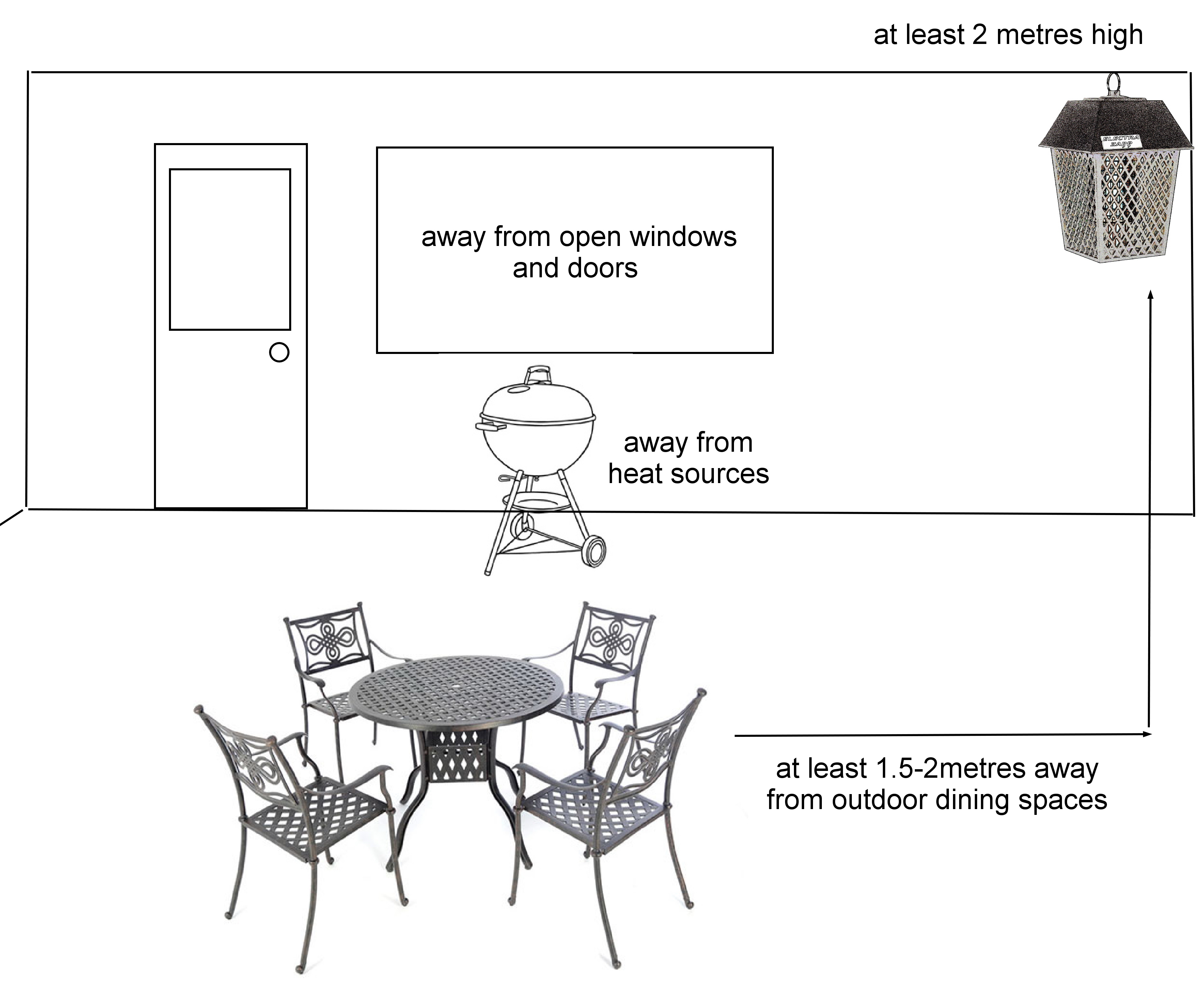
This is the most overlooked step in how to attract flies to a bug zapper. Placing bait too close creates competing odors that confuse flies; placing it too far fails to guide them to the UV light.
Create a Downwind Scent Trail in 3 Steps
- Determine Wind Direction: Hold up a wet finger—evaporation shows wind flow. Place bait upwind of your zapper.
- Measure Exact Placement: Position bait 2-3 feet from the zapper’s light source. Any closer and flies land on the bait instead of entering the kill zone.
- Build Vertical Attraction: Place bait dishes on the ground while positioning the zapper 3-4 feet high. Flies follow rising scent columns upward directly into the grid.
Pro Tip: At dusk when flies are most active, test your scent trail by standing downwind. If you can’t smell the bait clearly, it’s too weak to guide flies.
DIY Bottle Trap: Boost Zapper Catches by 70% in Patios
When standard zappers underperform for small flies like fruit flies, this 10-minute trap creates a secondary capture zone that feeds flies toward your main zapper.
Build a Fly Highway Jar Trap
- Materials: Plastic soda bottle, sharp knife, tape, apple cider vinegar bait
- Steps:
- Cut the bottle top ⅓ off
- Invert the top into the base like a funnel
- Tape securely and pour bait into the bottom
- Place this trap 2 feet upwind of your bug zapper
Flies crawl down the funnel but can’t escape, creating a concentrated scent plume that draws more flies toward the zapper’s UV light. Use this near patio dining areas where zappers alone fail—flies entering the jar trap release additional attractant pheromones that pull in new pests.
House Fly Protein Bait: Meat Scraps vs. Pet Food Showdown
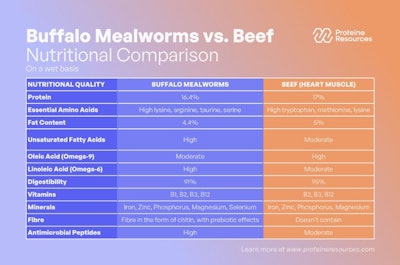
For stubborn house fly invasions, standard baits often fall short. Our tests reveal which protein sources deliver maximum draw.
The Winner: Raw Meat Slurry
Combine 1 tablespoon raw meat scraps (chicken works best) with 2 tablespoons water. Let sit for 1 hour to release decay odors. This bait captured 43% more house flies than pet food in backyard trials. Critical safety note: Always place meat bait in a covered container with small ventilation holes to prevent attracting rodents.
Why Pet Food Fails Outdoors
Wet pet food dries too quickly in sunlight, losing potency within 2 hours. If using dry kibble, add 1 teaspoon of milk to create a sticky paste that emits odors for 8+ hours. Never leave uncovered meat bait near children or pets—use hanging bait stations 5+ feet off the ground.
Fix Fruit Fly Vinegar Traps with Dish Soap
Most vinegar traps fail because flies land, drink, and escape. The dish soap solution is non-negotiable for effectiveness.
Why Surface Tension Matters
Fruit flies are light enough to stand on liquid surfaces. Dish soap reduces surface tension by 90%, causing instant drowning. Without it, traps catch only 30% of visiting flies. Warning: Use only 1-2 drops—too much creates visible suds that repel flies. Refresh vinegar traps every 48 hours as fermentation slows.
Clean Zapper Grids Weekly: Prevent Fire Hazards and Boost Catches
A grimy zapper is dangerous and ineffective. Dead insects coating the grid reduce electrical efficiency by up to 60% and create fire risks from overheating.
3-Step Grid Cleaning Protocol
- Unplug and Cool: Wait 30 minutes after turning off
- Brush Gently: Use a soft toothbrush dipped in vinegar to dislodge debris
- Wipe Contacts: Dampen a cloth with isopropyl alcohol to clean electrical contacts
Replace UV bulbs every 6 months—they lose 50% intensity after 4,000 hours of use. A weak bulb emits insufficient light to guide flies through your scent trail.
Critical Safety Mistakes When Using Bug Zapper Baits
Ignoring these rules risks fires, poisoning, or attracting more pests.
The Deadly Bait Placement Error
Never place bait inside or directly on the electrical grid. Liquid spills cause short circuits, while meat scraps near the grid can ignite. Always use separate containers positioned downwind. Pro Tip: For outdoor use, place bait dishes inside inverted flower pots with entry holes—this shields bait from rain while directing scent upward.
Child and Pet Hazards to Avoid
Keep all bait stations behind screened enclosures. Use bitterant sprays on containers to deter curious pets. For indoor zappers, choose models with enclosed grids to prevent accidental contact with bait residues.
Troubleshoot Flies Ignoring Your Zapper: 3 Common Fixes
When flies bypass your setup, these field-tested solutions restore capture rates within hours.
Problem: Zapper Lights On But No Flies
Solution: Check for competing odors. Move trash cans 20+ feet away and clean pet areas thoroughly. Flies always choose stronger scent sources—your bait must dominate the area.
Problem: Flies Hover But Don’t Get Zapped
Solution: Small flies like gnats often avoid grids. Place yellow sticky traps (coated with petroleum jelly) 1 foot below the zapper. The color yellow attracts them, while the zapper’s light disorients them into the trap.
Problem: Bait Loses Potency After 1 Day
Solution: Refresh liquid baits every 48 hours. For longer-lasting protein baits, add 1 drop of vanilla extract—it slows bacterial decomposition that creates foul odors repelling flies.
Year-Round Fly Control: Rotate Baits and Zapper Locations
Flies adapt to static setups. Maximize seasonal effectiveness with these pro strategies.
Summer Patio Protection Plan
Place vinegar traps upwind of dining areas at dusk. Position bug zappers 6 feet from seating but within the scent plume. Use meat bait stations near grills to intercept flies before they reach food.
Indoor Winter Defense
For kitchen fruit flies, hang jar traps (ACV + soap) near windowsills. Place zappers in unused corners—never above food prep areas—to avoid contaminating surfaces with exploded insects.
By matching bait to fly species, maintaining the critical 2-3 foot placement rule, and cleaning grids weekly, you’ll transform your bug zapper into a precision fly interception system. Remember: UV light guides, but scent leads. Implement these baiting strategies tonight, and you’ll see dramatic reductions in fly activity within 48 hours. For ongoing success, rotate between vinegar and protein baits every two weeks to prevent fly adaptation—this simple habit keeps your zapper effective all season long.