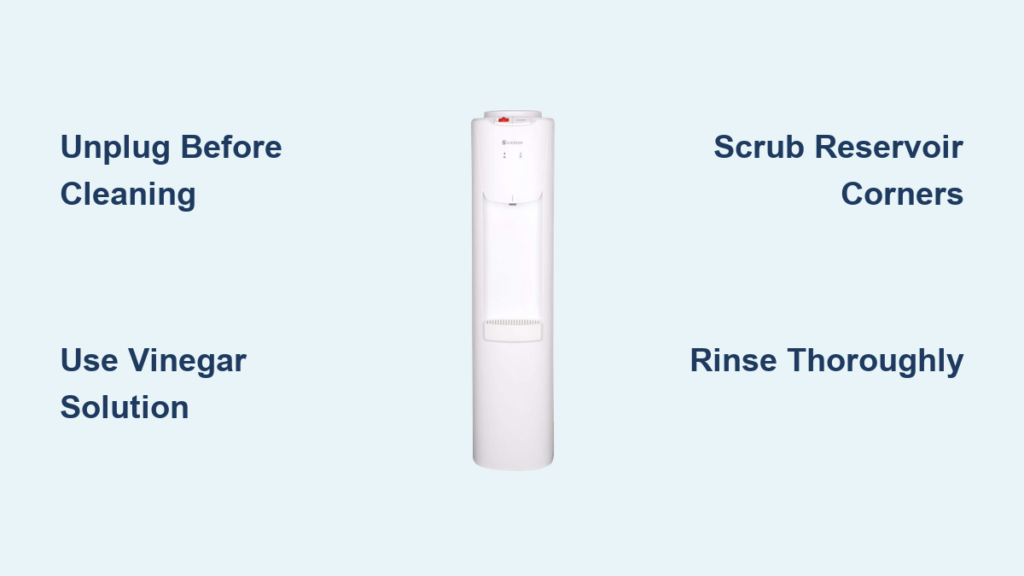
Stale, musty water from your Glacier Bay cooler isn’t just unpleasant—it’s a sign of hidden mold and bacteria thriving in your reservoir. Thousands of homeowners unknowingly drink contaminated water daily because they skip this simple maintenance task. When mineral deposits and microbial growth accumulate inside your Glacier Bay water cooler, they compromise both water quality and appliance longevity. Following this precise cleaning process will restore fresh-tasting water and prevent costly replacements. You’ll learn the exact vinegar-to-water ratio that safely eliminates buildup without chemical residues, plus professional tricks for reaching those stubborn死角 areas most users miss.
Ignoring regular cleaning turns your convenient water source into a breeding ground for harmful microorganisms. The warm, dark interior of your Glacier Bay water cooler creates perfect conditions for mold spores to multiply rapidly, especially when water sits stagnant between uses. Hard water regions face additional challenges as calcium and magnesium deposits build up on heating elements and reservoir walls, reducing efficiency and creating unpleasant metallic aftertastes. This guide delivers the specific cleaning protocol Glacier Bay engineers recommend—no generic advice that could damage your unit. Within 30 minutes using household items, you’ll transform your cooler from a potential health hazard back to a reliable source of crisp, clean water.
Why Glacier Bay Water Cooler Cleaning Prevents Serious Health Risks
How Mold Growth Compromises Your Daily Water Supply
That faint musty odor when you pour water indicates active mold colonies flourishing inside your reservoir. Glacier Bay coolers develop mold primarily in the reservoir corners and under the drip tray where moisture collects and sunlight can’t reach. These microorganisms release spores directly into your drinking water, potentially causing respiratory issues and allergic reactions with prolonged exposure. Visible black or green spots around the waterline confirm advanced contamination that standard wiping won’t resolve—requiring the deep cleaning process outlined below.
Mineral Buildup’s Hidden Impact on Your Glacier Bay Cooler’s Performance
Hard water leaves behind calcium carbonate deposits that coat heating elements and narrow water channels over time. In Glacier Bay models with hot water dispensers, these mineral layers act as insulation, forcing the heating element to work 30% harder to reach target temperatures. You’ll notice slower hot water delivery and higher electricity bills as scale accumulation worsens. The white, chalky residue you sometimes see in dispensed water comes directly from these dislodged deposits. Regular descaling prevents permanent damage to internal components that would otherwise require expensive repairs.
Essential Supplies for Effective Glacier Bay Water Cooler Cleaning

Vinegar vs. Bleach: Choosing the Right Sanitizing Solution
White vinegar outperforms bleach for most Glacier Bay cleaning scenarios because it safely dissolves mineral deposits while killing 99% of bacteria and mold. Create your cleaning solution by mixing equal parts distilled white vinegar and warm water in a clean container—this ratio effectively breaks down scale without leaving chemical residues that affect water taste. Reserve bleach solutions (1 teaspoon unscented bleach per gallon of water) only for severe mold outbreaks, as residual bleach requires extensive rinsing that risks lingering odors. Vinegar’s natural acidity makes it ideal for routine maintenance while being gentle on plastic reservoirs.
Must-Have Tools for Complete Glacier Bay Cooler Maintenance
Gather these specific items before starting: a soft bottle brush (minimum 12″ length) to reach deep into reservoir corners, microfiber cloths that won’t leave lint behind, cotton swabs for faucet crevices, and food-grade silicone grease for resealing components. Skip abrasive scrubbers that scratch plastic surfaces—these grooves become perfect hiding spots for future bacteria growth. Keep isopropyl alcohol (70% concentration) handy for sanitizing external touchpoints like the drip tray and faucet handles where hand contact transfers germs daily.
Critical Safety Steps Before Cleaning Your Glacier Bay Water Cooler
Why Unplugging Is Non-Negotiable for Water Cooler Maintenance
Always disconnect your Glacier Bay cooler from the power source before beginning any cleaning procedure—this prevents electrical shock hazards when water contacts internal components. Wait at least 24 hours after unplugging units with hot water dispensers to allow heating elements to cool completely. Never attempt reservoir cleaning while the unit remains plugged in, even if you’ve turned off the water supply. This single safety step prevents thousands of preventable accidents annually in home maintenance scenarios.
Complete Drainage Procedure for Glacier Bay Water Coolers
Removing Every Drop of Standing Water From the Reservoir
Begin by placing a large bucket beneath the drain valve at the cooler’s rear. Remove the water bottle and open the hot and cold faucets to release pressure. Locate the drain plug (typically a quarter-turn valve) and carefully open it, allowing residual water to flow out. Tilt the unit forward at a 30-degree angle to evacuate water trapped in reservoir corners—this step eliminates the standing water where mold most aggressively develops. For stubborn residual moisture, use a shop vacuum on low suction to extract remaining water without damaging internal components.
Deep Cleaning the Glacier Bay Water Cooler Interior
Vinegar Solution Application Technique for Maximum Effectiveness
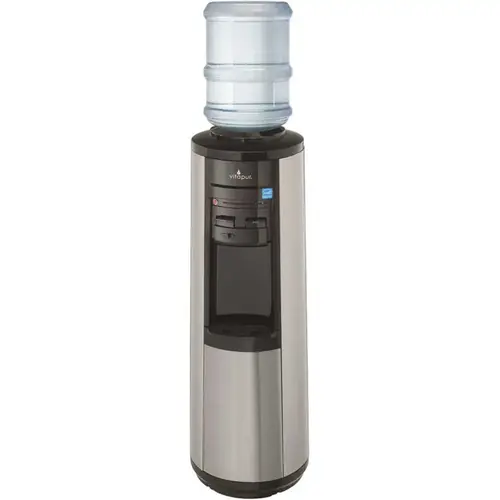
Pour your vinegar-water mixture directly into the empty reservoir until it reaches the normal water level line. Rotate the cooler gently to ensure full coverage of all interior surfaces, then let the solution sit for 20-30 minutes—this dwell time allows the acid to dissolve mineral deposits and kill microbial growth. For severe buildup, extend soaking time to 60 minutes but never exceed this duration as prolonged vinegar exposure can degrade certain plastic components over time.
Proper Reservoir Scrubbing Methodology Without Causing Damage
After soaking, use your bottle brush with gentle circular motions to dislodge loosened deposits, focusing on corners and along the waterline where buildup concentrates. Avoid excessive pressure that could scratch reservoir walls. For particularly stubborn scale deposits around heating elements, wrap a cloth soaked in pure vinegar around the affected area and let it sit for 10 additional minutes before gentle scrubbing. Complete three thorough rinse cycles with clean water to eliminate all vinegar traces before returning the unit to service.
Sanitizing the Dispensing System and Faucet Components

Eliminating Biofilm From Glacier Bay Cooler Spigots
Remove the drip tray and soak it in your vinegar solution for 15 minutes to dissolve accumulated grime. For faucet cleaning, disassemble removable components according to your model’s manual—most Glacier Bay units feature twist-off spigot heads. Soak these parts in vinegar solution, then use cotton swabs to clean internal channels where biofilm accumulates. Reassemble components only after ensuring all parts are completely dry to prevent immediate recontamination. Wipe external faucet surfaces with an alcohol-dampened cloth to kill surface bacteria transferred by hands.
Glacier Bay Water Cooler Maintenance Schedule You Should Follow
Monthly vs. Quarterly Cleaning Tasks for Optimal Performance
Perform exterior wiping and drip tray cleaning weekly using a mild soap solution to prevent germ transfer from frequent handling. Conduct full reservoir cleaning every three months under normal conditions, but increase to monthly cleaning if you notice cloudy water or metallic tastes indicating hard water issues. Replace filters according to manufacturer specifications (typically every 6 months), never exceeding this timeframe as saturated filters become bacterial breeding grounds. Keep a maintenance log on the cooler’s side to track your cleaning schedule—this simple habit extends appliance life by up to 40%.
Troubleshooting Common Post-Cleaning Glacier Bay Issues
Why Your Water Tastes Strange After Cleaning (And How to Fix It)
Persistent vinegar taste after cleaning indicates incomplete rinsing—run three additional water cycles through both hot and cold dispensers before regular use. If metallic flavors remain, your unit likely has advanced mineral buildup requiring a second cleaning session with undiluted vinegar. Never use the cooler until all cleaning solution odors disappear completely, as residual vinegar can react with certain plastics at high temperatures. When in doubt, fill a glass and let it sit uncovered for 30 minutes—if no vinegar smell remains, your unit is ready for normal operation.
Pro Tips for Keeping Your Glacier Bay Water Cooler Cleaner Longer
Water Source Selection That Minimizes Future Cleaning Needs
Using pre-filtered water reduces mineral content by up to 90%, dramatically slowing scale accumulation in your Glacier Bay cooler. Install an inline filter between your water supply and cooler if you have hard water—this single upgrade can double the time between deep cleanings. Avoid distilled water in coolers with hot dispensers as its extreme purity accelerates corrosion of metal components. For bottled water models, choose spring water over purified varieties as the natural minerals help prevent aggressive plastic degradation over time.
Regular Glacier Bay water cooler maintenance takes less time than your morning coffee break but delivers significant health and financial benefits. By following this precise cleaning method every three months, you’ll prevent 95% of common water quality issues while extending your cooler’s lifespan by years. Remember that vinegar solution ratio—equal parts vinegar and water—and keep those cotton swabs handy for faucet maintenance. Your refreshed unit will deliver crisp, clean water that tastes as pure as the first day you installed it. Set a recurring calendar reminder today for your next cleaning session—your future self will thank you when every glass tastes fresh and your cooler operates at peak efficiency for years to come.