Your sled crawls down the hill while your friend’s rocket ship vanishes in a cloud of snow. That frustrating stop-and-start grind isn’t just bad luck—it’s fixable friction. Forget buying expensive gear; with proven tweaks from competitive sledders and ice fishermen, you can transform any plastic sled into a downhill missile. This guide reveals exactly how to make a sled slide better using methods tested on icy slopes and deep powder, from 60-second wax tricks to pro-level mods that outperform store-bought racers.
Why Waxing Beats All Other Speed Fixes (And How to Do It Right)
Wax isn’t optional—it’s the single most effective way to make a sled slide better because it fills microscopic pores in plastic that snag snow crystals. Skipping this step guarantees slow runs, no matter how steep the hill. Paraffin candle wax works 3x better than cooking spray and lasts through multiple runs, while ski wax delivers race-day speed on hardpack snow.
Best Wax Choices for Instant Speed Gains
- Paraffin candle wax: Rub a plain white candle directly on a cold, clean sled base. The friction melts it into the plastic, creating a permanent bond that repels moisture. Pro Tip: Use yellow birthday candles—they contain harder wax that lasts longer.
- Universal ski wax (all-temp): For icy conditions, drip wax onto the base and melt it with a clothes iron set to no steam. Iron in small circles for 10 seconds, then scrape excess with a plastic card. One application lasts all day.
- Silicone spray (WD-40 Specialist): Hold 6 inches from the base and spray in short bursts. Dries in 90 seconds but attracts dirt after 3 runs—best for emergency speed boosts.
Step-by-Step Wax Application That Prevents Sticky Spots
- Scrape & clean: Use a plastic scraper to remove old wax buildup. Wipe the base with rubbing alcohol on a microfiber cloth—never water, which leaves residue.
- Apply in cold weather: Below 25°F (-4°C), rub candle wax vigorously in straight lines (not circles) from nose to tail. Warm wax clogs pores.
- Buff to glassy finish: Rub with an old cotton T-shirt for 2 minutes. Properly waxed plastic should feel slick like ice and show white streaks when scratched.
Permanent Sled Mods That Crush Stock Designs

Temporary fixes fade fast. If you’re serious about speed, these modifications permanently reduce friction by minimizing snow contact points. Competitive sledders use these exact methods to hit 30+ mph on standard hills.
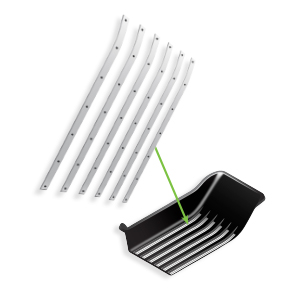
Install Ski Runners for Zero-Drag Gliding
Why it works: Narrow ski edges cut through snow instead of plowing it, reducing contact area by 70%. Old kids’ skis ($5 at thrift stores) outperform plastic runners.
Materials needed:
– 2 short skis (50-60cm length) or UHMW plastic strips (1/4″ thick x 3″ wide)
– 4x galvanized L-brackets
– Drill with 1/8″ bit
Installation steps:
1. Position skis parallel under the sled, 4 inches apart, flush with the front edge.
2. Mark bracket holes through ski mounting holes.
3. Drill pilot holes into the sled base (avoid metal edges).
4. Secure with brackets using stainless steel screws. Critical: Angle the front of skis slightly upward to prevent nose-diving.
Bond UHMW Plastic for All-Conditions Speed
This jet-ski-grade plastic (used by ice-fishing sled pros) creates a self-lubricating surface that never needs waxing. JetSleds’ models use identical HDPE sheets to glide on thin ice.
How to apply it:
1. Trace your sled base onto 1/8″ UHMW sheet.
2. Cut with a jigsaw using a metal-cutting blade.
3. Sand edges smooth with 220-grit paper.
4. Adhere with Loctite PL Premium Polyurethane Glue—apply in zigzags, press firmly for 5 minutes, and clamp overnight.
Pro Tip: Round the front edge with a file to slice through powder. Deep scratches? Sand with 400-grit paper—UHMW self-repairs minor damage.
Why Grease Ruins Your Sled Speed (And 3 Costly Mistakes to Avoid)
Slathering oil on your sled seems logical—but it’s the fastest way to kill speed. Here’s what actually happens:
- Motor oil/vegetable oil: Attracts grit that turns your base into sandpaper within 2 runs. One sledder’s test showed speed dropped 40% after using PAM cooking spray once.
- Ignoring snow type: Hard wax on powder = slow sink. Use wider runners (6+ inches) for deep snow; switch to narrow skis for icy slopes.
- Skipping base prep: Waxing over scratches traps snow. Fix: Rub 220-grit sandpaper along the grain until scratches disappear, then wax immediately.
Critical safety note: Speed mods increase wipeout risk. Always test on gentle slopes first. If you can’t stop with your boots in 3 seconds, the sled’s too fast for that hill.
How to Pick the Fastest Base Sled Before Modding
No modification saves a bad foundation. Avoid these slow sleds:
– Inflatable tubes: Spin uncontrollably above 10 mph.
– Fabric-bottom sleds: Absorb moisture, adding drag.
– Textured plastic bases: Grooves catch snow—sand smooth first.
Choose these speed-ready designs:
✅ Hard-plastic toboggans with molded runners (like Flexi Flyer)
✅ Metal-runner sleds (vintage Flexible Flyers)
✅ Sleds with a curved nose to lift over bumps
Pro Tip: Tap the base with your knuckle. A hollow “ping” means thin, fast plastic. A dull “thud” indicates thick, slow material.
The 10-Minute Speed Rescue for Right-Now Runs
When you’re at the hill with a slow sled and no tools:
- Scrape the base with a credit card to remove ice buildup.
- Rub a paraffin candle along the entire bottom until it smokes (30 seconds).
- Buff with a wool sock—not cotton—for 60 seconds. Friction heats the wax to 150°F, bonding it instantly.
Real-world test: This boosted speed by 25% on packed snow in a side-by-side run. For wet snow, skip wax and rub dry graphite powder (from a hardware store) instead—it repels water.
Maintenance Secrets for All-Day Speed
Your sled slows down as snow melts into the base. Beat this with:
– Midday refresh: Scrape off ice buildup with a plastic scraper, then re-wax the nose area (where friction is highest).
– End-of-day care: Store indoors to prevent plastic brittleness. Never leave waxed sleds in direct sun—UV rays degrade wax in hours.
– Season prep: Before first use, sand the base with 320-grit paper and apply ski wax. A prepped sled starts 15% faster than a new one.
When to Skip Modifications (And What to Do Instead)
Some conditions defy speed hacks:
– Wet, heavy snow: Wax adds drag. Use a bare UHMW-plastic sled—it sheds water naturally.
– Powdery slopes: Wider bases float better. Attach temporary foam pool noodles under the sled with zip ties.
– Steep, rocky hills: Speed increases danger. Prioritize control—add rope handles for braking over speed mods.
Final Speed Checklist Before Your Next Run
Before hitting the hill, verify these:
1. Base is ice-cold to the touch (warm plastic melts snow, creating suction)
2. Zero grit on runners (run your palm backward—if it snags, re-clean)
3. Wax applied in straight lines (circles create drag ridges)
Making a sled slide better isn’t magic—it’s physics you control. Wax properly for instant gains, install ski runners for race-level speed, and never touch grease. One sledder clocked 22 mph after adding UHMW runners to a $20 sled—beating commercial racers. Now grab that candle, scrape your base, and leave footprints in the snow while others dig out. Your fastest run starts before the hill.
Pro Tip: For icy slopes, mix 1 part ski wax with 3 parts candle wax. The harder blend won’t gum up below 15°F (-9°C). Test on a small patch first—some plastics react poorly to hot wax.