You’ve watched tractor pull competitions where massive machines roar down the track, only to suddenly stop as if hitting an invisible wall. The real star of the show isn’t the tractor—it’s the sled designed to defeat it. Understanding how does a tractor pull sled work reveals a brilliant mechanical system where weight transfer creates ever-increasing resistance, turning a simple drag into an engineering marvel that tests the limits of power and traction.
Unlike a static weight, the tractor pull sled is a dynamic machine engineered to become progressively harder to pull. As the tractor advances down the 300-foot course, the sled’s internal mechanisms work against it, transforming what seems like raw horsepower into a precise battle against physics. The moment the tractor hooks up, it’s not fighting a fixed weight but an opponent that grows stronger with every foot pulled.
This escalating challenge separates true champions from contenders, creating dramatic moments where even the most powerful machines eventually succumb. By the end of this guide, you’ll understand exactly how weight transfer mechanics determine pull distances, why certain tractor modifications succeed or fail, and what makes the sled operator’s role as critical as the driver’s.
Why Every Tractor Eventually Stops: The Weight Transfer Mechanism
The tractor pull sled’s magic lies in its ability to transform rotational motion into linear resistance. As your tractor pulls the sled forward, the wheels’ rotation powers a sophisticated system that gradually shifts massive weight toward the front, creating resistance that grows exponentially rather than linearly.
How the Pan Creates the Foundation for Resistance
The steel pan at the sled’s rear serves as the critical contact point between machine and track. Initially, this large flat plate skims lightly across the dirt surface with minimal resistance—just enough to get the wheels turning. When you first hook your tractor to the sled, you’re pulling against perhaps only 10-15% of the sled’s total weight (which can exceed 40,000 pounds). This manageable starting point allows tractors to accelerate and build momentum before the real challenge begins.
The Critical Moment When Weight Begins Moving Forward
As the sled travels down the track, its wheels rotate a drive chain connected to a powerful gearbox. This gearbox converts rotational energy into linear motion through either a massive screw mechanism or rack-and-pinion system. Within the first 20-30 feet of your pull, this system begins mechanically winching the heavy weight box forward along its track. The rate of transfer is precisely calibrated—too fast and no tractor could complete a pull; too slow and the competition loses its drama.
What Happens When Friction Exceeds Tractor Power
The real test comes when the weight transfer reaches its critical point. As the weight box moves forward, increasing pressure forces the pan’s leading edge deeper into the dirt track. This dramatically increases the coefficient of friction between steel and soil. Your tractor now faces resistance that can multiply to several times the sled’s actual weight. When the force required to drag the pan exceeds your tractor’s ability to maintain traction, the drive tires spin violently or the engine stalls—a clear signal that physics has won this round.
Breaking Down the 5 Essential Tractor Pull Sled Components
Every championship-winning sled incorporates these critical elements working in perfect harmony. Knowing what each part does helps you understand why certain tractor modifications succeed while others fail against specific sled configurations.
Chassis & Frame: The Foundation That Must Withstand Extreme Forces
The sled’s chassis is engineered from reinforced steel to handle stresses exceeding 60,000 pounds during competition. Unlike a trailer frame, it must remain rigid while supporting massive weight shifts. The front section rides on specialized wheels designed to minimize resistance until the critical transfer point, while the rear section anchors the pan system. Any flex or weakness here would compromise the precise weight transfer mechanics that define the sport.
Pan Design: How Steel Meets Dirt to Create Unstoppable Friction
The pan’s dimensions and edge geometry directly determine how quickly resistance builds. Championship sleds feature pans with precisely angled leading edges that dig into the track surface as weight transfers forward. The steel composition matters too—softer steels wear faster but create more initial grip, while harder alloys maintain consistent performance through multiple pulls. During your competition run, the pan’s interaction with track conditions (moisture, soil composition) becomes a critical variable you must anticipate.
Weight Box Mechanics: The Movable Mass That Determines Pull Difficulty
This massive counterweight (typically 20,000-30,000 pounds) is the heart of the resistance system. Mounted on precision rails, it moves forward at a predetermined rate as the sled travels. The box’s center of gravity and movement path create the exact resistance curve that challenges tractors. In championship competitions, the weight box configuration is adjusted based on tractor class—lighter classes use less weight to ensure competitive pulls while still providing the signature escalating resistance.
Gearbox Secrets: Converting Wheel Rotation to Weight Movement
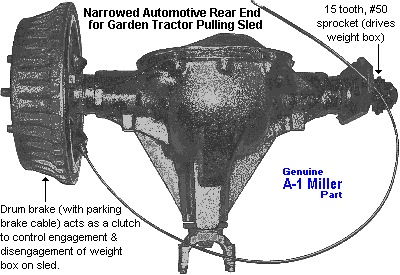
The gearbox transforms the sled’s wheel rotation into the precise linear movement of the weight box. High-performance sleds use multi-stage gear reduction systems that convert high-RPM wheel rotation into slow, powerful movement of the weight transfer mechanism. The gear ratios are meticulously calculated to create the ideal resistance curve—starting manageable but becoming impossible within the 300-foot course. During your pull, this system works silently but decisively against you, with each foot traveled bringing you closer to the point of maximum resistance.
Pan Stop System: Preventing Track Damage During Setup
This often-overlooked safety feature prevents the pan from digging too deeply during sled positioning. Before your competition run, the pan stop lifts the pan slightly off the track, allowing the sled to be positioned without damaging the surface. Once you’re hooked up and ready, the operator disengages the stop, allowing the pan to make full contact. Without this mechanism, track preparation would take significantly longer between pulls, disrupting competition flow.
Sled Operator Adjustments That Make or Break a Competition
The sled operator holds as much influence over your competition outcome as your tractor’s horsepower. These professionals make critical decisions that determine whether your machine has a fighting chance or faces an impossible challenge.
Setting the Perfect Starting Percentage for Each Tractor Class
Before your class takes the track, the operator sets the “starting percentage”—how far forward the weight box begins its journey. A 10% starting position means the weight begins near the rear, creating minimal initial resistance ideal for lighter classes. A 40% starting position places the weight much further forward, pressing the pan down hard from the very first foot—reserved for the most powerful modified tractors. Choosing the wrong percentage could mean every tractor in your class either completes a full pull or fails to move the sled at all.
How Pull-Off Weighting Decides Championship Winners
When multiple tractors complete the full distance, the operator initiates the pull-off procedure. They add maximum weight to the sled and set the starting percentage extremely high (often 60-70%). In this sudden-death scenario, your tractor must pull against nearly immediate maximum resistance. The operator carefully monitors the weight transfer to ensure fair competition, with the winner determined by who moves the sled the farthest under these extreme conditions.
Common Operator Mistakes That Skew Competition Results
Even experienced operators can make errors that affect your performance. Setting the pan stop incorrectly might create inconsistent starting resistance. Miscalibrating the gearbox could cause erratic weight transfer that doesn’t follow the expected resistance curve. Understanding these potential issues helps you advocate for fair conditions—after all, your competition should be against the sled’s designed challenge, not operator error.
Physics Behind Why Every Tractor Eventually Stops Pulling
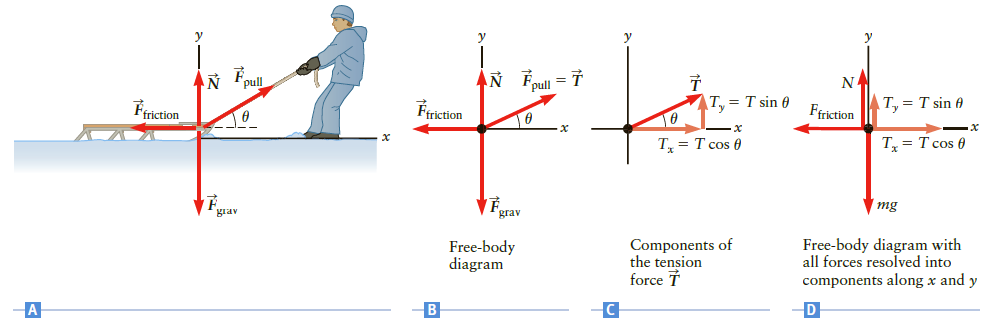
Your tractor isn’t losing due to insufficient power alone—it’s succumbing to fundamental physics principles that the sled exploits with mechanical precision.
Calculating the Exact Point Where Friction Overcomes Traction
The critical moment occurs when the force required to drag the pan exceeds your tractor’s tractive effort. This depends on multiple factors: your tire composition and pressure, track conditions, and the sled’s current resistance level. Championship drivers learn to recognize the subtle signs—the slight hesitation, the changing engine note—that signal they’re approaching this threshold. Pushing through that point requires perfect weight distribution and power delivery from your machine.
How Track Conditions Alter the Sled’s Resistance Curve
Moisture content in the dirt track dramatically affects your pull. A dry, hard-packed surface creates less initial friction but allows the pan to dig in more aggressively as weight transfers forward. A moist track provides more consistent resistance but requires different tractor setup. Smart competitors study track conditions before their pull, adjusting tire pressure and ballast to match the expected resistance profile.
Tire Technology vs. Pan Friction: The Never-Ending Battle
The most successful tractor modifications focus on maintaining traction as resistance increases. Wide, soft-compound tires with aggressive treads maximize contact area with the track. Some competitors use specialized tire pressures that change as the pull progresses, maintaining optimal grip throughout. But no matter how advanced your tires become, the sled’s weight transfer mechanism ensures there’s always a point where even the best traction can’t overcome the exponentially increasing resistance.
What Happens During a Championship Pull-Off Competition
When the main competition ends in a tie, the pull-off creates the most dramatic moments in tractor pulling—a true test of which machine has the ultimate edge.
Maximum Weight Configuration: Pushing Tractors to Their Limits
During pull-offs, operators add all available weight to the sled and set the starting percentage near maximum. Your tractor now faces near-instantaneous maximum resistance. Only machines with exceptional low-end torque and perfect weight transfer can move the sled more than a few feet. The mechanical stress on both tractor and sled reaches its peak during these decisive moments.
How Judges Determine the Winner in a Close Pull-Off
When multiple tractors move the sled similar distances, officials use precision measuring equipment to determine the winner down to the inch. The sled’s built-in scoring system records exact stopping points, but judges also verify measurements visually. In extremely close contests, high-speed cameras analyze the final moments to determine who maintained movement longest.
The tractor pull sled represents mechanical engineering at its most purposeful—designed not to win, but to create the perfect losing machine that reveals true pulling power. Understanding how does a tractor pull sled work transforms your appreciation of the sport from simple horsepower contests to a sophisticated dance between machine and physics. Next time you watch a competition, you’ll recognize the precise moment when weight transfer seals a tractor’s fate, and you’ll understand why the real engineering marvel isn’t the tractor pulling—but the sled designed to stop it.