You’ve watched tractor pulling competitions and wondered how those massive machines create progressive resistance that brings even 10,000-horsepower monsters to a standstill. Building a functional tractor pulling sled isn’t just bolting heavy steel together—it’s engineering a precise weight-transfer machine that transforms simple motion into exponentially increasing resistance. If you’re ready to move beyond basic trailer construction and create a true competition-grade pulling sled that delivers consistent, measurable performance, this guide provides the exact fabrication process used by experienced builders. You’ll learn how to construct the critical weight transfer system, build a rigid frame that won’t twist under load, and implement essential safety features that prevent catastrophic failure during competition.
Why Your Homemade Pulling Sled Needs Proper Weight Transfer Mechanics
Most DIY attempts fail because they treat a pulling sled as simply a heavy trailer rather than a dynamic mechanical system. A competition sled creates progressive resistance through a sliding weight box that moves forward as the sled is pulled, shifting the center of gravity and exponentially increasing downforce on the ground-contact shoes. Without this precise mechanical advantage system, your sled will either provide constant resistance (making pulls predictable but uncompetitive) or fail catastrophically under load.
How Progressive Resistance Actually Works During Competition
As your tractor begins pulling, the sled’s wheels rotate the axle, which through a gearbox winds a cable attached to the sliding weight box. This seemingly simple mechanism creates the magic: the initial pull feels manageable, but with each foot traveled, the weight box moves forward, forcing the pan assembly deeper into the track surface. The mechanical advantage ratio—typically 4:1—means for every inch the weight box moves, the pan is pulled down 4 inches, creating exponentially increasing resistance.
Common DIY Mistakes That Cause Sled Failure
- Insufficient frame rigidity: A twisted or flexing frame prevents smooth weight box movement and creates inconsistent pulls
- Inadequate pan/shoe design: Shoes that don’t properly “bite” create unpredictable performance on different track conditions
- Missing safety stops: A weight box that runs off the rails becomes a dangerous, multi-ton projectile
- Poor cable routing: Misaligned cables cause binding that prevents smooth weight transfer
Essential Steel Frame Design for Maximum Pulling Resistance
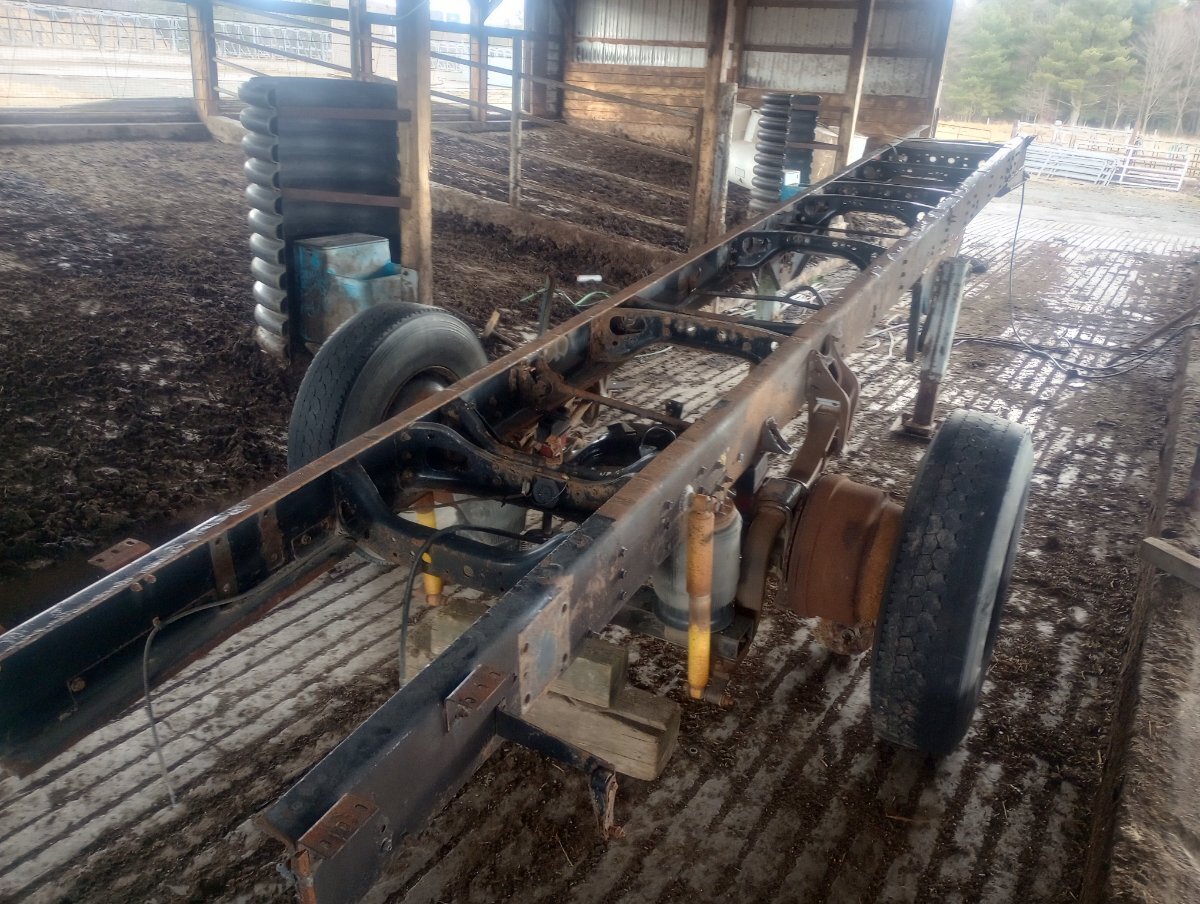
Your sled’s frame isn’t just structure—it’s the foundation that transmits thousands of pounds of force without distortion. A poorly constructed frame will twist under load, causing binding in the weight transfer system and inconsistent performance that frustrates competitors.
Building a Warp-Free Frame Using Proper Jig Techniques
Start by constructing a level, flat welding jig from heavy steel plate or I-beams. Position your main frame rails (4×4 or 4×6-inch rectangular steel tubing with 1/4-inch wall thickness) perfectly parallel on the jig before welding any cross-members. Critical step: Weld alternating sections rather than completing one side first—this distributes heat evenly and prevents warping. After each weld segment, check frame squareness with a precision carpenter’s square and laser level.
Strategic Reinforcement Points That Prevent Frame Failure
The areas between the front hitch point and first cross-member, and where the weight box rails attach to the main frame, require special attention. Add triangular gussets at all corners and use continuous welds rather than stitch welding at these high-stress junctions. For competition sleds, consider boxing in critical frame sections with additional steel plate to create a truly rigid structure that won’t flex under 10,000+ pounds of pull force.
Constructing the Critical Weight Box with Proper Sliding Mechanism
The weight box is where your sled’s resistance magic happens—it must slide smoothly while carrying 3,000-5,000 pounds of ballast. Getting this component right separates functional competition sleds from dangerous DIY attempts.
Fabricating a Weight Box That Won’t Bind or Fail
Build your weight box from 1/4″ to 1/2″ steel plate with internal bracing every 12 inches. The front plate needs a massive towing eye (1-inch minimum diameter) where the cable attaches. Pro tip: Add a 2-inch wide horizontal steel “sill” around the bottom perimeter—this prevents the box from tipping during extreme weight transfer. For the sliding mechanism, install UHMW plastic or bronze slide plates on the box bottom that ride on precision-ground steel rails welded to your main frame.
Filling and Securing Ballast for Consistent Performance
Never just pour concrete into your weight box—this creates shifting ballast that causes inconsistent pulls. Instead, build internal compartments using steel dividers, then fill with concrete or create a steel matrix by welding scrap steel pieces together before filling voids with concrete. Critical safety note: Weld internal rebar through the concrete mass to prevent shifting during competition. The total weight box assembly should comprise 35-45% of your sled’s total weight for optimal progressive resistance.
Installing the Winch Drive System That Powers Progressive Resistance
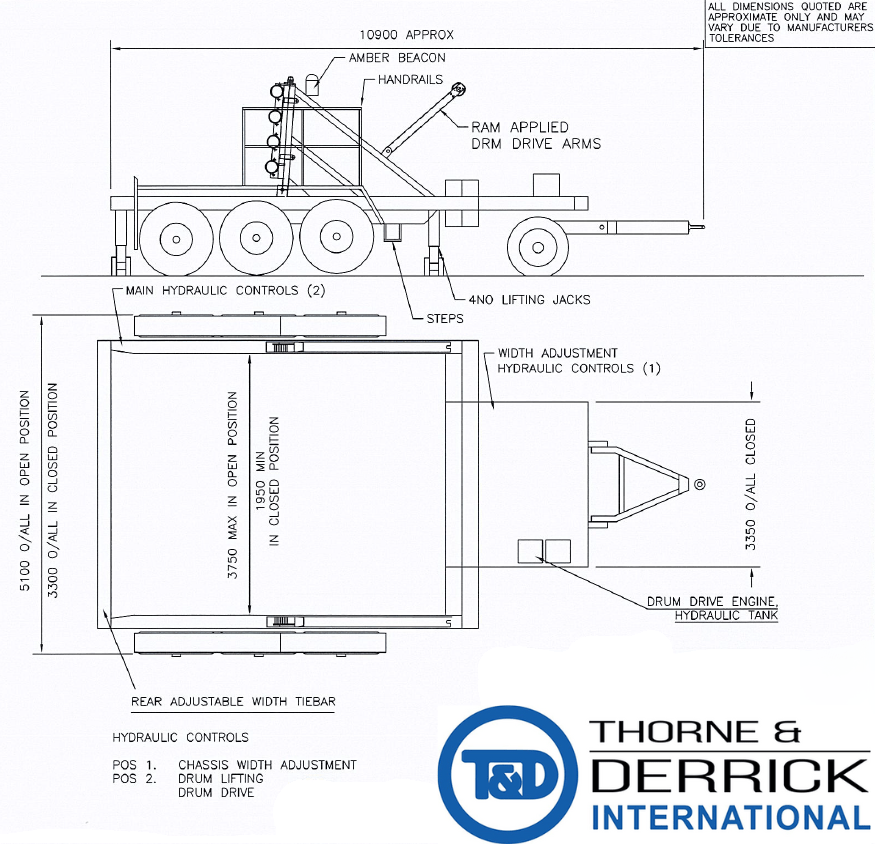
The winch drive creates the mechanical advantage that transforms linear motion into weight transfer. This system must operate flawlessly thousands of times without binding or slipping.
Mounting the Drum and Cable System for Smooth Operation
Attach a heavy-duty winch drum (minimum 8-inch diameter) directly to your axle using a one-way clutch bearing. This allows the drum to rotate freely when pulling forward but engages when the cable pulls the weight box. Route your 3/8-inch aircraft-grade steel cable through sealed roller guides to prevent fraying. The cable must attach to the weight box at precisely the same height as the drum’s centerline—any misalignment causes binding.
Gear Ratio Selection for Different Competition Classes
Your gear ratio (determined by the relationship between axle rotation and drum winding) controls how quickly resistance builds. For light farm tractor classes, use a 1.5:1 ratio (sled moves 1.5 feet for each foot of weight box travel). For unlimited classes, go with 3:1 for more aggressive resistance buildup. Expert note: Some builders install adjustable pulleys that allow quick ratio changes between pulls to accommodate different track conditions.
Critical Safety Features Every DIY Pulling Sled Must Have
A failed pulling sled isn’t just equipment damage—it’s a potential disaster. These safety components aren’t optional for competition use.
Pan Stops That Prevent Catastrophic Weight Box Failure
Weld massive steel stops (minimum 1-inch plate steel, 6-inch tall) to the main frame rails at both front and rear positions. These stops must extend beyond the weight box’s travel path on all sides. Non-negotiable: Perform a static load test by jacking the sled and manually forcing the weight box against the stops with a hydraulic ram—any frame flex or weld failure means rebuilding.
Mandatory Safety Chain Configuration
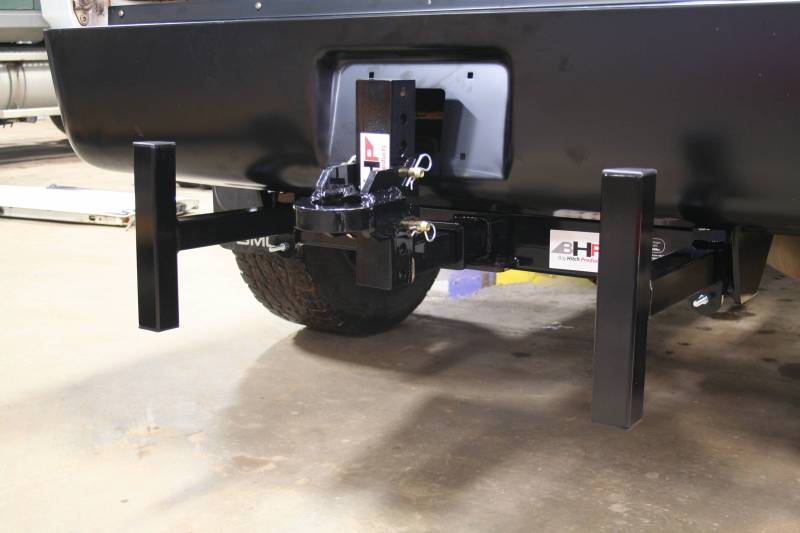
Install a 1/2-inch grade 100 safety chain that connects directly from your tractor’s hitch to the sled’s main frame—never just rely on the hitch pin. The chain must have sufficient slack to allow normal operation but prevent separation if the primary hitch fails. Add a secondary chain from the weight box to the frame as an additional failsafe against runaway weight assemblies.
Step-by-Step Testing Process for Your Homemade Pulling Sled
Before risking your sled in competition, conduct these critical tests in a controlled environment.
Initial Low-Speed Functionality Check
Begin testing with a garden tractor or small utility vehicle in an open field. Pull slowly (under 5 mph) while observing:
– Weight box movement should be smooth without jerking
– Pan assembly should engage the ground progressively
– Flag mechanism should trigger precisely at full weight box travel
– Listen for unusual noises indicating binding or misalignment
Progressive Load Testing Protocol
Gradually increase test vehicle power while monitoring these key metrics:
1. First 20 feet: Verify manageable initial pull (should feel like pulling a heavy trailer)
2. Middle section: Confirm resistance builds steadily (driver should feel consistent increase in effort)
3. Final section: Check for smooth transition to maximum resistance without sudden “jumps”
4. Reset function: Ensure weight box returns smoothly when pulled in reverse
Red flags: Any binding, uneven resistance, or failure of the weight box to return fully means your sled needs immediate adjustment before further testing.
Starting Small: Building a Pedal Tractor Pulling Sled for Beginners
If a full-scale competition sled seems overwhelming, construct a scaled-down version first. This 400-pound pedal tractor sled teaches all the principles without requiring industrial fabrication skills.
Simplified Design Using Accessible Materials
Construct the frame from 2×4-inch steel tubing (1/8-inch wall) with a 6-foot wheelbase. Use a single concrete block (80-100 lbs) as your sliding weight on heavy-duty drawer slides. The pan assembly can be a 12-inch wide steel plate attached to a simple lever system. Time-saving tip: Mount the entire weight box on two linear bearing sliders from industrial suppliers—this eliminates complex rail fabrication while ensuring smooth movement.
Community Event Modifications That Ensure Safety
For public events, add these critical modifications:
– Install a manual release lever that disengages the weight transfer system
– Add protective guards over all moving parts
– Paint bright safety stripes on all edges
– Include clear instructions for participants
– Limit maximum pull distance to 50 feet
Building your first pulling sled requires precision engineering, not just heavy steel. By focusing on the weight transfer mechanics, frame rigidity, and safety systems outlined here, you’ll create a competition sled that delivers consistent, measurable performance while keeping everyone safe. Remember that tuning is an ongoing process—start with conservative ballast weights and gradually increase as you verify your sled’s reliability. The most successful builders treat their first pulls as data-gathering exercises, making small adjustments after each run until they achieve that perfect progressive resistance curve that makes tractor pulling so thrilling to watch and compete in.