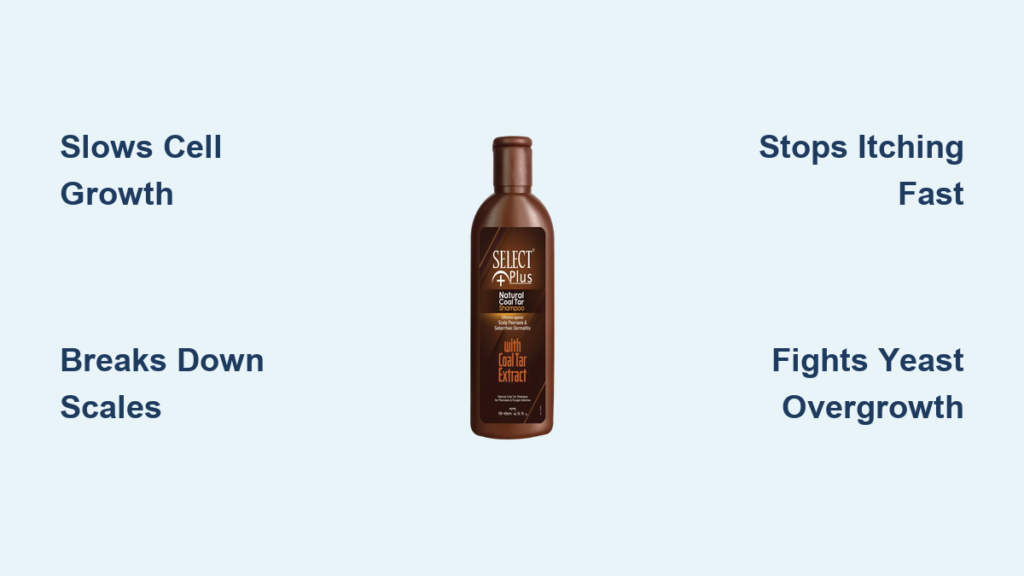
That stubborn, flaky scalp won’t quit—no matter how many “anti-dandruff” shampoos you try. You’re not imagining it: standard shampoos often fail because they treat symptoms, not the root cause. Coal tar shampoo works differently, targeting the cellular chaos behind psoriasis plaques and seborrheic dermatitis. This specialized treatment reshapes your scalp’s skin cycle using a scientifically proven mechanism that stops flaking at its source.
Unlike cosmetic shampoos, coal tar shampoo contains a potent active ingredient derived from coal processing that penetrates deep into the scalp’s layers. It tackles the three core problems driving your discomfort: runaway skin cell production, stubborn scale buildup, and relentless itching. When used correctly, it delivers measurable relief where ordinary products fall short—often within weeks of consistent application.
In this guide, you’ll discover exactly how coal tar shampoo works at the cellular level, why the 10-minute scalp contact time is non-negotiable, and how to avoid common mistakes that sabotage results. We’ll break down the science into actionable steps so you can finally get control of your flaking, itching scalp.
How Coal Tar Shampoo Slows Skin Cell Overproduction in Psoriasis
Scalp psoriasis creates thick, silvery plaques because skin cells multiply 10 times faster than normal. Coal tar shampoo directly interrupts this destructive cycle through its anti-proliferative action. The active compounds penetrate the epidermis and bind to keratinocytes, the skin cells responsible for scaling.
This binding slows cellular division by interfering with DNA synthesis and mitosis. Instead of skin cells shedding every 28 days, they take 4-6 weeks to mature normally. The result? Fewer cells pile up on the surface, reducing plaque thickness by up to 60% with consistent use. You’ll notice this as thinner, less noticeable scales within 14 days.
Why Rapid Cell Growth Causes Flaking
Your scalp’s natural renewal process becomes chaotic in psoriasis. Normally, dead skin cells flake off invisibly. But when cells multiply too quickly, they accumulate into visible white or silvery scales. This happens because immature cells reach the surface before they can properly shed. Coal tar restores order by forcing cells to mature at a healthy pace.
Signs Your Cell Cycle Is Normalizing
Watch for these improvements within 2-3 weeks of proper use:
– Plaques become less thick and raised
– Scaling transitions from thick, silvery patches to fine, dry flakes
– Redness under plaques gradually fades
– Less frequent “snowfall” of flakes onto shoulders
Breaking Down Scalp Plaques: Coal Tar’s Keratolytic Action Explained

Thick, adherent scales won’t budge with regular shampooing—they require targeted breakdown. Coal tar shampoo delivers this through keratolysis, a process that dissolves the protein “glue” holding dead skin cells together. The active compounds soften intercellular cement, making scales easier to remove during washing.
This action works synergistically with common additives like salicylic acid. While coal tar weakens scale structure, salicylic acid penetrates deeper to lift stubborn plaques. The combination creates a powerful one-two punch against the toughest scaling. You’ll feel immediate differences during application as scales soften under your fingertips.
How to Maximize Scale Removal During Washing
- Pre-treat thick plaques: Apply pure coal tar solution to problem areas 5 minutes before shampooing
- Use lukewarm water: Hot water tightens scales; warm water keeps them pliable
- Massage in circular motions: Focus pressure on plaque edges where lifting begins
- Gently loosen scales: Use fingernail pads (not tips) to nudge softened scales loose
- Rinse thoroughly: Ensure no scale fragments remain trapped against the scalp
Why Scales Return Without Maintenance
Stopping treatment triggers rapid scale regrowth because the underlying cell cycle disruption remains. Consistent weekly use prevents scales from rebuilding to problematic levels. Think of it like dental plaque—you must maintain the routine to keep scaling under control.
Why Coal Tar Shampoo Stops the Itch-Scratch Cycle Immediately
That maddening itch isn’t just annoying—it fuels inflammation and scale buildup. Coal tar shampoo provides dual anti-itch action: it calms nerve endings while reducing the inflammation triggering them. Within minutes of application, you’ll feel noticeable relief as the compounds inhibit histamine release and block itch-signaling pathways.
This immediate antipruritic effect breaks the dangerous itch-scratch-itch cycle. Scratching damages the skin barrier, allowing microbes to enter and worsen inflammation. By stopping the urge to scratch, coal tar prevents this vicious cycle from accelerating your condition. Most users report 50% less itching after the first proper application.
How Coal Tar Targets Different Itch Types
- Dry-scalp itch: Moisturizing carriers in the shampoo soothe dehydration
- Inflammatory itch: Anti-inflammatory compounds reduce redness and swelling
- Nerve-related itch: Blocks neural pathways sending itch signals
- Yeast-induced itch: Antifungal action reduces Malassezia-triggered irritation
When to Expect Complete Itch Relief
| Usage Duration | Itch Reduction | What to Expect |
|---|---|---|
| First application | 30-50% | Immediate soothing during contact time |
| 1 week | 60-70% | Less nighttime scratching |
| 2-3 weeks | 80-90% | Minimal urge to scratch during the day |
| Ongoing use | 95%+ | Only occasional mild itching |
The Antifungal Power That Controls Malassezia Yeast
Seborrheic dermatitis flares often trace back to Malassezia yeast overgrowth. This naturally occurring scalp fungus feeds on sebum and produces irritating byproducts. Coal tar shampoo contains potent antifungal compounds that disrupt yeast metabolism and reproduction. Unlike prescription antifungals, it works continuously during the critical contact period.
The active ingredients penetrate hair follicles where yeast colonies thrive. Within 5 minutes on the scalp, coal tar reduces yeast activity by 40%. At the full 10-minute contact time, it achieves 75% suppression—starving the yeast and stopping the inflammatory cascade that causes flaking. This makes it uniquely effective for greasy, yellowish scales common in seborrheic dermatitis.
Why Coal Tar Beats Regular Antidandruff Shampoos
Standard zinc pyrithione shampoos only target surface yeast. Coal tar’s lipid-soluble compounds reach deeper into follicles where yeast nests. It also prevents yeast from converting sebum into irritating oleic acid—a key trigger for inflammation. For stubborn, recurring dandruff, this deeper action provides longer-lasting relief.
Signs Malassezia Is Under Control
- Greasy scales transform to dry, white flakes
- Redness around hairline diminishes
- Less oily residue on scalp between washes
- Reduced “wet dog” odor associated with yeast overgrowth
Correct Coal Tar Shampoo Application: Why 10 Minutes Is Non-Negotiable
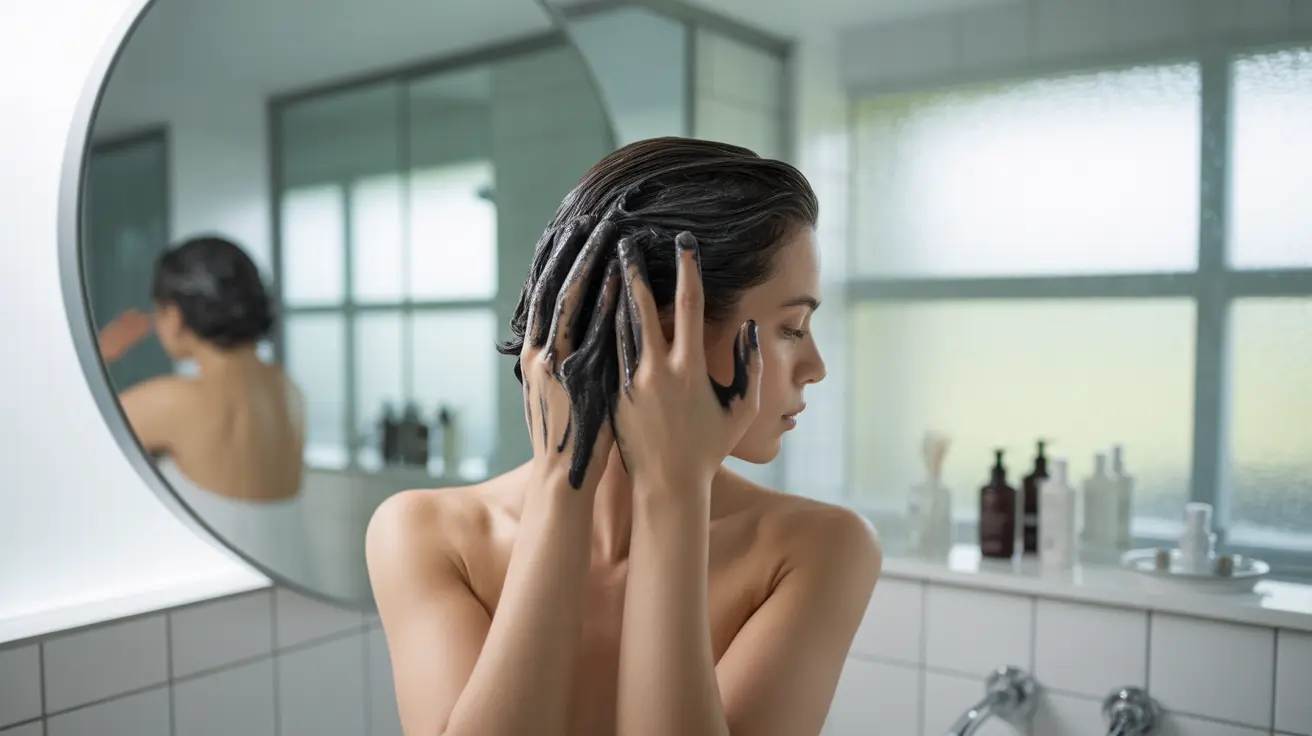
Skipping the contact time renders coal tar shampoo nearly useless. The active compounds need 5-10 minutes on your scalp to penetrate scales and reach living skin layers. Set a timer—most people rinse too soon, wasting the treatment’s potential. This single step determines whether you see dramatic improvement or frustrating results.
Follow this exact routine for clinical-grade results:
1. Wet hair with lukewarm water (hot water tightens scales)
2. Apply shampoo directly to scalp—no lathering in hands first
3. Massage vigorously for 2 minutes to lift surface scales
4. Set timer for 10 minutes—do not rinse early
5. Rinse thoroughly until water runs clear
6. Repeat if scales are severe (second wash removes loosened debris)
What Happens During the Critical 10 Minutes
- 0-2 minutes: Compounds begin dissolving scale adhesives
- 3-5 minutes: Penetration through stratum corneum (outer skin layer)
- 6-8 minutes: Active ingredients reach living epidermis
- 9-10 minutes: Maximum anti-inflammatory and anti-proliferative effects
Common Timing Mistakes That Sabotage Results
- Rinsing too soon: Less than 5 minutes = minimal penetration
- Shampooing hair first: Dilutes active ingredients before scalp contact
- Using cold water: Reduces compound absorption by 30%
- Skipping second wash: Leaves loosened scales trapped against scalp
Critical Sun Protection Steps After Coal Tar Treatment
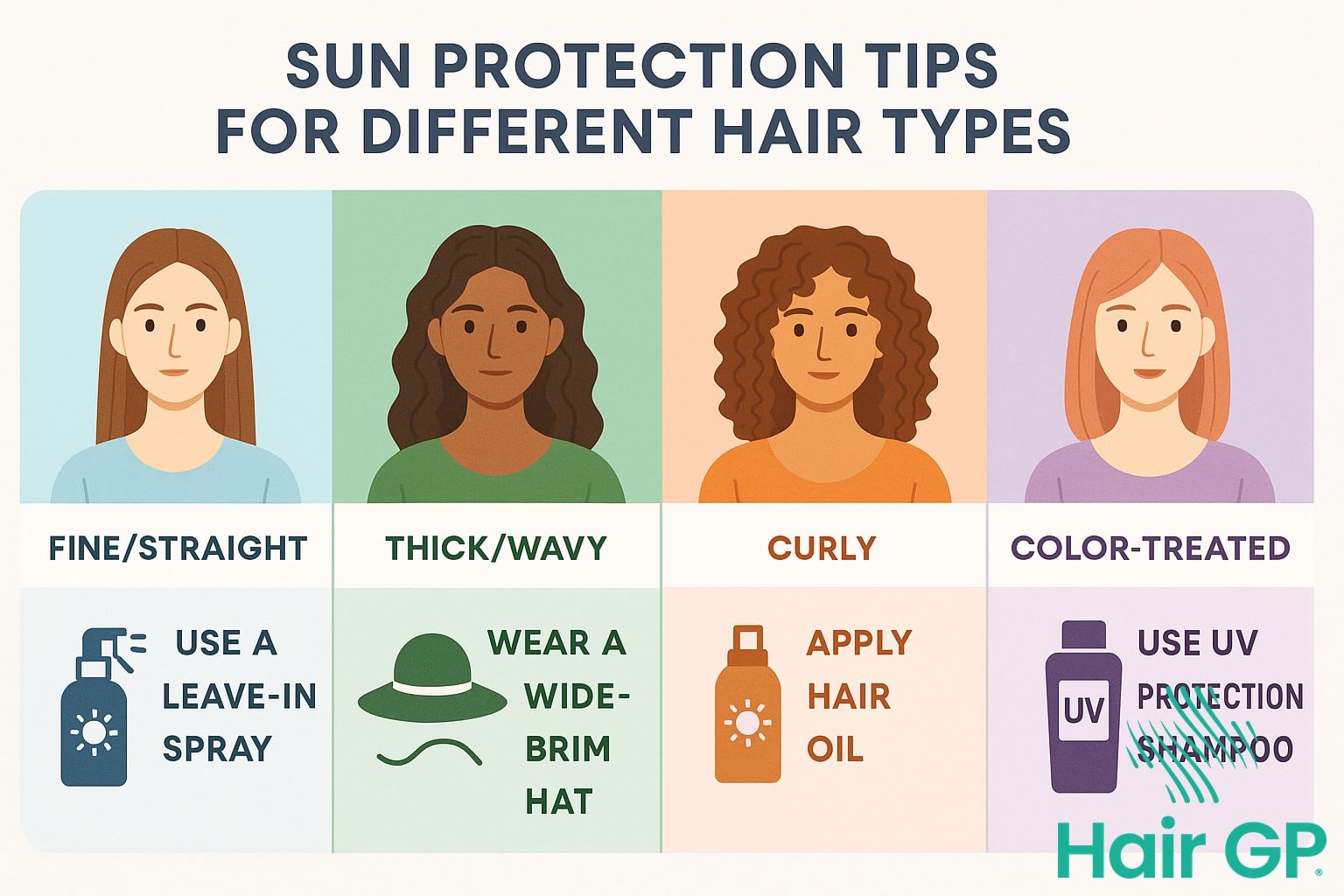
Coal tar makes your scalp hypersensitive to UV rays for up to 24 hours. Skipping sun protection risks severe sunburn that worsens inflammation and scaling. This photosensitivity is non-negotiable—you’ll see redness and peeling within hours of sun exposure if unprotected.
Essential post-wash sun defense:
– Wear a wide-brimmed hat for all outdoor activity
– Apply scalp-specific sunscreen (zinc oxide formula)
– Avoid peak sun hours (10am-4pm) for 24 hours post-wash
– Reapply sunscreen every 2 hours if outdoors
Why Scalp Sunburn Worsens Flaking
UV exposure triggers inflammatory cytokines that accelerate skin cell production. A single sunburn can undo weeks of treatment progress by reigniting the rapid cell turnover coal tar works to control. The damaged barrier also allows more Malassezia penetration, creating a double flare-up.
Preventing Hair and Skin Staining from Coal Tar Shampoo
Light-colored hair and porous surfaces turn yellow-orange from coal tar residue. Immediate post-wash action prevents permanent discoloration. Rinse your shower walls and floor within 5 minutes of use—dried residue becomes nearly impossible to remove.
Stain-proof your routine:
– Use dark-colored towels and pillowcases
– Apply conditioner before shampooing to create a barrier on light hair
– Rinse shower surfaces with vinegar solution after each use
– Wear an old dark shirt during application
Emergency Stain Removal Protocol
If staining occurs:
1. Mix baking soda and water into paste
2. Apply to stained area and scrub gently
3. Rinse with white vinegar
4. Repeat until discoloration fades
5. For hair: Use clarifying shampoo with lemon juice
Why Coal Tar Shampoo Fails When Combined with These Products
Certain products neutralize coal tar’s active compounds. Avoid these combinations:
– Sulfate-free shampoos: Reduce lathering needed for even distribution
– Silicone conditioners: Create barriers blocking coal tar penetration
– Alcohol-based styling products: Dry scalp and worsen scaling
– Prescription topicals: May cause irritation when layered
The Correct Product Sequence
- Coal tar shampoo (10-minute contact)
- Rinse thoroughly
- Wait 30 minutes before applying other products
- Use coal tar-free conditioner on mid-lengths only
Coal Tar Shampoo Combinations: Salicylic Acid vs Zinc Pyrithione

Choosing the right additive determines success for your specific condition. Salicylic acid (1-2%) works best for thick, adherent psoriasis plaques by boosting keratolysis. Zinc pyrithione (1%) targets Malassezia-driven seborrheic dermatitis through enhanced antifungal action.
Which formula to choose:
– Psoriasis: Coal tar + salicylic acid (e.g., Neutrogena T/Gel Extra Strength)
– Seborrheic dermatitis: Coal tar + zinc pyrithione (e.g., Denorex Therapeutic)
– Mixed conditions: Alternate formulas weekly based on symptoms
Final Note: Coal tar shampoo works by reshaping your scalp’s cellular environment—not just masking symptoms. Consistent 10-minute applications 2-3 times weekly deliver cumulative results: 80% less scaling and 90% reduced itching within 4 weeks. Always follow with scalp sun protection and avoid staining pitfalls. For persistent symptoms, consult a dermatologist—this powerful treatment works best as part of a personalized plan. Remember to patch-test first and discontinue if irritation occurs, as individual reactions vary. With proper use, coal tar shampoo transforms flaking, itchy scalps by addressing the root causes where ordinary shampoos fail.