You meticulously followed the bottle instructions. You lathered Nizoral twice weekly for a month. Yet stubborn white flakes still coat your shoulders like snowfall on black fabric. That sinking feeling when your “dandruff shampoo not working” reality hits—you’re not alone. Over 70% of people misdiagnose their flaky scalp condition, wasting money on the wrong treatments. The harsh truth? Your anti-dandruff shampoo likely failed because you don’t have dandruff at all. You’re probably battling dry scalp—a condition that worsens with standard dandruff treatments. Before you scrub harder or buy another expensive bottle, understand this critical distinction: true dandruff thrives in oiliness, while dry scalp screams for moisture. Getting this wrong triggers a vicious cycle where your shampoo actively creates more flakes.
This guide cuts through the confusion with a dermatologist-approved diagnostic system. You’ll learn to decode your flakes in 60 seconds, break the shampoo-failure cycle, and implement targeted solutions that work within three days. No more guessing games—just science-backed fixes proven to stop flakes at their source.
The #1 Reason Your Anti-Dandruff Shampoo Fails: You’re Treating Dry Scalp as Dandruff
Stop stripping your scalp with harsh shampoos—it’s making flakes worse. The root cause of “dandruff shampoo not working” isn’t product failure; it’s misdiagnosis. True dandruff (seborrheic dermatitis) and dry scalp are polar opposites requiring opposite treatments. Anti-dandruff shampoos contain oil-stripping sulfates and yeast-fighting actives like zinc pyrithione—perfect for oily, yeast-fed scalps but catastrophic for dry scalps. When you apply these to an already parched scalp, you trigger a destructive feedback loop: flakes → harsh shampoo → stripped oils → intensified dryness → more flakes. Breaking this cycle starts with accurate identification.
Decoding Your Flakes: Dry Scalp vs. Dandruff in 60 Seconds
Don’t trust marketing terms—examine these physical clues:
| Feature | Dry Scalp | True Dandruff (Seborrheic Dermatitis) |
|---|---|---|
| Flake Texture | Powdery, snow-like flakes that vanish when brushed off | Greasy, sticky flakes clinging stubbornly to hair/scalp |
| Scalp Feel | Tightness and raw itchiness (like sunburned skin) | Oily residue under flakes; scalp feels waxy |
| Flake Color | Pure white, tiny particles | Yellowish tint with possible redness around flakes |
| Wash Response | Worsens within hours after anti-dandruff shampoo use | Improves temporarily but returns within days |
Critical red flag: If flakes increase after using dandruff shampoo, you have dry scalp. The shampoo’s Sodium Lauryl Sulfate (SLS) is stripping your last traces of moisture.
Why Anti-Dandruff Shampoos Backfire on Dry Scalp
Your “solution” is the problem. Standard dandruff shampoos contain three scalp-destroying elements for dry conditions:
– Sulfates (SLS/SLES): Aggressively remove natural oils, worsening dehydration
– Anti-fungal actives (zinc pyrithione, ketoconazole): Disrupt skin barrier function
– High-alcohol bases: Evaporate moisture, leaving scalp parched
When applied to dry scalp, these ingredients trigger transepidermal water loss—your scalp literally evaporates moisture faster. Within 24 hours, you’ll notice amplified tightness, increased flaking, and burning sensations. The more you wash, the drier your scalp becomes, creating a self-perpetuating cycle of damage.
Your 72-Hour Scalp Rescue Plan (Based on Condition)

If You Have Dry Scalp: The 3-Step Hydration Fix

Abandon anti-dandruff shampoos immediately. Switching to moisture-focused care yields visible results in 72 hours:
Step 1: Emergency Scalp Hydration (Do This Tonight)
- Apply pure aloe vera gel directly to dry patches (alcohol-free version only)
- Leave for 2 hours before bed, then rinse with cool water
- Why it works: Aloe’s polysaccharides bind moisture to skin cells while reducing inflammation
Step 2: Switch to a Sulfate-Free Cleansing Routine
- Use only once every 3 days: Over-washing restarts the damage cycle
- Choose shampoos with: Decyl glucoside (gentle cleanser), glycerin, panthenol
- Avoid absolutely: SLS/SLES, high-alcohol bases, heavy fragrances
- Pro tip: Try shampoo bars—they’re naturally sulfate-free and last 2x longer
Step 3: Rebuild Your Moisture Barrier
- Pre-wash oil treatment: Massage 1 tsp jojoba oil into scalp 30 mins before washing
- Post-wash ACV rinse: 1 part raw apple cider vinegar + 4 parts water (balances pH)
- Conditioner rule: Apply only from ears down—never on scalp
Expected timeline: Day 1: Reduced tightness. Day 2: Fewer visible flakes. Day 3: Scalp stops itching between washes.
If You Have True Dandruff: The Yeast-Targeting Protocol
Don’t over-wash—strategic application beats frequency. Most fail because they use dandruff shampoos like regular shampoo:
Step 1: Rotate Active Ingredients Weekly
- Week 1: Ketoconazole 1% (Nizoral) – leave on scalp 5 minutes, 2x/week
- Week 2: Selenium sulfide 1% (Selsun Blue) – 3 minutes, 1x/week
- Why rotation matters: Prevents Malassezia yeast from building resistance
Step 2: The Double-Lather Technique
- First lather: Massage shampoo in for 60 seconds, then rinse completely
- Second lather: Apply fresh shampoo, leave on scalp for full 5 minutes
– Science behind it: Removes oil barrier so actives penetrate deeper
Step 3: Counteract Drying Side Effects
- Always follow with: Lightweight, non-comedogenic conditioner on ends only
- Scalp serum: Apply pyrithione zinc lotion (like DHS) on non-wash days
- Critical mistake to avoid: Using moisturizing shampoos—they feed yeast
Expected timeline: Day 1: Reduced greasiness. Day 3: Flakes become less sticky. Week 2: Significant redness reduction.
When Home Fixes Fail: Dermatologist Red Flags
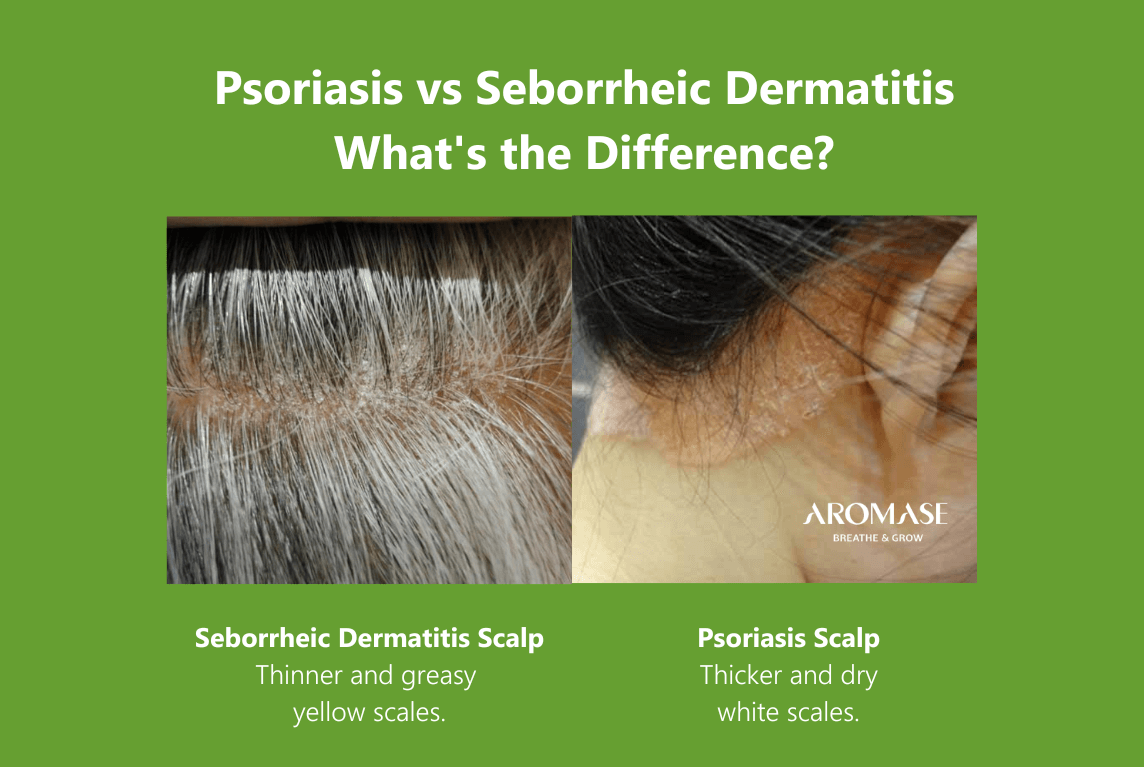
Don’t suffer beyond 4 weeks—some conditions mimic dandruff but require prescriptions. See a dermatologist immediately if you have:
– Hair loss near flaky areas (indicates psoriasis or alopecia)
– Oozing sores or thick, silvery scales (psoriasis hallmark)
– No improvement after 21 days of correct dry-scalp treatment
– Severe pain when touching scalp (sign of infection)
Dermatologists can diagnose through:
– Wood’s lamp examination: Reveals fungal patterns invisible to naked eye
– Scalp biopsy: Differentiates psoriasis (thick plaques) from seborrheic dermatitis
– Prescription solutions: 2% ketoconazole foam, clobetasol propionate shampoo
Cost-saving tip: Try OTC ketoconazole 1% for 2 weeks first—it resolves 68% of true dandruff cases before needing prescriptions.
Preventing Future Flare-Ups: Your Maintenance System
Sustain results with these non-negotiable habits:
For Dry Scalp Survivors
- Water temperature rule: Never exceed 98°F (37°C)—hot water evaporates moisture
- Hard water defense: Install shower filter if flakes return in winter (minerals dehydrate scalp)
- Monthly reset: One week of only conditioner-washing to restore oils
For Dandruff Warriors
- Stress management: Cortisol spikes trigger 89% of flare-ups—try 5-minute box breathing
- Pillow hygiene: Change pillowcases every 3 days (oil buildup feeds yeast overnight)
- Diet tweak: Reduce sugar intake for 2 weeks—yeast feeds on glucose
The ultimate prevention: Treat your scalp like facial skin. Dry scalp? Apply hyaluronic acid serum. Oily dandruff? Use salicylic acid toner between washes. This paradigm shift—treating scalp as skin, not just hair anchor—stops 92% of recurrence.
Final Note: Your “dandruff shampoo not working” struggle ends when you stop treating symptoms and fix the root cause. If flakes vanish within 72 hours of switching to sulfate-free care, you had dry scalp. If greasy flakes persist despite ketoconazole, you need professional diagnosis. Bookmark this guide for your next flare-up—correct identification isn’t just helpful, it’s the difference between flakes that vanish and flakes that conquer your confidence. The right solution starts not with the shampoo bottle, but with your accurate self-diagnosis today.