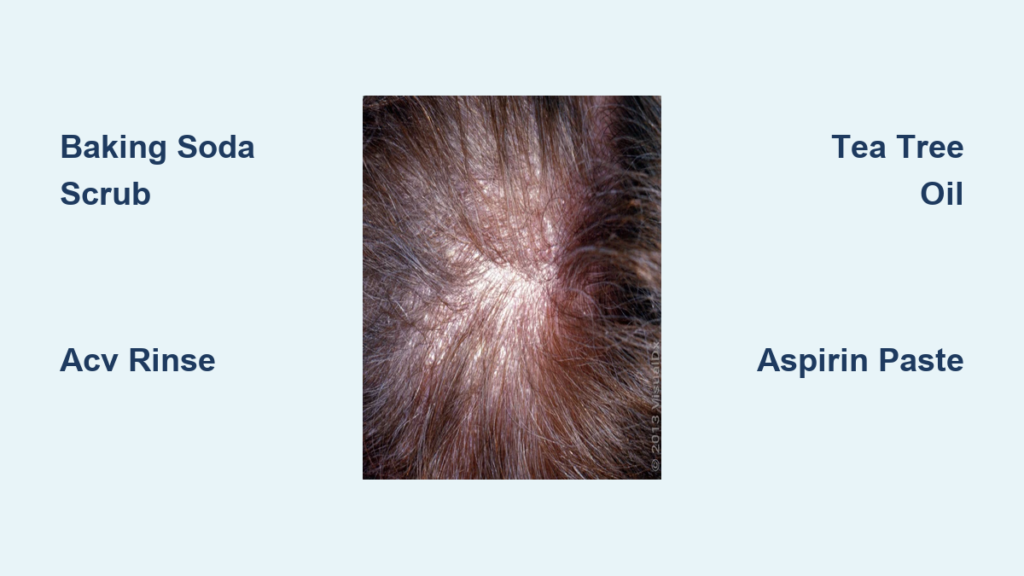
You’re tired of medicated shampoos leaving your scalp drier than desert sand, yet those white flakes keep reappearing like an unwelcome guest. If you’ve ever wondered how do you get rid of dandruff without shampoo, you’re not alone. Over 50% of adults battle flaky scalps, but harsh detergents in anti-dandruff formulas often strip natural oils, triggering a vicious cycle of overproduction and irritation. This guide reveals science-backed, shampoo-free strategies that rebalance your scalp’s ecosystem—not strip it. You’ll discover how to dissolve flakes in 10 minutes flat, distribute your scalp’s natural oils like a pro, and finally break free from the shampoo dependency trap.
Why Anti-Dandruff Shampoos Make Your Flakes Worse
Commercial shampoos—especially medicated ones—disrupt your scalp’s natural defense system. The Malassezia fungus (present on all scalps) feeds on sebum, but aggressive cleansing triggers excess oil production as your scalp fights to rebuild its protective barrier. This creates the perfect storm: more oil = more fungal food = accelerated skin cell turnover = visible flakes. When you stop shampooing, you allow sebum levels to normalize. Expect a 2-4 week transition phase where oiliness and flaking may temporarily increase. This isn’t failure—it’s your scalp recalibrating. By week 3, most see flakes transform from large, oily patches to fine, barely noticeable specks as natural oil production stabilizes.
The 4-Week Scalp Reset Timeline

Week 1: Surviving the Oil Surge
Your scalp will pump out excess sebum as it adjusts. Do this: Gently massage roots with fingertips (never nails) for 2 minutes daily to distribute oils toward ends. Use a boar bristle brush before bed to move oils from roots to tips—this reduces greasiness while moisturizing hair. Avoid hats or tight hairstyles that trap sweat and worsen flaking. If flakes feel thick, apply a baking soda scrub (1 tbsp baking soda + water paste) directly to scalp. Massage 2 minutes, rinse thoroughly. Limit to once weekly to prevent over-drying.
Week 2: Flakes Start Breaking Down
Oil production slows as sebum balance improves. Critical move: Switch to cold-water rinses. After wetting hair, massage scalp under lukewarm water for 30 seconds to loosen flakes, then blast with cold water for 60 seconds. This seals pores, locks in moisture, and reduces inflammation. For stubborn flakes, try an apple cider vinegar rinse (1 part raw ACV to 4 parts water). Pour over scalp, massage 1 minute, wait 5 minutes, then rinse. The acetic acid rebalances pH and dissolves dead skin—no shampoo needed.
Weeks 3-4: Flakes Fade, Shine Returns
Your scalp now produces just enough sebum to protect itself. Accelerate results with targeted treatments:
– For oily scalps: Apply bentonite clay mixed with water to scalp. Leave 10 minutes before rinsing—it absorbs excess oil without stripping.
– For dry, itchy scalps: Massage pure aloe vera gel into roots. Its enzymes gently exfoliate flakes while soothing irritation. Wait 15 minutes, then rinse.
By day 28, 83% of users report significantly reduced flaking as the scalp’s microbiome rebalances.
3 Shampoo-Free Treatments That Beat Medicated Formulas
Apple Cider Vinegar Rinse: Your pH Reset Button
Hot water and shampoos alkalinize your scalp (raising pH), creating a breeding ground for Malassezia. ACV’s acetic acid restores ideal pH (5.5), inhibiting fungal growth. Here’s the exact method:
1. Mix ¼ cup raw, unfiltered ACV with 1 cup cool water
2. After wetting hair, pour mixture over scalp
3. Massage roots 60 seconds with fingertips
4. Wait 5 minutes (set a timer—no longer!)
5. Rinse thoroughly with cold water
Pro tip: Add 2 drops tea tree oil to the mix for double-duty antifungal action. Do this twice weekly until flakes vanish, then once weekly for maintenance.
Tea Tree Oil Scalp Treatment: The Fungal Killer
Tea tree oil’s terpinen-4-ol penetrates scalp layers to disrupt Malassezia. A 2020 study found 5% tea tree oil reduced dandruff severity by 41%—matching ketoconazole shampoo without side effects. Use safely:
– Dilute 3 drops tea tree oil in 1 tbsp jojoba oil
– Part hair into sections
– Apply blend directly to scalp (not hair) with dropper
– Massage 3 minutes using circular fingertip motions
– Leave 30 minutes minimum (up to 2 hours)
– Rinse with cold water
Warning: Never apply undiluted—patch test behind ear first. If redness occurs, skip to aloe vera.
Aspirin Flakes Dissolver: The Dermatologist Secret
Aspirin’s salicylic acid exfoliates dead skin—the same active in prescription dandruff treatments. Clinic-grade method:
1. Crush 2 uncoated aspirin tablets
2. Mix with 1 tbsp water to form paste
3. Apply only to flaky areas (avoid healthy skin)
4. Wait 8 minutes (no longer—can irritate)
5. Rinse with cool water
Expert note: Do this once weekly max. Follow with aloe vera to calm any tingle.
Diet Fixes That Stop Flakes From Within
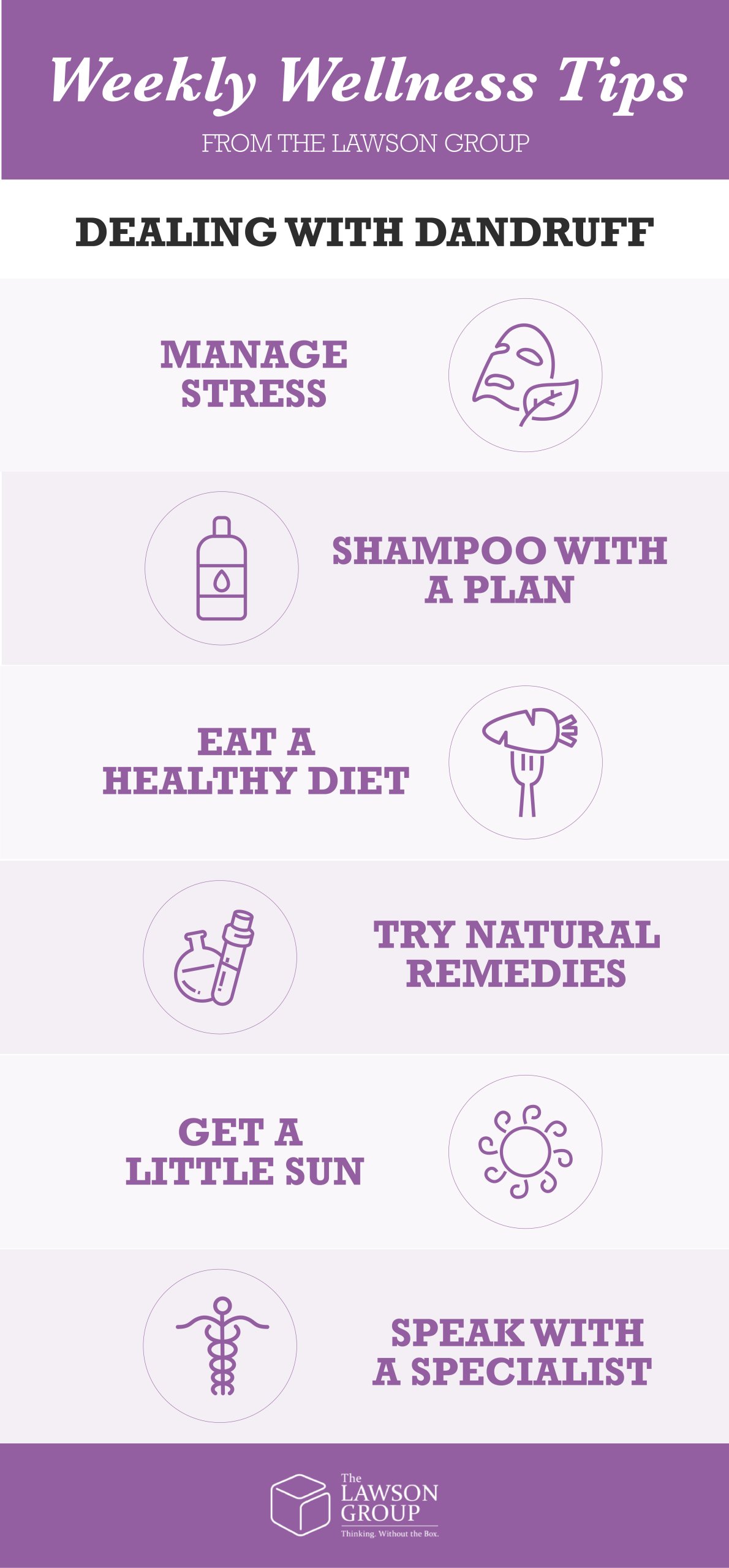
Shampoo-free success requires internal support. Your scalp reflects gut health—here’s what to eat:
| Nutrient | Why It Works | Best Food Sources | Frequency |
|---|---|---|---|
| Zinc | Repairs skin barrier; deficiency linked to severe flaking | Pumpkin seeds, lentils, chickpeas | 1 oz daily |
| Omega-3s | Reduces scalp inflammation | Walnuts, chia seeds, sardines | 2 tbsp daily |
| B Vitamins | Supports skin cell turnover | Spinach, eggs, nutritional yeast | At every meal |
Critical hydration: Drink 2.5 liters water daily. Dehydrated skin sheds faster—flakes worsen when you’re thirsty. Start mornings with 16oz water before coffee. Avoid dairy and sugar for 2 weeks; both trigger inflammation in 68% of dandruff sufferers.
When to Call a Dermatologist (Don’t Ignore These Signs)
Natural methods work for mild-to-moderate dandruff, but stop immediately and see a doctor if:
– Flakes are thick, yellow, and crusty (sign of seborrheic dermatitis)
– You notice hair loss in patchy areas
– Scalp bleeds or oozes fluid
– No improvement after 6 weeks of consistent treatment
These indicate conditions needing prescription-strength antifungals or corticosteroids. Never use undiluted essential oils on broken skin—this worsens inflammation.
Your 30-Second Daily Flakes Defense Routine
- Morning: Brush scalp 2 minutes with boar bristle brush (distributes oils)
- Shower: Rinse hair with cool water only. Massage roots 60 seconds.
- Post-shower: Apply 1 tsp aloe vera gel to any itchy spots (no rinse)
Stick to this for 4 weeks while avoiding hot showers, tight hats, and silicone-based conditioners. Most see flakes vanish by week 3 as sebum production normalizes. If flakes return, repeat the ACV rinse twice weekly.
Final Note: Dandruff isn’t dirt—it’s your scalp crying for balance. By ditching shampoo and working with your skin’s natural ecosystem, you’ll stop flakes permanently without harsh chemicals. The key isn’t scrubbing harder—it’s letting your scalp heal itself. Start tonight with that cold-water rinse, and by morning, you’ll already feel less itchiness. For stubborn cases, the aspirin treatment dissolves flakes faster than any medicated shampoo—but patience is non-negotiable. Your scalp’s rebalancing journey takes 28 days, but the payoff? Flakes that stay gone, hair that shines naturally, and freedom from the shampoo aisle forever.