You grab a shampoo bottle boldly labeled “sulfate-free,” relieved it won’t strip your color-treated curls or aggravate your sensitive scalp. But after just two washes, your hair feels straw-dry and itchy. Why? Because marketing claims lie—and identifying real sulfate-free formulas demands label detective work. Sulfates like Sodium Lauryl Sulfate (SLS) and Sodium Laureth Sulfate (SLES) aggressively strip natural oils, causing frizz, fading color, and triggering eczema flare-ups for millions. Yet brands exploit loopholes, hiding sulfates under technical names or swapping them for equally harsh sulfonates. How do you know if a shampoo is sulfate free when front-label promises are unreliable? Skip the guesswork. This guide reveals the exact ingredient list red flags, confusing look-alikes, and verification steps to confirm sulfate-free status in under 60 seconds—so you never waste money on misleading products again.
Stop Trusting Front-Label Claims: Why Ingredient Lists Are Non-Negotiable
That shiny “Sulfate-Free!” banner on the front of your shampoo bottle is merely a marketing claim—not a guarantee. Brands legally declare products sulfate-free if they lack specific sulfate compounds, but they’ll sneak in sulfonates or aggressive alternatives that behave identically. How do you know if a shampoo is sulfate free with certainty? Only the ingredient list (INCI) holds the truth. Regulations require ingredients to be listed in descending order of concentration, so surfactants—the cleansing agents—always appear in the top 5 positions. If Sodium Lauryl Sulfate, Sodium Laureth Sulfate, or Ammonium Lauryl Sulfate hides here, the product is not sulfate-free, regardless of front-label promises. A single glance at this section tells you more than any marketing slogan ever could. Never skip this step, even for trusted brands—reformulations happen silently.
Spot These 7 Sulfate Ingredients Hiding in Plain Sight
Scan the first 3–4 ingredients (where surfactants live) for these exact chemical names. If any appear, the shampoo is NOT sulfate-free:
- Sodium Lauryl Sulfate (SLS) – The harshest common sulfate, notorious for stripping oils
- Sodium Laureth Sulfate (SLES) – Slightly milder than SLS but still irritating for sensitive scalps
- Ammonium Lauryl Sulfate (ALS) – Frequently used in clarifying shampoos
- Sodium Coco-Sulfate – Marketed as “natural” but chemically identical to SLS
- Ammonium Laureth Sulfate – Common in volumizing formulas
- TEA-Lauryl Sulfate – Often found in salon-grade products
- Sodium Myreth Sulfate – A less common but still problematic sulfate
Critical visual cue: All true sulfates end with “-sulfate.” If you see this suffix in the top ingredients, stop reading—you’ve found your culprit. Don’t be fooled by “Sodium Coco-Sulfate” masquerading as gentle; it’s derived from coconut but functions identically to SLS.
Why Sulfonates Trick Even Savvy Shoppers (And How to Avoid the Trap)
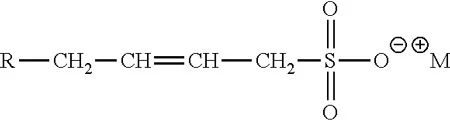
Here’s where most shoppers get duped: sulfonates aren’t sulfates, but they’re often confused for them. A shampoo can legally claim “sulfate-free” while containing sulfonates like Sodium C14-16 Olefin Sulfonate—a powerful cleanser that lathers heavily and strips oils just like SLS. The difference is chemical:
- Sulfates end in “-sulfate” (e.g., Sodium Lauryl Sulfate)
- Sulfonates end in “-sulfonate” (e.g., Sodium C14-16 Olefin Sulfonate)
Why this matters: Sulfonates produce that rich, “deep-clean” lather consumers expect, making brands use them in “sulfate-free” formulas to mimic sulfate performance. But they can still irritate sensitive scalps or fade color. If you see “-sulfonate” in the top 3 ingredients, this shampoo is sulfate-free but may not deliver the gentle cleanse you need. Check for milder alternatives (detailed below) to confirm true gentleness.
Decoding “Sulfate-Free” Marketing: What It Really Means for Your Hair
Brands weaponize “sulfate-free” as a synonym for “gentle,” but this is dangerously misleading. How do you know if a shampoo is sulfate free and actually suitable for your hair? Understand these critical nuances:
Sulfate-Free ≠ Gentle or Non-Irritating (Critical Warning)
A shampoo missing SLS/SLES can still wreck your hair. High concentrations of sulfonates, sodium chloride (salt), or heavy fragrances cause identical dryness and irritation. For example, a formula with Sodium C14-16 Olefin Sulfonate as its #1 ingredient will strip oils aggressively—despite being “sulfate-free.” Conversely, some sulfate-based shampoos use very low concentrations of milder sulfates (like Sodium Cocoyl Isethionate) alongside heavy conditioning agents, making them gentler than harsh sulfate-free alternatives. Always judge the full formula, not just the absence of one ingredient.
Foam Levels Don’t Reveal Sulfate Status (Debunked Myth)
You’ve heard “sulfate-free shampoos lather less.” While some gentle alternatives (like glucosides) create a creamy, low-foam cleanse, others (like sulfonates) produce abundant lather. Foam is irrelevant to sulfate status. If your “sulfate-free” shampoo lathers heavily, it likely contains sulfonates or betaines—not sulfates. Don’t assume poor lather means it’s ineffective; many sulfate-free cleansers work through emulsification, not foam volume.
Your 5-Step Verification Checklist for Instant Confirmation
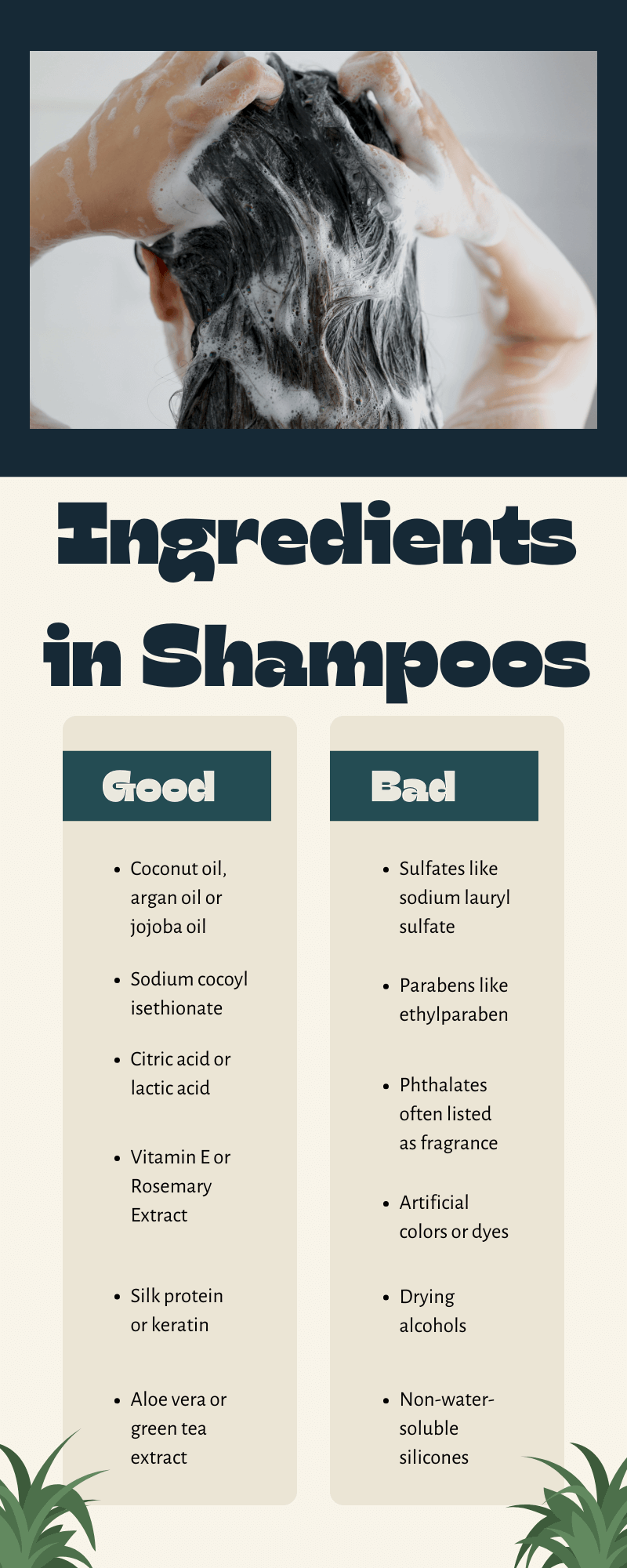
Follow this exact process to confirm sulfate-free status in under a minute—no chemistry degree needed. Save this checklist for your next shampoo purchase:
-
Flip the Bottle Immediately
Ignore all front-label claims (“Sulfate-Free,” “Natural,” “Gentle”). Go straight to the ingredient list on the back. Time estimate: 5 seconds. -
Locate the Top 4 Ingredients
Surfactants always appear here. Scan for words ending in “-sulfate” (SLS, SLES, ALS, etc.). If found, stop—you’ve confirmed it’s NOT sulfate-free. Visual cue: These often appear 2nd or 3rd after water. -
Check for Sulfonates (The Imitators)
If no “-sulfate” appears, scan for “-sulfonate” (e.g., Sodium C14-16 Olefin Sulfonate). If present, the shampoo is sulfate-free but may still be harsh. Proceed to Step 4. -
Identify Gentle Surfactant Alternatives
Confirm true gentleness by spotting these in the top 5:- Glucosides: Decyl Glucoside, Lauryl Glucoside (plant-derived, ultra-mild)
- Amino Acid Cleansers: Sodium Lauroyl Sarcosinate, Sodium Lauroyl Methyl Isethionate
- Betaines: Coco-Betaine, Cocoamidopropyl Betaine (creates rich lather safely)
Pro tip: If water is #1 and Cocamidopropyl Betaine is #2, it’s likely genuinely gentle.
-
Scan for Hidden Irritants
Even sulfate-free formulas can irritate. Check for:- High-alcohol bases (denat. alcohol, ethanol)
- Heavy fragrances (“parfum,” “fragrance”)
- Sodium chloride (salt—dries out curls)
Common mistake: Assuming “sulfate-free” means safe for eczema—always verify the full list.
What to Do When You’ve Confirmed Sulfate-Free Status

Verification is just the first step. How do you know if a shampoo is sulfate free and right for your hair? Apply these field-tested strategies:
Give Your Hair an Adjustment Period (Non-Negotiable)
Switching from sulfates to true sulfate-free cleansers requires 2–4 washes for your scalp to rebalance oil production. Do not judge effectiveness before then. You might notice:
– Less instant “squeaky clean” feeling (normal—sulfates over-strip)
– Reduced lather (unless sulfonates/betaines are used)
– Initial oiliness (as scalp stops overproducing oil)
Stick with it. By wash #3, hair should feel cleansed without brittleness, with improved shine and manageability.
Match the Formula to Your Hair’s Real Needs
Not all sulfate-free shampoos serve the same purpose:
– For color-treated hair: Prioritize formulas with Sodium Lauroyl Sarcosinate or Decyl Glucoside—they clean without accelerating fade.
– For curly/coily hair: Avoid any sulfonates; seek Lauryl Glucoside + heavy moisturizers (shea butter, oils).
– For sensitive scalps: Verify zero fragrance + Sodium Lauroyl Methyl Isethionate as the primary cleanser.
Critical shortcut: Brands like Pureology or Olaplex list alternative surfactants on their websites—check before buying.
When “Sulfate-Free” Isn’t Enough (The Final Reality Check)
Some hair types need more than sulfate avoidance:
– Fine, oily hair: May require occasional sulfonate-based “sulfate-free” cleansers for thorough buildup removal.
– Keratin-treated hair: Often needs both sulfate-free and salt-free formulas (check for “sodium chloride” absence).
– Eczema-prone scalps: Must avoid sulfonates and fragrances—seek medical-grade brands like Exelderm.
Remember: “Sulfate-free” is one piece of the puzzle. Your hair’s reaction after 4 washes is the ultimate test—does it feel clean, hydrated, and resilient? If not, the formula isn’t truly gentle for you.
Final Note: You now hold the exact method to cut through shampoo marketing noise. Stop wondering how do you know if a shampoo is sulfate free—you’ve mastered the ingredient list scan, spotted deceptive sulfonates, and verified true gentleness. Remember: The front label sells the dream; the back label tells the truth. On your next shopping trip, spend 60 seconds checking those top 4 ingredients. If you see “-sulfate,” walk away. If you spot glucosides or amino acid cleansers instead, you’ve found a formula that cleanses without compromise. Give it 4 washes, and watch your hair transform from stripped and dull to nourished and vibrant. For ongoing hair health, pair your sulfate-free shampoo with a silicone-free conditioner—sulfate-free cleansers can’t remove heavy silicones, leading to buildup. Your scalp (and colorist) will thank you.