Ever stared at your hair in frustration after a long flight or camping trip, wishing you could get clean without access to a shower? You’re not alone—millions rely on no-rinse shampoo when water isn’t an option. Unlike traditional washes, this innovative solution actually cleans your scalp and hair through smart chemistry, not water. Understanding how no rinse shampoo works reveals why it’s become essential for travelers, medical patients, and eco-conscious consumers. By the end of this guide, you’ll know exactly how these formulas lift dirt without water, why they’re fundamentally different from dry shampoo, and how to use them for genuinely clean hair anywhere.
Why No-Rinse Shampoo Actually Cleans Without Water
No-rinse shampoo isn’t magic—it’s precision chemistry designed to replace water’s cleansing action. Traditional shampoos rely on water to carry away dirt trapped by surfactants, but no-rinse formulas solve this with a self-contained cleaning system that works entirely through molecular interactions.
The Surfactant Revolution: Trapping Dirt Without Water
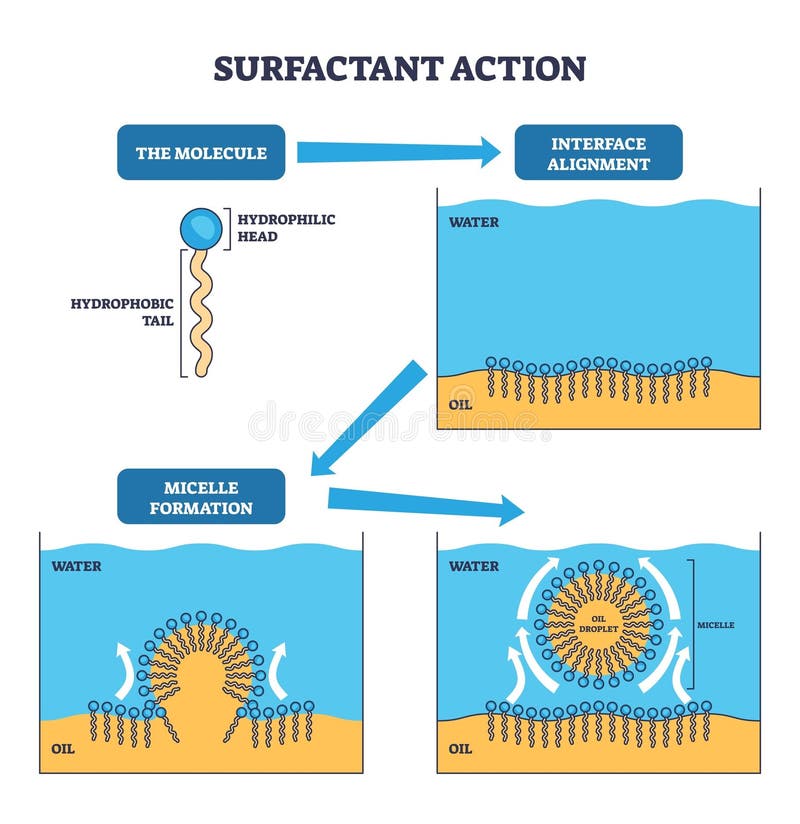
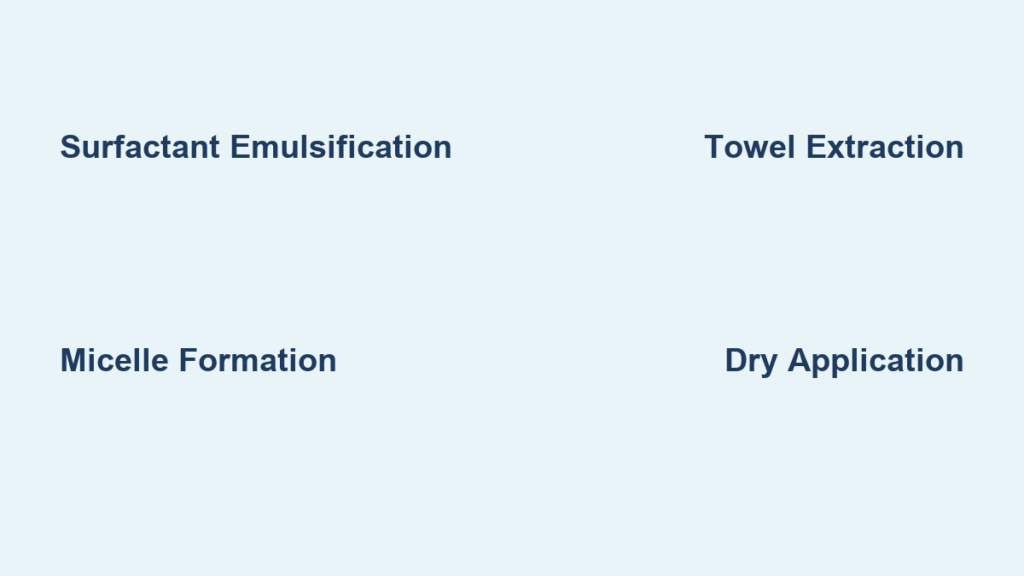
At the core of how no rinse shampoo works lies a specialized surfactant system engineered for dry conditions. These molecules have a dual personality: one end grabs oil and dirt (lipophilic), while the other bonds with water (hydrophilic). But here’s the breakthrough—they function even without rinse water:
- Targeted Oil Capture: When massaged into dry hair, surfactants like Cocamidopropyl Betaine immediately surround sebum and product buildup, breaking them into microscopic droplets.
- Micelle Formation: The surfactants rearrange into spherical structures called micelles, with dirt trapped safely inside their oily core and water-attracting heads facing outward.
- Mechanical Removal: Instead of rinsing, you towel-dry the hair. The micelles—now containing all the trapped grime—adhere to the towel fibers and lift away cleanly. What remains is just conditioning agents that nourish hair.
This process works because no-rinse formulas use low-foam surfactants that don’t require water dilution. They’re specifically balanced to emulsify oils at near-neutral pH (around 5.5), matching your scalp’s natural acidity to prevent irritation when left behind.
Critical Differences From Traditional Shampoos
Many assume no-rinse shampoos are just diluted regular formulas, but that’s dangerously inaccurate. Traditional shampoos would leave sticky residue if not rinsed, while no-rinse versions are engineered as complete systems:
- Water isn’t optional—it’s irrelevant: These formulas contain high-evaporation ingredients that dry quickly, carrying dirt with them.
- Conditioning is built-in: Unlike regular shampoos that strip oils (requiring separate conditioner), no-rinse versions include emollients like glycerin that stay on hair after cleansing.
- Gentler cleansing action: Harsh sulfates would irritate skin if left on; no-rinse uses mild, plant-derived surfactants safe for frequent use.
Essential Ingredients That Make No-Rinse Shampoo Effective
Every successful no-rinse formula balances four critical components. Get this mix wrong, and you’ll end up with sticky residue or dry, irritated scalp instead of clean hair.
Cleansing Agents That Actually Work Dry
The surfactant blend makes or breaks a no-rinse shampoo. Top-performing products use:
– Cocamidopropyl Hydroxysultaine: A ultra-gentle cleanser that creates light lather without stripping moisture
– Sodium Cocoyl Isethionate: A coconut-derived surfactant that emulsifies oils at room temperature
– Decyl Glucoside: A sugar-based cleanser ideal for sensitive scalps
Pro Tip: Avoid products listing “Sodium Lauryl Sulfate” high in ingredients—these harsh cleansers cause flaking when not rinsed.
Moisture Lockers That Prevent Dryness
Since nothing gets washed away, humectants are non-negotiable:
– Glycerin: Pulls atmospheric moisture into hair strands (critical in dry environments like airplanes)
– Panthenol (Provitamin B5): Penetrates the hair shaft to strengthen and retain moisture
– Aloe Vera Juice: Soothes scalp while adding lightweight hydration
These ingredients ensure your hair doesn’t feel “clean but parched”—a common failure of poorly formulated products.
No-Rinse vs. Dry Shampoo: Why Confusing Them Ruins Your Hair

Most consumers mistakenly use dry shampoo as a no-rinse alternative, leading to buildup and dullness. This comparison cuts through the confusion:
| Critical Factor | No-Rinse Shampoo | Dry Shampoo |
|---|---|---|
| Core Function | Cleans scalp and hair through emulsification | Temporarily masks oil with powder absorption |
| Dirt Removal | Actually removes oil/dirt via towel | Traps oil on scalp surface |
| Residue | Leaves only conditioning agents | Leaves chalky powder requiring washing |
| Hair Feel | Clean, fresh, and manageable | Often feels gritty or stiff |
| Max Usage | Safe for daily use | Causes buildup if used >2x/week |
Key Insight: Dry shampoo is like blotting paper for oil—it doesn’t cleanse. Only no-rinse shampoo provides a true wash by emulsifying and removing impurities.
Perfect Your Technique: Step-by-Step Application Guide
Using no-rinse shampoo incorrectly guarantees disappointment. Follow this pro method for genuinely clean hair:
The 4-Step Waterless Wash Process
-
Prep Like a Pro (60 seconds):
- Comb through dry hair to remove tangles
- Section thick hair into 4-6 parts
- Critical: Use two clean, dry microfiber towels (regular cotton leaves lint)
-
Strategic Application (2 minutes):
- Apply dime-sized amount per section directly to scalp
- Massage in small circles for 30 seconds per area—this activates emulsification
- Work remaining product down to mid-lengths (avoid ends to prevent dryness)
-
The Towel Extraction (120 seconds):
- Press towel firmly against roots and rotate to lift micelles
- Visual cue: Towel should show visible yellow oil transfer
- Flip towel frequently—never reuse same section
- Continue until towel comes away clean
-
Finishing Touches (30 seconds):
- Scrunch hair with second towel to absorb residual moisture
- Apply 1 pump of leave-in conditioner to ends only
- Style as usual—hair should have natural movement, not stiffness
Time-Saver: For travel, use pre-measured capsules to avoid over-application. One capsule cleans shoulder-length hair.
When to Reach for No-Rinse Shampoo: Real-World Scenarios
This isn’t just for emergencies—strategic use extends between regular washes while maintaining scalp health.
Medical & Care Situations Demanding Precision
- Post-surgery patients: Critical when incisions/bandages can’t get wet (e.g., mastectomy, hip replacement)
- Bedridden care: Prevents odor and infection in immobile patients without full-bed baths
- Dialysis patients: Where water exposure risks infection at access sites
Pro Tip: Look for “hypoallergenic” and “fragrance-free” labels for sensitive medical use—check pH balance (5.0-5.5) to match compromised skin.
Adventure & Lifestyle Applications
- Backcountry trips: One 2oz bottle cleans hair for 10 days vs. heavy water containers
- Festival survival: Cleans hair without sketchy campground showers
- Water conservation: Uses 98% less water than traditional wash (0.5oz vs. 25oz per wash)
Warning: Avoid in extreme heat (>95°F/35°C)—high evaporation may reduce emulsification time. Apply in shaded areas.
Choosing Your Ideal Formula: 3 Must-Check Factors
Not all no-rinse shampoos deliver equal results. Match these to your needs:
Hair Type-Specific Formulations
- Fine/Oily Hair: Seek “clarifying” formulas with rice starch (absorbs excess oil without residue)
- Thick/Curly Hair: Choose “moisturizing” versions with shea butter—avoid silicones that cause buildup
- Color-Treated Hair: Must contain UV filters and citric acid to prevent fading
Form Factor Comparison
| Type | Best For | Application Speed | Travel Score |
| :— | :— | :— | :— |
| Foam | Sensitive scalps | ★★★☆☆ (requires shaking) | ★★★★☆ |
| Liquid | Thick hair | ★★★★☆ (easy sectioning) | ★★★☆☆ |
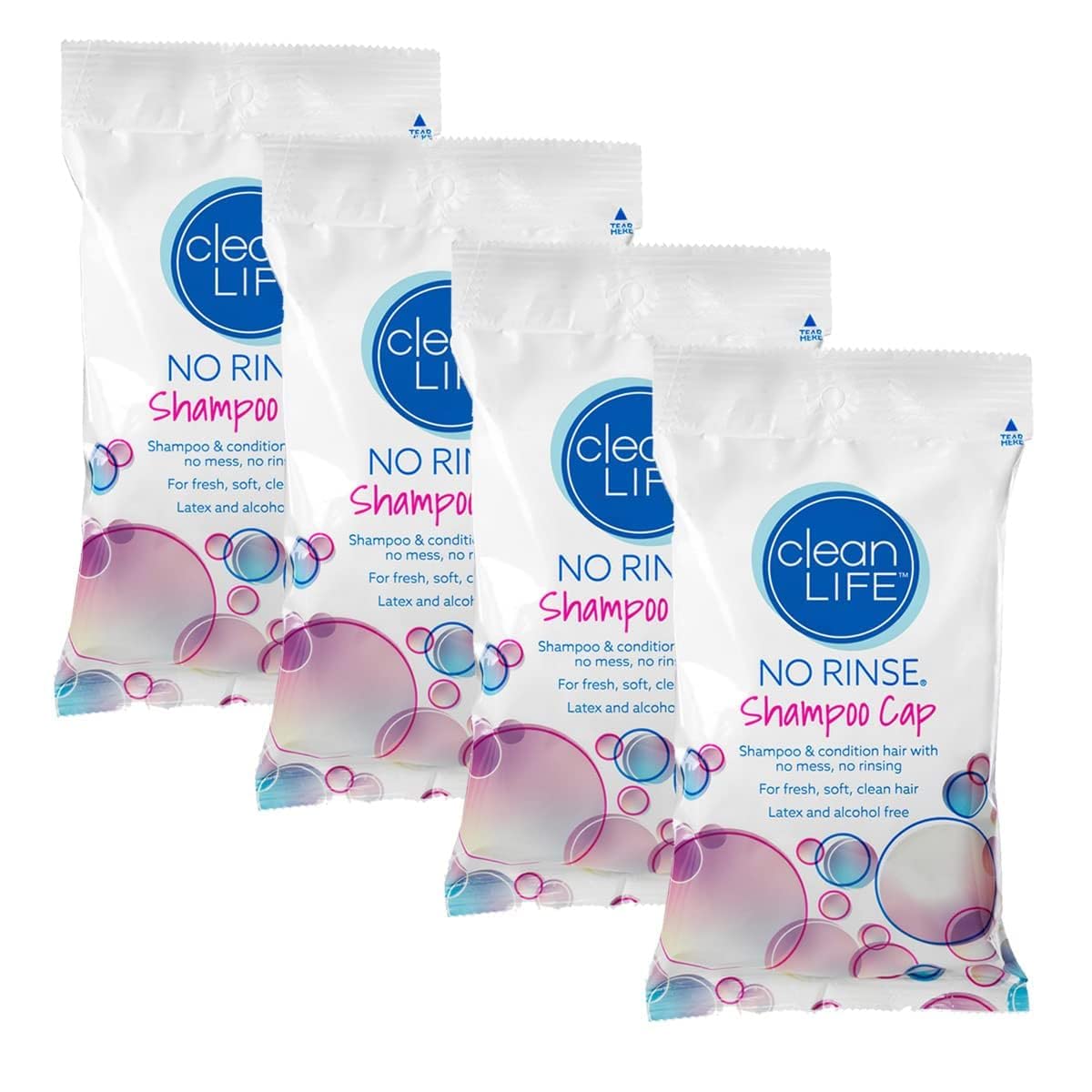
| Capsules | Frequent travelers | ★★★★★ (no spills) | ★★★★★ |
| Towelettes | Quick refresh | ★★☆☆☆ (less thorough) | ★★★★☆ |
Expert Note: Foam formulas work best for first-time users—they provide visible lather that confirms cleansing action.
Safety Essentials You Can’t Skip
Even gentle no-rinse shampoos require precautions:
– Patch test is non-negotiable: Apply behind ear for 24 hours before full use—15% of “sensitive skin” formulas still cause reactions
– Eye contact protocol: Flush immediately with water for 15 minutes (unlike regular shampoo, residues remain on skin)
– Storage rules: Keep below 85°F/30°C—heat destabilizes surfactants causing separation
Critical Mistake to Avoid: Never use on open wounds or sunburned scalp—preservatives may cause stinging.
No-rinse shampoo works through intelligent surfactant chemistry that emulsifies and removes dirt without water—proving you don’t need a sink for genuinely clean hair. By understanding how no rinse shampoo works, you unlock reliable hair care for travel, medical needs, or eco-friendly routines. The key is choosing the right formula for your hair type and mastering the towel-extraction technique to remove emulsified oils completely. When used correctly, it leaves hair feeling freshly washed—not just disguised like dry shampoo. For best results, start with a travel-sized foam formula, focus on thorough scalp massage, and always use clean, dry towels for extraction. Your next adventure (or hospital stay) just got a whole lot fresher.