Finding that half-empty shampoo bottle you bought during the holidays? You’re not alone. Most people keep shampoo far beyond its prime without realizing expired formulas can damage hair and irritate scalps. When you wonder how long can shampoo last before it becomes ineffective or harmful, the answer depends on critical storage factors and usage habits. This guide reveals exactly when to replace your shampoo, how to spot dangerous spoilage signs, and science-backed storage tricks to maximize every bottle’s lifespan. You’ll learn why that “natural” shampoo in your shower might be past its prime after just six months and discover the hidden expiration symbol manufacturers don’t advertise.
Shampoo doesn’t magically vanish after a set date, but its active ingredients degrade faster than you think. Unopened bottles stored properly maintain potency for 2-3 years, but the moment you crack the seal, contamination begins. Water from your shower, bacteria from fingers, and humidity trigger chemical breakdown that compromises cleansing agents and preservatives. Using degraded shampoo wastes money and risks scalp infections or brittle hair. Understanding your specific formula’s vulnerabilities—whether it’s a salon color-protectant or drugstore clarifying wash—is the first step to avoiding these consequences. Let’s decode exactly when your shampoo crosses the line from safe to problematic.
How Air, Water, and Bacteria Destroy Shampoo Within 12 Months
Your shampoo’s countdown begins the instant you open it. Three invisible enemies immediately start degrading your product, making “how long can shampoo last” a race against time you can’t see.
Why Ingredient Separation Signals Serious Degradation
Shampoo isn’t just water and soap—it’s a delicate emulsion of oils, surfactants, and polymers held together by emulsifiers. When these emulsifiers break down (usually 8-12 months after opening), the formula splits into watery layers and oily globs. Don’t mistake this for normal settling—if vigorous shaking doesn’t fully reincorporate the liquid within 10 seconds, the chemical bonds are irreversibly damaged. This separation means active ingredients like panthenol or keratin won’t distribute evenly, leaving patches of unprotected hair vulnerable to damage.
How Heat and Light Accelerate Preservative Failure
That convenient shower caddy? It’s shampoo’s worst enemy. Daily exposure to steam and direct sunlight degrades parabens or phenoxyethanol (common preservatives) 3x faster than cool, dark storage. At temperatures above 77°F (25°C), these preservatives lose efficacy within 6 months, allowing mold spores to multiply. You won’t see this microbial growth—it happens at microscopic levels—but it triggers scalp inflammation and dandruff flare-ups. Pro tip: If your bathroom hits 85°F during showers, halve the typical shelf life.
The Hidden Danger of Water Contamination
Every time you rinse shampoo off your hands into the bottle, you introduce bacteria-laden water. A single drop introduces 10,000+ microbes that feast on glycerin and proteins. Within 9 months, this creates biofilm—a slimy layer inside the bottle that standard preservatives can’t penetrate. This is why never adding water to “thin out” thick shampoo is non-negotiable. Dilution isn’t just ineffective—it’s a bacterial breeding ground.
5 Non-Negotiable Signs Your Shampoo Has Expired (Number 3 Is Critical)
Don’t wait for scalp irritation to act. These visual and sensory red flags prove your shampoo is compromised long before visible mold appears.
The Sour Smell Test That Never Lies
Fresh shampoo has a consistent, clean fragrance. If you detect vinegar-like acidity, rancid nuttiness (in argan oil formulas), or metallic notes, oxidation has begun. Oils like jojoba turn rancid within 6-8 months when exposed to air, producing free radicals that damage hair cuticles. Critical check: Sniff the bottle before pouring—residual scent on your hands masks spoilage odors.
Texture Changes That Defy Shaking
Natural shampoos often separate slightly—this is normal. But expired formulas exhibit three irreversible textures:
– Gelatinous clumps that won’t dissolve in water
– Permanent water layer at the bottom (more than 15% of volume)
– Thinned consistency like watery milk (indicates preservative failure)
If your shampoo feels “gritty” when rubbed between fingers, microbial byproducts have formed. Discard immediately—no amount of shaking fixes this.
Color Shifts Beyond Normal Variance
While some oxidation causes harmless darkening (e.g., blonde formulas turning pale yellow), these changes mean spoilage:
– Green or pink tints = bacterial colonies (common in sulfate-free shampoos)
– Cloudy-to-clear transition = emulsifier collapse
– Brown specks = rancid oil particles
Never ignore fading color in purple/blue shampoos—this means color-correcting pigments have degraded, leaving hair brassy.
Decoding the Shampoo Bottle Symbol: What 12M Really Means

That tiny open jar icon ( 🜔 ) isn’t decorative—it’s your expiration roadmap. Manufacturers legally must display Period After Opening (PAO) symbols showing maximum safe use after first opening.
How to Find the Hidden PAO Symbol
Check these often-missed locations:
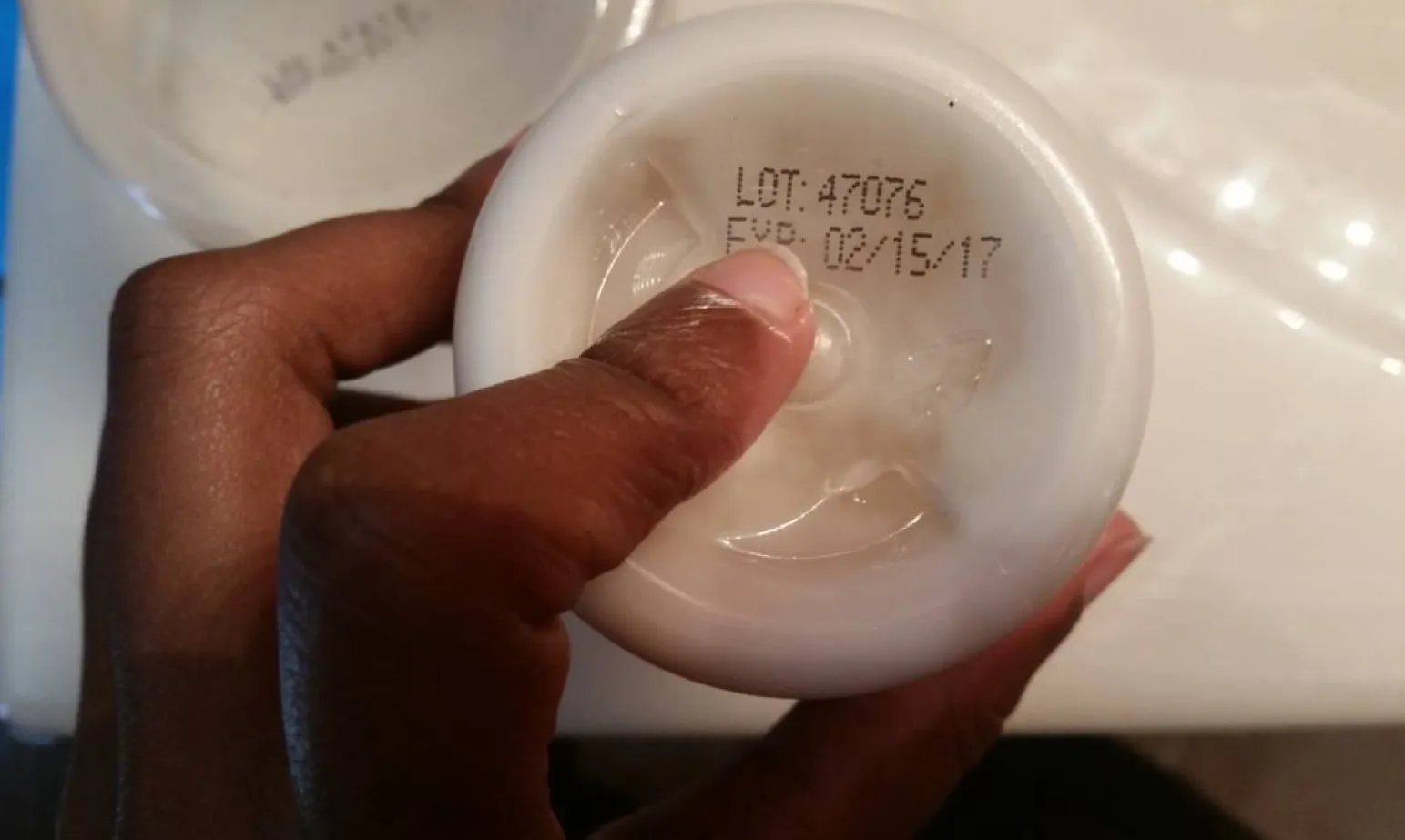
– Near the barcode on the bottom
– Embossed on the cap’s interior rim
– Printed vertically along the bottle seam
12M = 12 months, 24M = 24 months, etc. This timeframe assumes ideal storage—your humid bathroom likely shortens it by 30-50%. PAO dates override “best by” dates on unopened bottles, which only indicate peak freshness (not safety).
Why “Best By” Dates Mislead Consumers
That “best by 2025” stamp? It’s a manufacturer’s quality guarantee—not a safety deadline. Unopened shampoo stored in heat (like a garage) degrades before this date. Always prioritize PAO over “best by” once opened. If no PAO exists (common in older stock), assume 12 months max after opening.
3 Shower Storage Hacks That Extend Shampoo Life by 6+ Months
Where you keep shampoo matters more than the expiration date. These field-tested methods combat the #1 shelf-life killer: bathroom humidity.
The Cabinet Swap That Cuts Degradation by 40%
Move opened bottles to a cool, dark linen closet (not under the sink—plumbing radiates heat). Stable 60-70°F temperatures slow preservative breakdown by 2-3x versus steamy showers. Pro move: Store upside down—this creates an airlock that prevents water seepage into the pump mechanism.
Cap-Down Drying: The 10-Second Ritual
After each use, wipe the neck with a dry towel and store cap-side down for 30 seconds. This evaporates residual moisture in the threads where bacteria thrive. Never leave caps off—even 5 minutes of exposure introduces contaminants.
Pump vs. Flip Cap: Which Lasts Longer?
Pump dispensers reduce contamination by 70% versus flip caps (which dunk into water during rinsing). But if you have flip caps: rinse and dry the cap weekly. A damp cap breeds mold in 72 hours.
Why Natural Shampoos Expire Up to 8 Months Sooner Than Conventional
That “clean beauty” shampoo? It’s a ticking time bomb. Without synthetic parabens or formaldehyde donors, natural formulas rely on weaker preservatives like radish root ferment that degrade rapidly.
The 6-Month Shelf Life Reality Check
Most “preservative-free” shampoos last only 4-6 months after opening—half the conventional shelf life. Essential oils (like tea tree) oxidize fastest, turning irritating within 120 days. Check ingredient order: If water appears after the 5th ingredient, microbial growth accelerates due to low preservative concentration.
When “Separation” Isn’t Normal in Natural Formulas
Natural shampoos separate more readily, but these signs indicate spoilage:
– Permanent oil slick that won’t reincorporate
– Sour dairy smell (lactic acid bacteria growth)
– Thickening into gel (enzyme breakdown)
Critical rule: Natural shampoos stored in clear bottles expire 3x faster—always choose opaque packaging.
When to Toss Your Shampoo: The 12-Month Hard Stop Rule
No matter the formula, discard opened shampoo after 18 months—even if it looks fine. Preservatives lose all efficacy by this point, risking fungal infections like Malassezia. For daily users, replace every 6-8 months; for weekly users, 12 months max. Never gamble with scalp health—when in doubt, throw it out.
Eco-Friendly Disposal: How to Safely Discard Expired Shampoo
Pouring shampoo down drains harms aquatic ecosystems—surfactants suffocate fish and disrupt pH balance. Instead:
1. Solidify liquids by mixing with cat litter or sawdust
2. Wipe residue from bottles with paper towels (dispose in trash)
3. Recycle empty bottles after thorough rinsing
Check Earth911.com for local household hazardous waste drop-offs—many accept personal care products.
Maximize Shampoo Effectiveness: 4 Application Secrets for Longer Bottle Life
How you use shampoo impacts its degradation speed. These pro techniques reduce contamination and extend usability.
Scalp-Only Washing: Cut Exposure by 50%
Apply shampoo only to roots—lengths get cleansed by runoff during rinsing. This halves product exposure to bacteria-laden hands and prevents unnecessary oxidation of mid-lengths.
The 30-Second Lather Rule
Work shampoo into a full lather before applying. This ensures even distribution so you use 30% less product per wash, reducing bottle openings and air exposure.
Cold Water Rinses Preserve Formula Integrity
Hot water strips preservatives from the bottle’s neck during rinsing. Always rinse bottles with cool water after use to maintain seal integrity.
Travel-Sized Bottles Beat Refilling
Never refill full-size bottles with travel tubes—this introduces bacteria. Use single-use minis for trips to keep your primary bottle sealed longer.
Shampoo Shelf Life Final Answer: How Long Can Shampoo Last?
To directly answer “how long can shampoo last”: Unopened bottles last 24-36 months in cool, dark storage. Once opened, replace conventional shampoos within 12-18 months and natural formulas within 6-8 months. The true expiration clock starts at first use—not purchase date. Always trust sensory cues over dates: if smell, texture, or color changes occur, discard immediately regardless of timeline. For maximum safety, write your opening date on the bottle with a permanent marker—this simple habit eliminates guesswork. Remember, expired shampoo doesn’t just clean poorly; degraded surfactants strip natural oils while failed preservatives invite infections. When your bottle shows even one spoilage sign, replace it. Your hair’s health depends on fresh, effective formulas—not false economy.