Ever wonder why your hair feels like straw one week and looks greasy the next? The answer often lies in your shampoo schedule. Finding the right frequency for how many times should you shampoo your hair a week is crucial for healthy hair, yet it’s not a one-size-fits-all solution. Wash too often, and you strip away natural oils that protect your strands. Wait too long between washes, and you’ll battle buildup, odors, and limp, weighed-down hair. Your perfect shampoo rhythm depends entirely on your unique hair type, scalp condition, and lifestyle factors. This guide cuts through the confusion with science-backed frequency recommendations so you can finally achieve balanced, vibrant hair.
The myth that everyone should shampoo daily persists, but overwashing is a leading cause of damaged hair. Conversely, infrequent washing leads to clogged follicles and irritated scalps. Your goal isn’t cleanliness at all costs—it’s equilibrium. When you land on the ideal how many times should you shampoo your hair a week schedule for your biology, you’ll notice shinier strands, reduced breakage, and a scalp that feels comfortably clean all week. Let’s decode your personal shampoo sweet spot.
Identify Your Hair Type to Set Your Shampoo Baseline

Your natural hair texture and scalp oil production dictate your starting frequency. Forget generic advice—your hair’s structure determines how quickly oils travel from roots to ends and how much cleansing it truly needs.
Oily Scalp and Fine Hair Warning Signs
If your roots look shiny and feel slick within 24 hours of washing, you likely have an oily scalp paired with fine strands. This combination creates a perfect storm: sebum travels rapidly down thin hair shafts, making hair appear greasy fast. Fine hair also lacks volume when overloaded with oil, causing that dreaded flat, “unwashed” look sooner than other types. Don’t mistake this for needing daily shampooing—that actually worsens oil overproduction.
Dry, Curly, or Chemically Treated Hair Needs Less Washing
Thick, coarse, curly, or color-treated hair naturally retains moisture longer. Curly textures have bends that slow oil migration from scalp to ends, leaving roots drier. Chemically processed hair (dyed, permed, or relaxed) has compromised cuticles that lose moisture rapidly when washed too often. These hair types thrive with minimal cleansing to preserve fragile natural oils that maintain curl definition and color vibrancy. Washing weekly or less prevents the brittle, frizzy texture that comes from stripped strands.
The Personalized “Just Right” Shampoo Zone
There’s no universal magic number for how many times should you shampoo your hair a week—only your personal equilibrium point. It’s where your scalp feels clean but not tight, and your hair maintains bounce without greasiness. This Goldilocks zone varies by season, activity level, and even hormonal shifts. Start with general guidelines, then adjust based on daily observations. Your hair will signal when you’ve hit the sweet spot: it should feel lightweight, look shiny, and stay fresh between washes.
Match Your Shampoo Frequency to Your Hair’s Actual Needs
While how many times should you shampoo your hair a week depends on individual factors, research shows most people thrive washing 2-3 times weekly. This baseline cleanses without over-stripping. Now refine that number using these hair-type-specific protocols.
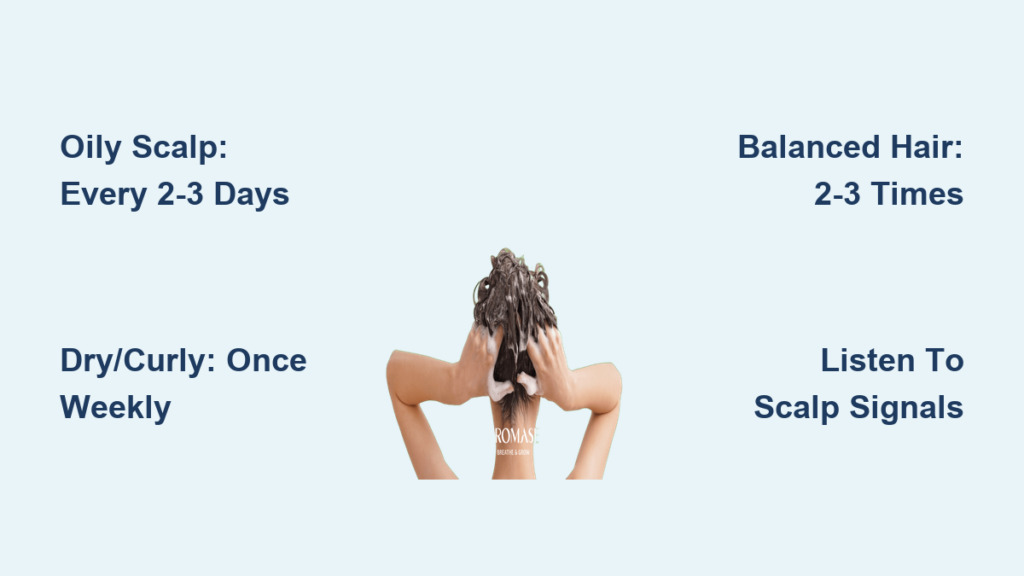
Oily Scalp Protocol: Wash Every 2-3 Days (Not Daily)
Contrary to instinct, those with oily scalps and fine hair should shampoo every 48-72 hours—not daily. Washing daily triggers your scalp to pump out more oil to compensate for perceived dryness. Aim for every other day (3-4 times weekly) initially, then stretch to 72 hours if your scalp adjusts. You’ll notice reduced oiliness within 2-3 weeks as your sebaceous glands recalibrate. If you exercise heavily or live in humid climates, use dry shampoo on off-days instead of full washes.
Balanced Hair Sweet Spot: Every 2-3 Days
Most straight, wavy, or medium-thickness hair types hit equilibrium washing every other day to twice weekly. This frequency removes sweat, pollution, and light product buildup while preserving enough natural oil for shine. It’s the ideal starting point if you’re unsure about your hair type. Monitor how your hair feels on day three: if roots feel oily but ends are dry, you’ve found your rhythm. If hair still looks fresh, stretch to three days between washes.
Dry or Curly Hair Minimum Wash Schedule
Coarse, curly, coiled, or chemically treated hair often needs shampooing just once weekly or even less. These textures rely on natural scalp oils for moisture retention and curl formation. Washing more frequently causes dryness, frizz, and loss of definition. If your curls feel like “sawdust” after washing or your color fades rapidly, you’re shampooing too often. For very dry types, replace shampoo with conditioner washing (co-washing) between full cleanses to refresh without stripping.
Scalp Signals Trump Any Calendar
Your hair and scalp provide real-time feedback on whether how many times should you shampoo your hair a week is optimal. After washing, gently run fingers over your scalp: it should feel smooth, not tight or flaky. By day two, roots should have subtle texture—not greasy slickness. If hair looks lusterless by midday or feels straw-like when touched, reduce washes. If you can’t style hair by day one due to oiliness, increase frequency slightly. Track these signs for two weeks to pinpoint your perfect rhythm.
Spot Overwashing and Underwashing Through Visual Cues
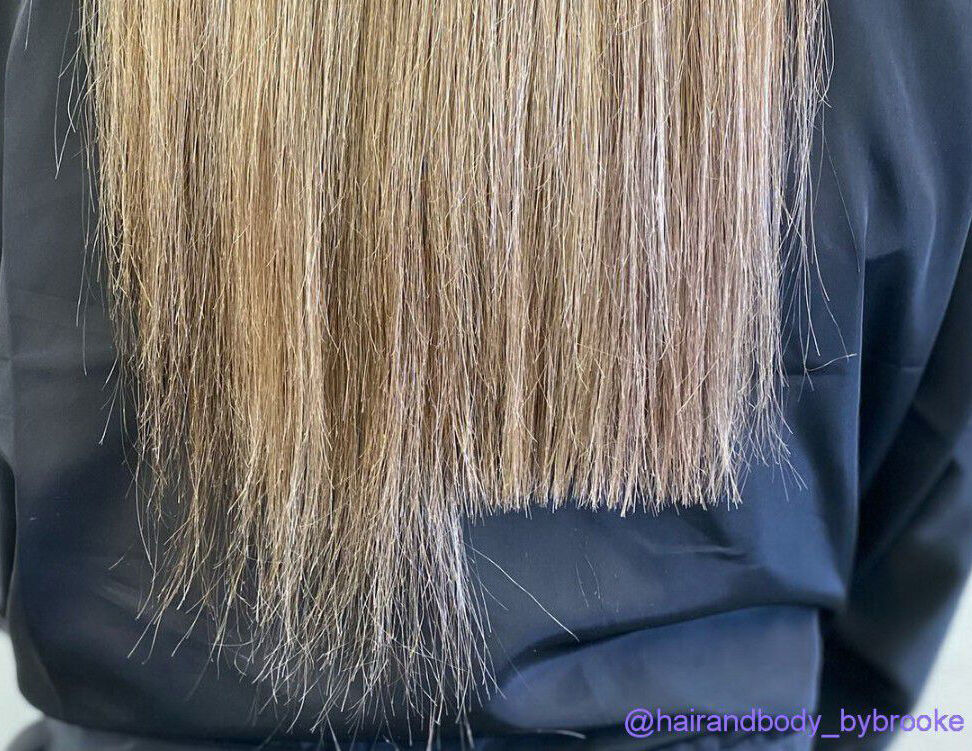
Your hair communicates distress through specific physical changes. Learn these red flags to adjust your how many times should you shampoo your hair a week schedule before damage becomes permanent.
Overwashing Emergency Signs
- Hair snaps easily when combing or tying up, especially near roots
- Scalp feels tight and itchy post-wash, with visible flakes that aren’t dandruff
- Strands look dull under light with no natural shine, even when conditioned
- You need styling products daily just to achieve basic manageability
Underwashing Buildup Indicators
- Grease transfers to your collar within 24 hours of washing
- Hair smells musty even after air-drying, indicating bacterial growth on oils
- Product residue makes roots stiff while ends feel dry (the “dirty but dry” paradox)
- Scalp develops red bumps or persistent dandruff that shampoo doesn’t resolve
Select Shampoos That Complement Your Wash Frequency
Using the wrong formula sabotages even a perfect how many times should you shampoo your hair a week schedule. Match your product to your routine to maintain balance.
Frequent Washers Need Gentle Formulas
If washing 3+ times weekly, choose sulfate-free shampoos labeled “daily use” or “hydrating.” These contain mild cleansers like decyl glucoside that lift dirt without stripping lipids. Avoid clarifying shampoos—they’re too harsh for regular use. Look for pH-balanced formulas (around 5.5) to preserve your scalp’s acid mantle. Apply only to roots, letting suds rinse through ends.
Infrequent Washers Require Targeted Cleansing
When washing once weekly or less, use a balancing shampoo that thoroughly removes buildup without dehydration. Clarifying shampoos are acceptable monthly, but for regular use, seek formulas with apple cider vinegar or charcoal to dissolve oil without sulfates. Apply to scalp, massage 2+ minutes to break down sebum, then rinse thoroughly. Follow with a lightweight conditioner only on mid-lengths to ends.
Curly Hair Special Protocol
For washes spaced 7+ days apart, replace shampoo with a cleansing conditioner (co-wash) containing shea butter or avocado oil. These remove light buildup while depositing moisture. If using shampoo, choose cream-based formulas without lather—curly hair needs cleansing without foam’s drying effect. Always apply conditioner in the shower, then “squeegee” water out by sliding fingers down strands before rinsing.
Pro Adjustments for Seasonal and Lifestyle Changes

Your ideal how many times should you shampoo your hair a week isn’t static. Implement these expert tweaks to maintain balance year-round.
Climate-Responsive Washing
In humid summers, wash oily hair every 48 hours—moisture accelerates oil production. For dry winter air, extend time between washes by 1-2 days; indoor heating dehydrates strands. Always rinse with cool water in hot weather to close cuticles against humidity, and lukewarm water in cold months to prevent scalp dryness.
The Double-Cleanse Technique for Active Lifestyles
If you sweat heavily daily, shampoo twice during your main wash day: first to break down oil/sweat, second for thorough cleansing. Never skip the second wash—it ensures residue removal. On non-wash days, refresh with a vinegar-water spray (1:4 ratio) to neutralize odors without full cleansing.
Hard Water Damage Control
If your water leaves white residue on faucets, minerals are coating your hair. Combat this by using a chelating shampoo (like those with EDTA) once monthly. Between washes, apply lemon juice diluted in water to roots to dissolve mineral buildup. Install a shower filter if possible—it’s the single most effective solution for hard water hair issues.
Final Hair Washing Frequency Checklist
Your perfect how many times should you shampoo your hair a week schedule emerges from consistent observation, not arbitrary rules. Start with 2-3 washes weekly, then adjust based on these non-negotiable signs: Roots should feel clean but not squeaky at 48 hours; strands should glide smoothly through fingers without tangles; and your scalp should feel neutral—not tight, itchy, or oily. Reassess every season, especially during hormonal shifts like pregnancy or menopause that alter oil production. Remember: healthy hair isn’t about how often you shampoo, but how well you respond to your hair’s unique language. When in doubt, skip a wash and observe—your strands will thank you with lasting shine and resilience.