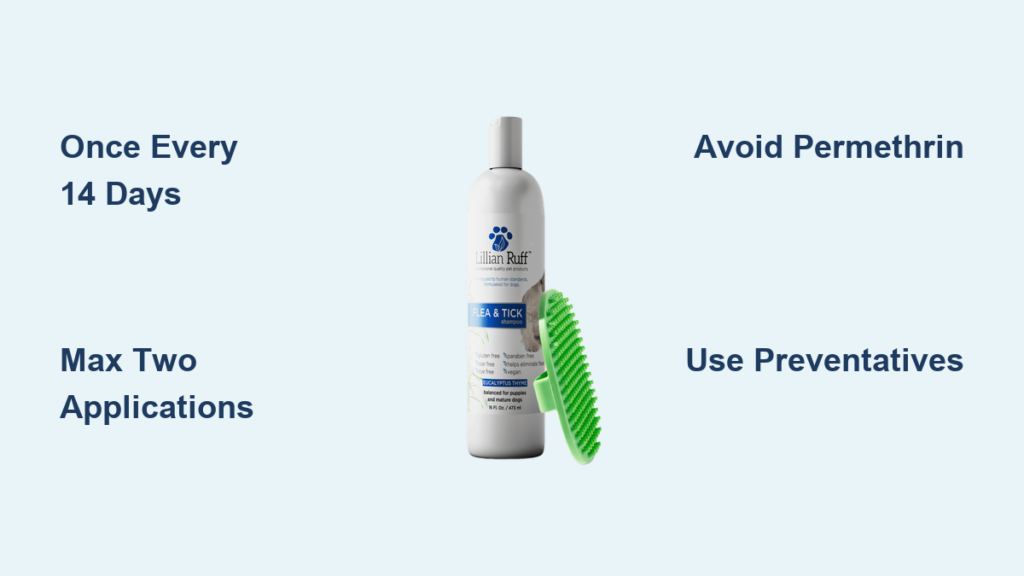
You spot your dog frantically scratching, and those tiny black specks confirm it: fleas have invaded. Your immediate instinct? Grab the flea shampoo for quick relief. But how often can you actually use flea shampoo on your dog before causing more harm than good? Overusing these potent treatments can strip your dog’s natural skin oils, leading to painful dryness, irritation, and even chemical burns. Most veterinarians warn that flea shampoos are emergency tools—not routine solutions—and exceeding recommended frequency risks your pet’s health. This guide cuts through the confusion with vet-approved frequency limits, critical safety protocols, and the smarter long-term strategy to keep your dog truly flea-free without bathing them into discomfort.
Why Flea Shampoos Can’t Solve Your Flea Problem Alone
Immediate Flea Knockdown vs. Lasting Protection
Flea shampoos deliver fast results by killing adult fleas on contact during bath time—giving your dog instant relief from itching. But their power stops there. These topical treatments contain insecticides like pyrethrins that wash off within 24-48 hours, leaving zero ongoing defense against new fleas jumping on your dog. Crucially, they don’t touch flea eggs, larvae, or pupae hiding in your carpets and bedding. That’s why vets emphasize: shampooing provides temporary symptom relief but never breaks the flea life cycle. If you’re using it as your primary defense, you’re guaranteed to face recurring infestations.
The Critical Role of Flea Shampoo in Your Strategy
Think of flea shampoo as your “fire extinguisher” for active outbreaks—not your smoke alarm. It’s most valuable when you spot visible fleas swarming your dog, offering immediate de-infestation before switching to sustainable prevention. Never rely on it for monthly maintenance; its harsh chemicals disrupt your dog’s skin barrier with repeated use. Reserve it strictly for crisis moments, then pivot immediately to veterinarian-recommended preventatives that provide continuous protection without bathing stress.
Sticking to the 2-Week Flea Shampoo Safety Limit
Why Overuse Damages Your Dog’s Skin
Bathing your dog with flea shampoo more often than once every 14 days strips away essential natural oils that protect their skin. This triggers a dangerous cycle: dry, flaky skin causes more scratching, which creates micro-tears where bacteria invade, leading to hot spots and painful dermatitis. The resource document explicitly states that intensive daily or weekly use is unsafe and counterproductive. If your dog develops redness, excessive dandruff, or increased itching after shampooing, you’ve crossed the frequency threshold—stop immediately and switch to gentle oatmeal baths.
Emergency Infestation Protocol: The 72-Hour Rule
During severe outbreaks with visible flea clusters, you might need to shampoo twice—but with strict limits. Use it once to eliminate the current infestation, then wait at least 72 hours before a second application if live fleas persist. Never shampoo consecutively. After this emergency phase, enforce a mandatory 10-14 day break to let your dog’s skin recover. This two-bath maximum approach aligns with product labels and prevents chemical overload while giving temporary relief.
Pyrethrins vs. Permethrin: Decoding Flea Shampoo Labels Safely
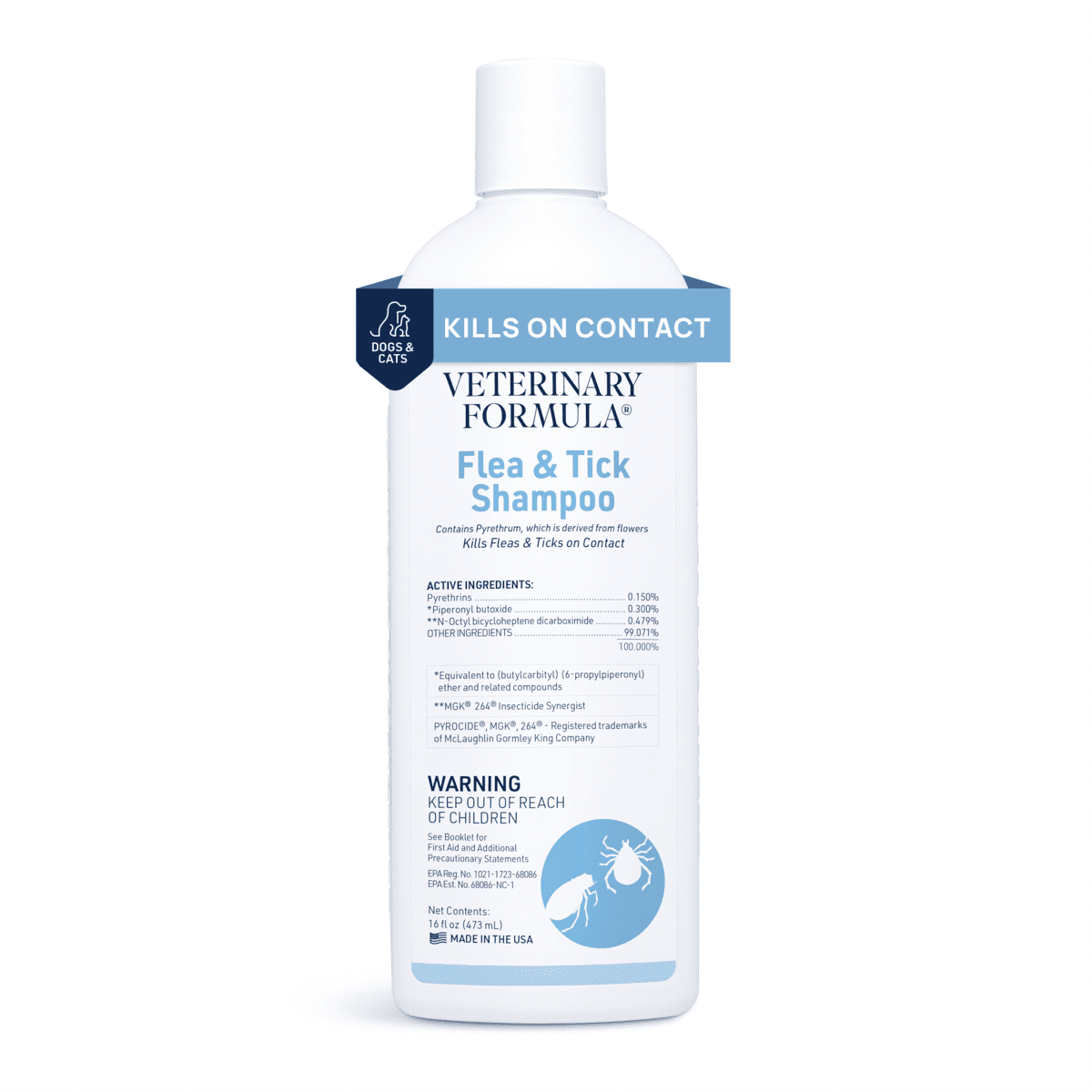
Spotting Cat-Toxic Ingredients on Dog Shampoos
Your flea shampoo label holds life-or-death information, especially if you own cats. Pyrethrins (natural chrysanthemum extracts) are generally dog-safe but still require caution. Far more dangerous are pyrethroids like permethrin—synthetic versions found in many dog shampoos that cause fatal neurological toxicity in cats. If your label lists “permethrin,” “tetramethrin,” or “phenothrin,” store it securely away from felines and keep treated dogs isolated until completely dry. Never assume “all pet” shampoos are universal—90% of dog flea products kill cats.
Organophosphate Shampoos: The Hidden Danger Zone
Some budget flea shampoos contain organophosphates (chlorpyrifos, fenthion), which attack the nervous system of pests—and pets. These require extreme caution due to high toxicity risks for dogs and humans. The resource document explicitly warns to avoid these unless prescribed by your vet, as they can cause vomiting, seizures, or respiratory distress with improper use. Always choose pyrethrin-based shampoos over organophosphates for safer emergency treatment.
Why Flea Shampoos Lose to Monthly Preventatives

Flea Shampoo’s Fatal Flaw: Zero Residual Protection
That satisfying “flea kill” during bath time is meaningless within hours. Flea shampoos evaporate off your dog’s coat, offering no barrier against new invaders. Meanwhile, oral preventatives like NexGard or Bravecto work systemically—killing fleas for 30-90 days per dose by making your dog’s blood lethal to biting pests. Spot-ons like Frontline create invisible protective layers on the skin. This continuous defense stops fleas from laying eggs, breaking the infestation cycle at its source.
Cost and Convenience Comparison You Can’t Ignore
Frequent shampooing costs more than you think: $15-$25 per bottle used monthly adds up to $180-$300 yearly, plus your time battling a stressed, slippery dog. Monthly preventatives average $40-$70 annually with painless application. More importantly, shampoos miss 95% of the flea problem (eggs/larvae in your home), while preventatives stop fleas before they bite—saving you from endless re-infestations. Your dog’s comfort and your wallet both win with modern solutions.
Step-by-Step: Bathing Your Dog with Flea Shampoo Safely
Pre-Bath Safety Checklist
Before wetting your dog, complete these non-negotiable steps:
– Verify product suitability: Confirm age/weight compliance (puppies under 8 weeks need vet guidance)
– Patch test: Apply dime-sized diluted shampoo behind the ear; monitor 24 hours for redness/swelling
– Gather supplies: Rubber gloves, eye protection, lukewarm water, timer, and towels
The 5-Step Bathing Protocol That Prevents Harm
- Dilute correctly: Mix shampoo per label instructions (undiluted concentrate causes burns)
- Avoid danger zones: Lather from neck down—never near eyes, ears, or mouth
- Set a timer: Leave lather on for exactly 5-10 minutes (max)—no longer
- Rinse relentlessly: Flush for double the lathering time until water runs clear
- Dry thoroughly: Towel-dry completely before letting your dog shake or roam
Skipping any step risks chemical residue absorption through skin or accidental ingestion during grooming.
Avoid These 3 Deadly Flea Shampoo Mistakes
Mistake #1: Ignoring Environmental Flea Control
Shampooing only treats fleas on your dog—not the 95% of the infestation hiding as eggs in carpets, furniture, and bedding. If you don’t vacuum daily (immediately disposing of the bag) and wash all pet bedding in hot water, new fleas will reinfest within days. Combine shampooing with environmental sprays containing insect growth regulators (IGRs) to sterilize developing fleas.
Mistake #2: Using Dog Shampoo on Cats
This error kills thousands of cats yearly. Permethrin-based dog shampoos cause uncontrollable tremors, seizures, and death in felines. Even if applied to dogs, residue on your hands or furniture can poison cats. Always use cat-specific products (like pyrethrin-only formulas) and separate pets for 24 hours post-application.
Mistake #3: Skipping Veterinary Consultation
Never assume over-the-counter shampoos are safe for puppies, seniors, or dogs with allergies/skin conditions. Organophosphate shampoos can worsen thyroid issues, while pyrethrins may trigger reactions in sensitive breeds. Your vet can prescribe gentler alternatives like Dawn dish soap for fragile dogs—never guess when your pet’s health is at stake.
Building a Bulletproof Flea Defense Beyond Shampoo
The 3-Part Flea Eradication System
For permanent results, integrate these steps after emergency shampooing:
1. Immediate: Use flea shampoo once to eliminate visible adults
2. Ongoing: Apply vet-recommended oral/spot-on preventatives monthly without fail
3. Environmental: Vacuum daily + wash bedding weekly + use yard sprays in shaded areas
This approach targets all flea life stages simultaneously—starving the infestation at every level.
Dawn Dish Soap: The Emergency Flea Wash Hack
For puppies under 8 weeks, senior dogs, or pets with chemical sensitivities, plain blue Dawn dish soap offers a non-toxic alternative. Its grease-cutting formula drowns adult fleas on contact without harsh chemicals. Wet your dog, lather Dawn thoroughly (avoiding eyes), leave for 5 minutes, then rinse completely. Use only once per infestation—never as routine care—as it still strips natural oils.
Your Dog’s Flea-Free Future Starts With This Schedule
How often can you use flea shampoo on your dog? Once every 14 days maximum during active outbreaks—and only as a bridge to long-term prevention. Never exceed two consecutive applications, and always follow with veterinarian-prescribed preventatives. Remember: if you’re shampooing monthly, you’re causing skin damage while failing to stop reinfestation. The true solution lies in breaking the flea life cycle through year-round preventatives combined with environmental control. Within 3 months of this integrated approach, you’ll eliminate fleas permanently—keeping your dog comfortable, itch-free, and safe from the risks of overbathing. Consult your vet today to build a tailored flea defense that works while protecting your dog’s delicate skin for life.