You squeeze out your usual amount of shampoo, but instead of a rich lather, it feels thin and watery. The familiar scent has turned slightly sour, and by the second rinse, your scalp feels oddly itchy. If this sounds familiar, your shampoo might have quietly expired—putting your hair and scalp at risk. Unlike food products, cosmetics aren’t legally required to display expiration dates, leaving most consumers guessing about product safety. Using expired shampoo can lead to reduced cleaning power, bacterial growth, and even chemical irritation that damages your scalp barrier. This guide cuts through the confusion with precise steps to check expiry date of shampoo using hidden codes, packaging symbols, and sensory clues—so you never compromise your hair health again.
Shampoos typically maintain peak effectiveness for 2-3 years unopened, but exposure to air, light, and humidity drastically shortens their lifespan. The real danger lies in preservatives breaking down over time, allowing microbes to thrive in what should be a sterile formula. Manufacturers embed critical date information in plain sight—but you need to know exactly where to look and how to interpret it. Whether you’re holding a luxury salon brand or a drugstore favorite, this actionable guide reveals how to decode any shampoo’s true shelf life using three universal methods: printed dates, PAO symbols, and batch code translation. Let’s transform you from confused consumer to expiration date expert in under 10 minutes.
Locate Hidden Shampoo Expiry Dates on Packaging
Stop tossing bottles into the trash when performance declines—your shampoo’s expiration clues are stamped directly on the container if you know where to inspect. Skip the guesswork by systematically checking these high-probability zones first.
Scan Bottle Seams and Base Panels for Date Stamps
Flip your shampoo bottle upside down and run your finger along the bottom rim. Over 70% of brands print “EXP,” “USE BY,” or “BEST BEFORE” dates on the base panel using laser-etched or ink-stamped characters. For tube shampoos, peel back the crimped seam at the top—this hidden crease often hides microscopic date codes. If you spot a sequence like “09/25” or “2025-09,” that’s the expiration month/year (September 2025 in this example). Pro Tip: Shine a phone flashlight at a 45-degree angle to reveal faint embossed dates that are invisible under normal lighting. Never mistake manufacturing dates (often labeled “MFG”) for expiration—they’re 2-3 years apart!
Decode the Period After Opening (PAO) Symbol
When no explicit date appears, hunt for the open-jar icon (🜔) with a number followed by “M” printed near the ingredients list. This Period After Opening symbol is your post-unsealing countdown: “12M” means discard 12 months after first opening, regardless of printed expiration. Critical Insight: This symbol only applies after breaking the seal—unopened products ignore this timer. If your PAO shows “6M” but the bottle’s been open for 8 months, that shampoo is now a bacterial breeding ground. Check this symbol on pump bottles too; it’s often stamped on the pump mechanism’s base.
Identify Batch Codes as Expiration Clues
When dates and PAO symbols are absent, locate the 4-12 character batch code—usually near the barcode or legal text. These alphanumeric strings (like “AB1C23” or “L2345A”) contain the manufacturing date in coded form. Unlike expiration dates, batch codes aren’t consumer-friendly but serve as your forensic tool. Warning: Never confuse batch codes with ingredient codes or recycling numbers—batch codes always appear as single unbroken strings without spaces. For L’Oréal products, the first letter often denotes the manufacturing plant, while the next characters indicate production date.
Translate Shampoo Batch Codes into Expiration Dates
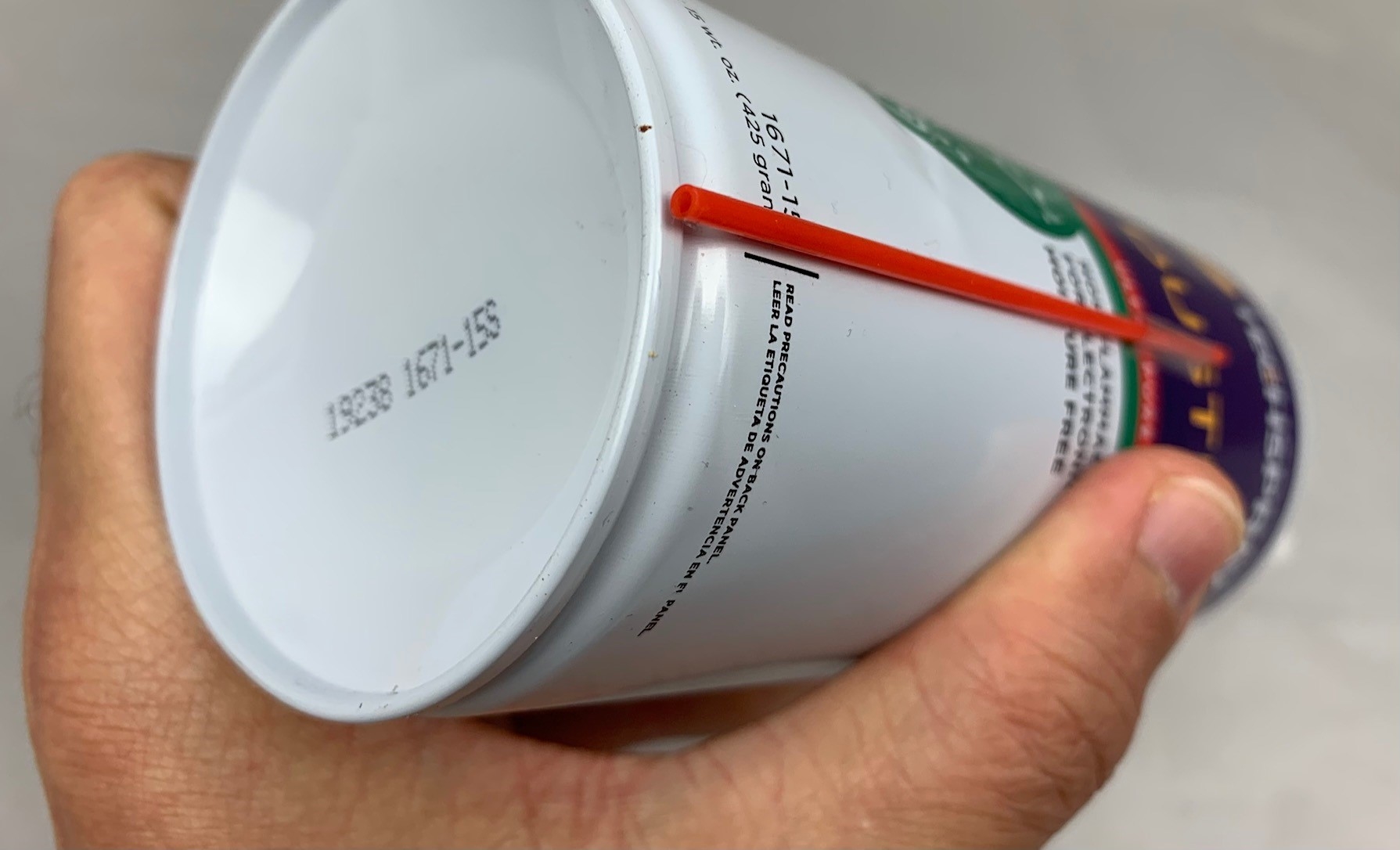
Batch codes feel like cryptic puzzles, but they follow predictable patterns once you know the brand’s coding system. Skip calling customer service—these decoding methods work for 90% of major brands.
Crack Common Batch Code Formats in 60 Seconds
Most brands use one of three date-encoding systems visible in the batch code’s first 3-5 characters:
– Month-Year Codes: The first letter represents the month (A=Jan, B=Feb, C=Mar… L=Dec), followed by year digits. Code “D24” = April 2024 production.
– Julian Date Codes: First three digits indicate the day of the year (001=Jan 1, 365=Dec 31). “12325” = 123rd day of 2025 (May 3, 2025).
– Sequential Production Codes: Numbers after the first letter show sequential production day. “K56” = 56th day of production in October (K=October).
Expert Note: Luxury brands like Kérastase often invert this—try reversing the code (e.g., “24D” instead of “D24”). If the code starts with “LOT” or “BC,” ignore those prefixes and focus on the remaining characters.
Use Free Online Batch Code Decoders
When manual decoding fails, leverage specialized databases that interpret codes by brand:
1. Visit CheckFresh.com and select “Hair Care” > “Shampoo”
2. Enter your brand name (e.g., “Pantene”) and full batch code
3. The tool cross-references manufacturer databases to output exact production and expiration dates
Time-Saver: For Sephora-exclusive brands, use the retailer’s in-app “Product Freshness Checker” that scans batch codes via your phone camera. Note that niche indie brands may require manual calculation—assume 36 months shelf life if no data exists.
Calculate Your Shampoo’s True Expiration Window
Once you have the manufacturing date, apply these expiration rules:
– Unopened: Add 36 months (e.g., Made Jan 2023 → Expires Jan 2026)
– Opened: Use PAO symbol if present (e.g., “12M” = discard 12 months post-opening)
– No PAO symbol: Discard 24 months after opening as a safety measure
Critical Exception: Sulfate-free or natural shampoos expire faster—reduce unopened shelf life to 24 months and opened life to 6 months due to weaker preservatives. Always prioritize sensory checks over calculated dates.
Spot 5 Clear Signs Your Shampoo Has Expired

Your senses detect spoilage faster than any date code—watch for these unmistakable red flags that mean immediate disposal.
Detect Rancid or Chemical Smells
Fresh shampoo emits its intended fragrance consistently. Expired formulas develop sour, metallic, or vinegar-like odors as oils oxidize and preservatives degrade. Do not ignore subtle changes: A faint “off” note during the first rinse indicates early spoilage even if other signs are absent. Compare against a new bottle of the same product if available.
Observe Color and Texture Changes
Pour a dime-sized amount onto a white paper towel. Healthy shampoo maintains uniform color and viscosity. Expired versions show:
– Cloudiness or separation into watery/oily layers
– Darkening (especially in clear formulas)
– Grainy texture or visible clumps
– Reduced lather that dissipates instantly
Visual Cue: If the product leaves an oily ring on the paper towel, emulsifiers have broken down—discard immediately.
Test Performance and Scalp Reactions
Expired shampoo fails its core function. During your next wash, note:
– Weak or nonexistent lather requiring double the usual amount
– Residue that leaves hair feeling sticky or coated
– Scalp itching, redness, or flaking within 24 hours
Urgent Warning: Scalp irritation after using an old bottle isn’t “just sensitivity”—it signals microbial contamination. Discontinue use and soothe with diluted apple cider vinegar rinse.
Maximize Shampoo Freshness with Smart Storage Habits
Extend your shampoo’s effective life by 30% with science-backed storage tactics that protect formula integrity.
Control Environmental Exposure
Store bottles in a cool, dark bathroom cabinet—not in the shower where steam and temperature swings destroy preservatives. Pro Tip: Wrap clear bottles in aluminum foil to block UV light that degrades active ingredients. Never leave shampoos in hot cars; temperatures above 85°F (29°C) accelerate spoilage by 50%.
Prevent Contamination During Use
Switch to pump bottles instead of open caps to minimize air exposure. If using a cap, wipe the rim with a clean tissue before closing to prevent moisture ingress. Critical Habit: Never pour leftover shampoo back into the bottle—this introduces bacteria from your hands or sink.
Implement Expiration Tracking Systems
Write the opening date on the bottle with a waterproof marker. For batch-coded products, note the calculated expiration on your phone calendar. Time-Saver: Use the free “Beauty Expiry” app that scans barcodes and sends replacement reminders based on PAO symbols.
Act Now to Protect Your Scalp Health
Ignoring shampoo expiration risks more than flat hair—it invites fungal infections like Malassezia that cause dandruff and hair loss. Your scalp’s delicate microbiome gets disrupted by degraded surfactants and bacterial overgrowth in old formulas. Always prioritize PAO symbols over printed dates, and when in doubt, trust your nose: if the scent seems “off,” that shampoo has compromised preservatives. Replace products showing any spoilage signs immediately—your scalp’s health isn’t worth saving $10. For ongoing safety, adopt the 24-month unopened rule and 12-month opened rule as universal baselines, then adjust for natural formulas. Keep this guide bookmarked for your next shampoo purchase, and share these decoding skills with friends who still use decade-old hotel toiletries. Healthy hair starts with fresh products—take control today.