That sudden clump of hair in your shower drain after switching shampoos sends a chill down your spine. You’re not imagining it—hair shedding, scalp irritation, or unexplained thinning can trace back to your new bottle sitting on the shelf. While shampoos don’t directly destroy hair follicles like medical conditions, harsh or allergenic ingredients trigger reactions that mimic hair loss through inflammation, breakage, or stress-induced shedding. This guide cuts through the confusion with a step-by-step diagnostic approach—no guesswork required. You’ll learn exactly how to pinpoint if your shampoo is the culprit, distinguish real shedding from breakage, and take targeted action to restore your scalp’s health.
Spotting the Critical Timeline: When New Shampoo Triggers Hair Shedding
The clearest red flag isn’t just hair loss—it’s when it starts. If you notice increased shedding, scalp itching, or flaking within 72 hours to 4 weeks of using a new shampoo, that product is likely the trigger. This tight timeline matters because allergic contact dermatitis—where irritants inflame your scalp—typically flares up rapidly after exposure. For example, switching to a clarifying shampoo like Neutrogena’s Anti-Residue formula might cause immediate dryness, while preservatives like methylisothiazolinone (common in Ouai Detox Shampoo) can spark delayed reactions up to two weeks later. Crucially, this isn’t permanent hair loss but a stress response: severe inflammation pushes hair follicles prematurely into the resting phase, causing noticeable shedding 2–4 months later. If your hair loss began before changing products or creeps along gradually for months, other culprits like hormonal changes or nutrient deficiencies are more probable.
How to Track Your Shampoo Timeline Accurately
- Log your routine: Note the exact start date of any new shampoo and document daily shedding (e.g., “100+ strands on Day 5”).
- Map symptoms: Use your phone’s camera to photograph scalp redness or flaking weekly—subtle changes are easy to miss.
- Rule out confounders: Did you start a new medication, experience extreme stress, or change diets simultaneously? These can mask shampoo-related issues.
Recognizing Scalp Symptoms That Confirm Shampoo Reactions
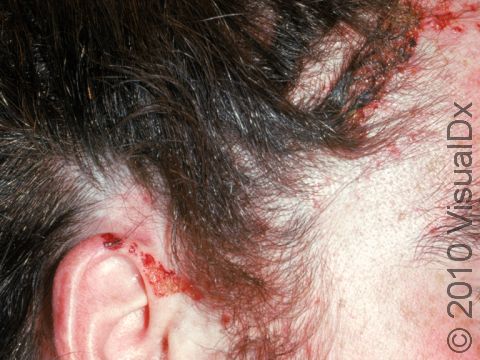
Hair loss alone rarely points to shampoo—it’s the combination with specific scalp distress signals. If your shampoo is causing trouble, you’ll see at least two of these symptoms flaring together:
- Intense itching that worsens during washing (a hallmark of allergic contact dermatitis)
- Scalp redness or swelling resembling sunburn, especially along the hairline
- Sudden dandruff-like flakes that resist anti-dandruff treatments
- Tenderness when touching your scalp or pain when styling hair
These reactions often stem from fragrances (“parfum” on labels), which hide dozens of unlisted chemicals and cause 90% of cosmetic allergies. Botanical extracts like tea tree oil (common in “natural” shampoos) or dyes can also inflame sensitive scalps. Unlike androgenetic alopecia—which thins hair evenly at the crown—shampoo reactions typically cause diffuse shedding across your entire scalp. If you spot patchy bald spots or scaly patches that ooze, see a dermatologist immediately; these signal alopecia areata or infections, not shampoo reactions.
Why Fragrance-Free Shampoos Are Non-Negotiable for Diagnosis
Switching to a fragrance-free formula like Vanicream is the fastest way to test your theory. Fragrance is the top allergen in cosmetics, and “unscented” products often use masking chemicals that still irritate. During your elimination phase:
– Avoid anything labeled “parfum,” “essential oils,” or “botanical extracts.”
– Choose shampoos with the National Eczema Association’s Seal of Acceptance—they’re vetted for minimal irritants.
– Skip conditioners too; their silicones can trap irritants against your scalp.
How to Tell Real Hair Shedding From Breakage (The Root Test)
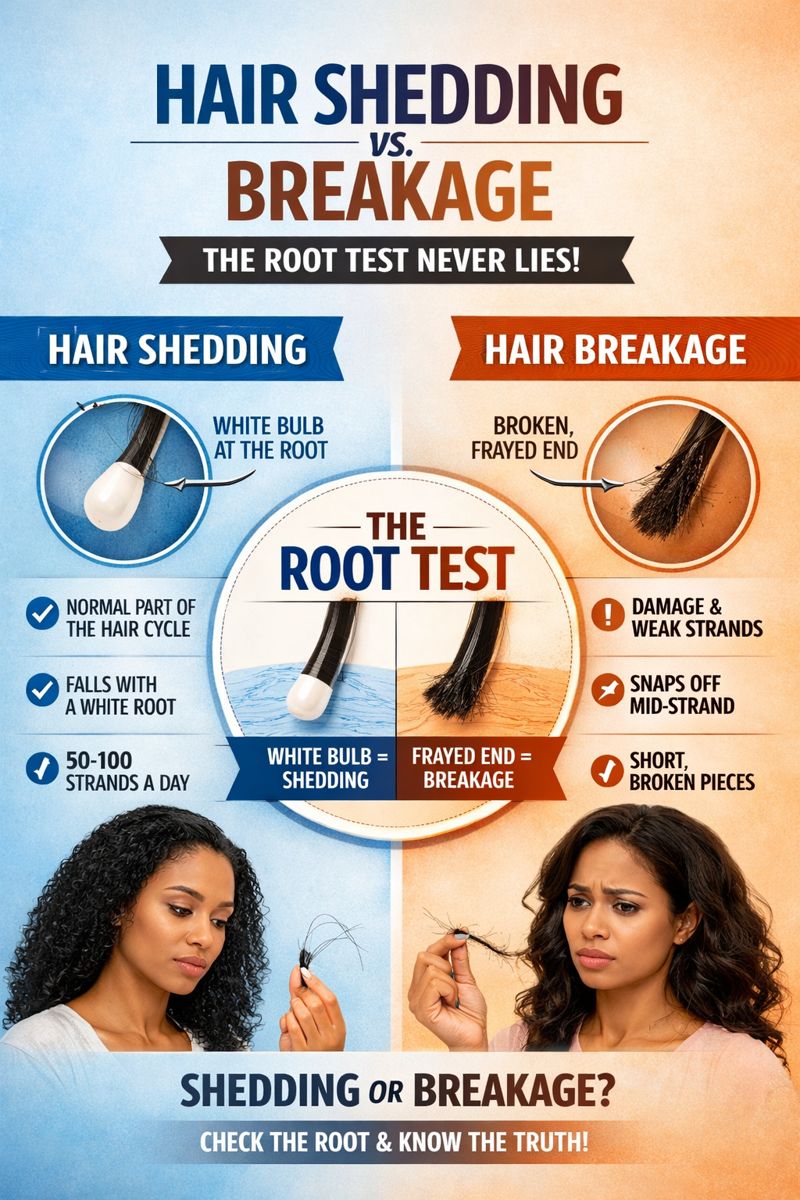
Confusing breakage with shedding derails your diagnosis. Shed hair has a tiny white bulb at the root—a sign it fell out naturally from the follicle. Broken hair ends are blunt, uneven, and shorter than your natural length. Here’s how to spot the difference:
- Collect shed hairs from your brush after 24 hours.
- Examine the ends under bright light:
– Bulb present? → True shedding (your shampoo may have triggered scalp inflammation).
– No bulb, jagged ends? → Breakage (caused by harsh surfactants like SLS weakening the hair shaft).
Shampoos rarely cause true shedding but do accelerate breakage. Clarifying formulas (e.g., Davines Volume Shampoo) strip natural oils, leaving hair brittle. If broken strands litter your pillowcase but your scalp looks healthy, the issue is likely mechanical damage—not your shampoo.
Problem Ingredients in Shampoos That Trigger Hair Loss
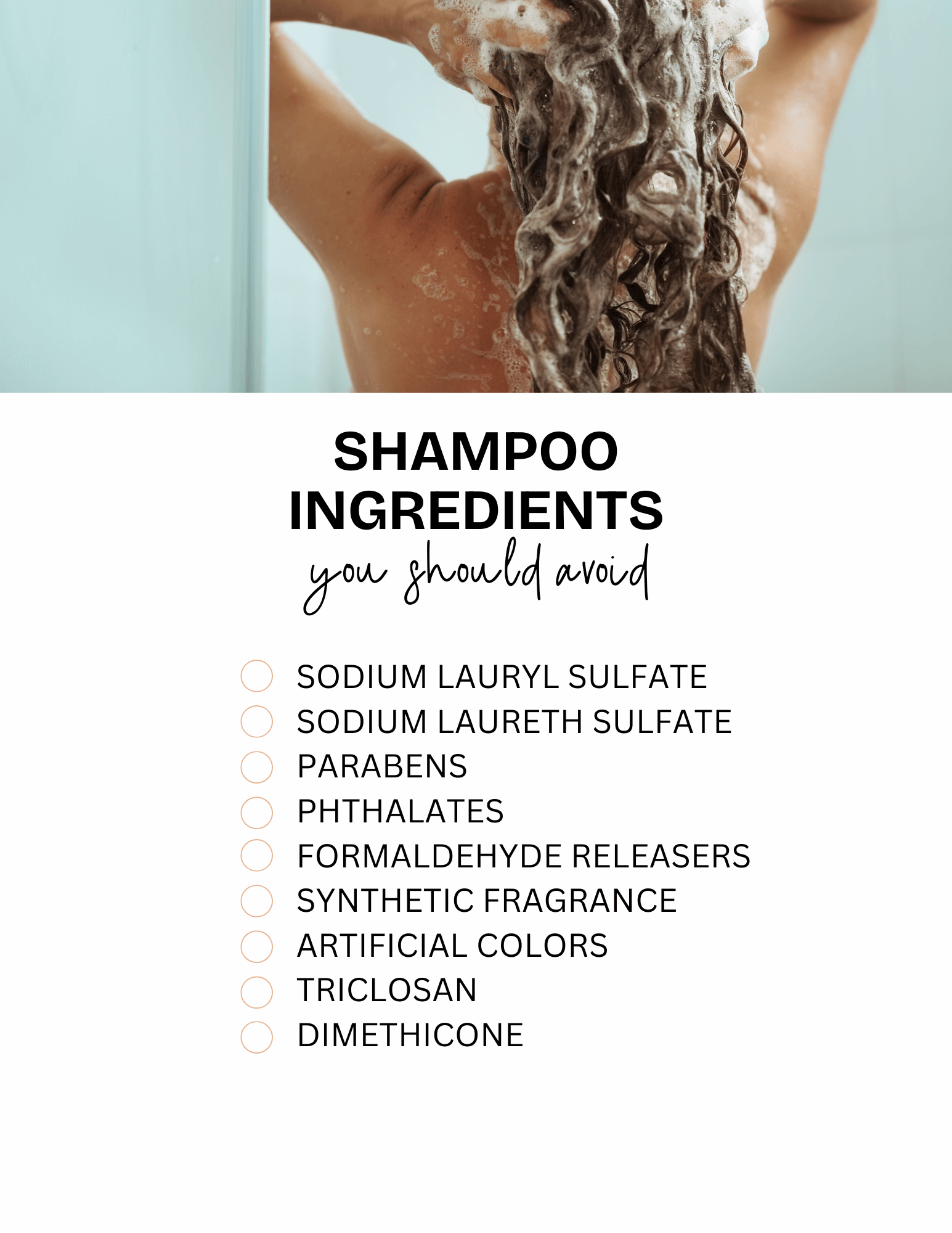
Not all shampoos are equal offenders. Target these high-risk culprits when checking labels:
- Preservatives: Methylisothiazolinone (MI) and methylchloroisothiazolinone (MCI) cause 15% of contact dermatitis cases. Check ingredient lists for “Kathon CG” or “Euxyl K 100.”
- Harsh surfactants: Sodium Lauryl Sulfate (SLS) strips protective oils, making scalp more permeable to allergens. Often hidden in “clarifying” shampoos like Redken Volume Injection.
- Fragrances: “Parfum” or “fragrance” tops the list—avoid brands using proprietary scent blends (e.g., Ouai).
- Botanical extracts: Tea tree oil, propolis, and lavender—ironically marketed as “soothing”—are top allergens.
Sulfate-free shampoos aren’t automatically safe; alternatives like cocamidopropyl betaine can still irritate sensitized scalps. If you’ve reacted before, avoid all products containing MI or MCI—cross-reactivity is common.
Step-by-Step: Eliminate and Confirm Your Shampoo Culprit
This 6-week protocol isolates shampoo reactions faster than any blood test:
Week 1–4: The Elimination Phase
- Stop all suspect shampoos immediately.
- Switch to a single-ingredient cleanser: Use only Vanicream or Free & Clear Gentle Shampoo.
- Track daily: Count shed hairs and note scalp comfort. Relief within 2 weeks strongly implicates your old shampoo.
Week 5–6: The Challenge Test (Optional)
Only attempt if symptoms improved:
1. Patch test first: Apply a dime-sized amount behind your ear for 48 hours. If no redness/itching occurs, proceed.
2. Reintroduce cautiously: Use the suspect shampoo once on clean hair.
3. Watch for rebound symptoms: Itching or shedding within 72 hours confirms the link.
Critical mistake to avoid: Don’t test multiple products at once. Introduce one new item every 2 weeks to avoid confusion.
When to See a Dermatologist Immediately (Don’t Wait)
Stop home testing if you notice:
– Hair falling out in clumps (more than 100 strands daily)
– Bald patches or smooth, scarred scalp areas
– Pus, oozing, or severe pain on your scalp
– No improvement after 8 weeks of using gentle shampoo
A dermatologist can perform a pull test (gently tugging 50 hairs—if 10+ come out, active shedding is confirmed) or patch testing to identify specific allergens. They’ll also rule out thyroid disorders or alopecia areata with blood work. Bring your suspect shampoo bottle—it helps pinpoint ingredients for testing.
Switching Safely: Choosing a Hypoallergenic Shampoo After Reaction
Once you confirm shampoo involvement, rebuild your routine with these rules:
– Prioritize “fragrance-free” over “unscented”: The latter often contains masking chemicals.
– Aim for 5–10 ingredients max: Look for water, glycerin, and a mild surfactant like decyl glucoside.
– Verify certifications: Products with the National Eczema Association Seal avoid known irritants.
– Patch test new products: Apply to your inner arm for 3 days before scalp use.
Brands like True Botanicals Pure Shampoo (free of MI/MCI and fragrance) or Exederm Forte work for sensitive scalps. Avoid “strengthening” shampoos—they often contain proteins that build up and clog follicles.
Final Note: Shampoos rarely cause permanent hair loss, but they can trigger significant shedding that feels alarming. By tracking your timeline, identifying scalp symptoms, and rigorously testing products, you’ll pinpoint the culprit within weeks. If shedding persists beyond 6 months after eliminating suspect shampoos, consult a dermatologist to explore medical causes. Remember: hair regrowth takes patience—true recovery often requires 3–6 months once the irritant is removed. Start your elimination phase today, and within weeks, you’ll know for certain whether that shampoo bottle belongs in your trash or your shower.