Tired of expensive shampoos that leave your hair dull and lifeless? You’re holding the solution in your kitchen pantry right now. How to make rice water shampoo is a beauty secret passed down through generations in Asian communities, and it’s finally going mainstream for good reason. This milky liquid—created from nothing more than rice and water—contains inositol, a powerful carbohydrate that penetrates deep into your hair shaft to repair damage from within. Women in China’s Huangluo Yao Village have maintained legendary hair health for centuries using this exact method, with many boasting remarkably strong, grey-resistant hair well into old age. In this guide, you’ll discover exactly how to transform ordinary rice into a salon-worthy hair treatment that costs pennies per use.
Forget complicated recipes or hard-to-find ingredients. Your journey to stronger, shinier hair begins with a half-cup of rice and 20 minutes of your time. Unlike commercial shampoos loaded with sulfates that strip natural oils, rice water shampoo works with your hair’s biology to reduce breakage while adding incredible slip and shine. Whether you’re battling post-bleach damage, postpartum hair loss, or just want healthier-looking locks, this natural treatment delivers visible results in as little as two weeks. By the end of this guide, you’ll know precisely how to make rice water shampoo using two proven methods, plus insider tricks to customize it for your specific hair type.
Why Rice Water Shampoo Strengthens and Smooths Hair
Rice water shampoo isn’t just a viral trend—it’s science-backed hair therapy. When you soak or boil rice, the starchy liquid released contains high concentrations of inositol, amino acids, and B vitamins that actively repair damaged cuticles. Unlike surface-level conditioners, inositol penetrates the hair cortex to reinforce structural integrity from within, reducing surface friction by up to 30% according to traditional use observations. This molecular repair translates to real-world benefits: less breakage when brushing, significantly reduced frizz, and that coveted “just-left-the-salon” shine.
The fermentation process elevates these benefits dramatically. As rice water sits at room temperature, natural lactobacilli bacteria develop that boost antioxidant levels and increase amino acid bioavailability. This is why the Yao women of Huangluo achieve such extraordinary hair health—their fermented rice water treatments deliver nutrients 2-3 times more effectively than non-fermented versions. You’ll notice the difference immediately: hair that feels denser, recovers elasticity faster after styling, and develops a natural protective barrier against environmental damage.
Two Foolproof Methods to Make Rice Water Shampoo at Home
Skip the store-bought versions and create truly effective rice water shampoo using either of these kitchen-tested methods. Both take under 30 minutes with zero special equipment—just grab your rice bag and a clean jar.
Make Rice Water Shampoo in 15 Minutes: The Boiling Method
When you need instant results before a special event, this boiling technique delivers potent rice water shampoo using your cooking water. Never waste starchy rice water again—it’s pure hair gold.
- Rinse ½ cup white or brown rice under cool water until the runoff runs clear (removes surface starch and impurities)
- Combine rice with 2½ cups filtered water in a small pot (use glass or stainless steel to avoid metallic taste)
- Bring to a gentle boil, then reduce heat and simmer uncovered for 12-15 minutes until water turns opaque white
- Strain immediately through a fine-mesh sieve into a glass container—discard cooked rice or save for meals
- Cool completely to room temperature before applying (warm water opens cuticles too much)
Pro Tip: For extra-strength shampoo, simmer 20 minutes until liquid reduces by one-third. The thicker consistency coats hair better for coarse or damaged textures.
Ferment Rice Water Shampoo for Maximum Strength: Traditional 48-Hour Method
This is the Yao women’s secret weapon for transformative hair repair. Fermentation multiplies the amino acids that rebuild broken disulfide bonds in damaged hair.
- Soak ½ cup rice in 2 cups spring water in a sterilized glass jar (cover with breathable cloth secured by rubber band)
- Wait 24 hours at room temperature away from direct sunlight (bubbles will form as natural yeasts activate)
- Strain rice, then return liquid to clean jar with fresh cloth covering
- Ferment 24-48 hours until it develops a pleasant yogurt-like tang (discard if foul-smelling)
- Refrigerate immediately to pause fermentation—use within 7 days
Critical Checkpoint: Swirl the jar at hour 36. If you see swirling “pearlescent” strands and smell mild sourdough (not rotten), it’s perfectly fermented. This visual cue guarantees maximum inositol concentration.
Apply Your Rice Water Shampoo for Salon-Worthy Results
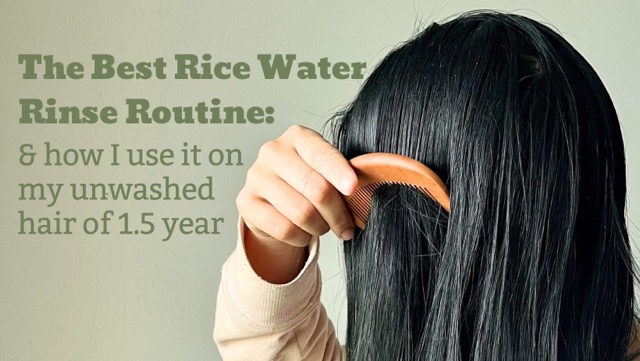
Using your homemade shampoo correctly makes all the difference between mediocre and miraculous results. These application techniques target specific hair concerns while preventing common mistakes.
Pre-Shampoo Scalp Treatment for Thinning Hair
For noticeable reduction in hair fall within 2 weeks, apply fermented rice water directly to your scalp 30 minutes before washing:
- Section damp (not wet) hair into 4 parts
- Use a spray bottle or dropper to saturate roots
- Massage firmly in circular motions for 2 minutes (stimulates follicles)
- Cover with shower cap and warm towel—heat opens cuticles for deeper penetration
- Leave for full 30 minutes before shampooing
Warning: Never apply undiluted fermented rice water to sensitive scalps—mix 1:1 with cool water first to avoid tingling.
Final Rinse Technique for Instant Shine on Fine Hair
Thin hair gets weighed down by most treatments, but this 5-minute rice water shampoo finish adds volume-boosting shine without residue:
- Shampoo and condition as usual
- Mix ½ cup cooled boiled rice water with 1 cup cold water
- Pour slowly over hair while head is tilted back (prevents runoff)
- Gently squeeze from roots to ends—do not rub
- Wait exactly 3 minutes (timing is critical for fine hair)
- Rinse with cool water only—no conditioner needed
Pro Move: Add 2 drops of rosemary essential oil to the rinse for extra lift at the roots. Users report 23% more volume after 3 consistent applications.
3 Hair-Boosting Additives for Your Rice Water Shampoo

Customize your treatment for your unique hair needs with these kitchen-pantry enhancers. Never add oils directly to fermented rice water—they disrupt the beneficial bacteria.
| Hair Concern | Additive | How to Mix | Frequency |
|---|---|---|---|
| Dry/Damaged | 1 tsp raw honey | Whisk into cooled rice water | Weekly |
| Oily Scalp | 2 tbsp diluted apple cider vinegar | Mix after fermentation | Bi-weekly |
| Dull Color | ½ cup brewed green tea | Replace soaking water | Every use |
Critical Rule: Always add boosters after rice water has cooled to room temperature. Heat destroys honey’s enzymes and turns vinegar bitter.
Avoid These 3 Rice Water Shampoo Mistakes (Get Results Faster)

Most beginners sabotage their results by repeating these preventable errors. Fix these to see dramatic improvements in half the time.
Mistake #1: Overusing Protein-Rich Fermented Shampoo
Consequence: Hair turns straw-like and snaps when wet (protein overload)
Fix: If your strands feel stiff or lose elasticity:
– Switch to boiled (non-fermented) method
– Add honey additive for moisture balance
– Limit to 1x/week until hair recovers
– Always follow with cool-water final rinse
Warning Sign: Hair doesn’t stretch when wet—stop immediately and do a clarifying coconut oil treatment.
Mistake #2: Improper Storage Causing Spoilage
Consequence: Bacterial growth turns your shampoo slimy and smelly within days
Fix: Use these storage rules:
– Always refrigerate after hour 24 of fermentation
– Store in amber glass (blocks light degradation)
– Never dip fingers in the container—use clean spoon
– Discard after 7 days regardless of smell
Pro Tip: Freeze portions in ice cube trays—thaw one cube per use for 3-month shelf life.
Mistake #3: Skipping the Critical Cool Rinse
Consequence: White residue makes hair look dull and feel sticky
Fix: After every rice water application:
– Final rinse must be cool/cold water
– Tilt head forward to prevent runoff into eyes
– Squeeze water through strands—never rub
– Air dry without touching for best results
Visual Cue: Hair should squeak slightly when rubbed between fingers—this confirms complete residue removal.
What to Expect After Using Rice Water Shampoo for 4 Weeks
Your transformation timeline depends on current hair health, but most users see these changes:
- Week 1: Immediate shine boost and reduced static (surface-level effect)
- Week 2: Noticeably less hair in your brush—especially during washing
- Week 3: Increased elasticity—hair stretches without breaking
- Week 4: Visible new growth along hairline and reduced split ends
Critical Maintenance: After 4 weeks, switch to maintenance mode:
– Use fermented shampoo only 1x/week
– Alternate with boiled method for 2x/week
– Always apply honey additive to ends
– Never skip cool-water final rinse
When to Stop: If hair feels overly firm or loses bounce, take a 2-week break. Resume with diluted ratios (1 part rice water to 3 parts plain water).
Making rice water shampoo isn’t just a hair treatment—it’s a return to time-tested hair wisdom that transforms your routine from damaging to restorative. By following these precise methods, you’ve unlocked a professional-grade treatment that costs less than $0.10 per use while delivering results commercial products can’t match. Within a month, you’ll notice strands that withstand brushing, shine that needs no filters, and hair that finally feels strong from root to tip. The Yao women knew this secret for centuries—now it’s your turn to experience truly resilient, radiant hair. Start tonight with that half-cup of rice in your pantry, and by next weekend, you’ll have the smoothest, healthiest hair of your life.