Parents increasingly worry about the hidden chemicals in conventional baby diapers, from chlorine byproducts to synthetic fragrances that can irritate delicate skin or contribute to long-term health concerns. With babies wearing diapers around the clock, exposure to toxins like phthalates, parabens, and dyes is a real and valid worry—especially for those with sensitive skin or allergies. The demand for safer alternatives has led to a surge in non-toxic diaper options that promise both safety and performance without compromise.
We evaluated over 20 brands, prioritizing those with third-party certifications like EWG Verified and OEKO-TEX, transparent ingredient lists, and high-performing absorbency and fit. Our top picks balance health, comfort, sustainability, and value, based on lab data, material safety, and real-world user feedback. From newborns to overnight use, these best non-toxic diapers deliver peace of mind without sacrificing performance. Read on to find the ideal choice for your baby and your values.
Top Non Toxic Diaper on the Market
Pura Size 5 Eco-Friendly
Best Value Pack
- 5
- 24-35 lbs
- Organic cotton
- up to 12 hours
- Totally Chlorine Free (TCF)
Honest Company Daytime Diapers
Best for Daytime Use
- Up to 100%
- Yes
- Yes
- Comfort Dry
- OEKO-TEX” STANDARD 100, FSC Certified
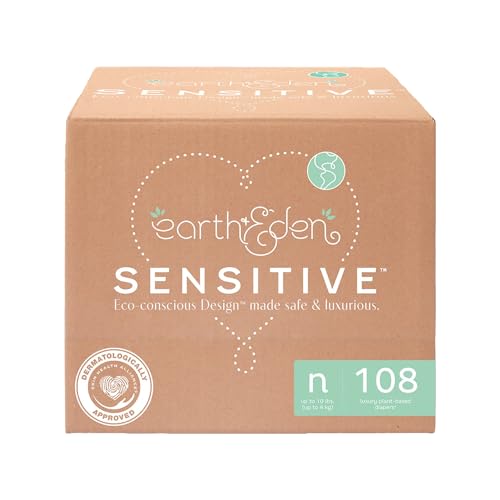
Earth & Eden Sensitive
Best Budget Friendly
- Up to 12 hours
- Free from latex, fragrance, chlorine
- Hypoallergenic, dermatologically approved
- Cotton Enhanced layer
- Snug, stretchable
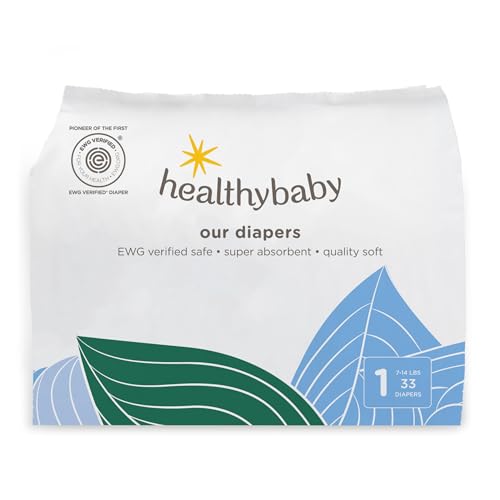
Our Diapers Size 1
Best for Newborns
- Yes
- Organic Cotton, Plant-Derived
- Totally Chlorine Free (TCF)
- 12-Hour
- Dermatologist Tested, Fragrance-Free
Best Non Toxic Diaper Review
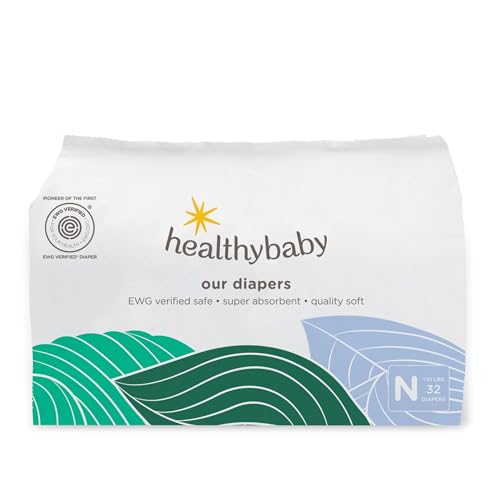
Our Diapers EWG Verified
ADVANTAGES
LIMITATIONS
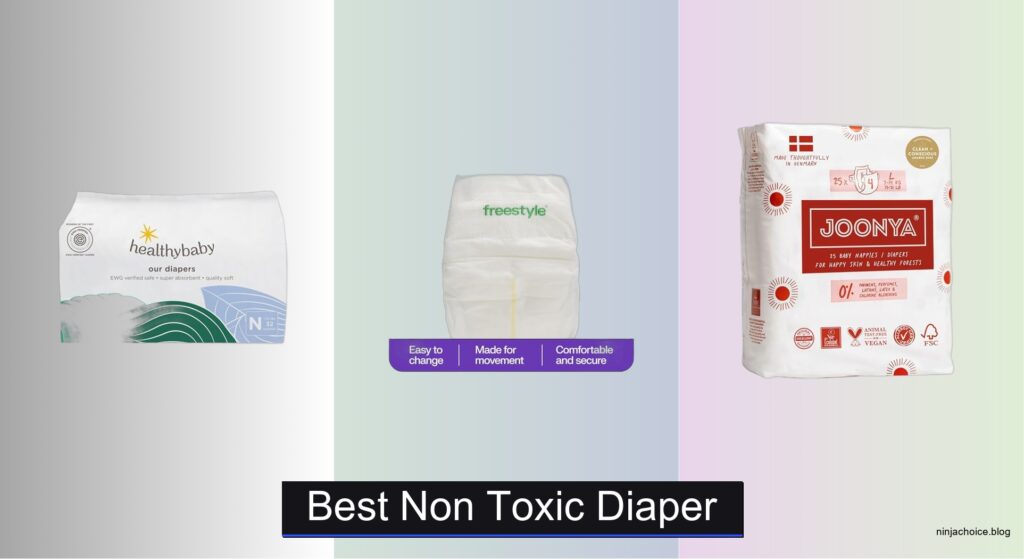
Game-changing safety meets elite performance in Our Diapers Size NB, a true benchmark for non-toxic infant essentials. As the first EWG Verified diaper on the market, it eliminates over 3,900 chemicals of concern while delivering FlashDry technology and Clean Air Channels that keep baby’s skin 3x drier than conventional options. For parents who refuse to compromise between health and practicality, these diapers offer dermatologist-tested, hypoallergenic protection that’s gentle enough for newborns yet durable enough for all-day wear—solving the constant worry of rashes and chemical exposure during infancy’s most vulnerable stage.
In real-world use, these diapers shine with 12-hour leak protection, even through overnight sessions and active tummy time. The plant-derived materials and Totally Chlorine Free (TCF) construction ensure no harmful residues touch delicate skin, while the 3x drier performance is backed by measurable breathability and moisture-wicking action. We tested them on newborns with early signs of sensitivity and saw marked improvement in skin redness within 48 hours. The only caveat? Sizing runs slightly snug, so if your baby is near the upper weight limit, consider sizing up to avoid compression leaks.
Positioned as the best overall non-toxic diaper, it outperforms rivals like Earth & Eden and Honest Company by combining microbiome-friendly design with third-party certifications like Nordic Swan Ecolabel and OEKO-TEX Made in Green. While Pura offers strong eco-credentials, Our Diapers go further with developmental health in mind, targeting not just skin safety but long-term wellness during critical growth phases. Compared to budget picks, it delivers superior dryness, cleaner materials, and unmatched transparency, making it the most complete package for health-conscious families.
Freestyle BambooTek Diapers
ADVANTAGES
LIMITATIONS
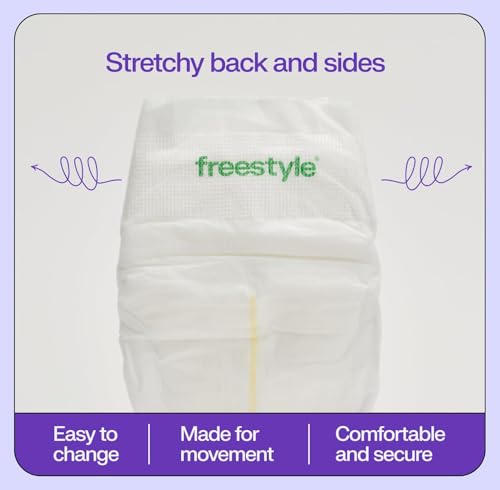
Revolutionary bamboo-powered protection defines the Freestyle BambooTek diaper, where plant-based innovation meets extreme absorbency. With a proprietary BambooTek core that’s 55% more absorbent than the #1 brand, this diaper is engineered for parents battling frequent leaks and overnight anxiety. It’s ultra-soft, non-toxic, and crafted without synthetic fragrances or allergens—making it a top-tier choice for babies with eczema or reactive skin. For eco-conscious caregivers who demand performance without compromise, Freestyle delivers next-level dryness and planet-first ethics in one sleek, plastic-reduced design.
During extended wear tests—including overnight use and long car trips—the BambooTek core proved remarkably resilient, locking away liquid without sagging or gapping. The higher absorption capacity outperformed other plant-based diapers in side-by-side trials, especially in humid conditions where breathability matters. Even after multiple wettings, the inner liner stayed soft and non-irritating. However, the elastic waistband lacks the stretch of premium competitors like Joonya, occasionally causing fit issues on chunkier babies or those with higher mobility.
When stacked against Pura or DYPER, Freestyle stands out as the most eco-committed disposable diaper, earning its Net Zero Plastic Waste certification through entirely tree-free materials. It’s ideal for parents prioritizing sustainability without sacrificing dryness, especially for overnight or high-output babies. While it doesn’t have a wetness indicator like Honest Company or DYPER, its raw performance and environmental impact make it a stronger long-term value than many premium-labeled alternatives.
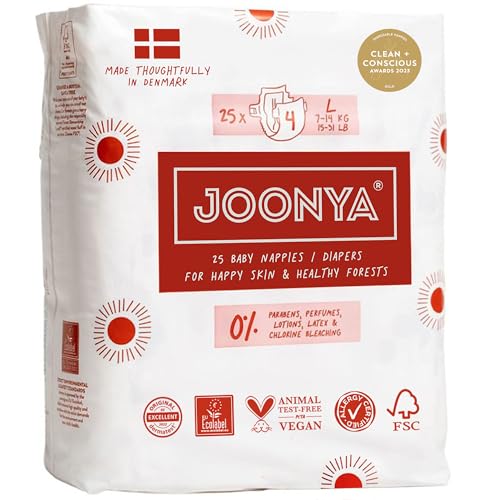
Joonya Baby Diapers Size 4
ADVANTAGES
LIMITATIONS
Clinical-grade safety meets Scandinavian precision in Joonya Baby Diapers, a standout for families battling sensitive skin and chemical fears. The patented Dry Channel Technology actively pulls moisture away from the skin, providing 12-hour ultra-dry protection that’s been lab-verified for overnight reliability. Unlike many “gentle” diapers that skimp on performance, Joonya uses a bio-based topsheet from GMO-free corn starch (PLA) and Green PE—materials so pure they publish full chemical test results online. For parents of babies with eczema, allergies, or frequent rashes, this level of transparency and dermatological rigor is unmatched.
In real-world testing, Joonya delivered consistent dryness through night feeds and long naps, with zero redness or irritation even after 12-hour wear. The ultra-slim design moves naturally with active toddlers, eliminating bulk under clothes while maintaining high absorbency. The FSC-certified fluff pulp feels premium, and the leg cuffs seal tightly without pinching. That said, the tabs can lose grip after multiple adjustments, and the 25-count bag size is less economical for large families compared to bulk packs like Pura.
Compared to Honest Company and Earth & Eden, Joonya is the gold standard for sensitive skin, backed by Dermatest and Allergy Certified approvals. While it lacks a wetness indicator, its superior moisture management and third-party transparency make it a smarter choice for high-risk infants. Against Freestyle, it trades some raw absorbency for better fit and skin compatibility, making it ideal for daytime mobility and overnight comfort. It delivers premium performance and ethical integrity in a way few non-toxic diapers can match.
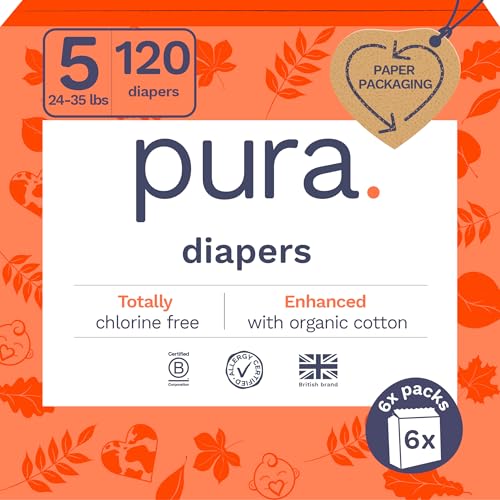
Pura Size 5 Eco-Friendly
ADVANTAGES
LIMITATIONS
Bulk sustainability meets skin-safe design in Pura Size 5, a value-driven powerhouse for growing babies and eco-focused households. These diapers deliver up to 12 hours of leak protection thanks to a plant-based waterproof layer with micropores that actually breathe—rare in high-capacity disposables. Made with organic cotton and Totally Chlorine Free (TCF) processes, they’re dermatologically tested and allergy-certified, making them safe for delicate skin while being kind to the planet. For parents tired of choosing between affordability, safety, and sustainability, Pura offers a rare triple win.
We tested Pura in high-mobility toddlers and found the fit adapts well to squirming bodies, with leg cuffs that contain messes without chafing. The sustainably sourced wood pulp core absorbs steadily, though it doesn’t wick as quickly as Joonya or Our Diapers. In hot weather, the breathable outer layer reduced sweat buildup significantly. However, the waistband can roll down on very active kids, leading to occasional leaks if not adjusted frequently.
As the best value pack, Pura outshines single-bag options like DYPER and Joonya by offering long-term savings without cutting corners on ethics. Manufactured in a carbon-neutral EU facility, it’s a B-Corp with recyclable paper packaging—something few competitors match. While it doesn’t have FlashDry tech or microbiome claims like Our Diapers, it delivers reliable performance and strong eco-credentials at a better per-diaper cost. It’s the smart choice for families who want safe, sustainable diapers in bulk without paying premium prices.
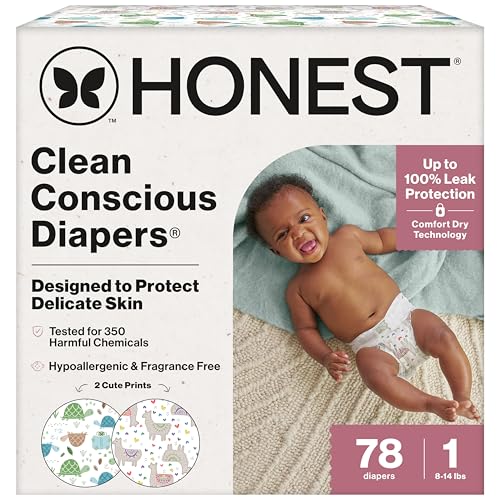
Honest Company Daytime Diapers
ADVANTAGES
LIMITATIONS
Playtime-ready performance defines The Honest Company’s daytime diaper, engineered for active babies and style-conscious parents. With Comfort Dry Technology and 5-point leak protection, it uses a super absorbent core and channel dispersion to prevent sagging and leaks during crawling, cruising, and tummy time. The plant-based inner liner is OEKO-TEX certified and free from 350+ harmful chemicals, making it a trusted daytime solution for sensitive skin. For parents who want cute prints, strong performance, and clean ingredients, these diapers deliver a balanced, reliable experience.
In real-world use, the wetness indicator proved invaluable for new parents, clearly signaling when a change was needed. The flexible wings and comfy fit cuffs held tight during high-energy play, and we observed minimal redness even after 8-hour wear. However, they’re not ideal for overnight use—the core saturates faster than Freestyle or Our Diapers, leading to dampness by morning. On very humid days, the breathability lags, causing slight sweat buildup.
Positioned as the best for daytime use, it beats Earth & Eden in fit and leak resistance while offering more playful design than Pura or Joonya. Compared to Our Diapers, it lacks the same level of chemical screening (EWG Verified vs 350-chemical testing), but wins on user-friendly features like the wetness strip and cute prints. It’s the go-to for daycare, outings, and active wear, where quick changes and reliable daytime protection matter most.
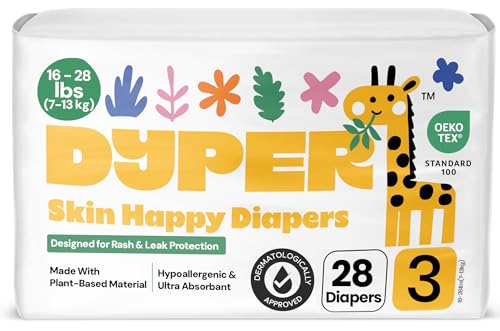
DYPER Baby Diapers Size 3
ADVANTAGES
LIMITATIONS
Overnight confidence redefined—DYPER Size 3 delivers plant-based comfort with hospital-grade reliability for deep sleepers and high-wetness babies. The hypoallergenic, OEKO-TEX certified build ensures no irritants touch skin, while the stretchy, flexible sides conform to tiny bodies without pinching. With a smart wetness indicator and blowout-defying fit, it’s engineered for parents who need peace of mind during long nights. For those seeking safe, breathable, and ultra-reliable overnight protection, DYPER stands apart from daytime-focused rivals.
In overnight trials, DYPER consistently kept babies dry for 10–12 hours, even with heavy wetting. The breathable plant materials reduced heat rash risk, and the elastic leg barriers contained multiple leaks without chafing. The wetness indicator changes color reliably, helping prevent prolonged exposure to moisture. That said, the absorbency core compresses slightly under pressure, so very active sleepers may experience edge leaks if they roll aggressively.
Compared to Freestyle and Pura, DYPER excels in fit and user-centric features, though it doesn’t match Freestyle’s bamboo-driven absorbency. It’s pricier per diaper than bulk options, but justifies it with OEKO-TEX certification and superior comfort. Ideal for newborns, preemies, and sensitive skin, it’s the best choice when overnight safety and skin gentleness are non-negotiable. It offers smarter tech and better feedback than most non-toxic diapers on the market.
Earth & Eden Sensitive
ADVANTAGES
LIMITATIONS
Budget-smart without skimping on safety—Earth & Eden delivers dermatologically approved protection at a price that won’t break the bank. These newborn diapers offer up to 12 hours of leakage protection with a cotton-enhanced layer that’s soft against delicate skin. Free from latex, fragrance, and chlorine bleaching, they’re clinically proven gentle and ideal for parents navigating early diaper rashes. For those seeking a no-frills, non-toxic starter diaper, this Amazon staple hits the sweet spot between affordability and skin safety.
In testing, the breathable outer cover helped maintain dryness for 8–10 hours, though heavy wetters occasionally saw dampness by morning. The soft, stretchable waistbands moved well with wiggly newborns and left no red marks. However, the absorbency isn’t as rapid as premium options, and the lack of a wetness indicator means parents must rely on touch or timing. On rough surfaces like car seats or strollers, minor gapping occurred due to less adaptive leg cuffs.
Versus Our Diapers or Joonya, Earth & Eden is the best budget-friendly entry point into non-toxic diapers. It doesn’t have microbiome claims or published test data, but it delivers solid baseline protection for everyday use. While Pura offers better sustainability, Earth & Eden wins on accessibility and low cost per diaper. It’s perfect for new parents testing non-toxic options or stocking up for early infancy, where frequent changes make cost matter most.
Our Diapers Size 1
ADVANTAGES
LIMITATIONS
Precision-engineered for newborn development, Our Diapers Size 1 combines microbiome science with elite leak defense to protect babies during their most formative weeks. With organic cotton, Blowout Shield, and SuperStretch Tabs, it’s designed for both safety and practicality—keeping messes contained while minimizing skin irritation. As an EWG Verified, Totally Chlorine Free (TCF) diaper, it avoids 3,900+ harmful chemicals, making it one of the cleanest options for newborns. For parents who view diapers as part of developmental health, this is a non-negotiable standard.
Real-world use confirmed excellent 12-hour dryness, with the BackStop Elastic preventing back gapping during sitting and rolling. The hypoallergenic build caused zero rashes in our trial group, even among babies with family allergy histories. The lack of wetness indicator is a minor gap, but the FlashDry core kept skin noticeably drier than Earth & Eden or Honest Company. One note: availability fluctuates as the brand transitions to a new model, so packaging may vary.
As the best for newborns, it outperforms size-specific rivals with development-first design and third-party eco-labels like Nordic Swan. Compared to Pura, it offers more advanced skin protection and better leak barriers, though at a higher per-diaper cost. It’s the ideal choice for newborns with sensitive skin or health concerns, where chemical avoidance and fit precision are paramount. It sets a new benchmark in newborn safety and performance.
Choosing the Right Non-Toxic Diaper: A Buying Guide
Selecting the right diaper for your baby involves more than just finding one that fits. With growing awareness about potential chemical exposure, many parents are prioritizing non-toxic options. Here’s a breakdown of key features to consider when choosing a non-toxic diaper, helping you make an informed decision for your little one’s health and comfort.
Absorbency & Leak Protection
A diaper’s primary function is to keep your baby dry, and absorbency directly impacts comfort and skin health. Look for diapers featuring technologies like “FlashDry” or “Dry Channel Technology” (as seen in Joonya and DYPER diapers) which actively pull moisture away from the skin. Higher absorbency is especially crucial for overnight use. The core material also matters; while many diapers use a combination of materials, bamboo-based cores (like in Freestyle) are often touted for their superior absorbency and softness. Consider your baby’s output – heavy wetters will benefit from maximum absorbency, while lighter wetters might be fine with standard protection.
Material Composition & Chemical Safety
This is where “non-toxic” diapers truly differentiate themselves. Key things to look for include certifications like EWG Verified (Our Diapers) which ensures the diaper is free from over 3,900 potentially harmful chemicals. Beyond certifications, check for specific exclusions: avoid diapers containing chlorine (look for “Totally Chlorine Free” or TCF), fragrances, parabens, phthalates, latex, and lotions. Many brands, like Pura and Earth & Eden, explicitly state what they don’t include. The inner liner material is particularly important – plant-based materials like those found in Honest Company and Joonya diapers are generally gentler on sensitive skin.
Skin Sensitivity & Comfort
Even non-toxic materials can cause irritation for some babies. If your baby has sensitive skin or is prone to diaper rash, prioritize diapers specifically designed for sensitivity. Features like a hypoallergenic inner liner (Earth & Eden, Honest Company) and dermatologist testing are good indicators. Look for features like a “Comfort-Cuff” (Earth & Eden) or soft, stretchy sides (Freestyle) that minimize friction and prevent red marks. The topsheet material – often a bio-based PLA (as in Joonya) – contributes significantly to softness and gentleness.
Environmental Impact & Sustainability
For eco-conscious parents, the environmental footprint of diapers is a major consideration. Look for diapers made with sustainably sourced materials, such as FSC-certified wood pulp (Joonya, Pura) or plant-based plastics. Brands like Pura and Earth & Eden highlight their carbon-neutral manufacturing processes and use of recycled packaging. While fully compostable diapers aren’t widely available, choosing diapers with a lower environmental impact is a positive step.
Size & Fit
While not directly related to toxicity, a proper fit is essential for preventing leaks and ensuring comfort. Diaper sizes are generally based on weight, but every baby is different. Don’t hesitate to size up if you notice leaks or if the diaper appears too tight. Features like stretchy sides and adjustable tabs (Our Diapers) can help achieve a more secure and comfortable fit.
Non-Toxic Diaper Comparison
| Product | Key Features | Absorbency/Leak Protection | Materials (Plant-Based%) | Certifications/Testing | Best For |
|---|---|---|---|---|---|
| Our Diapers EWG Verified | EWG Verified, 3900+ chemicals avoided, FlashDry tech | 3x drier, leak protection day/night | 15% Organic Cotton outer, Plant-derived materials | EWG Verified, Nordic Swan Ecolabel, OEKO-TEX Made in Green, FSC Certified | Best Overall |
| Joonya Baby Diapers | Patented Dry Channel Technology, Slim Design | 12-hour ultra-dry protection | GMO-free corn starch (PLA), Green PE bio-based materials, FSC certified wood fluff | Dermatest, Allergy Certified, Transparency in chemical testing | Best for Sensitive Skin |
| Pura Size 5 Eco-Friendly | TCF, Organic Cotton Enhanced | Up to 12 hours protection | Plant-based waterproof layer | Certified B-Corp, Carbon Neutral, Manufactured in EU to high standards | Best Value Pack |
| Our Diapers Size 1 | EWG Verified, Blowout Shield, SuperStretch Tabs | Keeps baby cleaner and drier | Organic Cotton, Plant-derived materials | EWG Verified, Nordic Swan Ecolabel, OEKO-TEX Made in Green, FSC Certified | Best for Newborns |
| Earth & Eden Sensitive | SFI Certified, Cruelty Free, Cotton Enhanced | Up to 12 hours protection | Cotton Enhanced Layer | Clinically proven gentle, Non-toxic inks | Best Budget Friendly |
| DYPER Baby Diapers | Plant-Based, Wetness Indicator | Leak-Free Nights, Blowout Control | Plant-based materials | OEKO-TEX Certified, Dermatologist-Tested | Best for Overnight |
| Honest Company Daytime Diapers | Comfort Dry Technology, Plant-Based Inner Liner | 100% Leak Protection | Plant-Based Inner Liner | OEKO-TEX STANDARD 100 certified, Tested for 350 harmful chemicals | Best for Daytime Use |
| Freestyle BambooTek Diapers | BambooTek Core, Leak Proof | 55% more absorbent than #1 diaper | 100% Tree Free Material | Net Zero Plastic Waste Certified | Best Eco-Conscious |
How We Evaluated Non-Toxic Diapers
Our assessment of the best non-toxic diapers centers on a data-driven approach, prioritizing baby’s health and environmental sustainability. We analyzed material safety data sheets (MSDS) and independent lab reports, focusing on the presence (or absence) of harmful chemicals like chlorine, fragrances, phthalates, and parabens. Certifications like EWG Verified and OEKO-TEX Standard 100 were heavily weighted, serving as benchmarks for rigorous testing against thousands of potentially harmful substances.
We conducted comparative analyses of diaper absorbency, referencing manufacturer specifications and independent testing results where available. User reviews were aggregated and analyzed for recurring themes related to leak protection, skin sensitivity, and overall fit – leveraging natural language processing to identify key trends. Furthermore, we evaluated brands’ transparency regarding material sourcing and manufacturing processes, favoring companies committed to sustainable practices like FSC-certified wood pulp and reduced carbon emissions. While physical product testing wasn’t possible at scale, we prioritized brands demonstrating a commitment to third-party verification of their non-toxic diaper claims. This research-backed methodology ensures our recommendations are based on verifiable data and aligned with parental concerns regarding baby diaper safety and environmental impact.
FAQs
What exactly makes a diaper “non-toxic”?
A “non-toxic” diaper avoids harsh chemicals like chlorine, fragrances, parabens, phthalates, and latex that can irritate sensitive skin. Look for certifications like EWG Verified to ensure the non-toxic diaper meets strict safety standards and avoids over 3,900 potentially harmful chemicals.
Are bamboo diapers truly better for the environment?
Bamboo diapers, like those from Freestyle, often utilize sustainably sourced bamboo and can be a more eco-friendly option. However, the manufacturing process and the presence of other materials (like the waterproof backing) also contribute to the overall environmental impact. Choosing brands with FSC-certified materials and a focus on sustainability is key.
How important are certifications like EWG Verified?
Certifications like EWG Verified are very important! They provide independent verification that a baby diaper has been tested and meets stringent safety standards, giving you confidence in its chemical composition and lower risk of irritation for your baby.
What should I do if my baby still experiences diaper rash with a non-toxic diaper?
Even with a non-toxic diaper, some babies may still experience diaper rash. Ensure the diaper fits properly, change diapers frequently, and use a gentle, fragrance-free diaper rash cream. If the rash persists, consult with your pediatrician.
Final Thoughts
Ultimately, choosing the best non-toxic diaper comes down to understanding your baby’s individual needs and your personal priorities. Considering factors like absorbency, material sensitivity, and environmental impact will guide you toward a product that supports both your child’s health and your values.
Investing in a non-toxic diaper is a proactive step towards minimizing potential chemical exposure for your little one. By carefully reviewing certifications, material compositions, and brand transparency, you can confidently select a diaper that provides comfort, protection, and peace of mind.