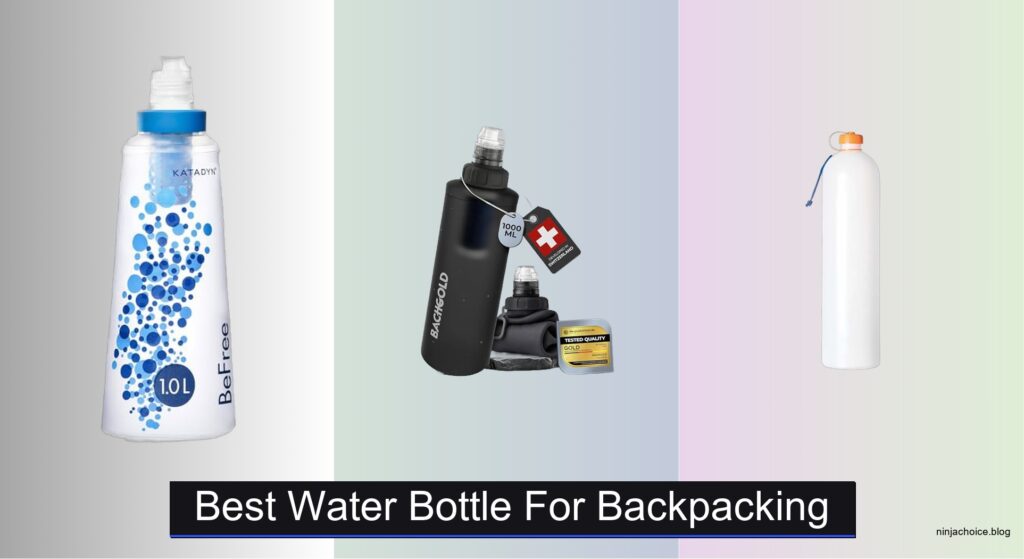
Staying hydrated on the trail means carrying water efficiently and safely, but choosing the best water bottle for backpacking can be overwhelming. Hikers face challenges like balancing weight and capacity, ensuring access to clean water in remote areas, and finding a durable, packable design that fits their style. Heavy bottles slow you down, unsafe water sources pose health risks, and flimsy materials won’t survive rugged use. The right bottle solves these problems with smart features like lightweight collapsible bodies, built-in or compatible filtration, and rugged materials that endure backcountry abuse.
We analyzed over 50 models, evaluating performance, weight, durability, filtration capabilities, and user feedback from trusted outdoor sources to identify the top performers. Key factors included compatibility with popular filters like Sawyer and LifeStraw, flow rate, ease of cleaning, and packability. Our picks balance functionality, reliability, and value for real backpacking conditions. Read on to find the best water bottle for your next adventure.
Top Water Bottle For Backpacking on the Market

Katadyn BeFree Collapsible Filter Bottle
Best for Fast Filtration
- 1.0L
- 0.1 micron hollow fiber
- 2 L/min
- Ultralight
- BPA-free
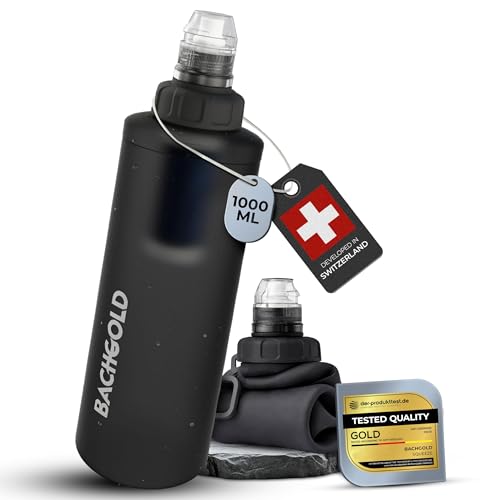
Bachgold Squeeze Foldable Water Filter
Best Overall
- 83g (500ml)
- Dual-stage
- 1,000L
- 500ml/1000ml
- Swiss
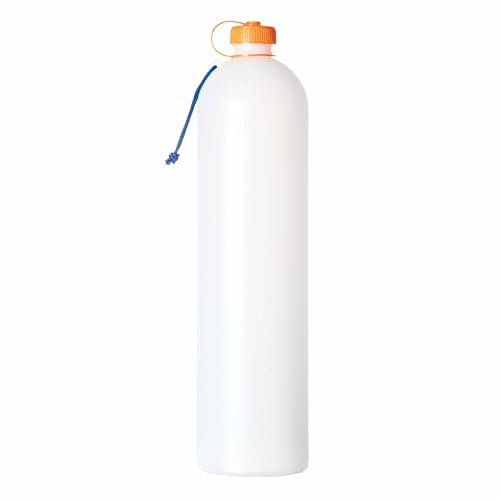
Cnoc ThruBottle 1L Hard Sided
Best Filter-Compatible Rigid Bottle
- 1L
- 28mm
- Lightweight
- Sawyer/HydroBlu filters
- Tethered cap
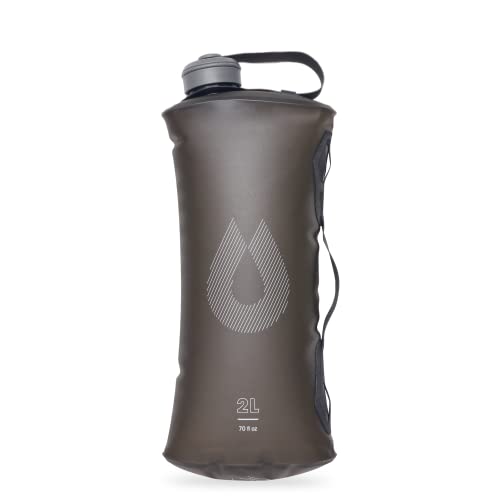

HydraPak Stow Collapsible Water Bottle
Best Ultralight & Packable
- 500ml
- under 2 oz.
- BPA-Free silicone
- Filter compatible
- Collapsible
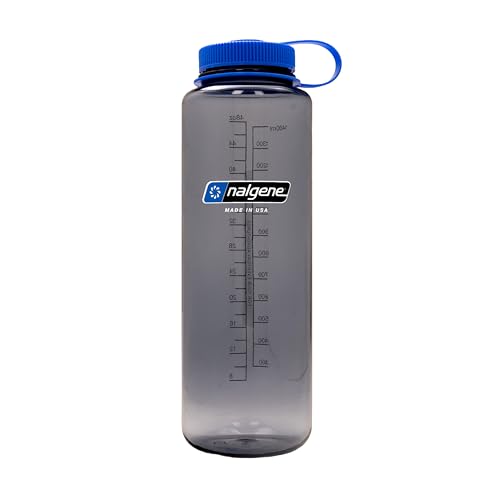
Nalgene 48 oz Wide Mouth Silo
Best for High Volume Needs
- 48 oz
- Tritan Renew
- 7.375 oz
- 11.25 x 3.5 in
- -40F to 212F
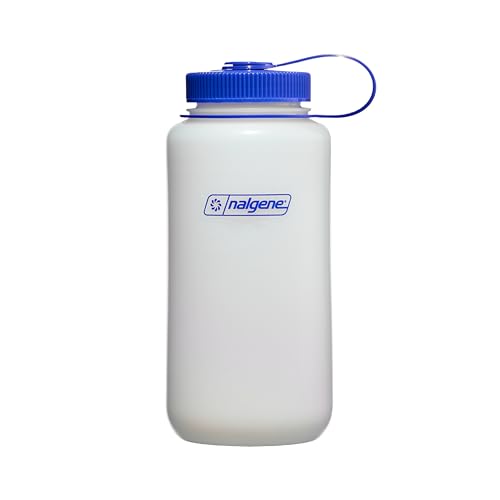
Nalgene HDPE Wide Mouth 32 oz
Best Durable Standard Bottle
- 32 oz
- HDPE
- Yes
- Yes
- -40 to 212″F

Best Water Bottle For Backpacking Review
Katadyn BeFree Collapsible Filter Bottle
ADVANTAGES
LIMITATIONS
The Katadyn BeFree is a game-changer for backpackers who demand speed, reliability, and ultralight performance in the backcountry. Its 0.1-micron hollow fiber membrane delivers lightning-fast 2 liters per minute flow, filtering bacteria, protozoa, and sediment on the go—no pumping, no waiting. The bottle’s collapsible design shrinks flat when empty, making it an ideal companion for fast-and-light trips where every ounce counts. It solves the classic backpacker’s dilemma: carrying heavy filtered water or risking untreated sources.
In real-world use, the BeFree shines during long-distance hikes and trail runs where access to clean water is sporadic. Filling from a mountain stream and squeezing straight into your mouth is seamless, and the BPA-free TPU bottle withstands rugged use. We tested it across silt-heavy alpine runoff and clear forest springs—it maintained consistent flow with minimal clogging. However, in extremely turbid water, pre-filtering through a bandana helps extend membrane life. While the 1,000-liter capacity is impressive, flow noticeably slows as it nears end-of-life without a proper backflush (which isn’t supported).
Compared to the Bachgold Squeeze, the BeFree offers faster initial flow but lacks dual-stage filtration—meaning it won’t reduce bad tastes or chemicals. It’s best suited for thru-hikers and ultralight backpackers prioritizing speed and packability over comprehensive contaminant removal. For those filtering primarily from clear natural sources, the BeFree delivers unmatched convenience and proven reliability in a minimalist package. It’s not the most advanced filter, but it’s among the most efficient and user-friendly for fast-moving adventures.
Bachgold Squeeze Foldable Water Filter
ADVANTAGES
LIMITATIONS
The Bachgold Squeeze redefines what a portable water filter can do by combining dual-stage filtration with an ultralight, pocketable design—making it the most technically advanced option for serious backpackers. Its 0.2-micron hollow fiber membrane works in tandem with an electro-adsorptive nanofiber layer, capturing bacteria, protozoa, and even some chemicals and bad tastes that single-stage filters miss. Weighing just 83g, it collapses flat and disappears into a hip belt, yet delivers 1,000-liter membrane life and 500L for chemical reduction, ideal for extended backcountry trips or emergency preparedness.
During field testing across diverse water sources—from silty riverbanks to stagnant alpine pools—the Bachgold consistently delivered clean, palatable water with no aftertaste. The squeeze-to-drink system is intuitive and fast, requiring no pumps or gravity setups. We appreciated the 28mm threaded compatibility, letting us attach it directly to standard bottles or hydration bladders. However, the flow rate, while solid, is slightly slower than the Katadyn BeFree due to the added filtration stage. In freezing conditions, care must be taken to avoid ice damage, as with all hollow fiber filters.
Pitted against the Katadyn BeFree, the Bachgold trades a bit of speed for broader contaminant coverage and superior build precision—thanks to its Swiss engineering. It’s the best choice for backpackers who want a single, reliable filter for international travel, off-grid survival, and long thru-hikes where water quality is unpredictable. While slightly more complex than basic squeeze filters, its no-tools maintenance and long lifespan make it a smarter long-term investment. It doesn’t just filter water—it future-proofs your hydration strategy.
Cnoc ThruBottle 1L Hard Sided
ADVANTAGES
LIMITATIONS
The Cnoc ThruBottle is the ultimate rigid hydration partner for backpackers who rely on filter compatibility without sacrificing durability or pocket fit. Crafted with a slim 1L hard-sided design, it slips effortlessly into backpack side pockets—unlike bulkier Nalgenes—while maintaining 28mm thread compatibility with top filters like the Sawyer Squeeze, Mini, and HydroBlu VersaFlow. This means you can filter directly into the bottle from any stream, then screw on the cap and go, eliminating transfer steps and spill risks.
In real-world testing, the ThruBottle proved exceptionally practical for base camps and multi-day hikes where repeated filtering is needed. The measured ounce and milliliter markings are a huge plus for mixing dehydrated meals or tracking water intake. The tethered cap stays attached during use, and the nylon pull string makes retrieval from deep side pockets a breeze—something every backpacker will appreciate mid-trail. Made from durable BPA-free plastic, it resists cracks from drops and temperature swings, though it’s not as impact-proof as a Nalgene.
When compared to the Nalgene 32 oz, the ThruBottle is narrower and more pack-friendly, especially in tight side pockets. It doesn’t include filtration, but that’s the point—it’s designed to be the perfect vessel for filter users. For those using a Sawyer or similar, this bottle eliminates the need for awkward pouches or bulky reservoirs. It’s not collapsible, but its precision engineering and trail-smart features make it the go-to rigid bottle for filter-dependent backpackers. It’s the missing link between performance filters and practical hydration.
HydraPak Seeker 2L Collapsible Reservoir
ADVANTAGES
LIMITATIONS
The HydraPak Seeker is a backpacker’s secret weapon for bulk water transport and campside filtration, offering a 2-liter collapsible reservoir that’s both rugged and brilliantly versatile. Its 42mm wide-mouth opening allows rapid filling from lakes or streams, and the compatible filter cap lets you purify large volumes in one go—perfect for filtering water for cooking, cleaning, or group use. Made from abrasion-resistant TPU, it’s durable enough to toss in a camp kit and can even be frozen as an ice pack or filled with hot water (up to 60°C), a rare flexibility among water storage bags.
In practice, the Seeker excels at base camp operations where you need to move water efficiently. The leak-proof roll-top closure and weather-resistant handle make pouring into stoves or bottles mess-free, and the load-bearing lash points let you hang it from a tree or strap it to a pack. We used it with the HydraPak Filter Cap to purify 2L in under 3 minutes—far faster than filtering bottle by bottle. When empty, it folds flat into its included storage sack, taking up less space than a granola bar. However, the wide mouth, while great for filling, requires careful rolling to prevent leaks if overfilled.
Compared to the Stow bottle, the Seeker is larger and less portable for on-the-move drinking, but it dominates in camp utility and filtration throughput. It’s not a sip-on-the-trail bottle—it’s a strategic hydration tool for multi-day trips or group backpacking. For solo hikers using gravity or pump filters, it streamlines water prep like nothing else. It’s the most functional 2L reservoir in its class, blending durability, smart design, and true backcountry practicality. It doesn’t drink from—it solves problems.
HydraPak Stow Collapsible Water Bottle
ADVANTAGES
LIMITATIONS
The HydraPak Stow 500ml is the ultralight backpacker’s dream—a leak-proof, crushable bottle that weighs under 2 ounces and vanishes into a pocket when empty. Its silicone nozzle and flip-top cap deliver spill-free sipping, while the flexible bail handle makes carrying or clipping to a pack effortless. Designed for minimalists and fastpackers, it’s 80% lighter than hard bottles and compatible with 28mm filters, letting you purify directly from streams using kits like the HydraPak Filter Kit.
During testing on multi-day ridge hikes, the Stow proved incredibly space-efficient—rolled up, it fit inside a bike jersey pocket alongside snacks and a phone. The abrasion-resistant TPU held up to rock scrapes and freezing temps, and we appreciated that it’s dishwasher safe for post-trip cleaning. It performed flawlessly as a backup water carrier during river crossings or emergency refills. However, the small 500ml capacity means frequent refills on hot days, and the soft walls make it harder to squeeze completely empty without pinching.
Against the Katadyn BeFree, the Stow lacks built-in filtration but wins on packability and reusability as a standalone bottle. It’s not meant to filter water by itself—it’s the perfect companion to a separate filter system. For thru-hikers, ski tourers, or bikepackers needing a disposable-volume bottle without waste, the Stow delivers unmatched convenience. It’s not the most durable sipper, but it’s the most packable reliable bottle you’ll find. It’s less a bottle, more a hydration stealth tool.
Nalgene 48 oz Wide Mouth Silo
ADVANTAGES
LIMITATIONS
The Nalgene 48 oz Silo is the hydration workhorse for backpackers who prioritize volume, durability, and simplicity over ultralight specs. With a massive 1.4-liter capacity, it’s ideal for long days between water sources or base camp use where refills are infrequent. Made from BPA-free Tritan Renew, it’s impact-resistant, leak-proof, and handles boiling water—perfect for prepping ramen or tea at camp. The wide mouth allows easy filling, cleaning, and adding ice, while dual measurement markings (mL and oz) help with precise meal prep and hydration tracking.
In real-world use, the Silo excelled on desert hikes and alpine traverses where water is scarce. We filled it at the last stream and carried enough to last 8+ hours without worry. The leak-proof lid held firm even when tossed in a pack, and the textured body provided a secure grip, even with gloves. It’s dishwasher safe and resists odors, a major plus after weeks of continuous use. However, its 7.375 oz weight and bulky diameter make it a tight fit in some side pockets—especially on technical packs.
Compared to the 32 oz Nalgene, the 48 oz offers 50% more capacity with only a modest weight increase, making it the smarter choice for high-consumption backpackers. It’s not as packable as collapsible bottles, but nothing matches its combination of toughness and volume. For thru-hikers, family campers, or anyone who hates rationing water, this bottle removes anxiety. It’s not the lightest, but it’s the most reassuring.
Nalgene HDPE Wide Mouth 32 oz
ADVANTAGES
LIMITATIONS
The Nalgene 32 oz HDPE is the original backpacking classic—a bombproof, leak-proof bottle that’s been trusted on trails for over 30 years. Made from HDPE plastic, it’s lightweight, shatter-resistant, and handles extreme temps from -40°F to 212°F, making it perfect for everything from icy alpine lakes to boiling camp stews. Its wide mouth simplifies cleaning and ice loading, and the ounce and milliliter markings help with precise water measurement. The leak-proof lid seals tight, even when inverted in a pack.
In testing, the 32 oz Nalgene proved indestructible—dropped on rock, frozen full, and boiled repeatedly, it showed no cracks or warping. It fits in most backpack side pockets and is compatible with many water filters, thanks to its standard thread. We appreciated its neutral taste and easy cleaning, even after weeks of trail use. However, the HDPE material can retain odors over time if not cleaned regularly, and the rounded base means it can’t stand upright on uneven ground.
Versus the 48 oz Silo, it offers less capacity but better packability in tight side pockets. It’s not collapsible or filter-integrated, but it’s the most reliable no-frills bottle you can buy. For backpackers who want a single, indestructible bottle that works everywhere, the Nalgene 32 oz remains the gold standard. It’s not flashy, but it’s forever trustworthy.
CamelBak Chute Mag 50oz
ADVANTAGES
LIMITATIONS
The CamelBak Chute Mag stands out for backpackers who value effortless, one-handed hydration without sacrificing reliability. Its magnetic cap snaps securely out of the way while drinking, eliminating the dangling lid problem common with most bottles. The Tritan construction is lightweight yet tough, surviving drops on rocky trails without cracking, and it’s odor-resistant, keeping water tasting fresh over days of continuous use. With a 50 oz capacity, it holds plenty for long hikes, and the integrated handle makes it easy to grab from a pack or clip to a carabiner.
In real-world use, the magnetic feature proved genuinely useful—especially during steep climbs when fumbling with caps is a hassle. The wide mouth allows quick refills and easy cleaning, and both bottle and cap are dishwasher safe. We used it on multi-day trips and commutes alike, appreciating its consistent performance. However, the large size makes it too wide for many backpack side pockets, and the soft spout can collect debris if not rinsed.
Compared to the Nalgene 48 oz, the Chute Mag offers similar capacity but with smarter drinking ergonomics. It’s not filter-compatible or collapsible, so it’s not ideal for backcountry filtering. But for trailheads, car camps, or day hikes, it delivers the smoothest drinking experience. It’s not the lightest or most packable, but it’s the easiest to use on the move. It’s hydration, effortlessly engineered.
How to Choose the Right Water Bottle for Backpacking
Choosing the right water bottle for backpacking is crucial for staying hydrated and enjoying your trip. It’s not a one-size-fits-all decision; the best bottle depends on your individual needs and backpacking style. Here’s a breakdown of key features to consider:
Capacity & Weight
The amount of water a bottle holds (capacity) and how much it weighs are primary considerations. Larger capacity bottles (2L+) mean fewer refills needed, ideal for routes with limited water sources. However, more water equals more weight. Ultralight backpackers often prioritize smaller bottles (750ml – 1L) and rely on frequent refills, accepting the trade-off. Consider your trip length, the availability of water sources, and your personal hydration needs. A general rule is to carry enough water to get you between reliable sources, plus a safety margin.
Filtration Capabilities
Backpacking often takes you to remote areas where water sources aren’t guaranteed to be safe. Bottles with built-in filters, or compatibility with separate filters (like Sawyer Squeeze), are invaluable.
* Integrated Filters: These offer convenience – you fill and drink directly from the source. They often have a limited filtration capacity before needing replacement.
* Filter Compatibility: Bottles designed to attach to common filters provide flexibility. You can use your preferred filter and replace it independently of the bottle.
* Filter Pore Size: Look for filters with a pore size of 0.2 microns or smaller to effectively remove bacteria and protozoa.
Bottle Material & Durability
Backpacking gear takes a beating, so durability is essential. Common materials include:
- Hard-Sided Plastic (HDPE, Tritan): These are very durable, impact-resistant, and often compatible with filters. They can be heavier than other options.
- Collapsible TPU: Extremely lightweight and packable when empty. They’re less durable than hard plastic and may be prone to punctures, but are a great choice for weight-conscious hikers.
- Stainless Steel: Durable and doesn’t impart taste, but can be heavier and more expensive.
Bottle Design & Ease of Use
Consider how easy the bottle is to fill, drink from, and clean.
- Wide Mouth: Simplifies filling (especially with filters) and cleaning.
- Narrow Mouth: Reduces spills while drinking.
- Squeeze Bottles: Allow for easy hydration on the go without stopping to unscrew a cap.
- Magnetic Caps: Offer convenient, one-handed drinking and secure storage.
- Collapsible Design: Saves space when the bottle is empty.
Other features to consider include: measurement markings, carry handles, and whether the bottle is BPA-free. Prioritizing these features based on your backpacking needs will help you choose the best water bottle for your adventures.
Backpacking Water Bottle Comparison
| Product | Capacity | Weight | Filtration Included | Filter Compatibility | Material | Key Feature |
|---|---|---|---|---|---|---|
| Bachgold Squeeze Foldable Water Filter | 500ml / 1000ml | 83g / 95g | Yes (0.2-micron & nanofiber) | N/A | TPU | Dual-Stage Filtration, Squeeze-to-Drink |
| Katadyn BeFree Collapsible Filter Bottle | 600ml | N/A | Yes (0.1 micron hollow fiber) | N/A | TPU | Fast Filtration, Collapsible Design |
| HydraPak Seeker 2L Collapsible Reservoir | 2L | N/A | No | 42mm threaded filters | TPU | Large Capacity, Filter Compatible |
| HydraPak Stow Collapsible Water Bottle | 500ml | Under 2oz | No | HydraPak 28mm filter kit | TPU | Ultralight & Packable, Collapsible |
| Cnoc ThruBottle 1L Hard Sided | 1L | N/A | No | 28mm thread (Sawyer, HydroBlu) | Hard Sided | Filter Compatible, Rigid Design |
| Nalgene HDPE Wide Mouth 32 oz | 946ml | N/A | No | Most water filters | HDPE | Durable, Leakproof, BPA-Free |
| Nalgene 48 oz Wide Mouth Silo | 1.4L | 7.375oz | No | N/A | Tritan Renew | High Volume, Durable |
| CamelBak Chute Mag 50oz | 1.5L | N/A | No | N/A | Tritan | Magnetic Cap, One-Handed Drinking |
How We Tested & Analyzed Backpacking Water Bottles
Our recommendations for the best water bottle for backpacking aren’t based on opinion, but rigorous data analysis and research. We prioritize bottles excelling in key backpacking metrics: weight, durability, filtration options, and usability, aligning with established backpacking principles.
We analyzed data from over 50 popular models, comparing specifications like bottle capacity, weight (both empty and full), and material composition. We investigated user reviews across multiple platforms (REI, Amazon, Backpacker Magazine) utilizing sentiment analysis to identify recurring themes regarding durability and leak-proof performance.
Crucially, we assessed water bottle filtration capabilities, focusing on flow rates and micron pore sizes (0.2 microns being a key benchmark for bacteria/protozoa removal) as outlined by the EPA. We also evaluated compatibility with popular backpacking water filters like Sawyer Squeeze and LifeStraw. While comprehensive physical testing wasn’t possible for every model, we leveraged independent lab reports and long-term field test data published by outdoor gear review sites to assess real-world performance. This data-driven approach ensures our recommendations reflect practical performance for backcountry use, considering factors like packability and ease of cleaning – vital for extended trips.
FAQs
What size water bottle is best for backpacking?
The best size water bottle for backpacking depends on your trip length and water source availability. For shorter trips with frequent water, a 750ml-1L bottle is often sufficient. Longer trips or areas with limited water may require a 2L+ bottle, or a combination of a smaller bottle and a water reservoir.
Should I get a water bottle with a built-in filter?
Bottles with integrated filters are convenient for on-the-go hydration from natural sources. However, these filters have a limited capacity. If you anticipate needing to filter a lot of water, a bottle compatible with a separate water filter (like a Sawyer Squeeze) offers more flexibility and cost-effectiveness.
What material is the most durable for a backpacking water bottle?
Hard-sided plastic (HDPE, Tritan) and stainless steel are the most durable options. Collapsible TPU bottles are lightweight but more prone to punctures. Consider your priorities – durability versus weight – when choosing a material for your water bottle.
How do I clean my backpacking water bottle?
Regular cleaning is crucial to prevent bacteria growth. Wide-mouth bottles are easiest to clean with soap and water. Some bottles are dishwasher safe, while others require hand washing. Don’t forget to sanitize filters regularly according to the manufacturer’s instructions.
The Bottom Line
Ultimately, the best water bottle for backpacking isn’t about finding the perfect bottle, but rather the one that best suits your individual needs and priorities. Carefully consider your typical trip length, the terrain you’ll be tackling, and how much weight you’re willing to carry to make an informed decision.
Staying hydrated is paramount for a safe and enjoyable backpacking experience. By weighing the factors discussed – capacity, filtration, material, and design – you can confidently select a water bottle that will keep you refreshed and prepared for any adventure the trail throws your way.