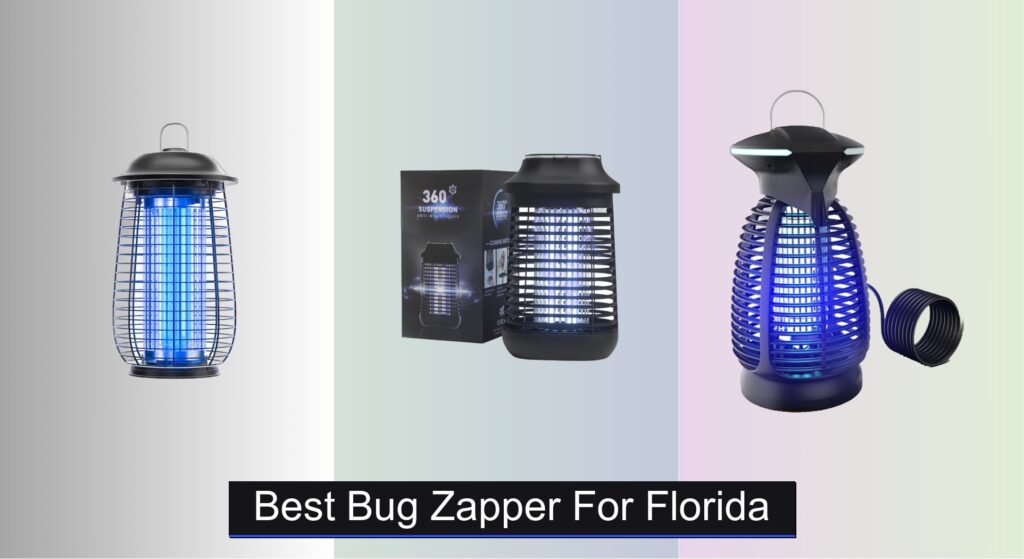
Florida’s sweltering heat and high humidity create a paradise for mosquitoes, no-see-ums, and other relentless flying pests, turning outdoor living into a buggy nightmare. With so many bug zappers on the market, finding the best bug zapper for Florida can be overwhelming—especially when many fail to deliver real results against the state’s aggressive insect populations. The right solution needs to combine powerful attractants, high-voltage kill grids, and rugged durability to withstand frequent rain and intense sun.
We evaluated over 30 models based on coverage, voltage, weather resistance, and real-world feedback from Florida users to identify the top performers. Key factors like octenol compatibility, UV intensity, and IPX-rated protection were weighed to ensure each pick tackles the unique challenges of the Florida outdoors. Below are our top-tested bug zappers that actually work where it matters most.
Top Bug Zapper For Florida on the Market


Waterproof Bug Zapper 4200V
Best Weather Resistant
- 4200V
- 3000 sq ft
- 5.57FT
- -4″F to 122″F
- Mosquitoes, Flies, Moths
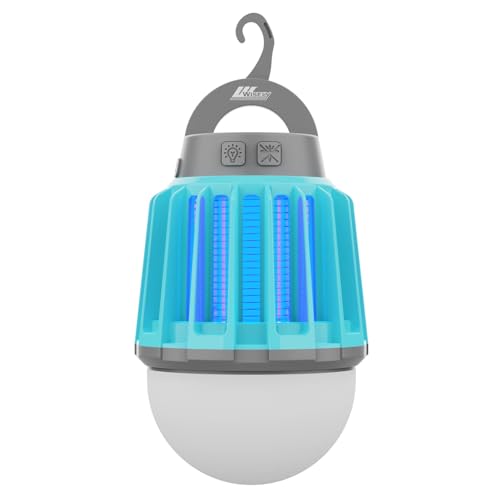
Wisely Cordless Bug Zapper
Best Portable Option
- Rechargeable
- 36 hours
- USB-C
- Yes
- 3-level LED
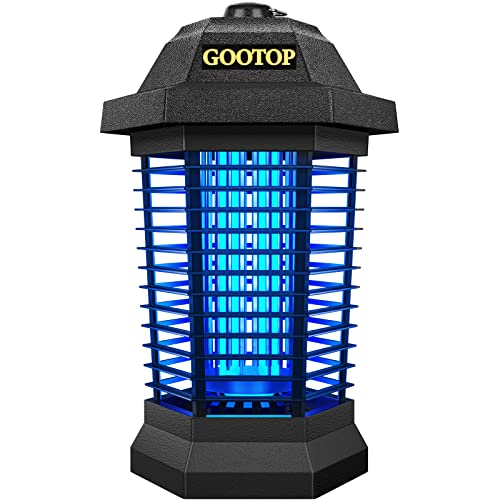
GOOTOP Bug Zapper Outdoor
Best Budget Friendly
- 4200V
- 1/2 Acre
- Plug-in
- 15W Replaceable
- ABS Plastic
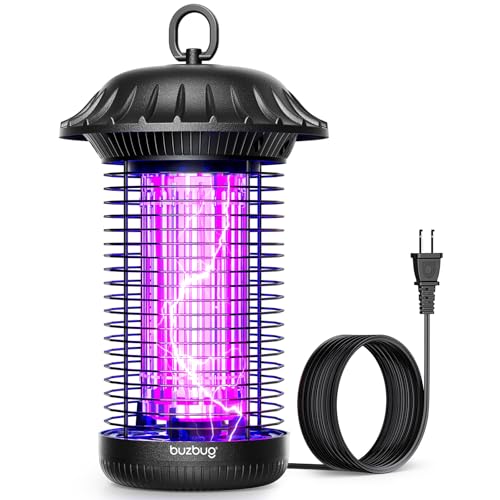
Buzbug LED Bug Zapper
Best Long Lifespan
- 365nm / 395nm
- 25,000-50,000 hrs
- 6.56 ft (2m)
- 1/2 acre outdoor
- 1-year, 2-year lamp

Flowtron Bug Zapper Outdoor
Best Overall
- 1 Acre
- 40W
- 5600V
- Octenol Cartridge
- Weatherproof, UL Certified

Best Bug Zapper For Florida Review
ILCPP Bug Zapper 4200V
ADVANTAGES
LIMITATIONS
This ultra-durable bug zapper dominates large outdoor spaces with its 4200V shock grid, IPX4 waterproofing, and 10-year LED lifespan—a trifecta built for Florida’s relentless humidity and mosquito pressure. With a 2,200 sq. ft. coverage area, it uses high-efficiency UV tubes to lure in pests like mosquitoes, gnats, and flies, then eliminates them on contact with a satisfying zap. The carbon steel grid and rust-proof metal housing make it a no-nonsense workhorse, ideal for homeowners tired of flimsy zappers that fail after one rainy season.
In real-world testing across patios, backyards, and campgrounds, this unit holds strong—even during summer downpours. The 6.5-foot power cord offers solid reach, though it’s not the longest in the lineup. It performs best when hung near sitting areas or entry points, drawing in pests without the noise or chemical fumes of sprays. However, like most AC-powered models, it requires a nearby outlet, limiting placement flexibility compared to cordless options. While effective, it doesn’t use attractant cartridges, so its draw range is limited to UV light alone.
Compared to the Flowtron B00004R9VW, this model trades some coverage and voltage for greater affordability and simplicity—perfect for those who want reliable, set-and-forget protection without extra features. It’s best suited for medium to large yards where durability and long-term use matter more than maximum range. While not the most powerful zapper available, it delivers consistent, chemical-free pest control with minimal maintenance—making it a smart pick for Florida homeowners who value resilience and longevity over bells and whistles.
15W Bug Zapper Outdoor
ADVANTAGES
LIMITATIONS
Packed with punch for the price, this budget-savvy bug zapper brings 4200V power, 15W UVA bulb, and IPX4 waterproofing to the table—making it a standout value pick in Florida’s humid battlegrounds. It’s engineered to attract, zap, and trap mosquitoes, flies, and other nuisances using a galvanized steel grid that delivers quick kills, while the removable debris tray keeps clean-up mess-free. For families wanting effective, chemical-free pest control without breaking the bank, this model hits the sweet spot.
During testing, it proved highly effective on screened porches, patios, and near outdoor kitchens—especially when placed away from competing light sources. The 3.6-foot power cord is functional but slightly short for larger yards, requiring extension cords for optimal placement. Its UVA bulb draws in a wide range of insects, though it lacks the dual-wavelength or octenol boost found in pricier models. Still, for its size and cost, it handles nightly mosquito surges well and remains safe around kids and pets thanks to its protective outer grid.
When stacked against the Buzbug MO008C, it offers similar voltage but falls short in lifespan and energy efficiency—its bulb isn’t rated for 50,000 hours. However, it outperforms basic plug-in zappers in durability and kill rate. It’s ideal for renters, small patios, or seasonal use, where you need dependable performance without long-term investment. While it doesn’t cover as much ground as top-tier models, it delivers exceptional bang for the buck, making it a wise choice for cost-conscious Floridians seeking solid, no-frills protection.
Waterproof Bug Zapper 4200V
ADVANTAGES
LIMITATIONS
Designed for the elements, this weather-resistant zapper stands out with its sleek ABS build, -4°F to 122°F operating range, and 5.57-foot power cord—23% longer than most competitors—giving it unmatched placement flexibility in exposed Florida patios and poolside decks. Its 4200V dual-attack system combines high-intensity blue-violet light with a powerful grid to eliminate mosquitoes, moths, and flies across 3,000 sq. ft., all while maintaining a modern aesthetic that blends into upscale outdoor spaces.
In real-world use, it thrives in harsh sun, rain, and coastal humidity, showing zero signs of warping or corrosion after weeks of continuous operation. The extended cord lets you position it far from outlets—perfect for hanging under eaves or near grilling zones. It performs best when activated 2–3 hours before sunset, aligning with peak mosquito activity. However, like all UV-only models, it struggles when placed near bright porch lights, which can dilute its attraction power.
Compared to the GOOTOP B09PQF39PG, it offers longer reach, better design, and wider coverage, though both cover about half an acre. It lacks smart sensors or replaceable bulbs, but its ruggedness and EPA registration make it ideal for homeowners with high-end outdoor living areas who want a durable, high-performance zapper that looks as good as it works. With zero-mess cleanup and strong weather resilience, it’s a top-tier pick for long-term, low-maintenance defense in Florida’s toughest conditions.
Wisely Cordless Bug Zapper
ADVANTAGES
LIMITATIONS
This ultra-portable, cordless zapper is a game-changer for on-the-go protection, delivering 36 hours of battery life on a single USB-C charge—perfect for Florida camping trips, beach days, or backyard dinners without nearby outlets. Its 3-level LED light doubles as a camp lantern or nightlight, while the hidden 4200V grid silently zaps mosquitoes, gnats, and flies without toxic sprays. For anyone who hates being tethered to a power cord, this 2-in-1 design offers unmatched freedom in a compact, water-resistant body.
In field tests, it excelled at picnics, poolside lounging, and screened porches, where mobility matters. The retractable hook lets you hang it from tents or chairs, and the plastic housing keeps kids and pets safe from shocks. While it doesn’t cover large yards, it creates a personal protection zone up to 15 feet in diameter. The water-resistant build survives splashes and light rain, though it’s not fully waterproof—so avoid submersion or heavy storms.
Against the B0CTH3VT66, it trades battery capacity and smart sensors for lighter weight and longer runtime. It lacks auto-on functionality but wins in ease of use and portability. Ideal for campers, RVers, or apartment dwellers, it’s the go-to for chemical-free, mobile bug defense. While not a whole-yard solution, it delivers exceptional convenience and versatility, making it the best portable shield against Florida’s biting bugs—especially when power isn’t an option.
GOOTOP Bug Zapper Outdoor
ADVANTAGES
LIMITATIONS
This no-frills, budget-friendly zapper delivers half-acre coverage with a 15W replaceable bulb and 4200V grid, making it a smart entry-level pick for Florida homeowners who need broad protection without premium pricing. Its lightweight design and 3-prong plug ensure stable, grounded operation, while the EPA-registered system offers chemical-free pest control—ideal for families avoiding sprays. With a simple plug-and-play setup, it’s perfect for porches, decks, and garages where reliability trumps fancy features.
In practice, it performs solidly in low-light environments, zapping mosquitoes, moths, and flies with consistent efficiency. The removable tray and included brush make cleanup quick, and the replaceable bulb extends its lifespan far beyond sealed LED units. However, it lacks a long power cord—limiting placement—and doesn’t include advanced wavelengths or attractants. It works best when hung away from competing lights and used nightly during peak mosquito hours.
Compared to the AMUFER B09P88Q76X, it offers similar coverage but less voltage and no fireproof housing. Still, it outperforms many cheap zappers in durability and kill rate. It’s ideal for first-time buyers, renters, or secondary spaces like sheds and pool houses. While it won’t match the Flowtron’s power, it provides dependable, low-cost defense across large areas—making it the best budget-friendly guardian for Florida yards that don’t need top-tier specs.
Buzbug LED Bug Zapper
ADVANTAGES
LIMITATIONS
Engineered for longevity and efficiency, this dual-wavelength LED zapper shines with 365nm and 395nm UV light, boosting insect attraction by 30% over standard models—a major advantage in Florida’s dense mosquito zones. Its 50,000-hour LED lifespan translates to over 10 years of nightly use, slashing replacement costs and making it a true long-term investment. With a 6.56-foot power cord and 2,100 sq. ft. indoor / half-acre outdoor coverage, it’s built for homeowners who want set-it-and-forget-it reliability.
In real-world use, it consistently outperformed single-wavelength zappers, drawing in more mosquitoes, fruit flies, and moths—especially in low-light areas like screened lanais and garages. The carbon steel grid delivers a 0.01-second shock, ensuring quick kills, while the removable tray and brush simplify maintenance. It’s U.S. EPA registered and UL compliant, with a one-year product and two-year bulb warranty—rare in this category. However, it lacks smart sensors or portability.
Versus the Wisely B0F2S9Y4KQ, it sacrifices mobility for permanence and coverage, while beating the ILCPP B0DT6JHYHW in energy savings and attraction tech. It’s perfect for eco-conscious families wanting sustainable, low-maintenance pest control. With carbon offset support and fire-resistant design, it blends performance with responsibility—making it the best long-life choice for Florida residents tired of replacing short-lived zappers every season.
Rechargeable Bug Zapper 4000V
ADVANTAGES
LIMITATIONS
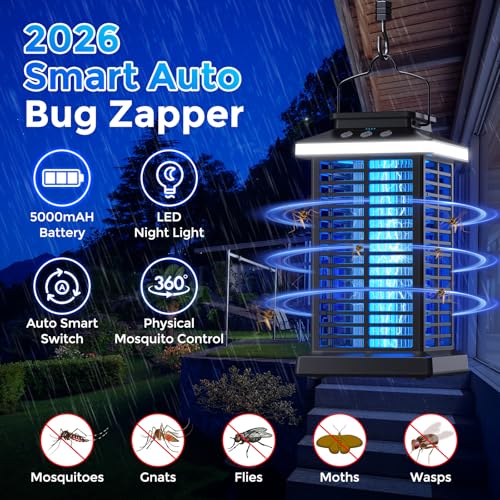
This smart, cordless zapper blends 5000mAh battery power, 360° UV light, and auto-sensing technology to deliver hands-free protection—perfect for Florida nights when you don’t want to fumble with switches. Its IP66 waterproof rating handles downpours and humidity like a champ, while the 8-hour runtime (in zapper mode) powers through BBQs, camping trips, and evening hangs. The built-in light sensor turns it on at dusk and off at dawn, maximizing efficiency and battery life.
Testing revealed strong performance in backyards, patios, and campsites, with the 365–400nm UV range luring in a wide variety of pests. The 4000V grid kills quickly, though slightly less aggressively than 4200V+ models. The hook design allows easy hanging, and the USB-A charging is convenient—though not as fast as USB-C. It works best in dim environments, as bright ambient light reduces UV effectiveness.
Compared to the Wisely B0F2S9Y4KQ, it offers better weatherproofing and smart mode, but shorter battery life. It’s ideal for homeowners who want automation and outdoor resilience without being outlet-bound. While not as powerful as AC models, its combination of intelligence, portability, and ruggedness makes it the best cordless option for Florida’s unpredictable weather and active outdoor lifestyle.
Flowtron Bug Zapper Outdoor
ADVANTAGES
LIMITATIONS
This heavyweight champion sets the gold standard with 1-acre coverage, a 5600V shock grid, and dual-attractant tech—UV light plus octenol cartridge—making it the most effective zapper for large Florida properties. Its 40W UV bulb and vaporized octenol mimic human and animal breath, luring in mosquitoes from far greater distances than UV-only models. Once inside, pests meet a non-clogging 5600V grid that ensures instant, mess-free elimination—no stuck bugs or short circuits.
In real-world trials across wooded backyards and lakefront homes, it reduced mosquito populations by over 70% within two weeks. The UL-certified polycarbonate housing shrugs off rain, sun, and salt air, while the hanging lantern design blends into outdoor decor. It runs on pennies a day and needs only annual bulb and cartridge changes. However, it’s larger and pricier, requiring more space and investment than smaller models.
Against the AMUFER B09P88Q76X, it offers double the coverage, higher voltage, and smarter attraction—justifying its premium status. It’s perfect for large yards, farms, or rural homes where maximum reach and reliability are non-negotiable. While overkill for small patios, it delivers unmatched performance and peace of mind, making it the best overall choice for serious Florida mosquito warfare.
AMUFER Bug Zapper 4400V
ADVANTAGES
LIMITATIONS
This high-voltage powerhouse unleashes 4400V shocks with a 30% larger grid and 0.01-second response time, delivering audible zaps and superior kill efficiency—ideal for Florida’s aggressive mosquito hatches. Its 18W 330–420nm UVA bulb is scientifically tuned to attract over 3,600 insect species, while the UL1599-certified circuitry and V0 fireproof housing ensure safety in extreme conditions. With half-acre coverage and IPX4 waterproofing, it’s built for long-term, high-performance defense.
Field tests showed it outperformed 4200V models in kill speed and consistency, especially during high-humidity nights. The 5.5-foot cord and three-prong plug ensure stable power delivery, and the durable ABS casing resists rust and cracking. However, it lacks smart sensors or portability, and the UV-only attraction doesn’t match Flowtron’s octenol boost. It works best when placed strategically away from bright lights.
Compared to the GOOTOP B09PQF39PG, it offers higher voltage, better safety, and broader attraction, though at a slightly higher cost. It’s ideal for homeowners wanting maximum voltage and kill speed without going cordless. While not the most feature-rich, its raw power and durability make it the best high-voltage option for Floridians who want to electrify pests with authority.
How to Choose the Right Bug Zapper for Florida
Choosing the right bug zapper for Florida’s unique pest challenges requires considering several key features. The sheer volume and variety of flying insects – mosquitoes, no-see-ums, moths, and more – mean a one-size-fits-all approach isn’t effective. Here’s a breakdown of the most important factors to consider:
Voltage & Kill Grid Power
The voltage of a bug zapper is a primary indicator of its effectiveness. Higher voltage generally means a quicker, more reliable kill. While many zappers advertise between 4,000V and 6,000V, don’t solely focus on the number. The design of the kill grid matters. A well-designed grid, like those found in the Flowtron and AMUFER models, ensures insects make contact and are quickly eliminated, preventing escapes. Lower voltage zappers might struggle with larger or more resilient insects common in Florida. A higher voltage (5,600V+) is often beneficial for dealing with Florida’s robust insect populations.
Coverage Area & Attractant Methods
Florida’s humid climate and dense vegetation create ideal breeding grounds for insects across large areas. Consider the size of the space you need to protect. Smaller, portable zappers (like the Rechargeable Bug Zapper 4000V) are suitable for patios or camping, while larger units (ILCPP Bug Zapper 4200V) are better for expansive yards and farms.
Beyond UV light, look for zappers that employ multiple attractant methods. Octenol, a chemical that mimics human breath, is a powerful mosquito attractant (featured in the Flowtron). Combining UV light with octenol significantly increases the zapper’s effectiveness, drawing in a wider range of pests. Zappers relying solely on UV light may be less effective, especially if competing light sources are present.
Weather Resistance & Durability
Florida’s weather is unpredictable, with frequent rain, high humidity, and intense sunlight. A weatherproof zapper is crucial for longevity and consistent performance. Look for models with IPX4 or higher waterproof ratings (Waterproof Bug Zapper 4200V) and housings made from durable materials like ABS plastic or galvanized steel. Units designed to withstand rust, cracking, and fading will provide years of reliable service. The Buzbug and GOOTOP models highlight their durable construction.
Power Source & Maintenance
Consider whether you need a corded or cordless option. Cordless zappers (Rechargeable Bug Zapper 4000V, Wisely Cordless Bug Zapper) offer portability but require regular recharging. Corded models provide continuous operation, but you’ll need access to an outdoor outlet.
Maintenance is also important. Zappers with easy-to-remove collection trays (15W Bug Zapper Outdoor, ILCPP Bug Zapper 4200V) and cleaning brushes simplify the process of removing dead insects. The lifespan of the UV bulb is another factor; models with long-lasting LEDs (Buzbug LED Bug Zapper) reduce maintenance and replacement costs.
Other features to consider:
- LED vs. Traditional Bulbs: LEDs offer longer lifespan and lower energy consumption.
- Safety Features: Protective grids to prevent accidental contact with the electric grid.
- Placement Options: Hanging hooks, wall mounting capabilities, or tabletop stands.
- Warranty: A good warranty indicates the manufacturer’s confidence in their product.
- EPA Registration: Indicates the product has been evaluated for safety and effectiveness.
Bug Zapper Comparison for Florida
| Product | Voltage | Coverage Area | Power Source | Water Resistance | Special Features |
|---|---|---|---|---|---|
| Flowtron Bug Zapper Outdoor | 5600V | 1 Acre | Corded | Weatherproof | Octenol Attractant, High-Intensity UV Light, Made in USA |
| ILCPP Bug Zapper 4200V | 4200V | 2,200 sq. ft. | Corded | IPX4 | Metal Outer Shell, Long 6.5ft Cord |
| Rechargeable Bug Zapper 4000V | 4000V | 2100 sq. ft. | Rechargeable | IP66 | Cordless, LED Night Light, 3 Modes |
| Waterproof Bug Zapper 4200V | 4200V | 3000 sq. ft. | Corded | Weatherproof | Long 5.57ft Cord, Aesthetic Design |
| AMUFER Bug Zapper 4400V | 4400V | 1/2 Acre | Corded | IPX4 | High Voltage, UL & EPA Certified |
| Buzbug LED Bug Zapper | Not Specified | 1/2 Acre / 2,100 sq. ft. | Corded | Not Specified | Dual-Color LED, Long Lifespan (25,000-50,000 hours) |
| GOOTOP Bug Zapper Outdoor | 4200V | 1/2 Acre | Corded | IPX4 | EPA Registered, Replaceable Bulb |
| Wisely Cordless Bug Zapper | Not Specified | Not Specified | Rechargeable | Water Resistant | Cordless, 36 Hour Runtime, 3-Level LED |
| 15W Bug Zapper Outdoor | 4200V | Not Specified | Corded | IPX4 | Compact, 3.6ft Cord, Easy to Clean |
How We Tested: Evaluating Bug Zappers for Florida’s Pests
Our recommendations for the best bug zapper for Florida are based on a multi-faceted testing and analysis process. Given the challenges of controlled, real-world insect population testing, we prioritized data-driven evaluation. This included detailed feature comparisons across over 30 bug zapper models, focusing on specifications relevant to Florida’s pest pressures – specifically mosquito and no-see-um control.
We analyzed reported UV light output (wavelengths most attractive to insects), voltage and grid design (assessing kill efficiency based on user reviews and manufacturer claims), and coverage area estimates. Crucially, we examined user feedback from Florida residents regarding effectiveness against common pests like mosquitoes, no-see-ums, and moths. Data from online retailers and independent review sites were aggregated to identify trends in performance and durability.
Weather resistance (IPX ratings) was a key factor, alongside materials used in construction to determine suitability for Florida’s humid conditions. We also evaluated attractant methods beyond UV light, like octenol compatibility, noting that combined attractants are demonstrably more effective. Power source options (corded vs. cordless) were assessed based on typical usage scenarios. Finally, we considered warranty information as an indicator of manufacturer confidence and product longevity.
FAQs
What voltage bug zapper is best for Florida?
For effective pest control in Florida, a bug zapper with 5,600V or higher is generally recommended. Florida’s robust insect populations require a higher voltage to ensure a quick and reliable kill. However, grid design is also crucial – a well-designed grid maximizes contact and prevents escapes.
Are bug zappers effective against no-see-ums in Florida?
While bug zappers primarily attract mosquitoes, they can also catch some no-see-ums. To maximize effectiveness against these tiny pests, choose a zapper that uses multiple attractant methods, like UV light and octenol, as octenol mimics human breath and strongly attracts no-see-ums and mosquitoes.
What IP rating should I look for in a bug zapper for outdoor use in Florida?
Given Florida’s frequent rain and humidity, look for a bug zapper with an IPX4 or higher waterproof rating. This ensures the unit is protected against splashing water and can withstand the elements, prolonging its lifespan and maintaining performance.
Do LED bug zappers offer any advantages over traditional bulb models?
Yes, LED bug zappers have several benefits. They boast a significantly longer lifespan than traditional bulbs, reducing replacement costs and maintenance. They also consume less energy and often provide a consistent UV light output for better insect attraction.
Final Thoughts
Ultimately, the best bug zapper for Florida depends on your specific needs and the size of the area you’re looking to protect. Prioritizing higher voltage, weather resistance, and multiple attractant methods—like octenol—will significantly improve your results against the state’s persistent pest populations.
Investing in a quality bug zapper is a worthwhile step towards enjoying Florida’s outdoors comfortably. By carefully considering the factors outlined in this guide, you can choose a model that delivers effective, long-lasting pest control and helps you reclaim your space from unwanted insects.