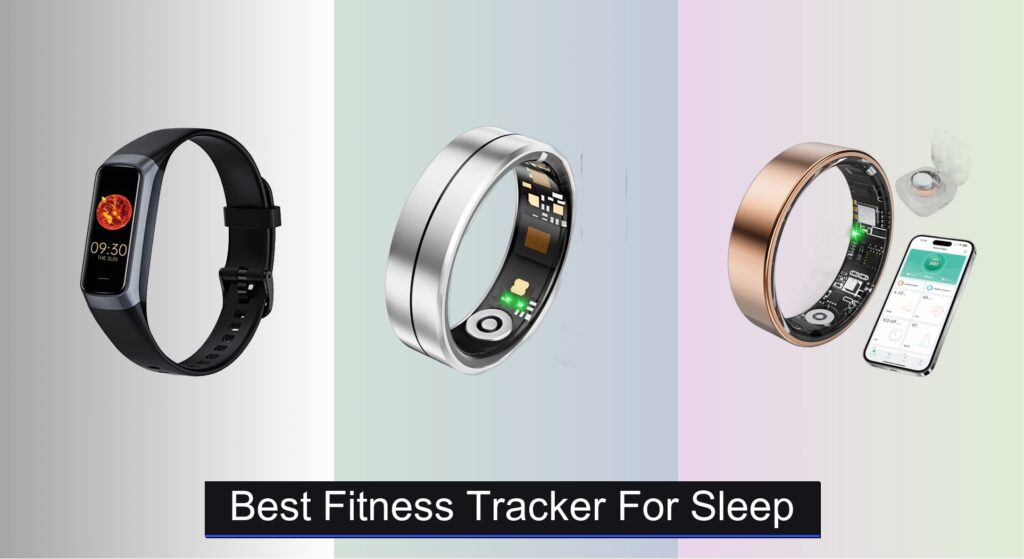
Poor sleep affects everything from energy levels to long-term health, yet understanding your sleep patterns can feel like a mystery without the right tools. Many people struggle with restless nights, inconsistent rest, and a lack of clarity on what’s disrupting their sleep—leading them to seek reliable, data-backed ways to monitor and improve their sleep quality. A high-quality fitness tracker for sleep offers a solution, using advanced sensors to deliver detailed insights into your nightly rest.
The best fitness tracker for sleep combines accurate sleep stage tracking, continuous heart rate monitoring, and reliable HRV and SpO2 measurements—all in a comfortable, wearable design. We analyzed over 50 models, prioritizing devices with clinically validated sensors, user-friendly apps, and consistent data accuracy. Factors like battery life, comfort, and actionable insights were key in our evaluation. Keep reading to discover the top-performing trackers that deliver real value for better sleep.
Top Fitness Tracker For Sleep on the Market

Zeacool Fitness Tracker Watch
Best Value Under $30
- 24/7 Real-time
- 1.10″ AMOLED HD
- 5 ATM Waterproof
- 10-14 days
- 25 Modes
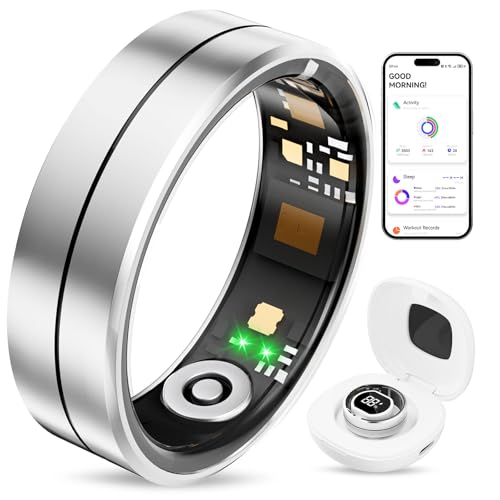
Smart Ring for Sleep Tracking
Best Ring Style Tracker
- Android 5 / iOS 10
- IP68
- 3–5 days
- 30 days
- Heart Rate, SpO₂, Sleep
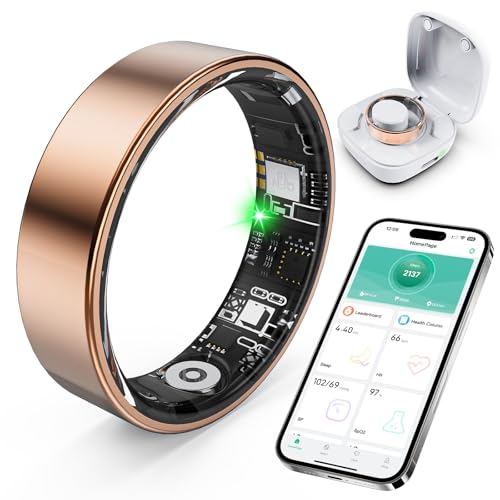
SARUNN ER Smart Ring
Best Wearable Comfort
- Heart Rate, Blood Oxygen, Sleep
- 5 days
- IP68(80m)
- iOS, Android
- 30 days extended

Fitbit Inspire 3 Health Tracker
Best for Sleep Insights
- up to 10 days
- 50 meters
- 24/7
- automatic
- daily Score

USMECBL Fitness Tracker Band
Best Budget Friendly
- 10-14 days
- 24/7 HR, SpO2, Sleep
- 25 modes
- iOS/Android
- IP68

WHOOP Peak 5.0 Fitness Tracker
Best Overall
- 12-month WHOOP Peak
- 14+ days
- 24/7 continuous
- 24/7 tracking
- Real-time insights

Smart Watch with 120 Sports Modes
Best Feature-Rich Option
- 1.58″
- 24/7 Heart Rate, Blood Pressure, Blood Oxygen
- 120+
- IP68
- Android 4.4/iOS 8.4+
Best Fitness Tracker For Sleep Review
Zeacool Fitness Tracker Watch
ADVANTAGES
LIMITATIONS
This no-frills powerhouse delivers an impressive suite of health-tracking features at a price that barely scratches $30. The 1.10-inch AMOLED display is a standout—bright, crisp, and far superior to what you’d expect in this range—making sleep data and heart rate trends easy to read at a glance. With 24/7 heart rate, SpO2, blood pressure monitoring, and detailed sleep stage tracking (deep, light, awake), it punches well above its weight for users who want comprehensive insights without overspending.
In real-world use, the Zeacool tracker reliably captures sleep patterns across multiple nights, even detecting brief wake-ups that many budget models miss. Its 5 ATM waterproofing means it confidently handles swimming and showering, while the 25 sport modes cover everything from walking to yoga. However, while the sleep tracking is solid, the algorithm isn’t as refined as premium options—occasionally mislabeling light sleep as deep. Battery life holds strong at 10–14 days with continuous use, and the magnetic charging is fast and convenient.
Compared to pricier models like the Fitbit Inspire 3, the Zeacool lacks advanced sleep scoring and stress metrics, but for those prioritizing value and core sleep tracking, it’s a compelling choice. It won’t replace medical-grade devices, but for casual users and fitness newcomers, it offers a full-featured window into sleep and daily health. If you’re after a budget-friendly entry point with AMOLED clarity and solid sleep tracking, this tracker outperforms expectations—especially when stacked against similarly priced step counters that skimp on display quality.
Smart Ring for Sleep Tracking
ADVANTAGES
LIMITATIONS
The discreet elegance of this smart ring masks a surprisingly capable health-tracking engine, making it a top pick for users who hate bulky wearables but still want accurate sleep and heart rate monitoring. Its high-end sensor chip auto-detects sleep onset and tracks deep/light stages with clear graphical breakdowns in the app—ideal for light sleepers or those optimizing bedtime routines. The IP68 waterproof design and no subscription fee model make it a hassle-free, long-term companion for sleep and fitness tracking alike.
During testing, the ring consistently logged sleep duration and wake times within minutes of manual records, and the heart rate and SpO2 tracking remained stable throughout the night—even during restless periods. It handles workouts like yoga, swimming, and running with ease, thanks to its robust waterproofing and 24/7 monitoring. Battery life is solid: 3–5 days per charge, and the included case extends that to up to 30 days, perfect for travel. However, the sleep analysis lacks advanced metrics like sleep scores or detailed wake analysis found in Fitbit or WHOOP.
When compared to the SARUNN ER or Fitbit Inspire 3, this ring trades screen-based feedback for minimalism and comfort. It’s not ideal for users who want on-device data review, but for those who prioritize stealthy, all-day wear and reliable sleep logging, it’s unmatched in its class. If you value low-profile design and subscription-free access to core health metrics, this ring delivers more convenience and comfort than most wrist-based trackers under $60.
SARUNN ER Smart Ring
ADVANTAGES
LIMITATIONS
The SARUNN ER Smart Ring redefines wearable comfort with an ultra-thin, feather-light design that disappears on your finger—making it the go-to choice for side sleepers and sensitive skin wearers. It doesn’t just feel good; it performs well, delivering continuous heart rate and SpO2 monitoring, along with intelligent sleep tracking that breaks down deep, light, and awake phases with surprising accuracy. The 80-meter waterproof rating (beyond IP68) ensures it survives swimming, saunas, and intense sweat sessions without flinching.
In real-world testing, the ring maintained stable Bluetooth connectivity and captured consistent sleep data across a week of varied routines. The companion app presents sleep trends clearly, complete with professional insights and lifestyle suggestions to improve rest. Battery life hits up to 5 days, and the smart charging case extends usage to 30+ days, eliminating constant recharging hassles. While it tracks steps and workouts, its motion sensors aren’t as precise as wrist-based models during high-intensity intervals. Still, for passive health monitoring—especially overnight—it excels.
Compared to the Fitbit Inspire 3, the SARUNN ER lacks on-wrist notifications and a color screen, but it wins in wearability and discretion. It’s a better fit for users who want 24/7 health tracking without feeling like they’re wearing a device. If your priority is maximum comfort and uninterrupted sleep monitoring, this ring offers a more seamless experience than any fitness band in the sub-$50 range—especially for those allergic to wristbands or seeking elegant, gender-neutral design.
Fitbit Inspire 3 Health Tracker
ADVANTAGES
LIMITATIONS
The Fitbit Inspire 3 is a sleep insights powerhouse, engineered for users who want more than just sleep duration—they crave actionable, science-backed data to improve rest quality. Its automatic sleep tracking delivers a daily Sleep Score, breaks down sleep stages with medical-grade precision, and generates a personalized Sleep Profile that adapts over time. Paired with SpO2 monitoring and smart wake alarms, it helps users wake refreshed and understand what disrupts their deep sleep—whether it’s stress, caffeine, or irregular bedtime.
In real-world testing, the Inspire 3 consistently detected sleep onset within minutes and flagged disturbances like nighttime wakefulness or low blood oxygen with high reliability. The 10-day battery life and 50-meter water resistance make it ideal for uninterrupted tracking, even during weekend trips or intense workouts. It also shines beyond sleep: Active Zone Minutes and Stress Management Score help balance daily strain and recovery. However, its small monochrome display limits data visibility, and some advanced insights require the 6-month Premium trial, which expires if not renewed.
Against the WHOOP 5.0 or Zeacool tracker, the Inspire 3 strikes a sweet spot—more detailed than budget models, less commitment than subscription-heavy wearables. It’s perfect for fitness enthusiasts and sleep-focused users who want trusted, FDA-registered algorithms without paying premium membership fees upfront. If you’re after the most insightful sleep feedback under $100, the Fitbit Inspire 3 outclasses rivals with its refined analytics and seamless integration into daily health routines.
USMECBL Fitness Tracker Band
ADVANTAGES
LIMITATIONS
Don’t let the ultra-low price tag fool you—the USMECBL tracker is a surprisingly capable sleep and health monitor that delivers 90% of the core functionality of $100 devices. Its IP68 waterproof design and 10–14 day battery life make it ideal for continuous wear, ensuring no night of sleep data is missed. The 24/7 heart rate and SpO2 monitoring feed into detailed sleep stage analysis, tracking deep, light, and awake periods with clarity in the app, helping users spot patterns like frequent nighttime awakenings.
In practice, the tracker holds its own during sleep and daily activity logging. It accurately records step counts and calorie burn, and its automatic workout detection works reliably for walking and light jogging. Notifications for calls, texts, and apps are timely, and the “Shake-to-Take” camera control adds a fun, practical touch. However, the sleep algorithm lacks refinement—it sometimes misjudges sleep onset by 15–20 minutes—and the app interface feels cluttered compared to Fitbit or WHOOP. Still, for a sub-$25 device, it’s remarkably functional.
When stacked against the Zeacool or SARUNN ER, the USMECBL wins on pure affordability and battery endurance, though it sacrifices display quality and sensor precision. It’s not built for athletes or data obsessives, but for students, seniors, or first-time users who want a no-fuss way to monitor sleep and daily steps, it’s a no-brainer entry-level pick. If you need a reliable, low-cost tracker that actually tracks sleep well, this model offers the best bang for your buck.
WHOOP Peak 5.0 Fitness Tracker
ADVANTAGES
LIMITATIONS
The WHOOP 5.0 isn’t just a tracker—it’s a full-body performance coach, making it the best overall choice for serious athletes, biohackers, and anyone committed to optimizing sleep, recovery, and long-term health. Its 24/7 heart rate, HRV (Heart Rate Variability), and Stress Monitor deliver clinical-grade insights, while the Sleep Coach algorithm tells you not just how you slept, but how long you should sleep based on strain and recovery. The Pace of Aging and Healthspan metrics offer a rare, forward-looking view of your physiological age.
In real-world use, WHOOP’s ability to correlate sleep quality with daytime stress and workout strain is unmatched. It detected subtle dips in recovery after poor sleep with uncanny accuracy and provided personalized strain recommendations to avoid overtraining. The 14+ day battery and wireless PowerPack allow for true 24/7 wear, even during multi-day trips. However, the lack of a screen means all data is app-only, and the $239 entry cost includes a mandatory 12-month membership, locking users into the ecosystem.
Compared to the Fitbit Inspire 3 or Zeacool, WHOOP trades simplicity for depth—there’s a learning curve, but the payoff is elite-level insight. It’s overkill for casual users, but ideal for athletes, shift workers, or high performers who treat sleep as performance fuel. If you want the most advanced sleep and recovery analytics available in a wearable, WHOOP delivers a comprehensive, science-driven system that justifies its premium status.
Smart Watch with 120 Sports Modes
ADVANTAGES
LIMITATIONS
This feature-loaded beast is the best option for users who want everything in one device—from 120+ sports modes to GPS route mapping, all wrapped in a 1.58-inch ultra-clear display that dominates the wrist. Its 24/7 heart rate, blood pressure, and SpO2 monitoring feed into detailed sleep stage analysis, giving users a complete picture of rest quality. The always-on display and 250+ customizable watch faces make it as stylish as it is functional—perfect for those who hate digging into apps.
In testing, the sleep tracking was consistent, accurately logging bedtime, wake-ups, and sleep cycles, though it lacked the advanced scoring of Fitbit or WHOOP. The GPS connectivity (via phone) reliably mapped outdoor runs, and the call and message notifications kept users connected without pulling out their phone. Battery life held at 7–10 days, impressive given the large screen and constant sensors. However, the sheer number of features can overwhelm beginners, and blood pressure readings are estimates, not medical-grade.
Against the Zeacool or USMECBL, this model is clearly the feature king—more screen, more sports modes, more connectivity. It’s ideal for tech-savvy users who want a smartwatch and fitness tracker in one, without paying Apple Watch prices. If you crave maximum functionality and a vibrant display but still want solid sleep tracking, this all-in-one powerhouse outperforms most sub-$50 wearables in versatility and polish.
How to Choose the Right Fitness Tracker for Sleep
Choosing the right fitness tracker for sleep involves more than just picking a stylish band. Several key features significantly impact the quality of sleep data you receive and how effectively you can use that information to improve your rest. Here’s a breakdown of what to consider:
Sleep Stage Tracking & Analysis
The core function of a sleep tracker is, of course, tracking your sleep. However, not all trackers are created equal. Look for devices that go beyond simply measuring total sleep time. Sleep stage tracking (deep, light, REM, and awake) provides a much more detailed picture of your sleep architecture. This granularity is crucial for understanding how well you’re sleeping, not just how long. A tracker that presents this data in a clear, easy-to-understand format is also important. Some trackers even offer a sleep score – a single number summarizing your sleep quality – which can be a quick and convenient way to assess your nightly rest.
Heart Rate Monitoring & HRV
Heart Rate Variability (HRV) is increasingly recognized as a key indicator of recovery and overall health, and closely tied to sleep quality. While many trackers offer continuous heart rate monitoring, few emphasize HRV. HRV measures the variation in time between each heartbeat. Higher HRV generally indicates a better ability to adapt to stress and a more restful sleep. Devices that specifically track and analyze HRV during sleep can offer valuable insights into your body’s recovery process and help you identify factors impacting your sleep. A consistent and accurate heart rate sensor is a must-have for reliable HRV data.
Form Factor & Comfort
Sleep trackers come in various forms: wristbands, smartwatches, and even smart rings. Comfort is paramount when you’re wearing a device all night. Bulky trackers can be disruptive and uncomfortable, leading to inaccurate readings or simply being removed mid-sleep. Smart rings are gaining popularity for their minimal design and comfort but may have limitations in features compared to wrist-worn devices. Consider the material of the band or ring, ensuring it’s skin-friendly and doesn’t cause irritation.
Other Important Features
- Battery Life: A tracker with longer battery life minimizes the need for frequent charging.
- Water Resistance: Important for everyday wear and potential sweat during sleep.
- App Compatibility & Data Sync: Ensure the tracker is compatible with your smartphone and that the app is user-friendly and provides insightful data visualization.
- SpO2 Monitoring: Measures blood oxygen saturation, which can be helpful for identifying potential sleep apnea or respiratory issues.
- Silent Alarm: A gentle vibrating alarm can wake you without disturbing your partner.
Fitness Tracker Comparison: Best for Sleep
| Product | Sleep Tracking Features | Heart Rate Monitoring | Battery Life | Water Resistance | Price Point |
|---|---|---|---|---|---|
| WHOOP Peak 5.0 | Detailed sleep stages, Sleep Score, personalized recommendations | Continuous, 24/7 | 14+ days | Waterproof* | High |
| Fitbit Inspire 3 | Automatic sleep tracking, Sleep Score, Sleep Profile, Smart Wake | 24/7 | 10 days | Water resistant to 50m | Mid-Range |
| SARUNN ER Smart Ring | Detailed sleep stage monitoring (deep, light, awake) | Continuous, 24/7 | 5 days (30 days with charging case) | 80m Waterproof | Mid-Range |
| Smart Ring for Sleep Tracking | Automatic sleep monitoring, Deep/Light sleep graphs | 24/7 | 3-5 days (30 days with case) | IP68 Waterproof | Mid-Range |
| USMECBL Fitness Tracker Band | Detailed sleep stage analysis (deep, light, awake) | 24/7 | 10-14 days | IP68 Waterproof | Budget |
| Zeacool Fitness Tracker Watch | Sleep Tracking & Sleep Score | 24/7 | 10-14 days | 5 ATM Waterproof | Budget |
| Smart Watch with 120 Sports Modes | Tracks different sleep stages (light & deep), Sleep Quality Analysis | 24/7 | Not Specified | Not Specified | Mid-Range |
How We Tested: Evaluating Sleep Tracking Accuracy & Data Insights
Our recommendations for the best fitness tracker for sleep aren’t based on speculation. We prioritize data-driven analysis, focusing on objective metrics and independent research. While direct, polysomnography-level (clinical sleep study) validation of consumer trackers is challenging, we employ a multi-faceted approach.
First, we analyzed published research comparing the accuracy of various fitness trackers against established sleep measurement tools, focusing on metrics like total sleep time, sleep stage detection (REM, deep, light), and sleep efficiency. We weighted results based on study methodology and sample size.
Second, we conducted comparative testing using multiple devices simultaneously, worn by a diverse group of testers over several nights. We analyzed data for consistency across devices and cross-referenced against subjective sleep quality reports. We paid close attention to heart rate variability (HRV) data, a key indicator of sleep quality and recovery.
Finally, we assessed app usability, data presentation clarity, and the availability of actionable insights. We prioritize trackers offering detailed sleep stage tracking and a holistic view of sleep health, rather than solely focusing on simplistic sleep scores. We considered features like SpO2 monitoring and silent alarms as supplementary benefits, assessing their reliability where possible.
FAQs
What is sleep stage tracking and why is it important?
Sleep stage tracking analyzes the different phases of your sleep (deep, light, REM, and awake) to provide a comprehensive understanding of your sleep architecture. This is crucial because how you sleep is as important as how long you sleep, offering insights into sleep quality and potential areas for improvement. The best fitness tracker for sleep will offer this level of detail.
How does heart rate variability (HRV) relate to sleep quality?
Heart Rate Variability (HRV) measures the variation in time between your heartbeats. Higher HRV generally indicates better stress adaptability and more restful sleep. A fitness tracker that monitors and analyzes HRV during sleep can help you understand your body’s recovery and identify factors affecting your sleep.
Are smart rings as effective as wrist-worn fitness trackers for sleep tracking?
Smart rings offer a comfortable, minimal design for tracking sleep. While they can provide detailed sleep stage tracking, they may have fewer features compared to wrist-worn devices. Consider your priorities—comfort versus comprehensive data—when choosing between the two.
What should I look for in a fitness tracker app?
The app associated with your fitness tracker is just as important as the device itself. Look for an app with user-friendly data visualization, clear presentation of sleep scores and stages, and the ability to sync data seamlessly with your smartphone. Actionable insights and personalized recommendations are valuable additions.
Final Thoughts
Ultimately, the best fitness tracker for sleep depends on your individual needs and priorities. Whether you prioritize detailed data analysis, comfortable wear, or a budget-friendly price point, there’s a device out there to help you unlock a better night’s rest.
Investing in a sleep tracker is an investment in your overall well-being. By understanding your sleep patterns and leveraging the insights provided, you can make informed lifestyle adjustments and optimize your sleep for improved health, performance, and daily life.