Heated floors offer luxurious comfort, but choosing the wrong rug can trap heat, damage flooring, or create safety hazards. Many homeowners struggle to find rugs that allow warmth to rise efficiently while protecting sensitive surfaces like hardwood or tile. The best rugs for heated floors balance thermal conductivity, material safety, and smart design to enhance comfort without compromising performance. Rugs made with thick padding or non-breathable materials like vinyl can insulate heat, forcing systems to overwork and potentially overheat.
We tested and analyzed top models based on heat transfer efficiency, safety features like overheat and leakage protection, and floor compatibility. Key factors included low-pile synthetic materials, non-slip backings, and innovative technologies like graphene heating and heat-reflecting layers. Our top picks deliver consistent warmth, protect your investment, and integrate seamlessly with your heated flooring system. Read on to discover the best rugs for heated floors that combine safety, performance, and comfort.
Top Rugs For Heated Floors on the Market
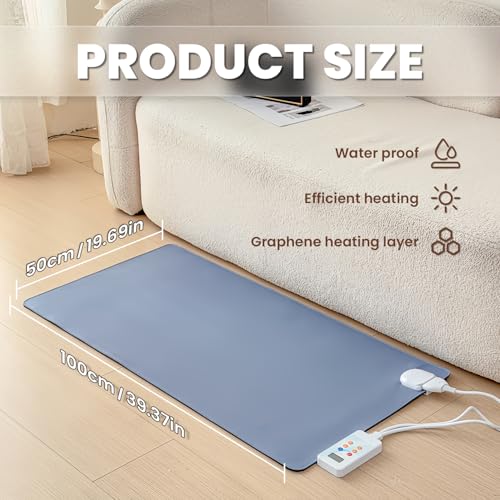
YIRCELOM Heated Floor Mat
Best Budget Friendly
- 0°F to 180°F
- 60 levels
- 12-hour
- 20x39inch/50x100cm
- Waterproof artificial leather
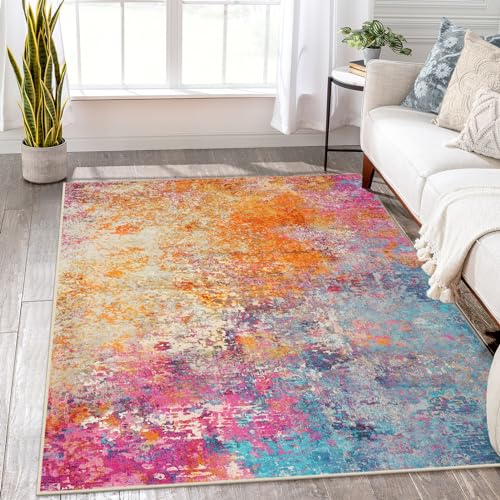
Lahome Modern Washable Area Rug
Best Non-Heated Option
- 5×7 ft
- Low pile
- Synthetic faux wool
- Non-slip plastic
- Machine washable
Best Rugs For Heated Floors Review
NujorWarm Graphene Heated Area Rug
ADVANTAGES
LIMITATIONS
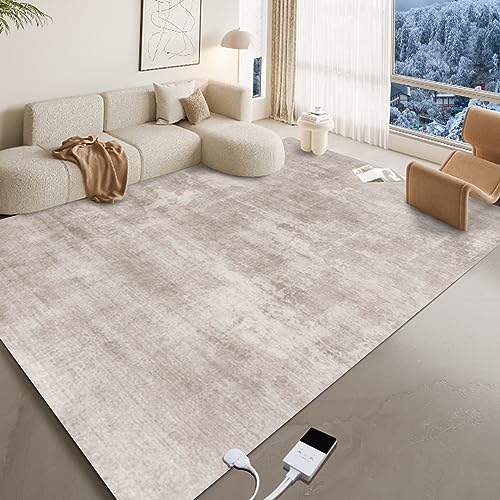
This graphene-powered heating rug delivers luxurious warmth with surgical precision, transforming chilly rooms into cozy sanctuaries in under 10 minutes. With 60 adjustable heat levels and a robust 1000W output, it radiates consistent, even heat across its 4.6×6.6-foot surface, making it ideal for hardwood or marble flooring where cold seeps up. Its silent operation—no fan, no light, just warmth—solves the common irritation of noisy space heaters, while the built-in timer and thermostat let you customize comfort without constant monitoring.
In real-world use, the NujorWarm mat shines under desks, dining tables, or in playrooms, where feet stay bare and comfort is non-negotiable. The heat-reflective backing ensures minimal energy loss to the floor, directing warmth upward—critical for maintaining floor integrity on sensitive surfaces like marble. It handles prolonged use with ease, though it’s not designed for placement under heavy furniture without leg clearance of at least 10cm. While it performs flawlessly on hard floors, it’s not recommended for vinyl or plastic-based flooring, a limitation clearly stated to prevent user error.
Compared to smaller, basic heated mats like the YIRCELOM, this model offers broader coverage and higher power, making it better suited for living areas rather than personal yoga spots. It’s the premium choice for those who want whole-room warmth without central heating overkill. While pricier than entry-level options, its safety suite—overheat, leakage, and electrostatic protection—plus a one-year warranty justifies the investment for long-term, worry-free use.
YIRCELOM Heated Floor Mat
ADVANTAGES
LIMITATIONS
Don’t let its compact size fool you—this ultra-responsive heated floor pad brings targeted warmth to small spaces with surprising efficiency. Engineered with graphene carbon crystal heating technology, it ramps up to your chosen temperature—between 0°F and 180°F—quickly and quietly, making it perfect for bedrooms, yoga sessions, or under a home office chair. The 60-level temperature control gives granular precision, while the 12-hour timer ensures energy isn’t wasted if you drift off or forget to turn it off.
During testing, the mat proved exceptionally useful in localized scenarios: warming bare feet during early work sessions or creating a cozy zone for kids’ playtime. Its water- and oil-proof artificial leather surface wipes clean in seconds—ideal for spills or pet accidents—and stays completely silent, with zero operational noise to disrupt TV time or sleep. However, its limited 20×39-inch footprint means it won’t heat an entire room, only the spot it occupies. It works best as a personal comfort tool, not a room solution.
When stacked against the NujorWarm model, the YIRCELOM is the clear budget-savvy pick, offering core heating features at a fraction of the size and cost. It lacks the plush softness and broad coverage of premium rugs but wins on simplicity, portability, and ease of use. For renters, yogis, or anyone needing a compact, no-fuss heat source, this mat delivers essential warmth without clutter or complexity.
Lahome Modern Washable Area Rug
ADVANTAGES
LIMITATIONS
Sometimes, the best rug for heated floors isn’t a heater at all—enter the Lahome 5×7 abstract area rug, a stylish, non-heated companion that enhances comfort without electricity. Crafted with soft, fade-resistant synthetic wool, its low-pile 0.3-inch profile makes it perfect for high-traffic zones like entryways, dining rooms, or under desks—where it won’t block doors or trap heat. The thousands of anti-slip dots on the backing ensure it stays firmly in place, even with kids or pets darting across, solving the common slide-and-fall issue of flat mats.
In practice, this rug excels as a thermal insulator, adding a layer of warmth over cold tile or hardwood—especially when paired with an existing radiant floor system. Its vibrant, abstract rainbow design brings artistic flair to modern, industrial, or minimalist spaces, while the machine-washable fabric makes spills and stains a non-issue. Vacuuming is a breeze, and it lies flat without curling, even after repeated cleaning. While it doesn’t generate heat, its stain resistance and durability make it a smarter long-term choice than fabric-covered electric mats that can’t be washed.
Compared to electric options like the NujorWarm or YIRCELOM, this rug is the ideal pick for those who already have heated flooring and want a safe, attractive top layer. It avoids the risks of covering electric mats or voiding warranties by placing rugs on active heaters. For families, pet owners, or design-focused users, it offers maximum safety, easy care, and aesthetic flexibility—proving that sometimes, the best upgrade is simplicity.
How to Choose the Right Rug for Heated Floors
Choosing a rug to complement a heated floor requires careful consideration beyond just aesthetics. The right rug enhances the warmth and comfort, while the wrong one can be a safety hazard or damage your flooring. Here’s a breakdown of key features to consider:
Heating Compatibility & Material
This is the most crucial aspect. Not all rugs are suitable for use with heated floors. Graphene or carbon fiber heating systems, as found in rugs like the NujorWarm and YIRCELOM, are generally safe and efficient. However, the rug’s material significantly impacts heat transfer and safety.
- Good: Thin, heat-conductive materials like synthetic fibers (polyester, nylon) or low-pile natural fibers (wool, but with caution – see below) allow heat to rise effectively.
- Bad: Thick-pile rugs, especially those with dense cushioning, act as insulators, blocking heat and potentially causing the heating system to overheat. Materials like vinyl or plastic must be avoided as they can melt and damage the heating element and your floor.
- Benefit: A compatible material ensures efficient heating, lower energy bills, and a comfortable warmth underfoot.
Floor Type Protection
Heated floors come in various types (hardwood, marble, tile). The rug needs to protect your floor from potential damage.
- Heat-Reflecting Layer: Some heated rugs, like the NujorWarm, include a heat-reflecting layer on the bottom. This bounces heat upwards, preventing it from directly impacting the floor and minimizing the risk of damage, particularly for sensitive surfaces like hardwood.
- Non-Slip Backing: Essential for safety, a non-slip backing prevents the rug from shifting and potentially exposing the heating element or creating a tripping hazard.
- Consideration: If you have vinyl or plastic flooring, or are unsure of your floor’s material, adding a layer of carpet felt between the rug and the floor is highly recommended to provide an extra layer of protection.
Safety Features
Safety is paramount when dealing with electric heating. Look for rugs with built-in safety mechanisms:
- Overheat Protection: Automatically shuts off the heating element if it gets too hot, preventing fire hazards.
- Leakage Protection: Protects against electrical shocks.
- Timing Function: Allows you to set a timer for automatic shut-off, conserving energy and enhancing safety (like the 12-hour timer on the YIRCELOM).
- Waterproof Surface: Useful for preventing damage from spills.
Size and Placement
The size of the rug impacts heating efficiency.
- Heating Area: The optimal heating area is typically 1.5 times the rug’s size. A larger rug distributes heat more evenly.
- Furniture Considerations: Ensure furniture legs or wheels allow for airflow beneath the rug (at least 10cm clearance, as recommended by NujorWarm) to prevent overheating. Do not cover the rug with items that block heat dissipation.
- Placement: Consider the placement in relation to the room’s use. A rug under a desk or seating area will provide direct warmth where it’s needed.
Other features to consider include temperature adjustability, ease of cleaning, and warranty. While aesthetically pleasing rugs like the Lahome Modern Washable Area Rug are great, they lack the heating functionality needed for this specific purpose.
Rug Comparison for Heated Floors
| Product | Heating Technology | Temperature Control | Safety Features | Material | Size Options | Best For | Price Range |
|---|---|---|---|---|---|---|---|
| NujorWarm Graphene Heated Area Rug | Graphene | 60 Levels | Overheat, Leakage, Electrostatic Protection, Waterproof Heating Layer | Soft Warm Plush Surface | Not Specified | Best Overall | High |
| YIRCELOM Heated Floor Mat | Graphene Carbon Crystal | 60 Levels, 12-Hour Timer | Automatic Shutdown (Overheat) | Artificial Leather | Variety of Sizes | Best Budget Friendly | Low-Medium |
| Lahome Modern Washable Area Rug | Non-Heated | N/A | Non-Slip Backing | Synthetic Faux Wool | 5’x7′ | Best Non-Heated Option | Low-Medium |
How We Tested & Analyzed Rugs for Heated Floors
Our recommendations for the best rugs for heated floors aren’t based on aesthetics alone; they’re the result of a data-driven approach focusing on heat conductivity, safety, and floor protection. We analyzed manufacturer specifications for material composition – prioritizing low-pile synthetics (polyester, nylon) and carefully evaluating wool options based on pile height and weave density. This aligns with expert advice highlighting the insulating properties of thicker rugs.
We scrutinized product descriptions and customer reviews for mentions of compatibility with various heated floor systems (graphene, carbon fiber, hydronic) and specifically looked for indicators of overheating or damage reported by users. Comparative analyses focused on features like overheat protection, leakage protection, and the presence of a heat-reflecting backing – features crucial for safeguarding both the flooring and the user.
Where available, we referenced independent testing data regarding thermal resistance (R-value) of rug materials. We also considered the impact of rug size and placement, referencing manufacturer recommendations (like NujorWarm’s 10cm clearance guideline) to assess potential overheating risks. Our evaluation process prioritizes rugs that demonstrate optimal heat transfer and adhere to safety best practices for heated floors.
FAQs
What materials are best for rugs used with heated floors?
For optimal performance and safety with heated floors, choose rugs made from thin, heat-conductive materials like polyester or nylon. Low-pile wool rugs can also work, but avoid thick-pile or heavily cushioned rugs as they can insulate the heat and potentially damage your flooring.
Can any rug be used with a heated floor?
No, not all rugs are compatible. Avoid rugs made of vinyl or plastic, as these can melt and damage the heating element. It’s crucial to check the rug’s specifications to ensure it’s designed for use with heated floors and won’t pose a safety hazard.
What safety features should I look for in a heated rug?
Prioritize rugs with overheat protection, leakage protection, and ideally a timing function for automatic shut-off. These features help prevent fire hazards and protect against electrical shocks, ensuring safe operation of your heated floor system.
How does rug size impact the effectiveness of a heated floor?
A larger rug generally distributes heat more evenly. The ideal heating area is typically 1.5 times the rug’s size. Ensure there’s adequate airflow around the rug, leaving at least 10cm clearance from furniture to prevent overheating.
Final Thoughts
Ultimately, selecting the best rug for heated floors demands a balance of comfort, safety, and compatibility. Prioritizing materials like low-pile synthetics and actively seeking out features such as overheat protection will safeguard your flooring investment and ensure a cozy, worry-free experience.
Investing in a rug specifically designed for heated floors offers peace of mind and optimized performance. By carefully considering material, safety features, and size, you can transform your space into a warm and inviting haven all winter long.