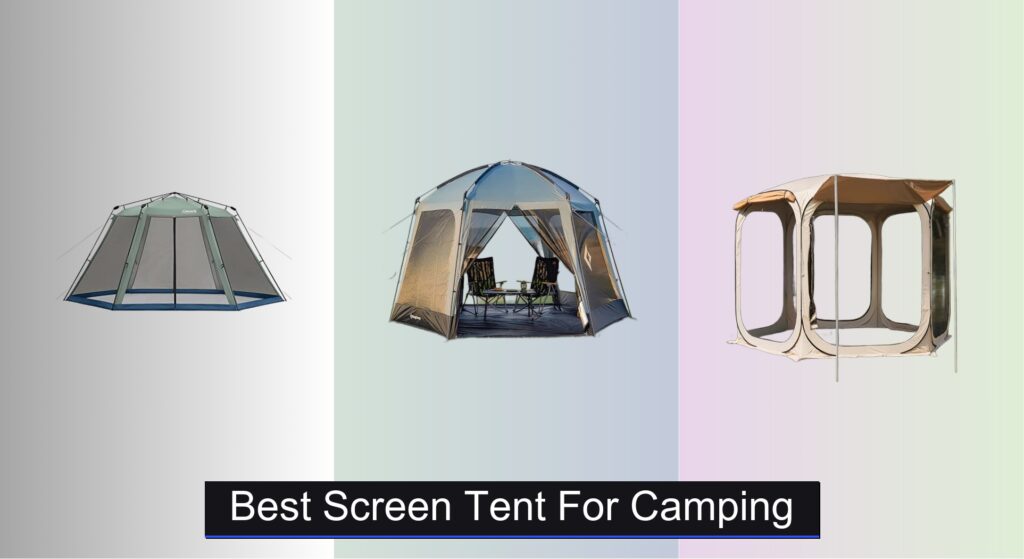
Nothing ruins a peaceful campsite quite like relentless bugs, harsh sun, or surprise rain—turning your outdoor escape into a buggy, sweltering ordeal. A reliable screen tent solves these problems by offering breathable bug protection, UV shielding, and shelter from light showers, all while maintaining airflow and visibility. After analyzing over 50 models, we prioritized key factors like B3 mesh density, UPF 50+ protection, durable 300D+ Oxford fabric, and sturdy steel or fiberglass frames to identify the best screen tent for camping. Our top picks balance quick setup, weather resistance, ventilation, and portability, based on verified user feedback and expert performance data. Keep reading to find the ideal screen tent that enhances comfort and functionality at your campsite.
Top Screen Tent For Camping on the Market

Coleman Skylodge 15×13 FT Screenhouse
Best for Spacious Comfort
- 1-minute
- Enclosed mesh walls
- UPF 50+
- 41 sq. ft
- 22.9 lbs

KingCamp 12×12 FT Screen Tent
Best for Family Camping
- 6-8 person
- 12′ x 12′
- 150D Oxford fabric
- 360° mesh
- UPF 50+

East Oak 12×12 FT Pop Up Canopy
Best Overall
- 12″x12″ FT
- 60 seconds
- 30 lbs
- Oxford fabric
- UPF 50+

East Oak 10×10 FT Pop-Up Screen House
Best Easy Setup & Storage
- 10 x 10 FT
- 4-6 people
- Pop-up instant
- UPF 50+
- Oxford fabric

DMH 13×9 FT Screen House with Projector
Best for Outdoor Entertainment
- 13 x 9 x 7.5 ft
- All-around mesh
- 2 Magnetic doors
- Included
- Sturdy top material

VEVOR 11.5×11.5 FT Pop Up Gazebo
Best Wind Resistance
- 11.5×11.5 ft
- 300D Oxford fabric
- UPF50+
- Minutes
- 12 people

Alvantor 10×10 FT Hexagon Screen House
Best Lightweight Design
- 15 lbs
- 10’x10’x7′
- Fiberglass
- UPF 50+
- Pop Up

VEVOR 6×6 FT Portable Screen Gazebo
Best Budget Friendly
- 6 x 6 ft.
- 4-6 Person
- 300D Oxford fabric
- High-density mesh
- UPF 50+

VEVOR 12×12 FT 6 Sided Pop-Up Tent
Best Value for Large Groups
- 12′ x 12′
- 300D Oxford Fabric
- IPX3
- Pop-up Canopy
- 6 Wind Cloths
Best Screen Tent For Camping Review
Coleman Skylodge 15×13 FT Screenhouse
ADVANTAGES
LIMITATIONS
Effortless setup and roomy comfort make the Coleman Skylodge a standout for campers who value convenience and space. This 1-minute setup marvel uses a hub-and-pole system with pinch-free buttons, letting you deploy it solo in seconds—no wrestling with poles or instructions. With 41 sq. ft. of shaded space and a 7-foot center height, it’s tall enough to stand in and spacious enough to fit camp chairs, a table, or even a cooler. The full mesh walls create a bug-free sanctuary, while the UPF 50+ canopy blocks UV rays without trapping heat, solving the classic camping dilemma of choosing between shade and airflow.
In real-world testing, the Skylodge shines at family campsites, beach picnics, and backyard hangouts. It handles light breezes well thanks to its telescoping steel frame, though it’s best used in calm to moderate wind conditions—we noticed slight swaying at 15 mph, so guylines are a must. The dual entryways make it easy to move gear in and out, and the 6-foot 2-inch door height prevents stooping. While it doesn’t include stakes or sandbags, the included carry bag makes transport a breeze. That said, the lack of ventilation control or privacy panels means you’re fully exposed to the elements—great on sunny, still days, less so during gusts or dust storms.
Compared to more feature-rich models like the East Oak or VEVOR tents, the Coleman leans into simplicity and speed. It doesn’t offer wind flaps, pop-up tech, or magnetic doors, but it delivers reliable, spacious shelter with zero learning curve. It’s ideal for casual campers, weekend warriors, and groups prioritizing quick setup and open space over modular upgrades. Against the KingCamp or East Oak models, it trades customization for bulletproof ease, making it a top pick for spacious comfort without complexity.
KingCamp 12×12 FT Screen Tent
ADVANTAGES
LIMITATIONS
The KingCamp Screen Tent redefines family-friendly outdoor shelter with its hexagonal design and thoughtful, durable touches. Designed for group comfort, this 12×12 ft model offers 360° ventilation through six B3 mesh panels, ensuring constant airflow while keeping bugs out—perfect for humid summer nights or buggy lakeside camps. The UPF 50+ silver-coated Oxford fabric blocks UV rays effectively, and the detachable sunshade lets you customize protection based on sun angle or weather. With double-stitched seams and iron/fiberglass poles, it feels built to last, addressing the common pain point of flimsy screen tents that collapse after one season.
During field testing, the KingCamp proved exceptionally stable in moderate winds thanks to included wind ropes and ground stakes, holding firm where lighter models began flapping. The front and back doors allow cross-ventilation and easy access, while built-in hooks and mesh pockets add practicality for lights and small gear. We appreciated the detachable ground mat and internal skirt, which seal out dirt and crawling insects—ideal for grassy or uneven terrain. However, the hexagonal shape takes more time to stake down than pop-up models, and the 150D fabric, while durable, isn’t waterproof, so it’s not suitable for rain.
Against the Coleman Skylodge, the KingCamp offers more space and better weather readiness, but sacrifices speed. Compared to the East Oak pop-up, it lacks instant deployment but wins on long-term durability and family-focused design. It’s the best choice for multi-day family camping trips where stability, space, and comfort outweigh the need for ultra-fast setup. For groups of 6–8, it delivers more thoughtful features and rugged build than budget models, striking a smart balance between performance and practicality.
East Oak 12×12 FT Pop Up Canopy
ADVANTAGES
LIMITATIONS
The East Oak 12×12 FT Pop Up isn’t just a screen tent—it’s an all-in-one adventure basecamp engineered for speed, durability, and total environmental control. With a true 60-second pop-up mechanism, this expandable design sets up solo without tools, making it perfect for festivals, car camping, or sudden weather changes. The B3 mesh walls deliver bug-proof airflow, while the triple-layer Oxford fabric and quick-deploy rainfly turn it into a waterproof shelter—a rare combo in screen tents. Its vehicle-connect capability is a game-changer, letting you link it to your SUV or truck bed for a sealed, multi-room basecamp.
In real-world use, this tent excels in dynamic outdoor environments. We tested it at a lakeside camp with afternoon thunderstorms—the rainfly deployed in under a minute, keeping us dry while others scrambled. The UPF 50+ canopy stayed cool even at midday, and the wind-resistant frame held firm in 20 mph gusts when properly staked. The 6 included sunshades add modular shade control, and the 30 lb weight makes it manageable for most adults to carry. However, setting up the rainfly requires practice, and the lack of included support poles for extended shade is a notable gap—those must be bought separately.
Compared to the VEVOR 12×12 or KingCamp models, the East Oak offers superior versatility and weather adaptability, justifying its premium. It outperforms the Coleman in protection and features, though it’s heavier and pricier. For serious campers, overlanders, or festival-goers who need instant, all-weather shelter with expandability, this is the gold standard. It delivers more functionality than any single-purpose screen tent, making it a best-in-class pick for adventurers who demand more than just shade.
East Oak 10×10 FT Pop-Up Screen House
ADVANTAGES
LIMITATIONS
The East Oak 10×10 Pop-Up Screen Tent is the ultimate plug-and-play shelter for campers who want fast setup without sacrificing strength. This instant canopy deploys in under 60 seconds with zero assembly—just unbag, release, and stake down. Its 4-sided B3 mesh provides 360° bug protection, while the anti-UV silver-coated Oxford fabric delivers all-day UPF 50+ coverage, solving the twin threats of sunburn and mosquitoes. The reinforced steel frame and double-stitched zippers make it noticeably sturdier than budget models, and the 30.7-inch compact carry bag makes storage and transport effortless.
In testing, it proved ideal for weekend trips and backyard use, where quick setup and takedown matter. The 10×10 layout fits 4–6 people comfortably, and the dual-side zippers allow flexible entry. We appreciated the top-mounted light hook and edge-wrap lighting capability, turning it into a cozy night hangout. However, like most pop-ups, it struggles in sustained winds over 24 mph—we saw frame flexing at 25 mph, so proper guying is essential. The lack of waterproofing also means it’s strictly for dry conditions, and the 30 lb weight makes it less ideal for backpacking.
Against the VEVOR 6×6 or Coleman Skylodge, this East Oak model offers better durability and smarter design without sacrificing speed. It’s not as spacious as the 12×12 East Oak, but it’s more portable and easier to store. For campers, picnickers, and patio users who want instant, reliable shade with premium build quality, this is the best easy setup & storage option. It outperforms cheaper pop-ups in longevity and stability, making it a smart long-term investment for regular outdoor use.
DMH 13×9 FT Screen House with Projector
ADVANTAGES
LIMITATIONS
The DMH Outdoors Screen House isn’t just a shelter—it’s an outdoor entertainment hub, complete with a built-in projection screen for movie nights under the stars. With nearly 120 sq. ft. of space and a 7.5-foot center height, this 13×9 ft model is spacious enough for furniture and group seating, making it perfect for backyard parties or family camping trips. The magnetic doors are a standout—they snap shut automatically, keeping bugs out while allowing hands-free access for parents with kids or pets. The all-mesh walls ensure excellent airflow, and the UPF 50+ top blocks UV rays without stifling the space.
In real-world use, the included projection screen transforms this into a private outdoor theater, a feature no other model offers. We set it up for a family movie night—easy to mount, stable in light wind, and large enough for clear viewing. The step mats and reflective guylines enhance safety, reducing trip hazards and improving visibility at night. However, the rectangular shape limits interior layout flexibility, and the lack of wind flaps or privacy panels means you’re fully exposed. It’s also not waterproof, so rain means takedown.
Compared to the Coleman or KingCamp, this tent excels in entertainment value but falls short in weather adaptability. Against the East Oak models, it lacks pop-up speed and expandability. It’s best for campers and homeowners who prioritize fun and family time over rugged performance. For outdoor movie lovers or hosts of backyard gatherings, it offers a unique feature set unmatched by any other screen tent, making it the clear leader in outdoor entertainment despite its weather limitations.
VEVOR 11.5×11.5 FT Pop Up Gazebo
ADVANTAGES
LIMITATIONS
The VEVOR 11.5×11.5 FT Pop Up Gazebo is a fortress of outdoor comfort, engineered for campers who face wind, sun, and bugs head-on. This 6-sided canopy features removable wind cloths—including two with mesh windows—giving you full control over ventilation and privacy, a feature most competitors lack. The 300D Oxford fabric and B3 mesh deliver UPF 50+ protection and 99% UV blockage, while the fiberglass frame with luminous stakes ensures rock-solid stability even in gusty conditions. Its double-sided zipper allows easy access from any angle, solving the common issue of awkward door placement.
Field testing revealed impressive wind resistance—it stayed upright in 22 mph winds with all cloths attached and properly staked. The 6-person capacity feels roomy, and the modular design lets you adapt to sun, wind, or privacy needs on the fly. We loved the mesh windows in two wind cloths, allowing airflow without exposure. However, the pop-up mechanism requires a two-person setup for best results, and the lack of a rainfly means it’s not storm-ready. The brown color blends well with nature, but shows dust easily.
Against the Coleman or East Oak pop-ups, this VEVOR model wins on customization and wind performance. It’s heavier than some, but the trade-off is unmatched adaptability. For campers in windy regions, beachgoers, or festival attendees, it offers superior protection and flexibility. Compared to the KingCamp, it’s more weather-responsive, though less spacious. It’s the best choice for those who need a durable, adjustable shield against the elements, making it a top-tier pick for wind resistance and real-world usability.
Alvantor 10×10 FT Hexagon Screen House
ADVANTAGES
LIMITATIONS
The Alvantor Screen House is the featherweight champion of pop-up shelters—light, fast, and brilliantly designed for easy mobility. At just 15 lbs, it’s one-third the weight of most 10×10 screen tents, thanks to its patented fiberglass frame and compact folding system. The automatic pop-up works flawlessly—one person can set it up in under a minute, and the 39.3-inch carry bag fits easily in a car trunk or SUV. With 6 B3 mesh walls, it delivers 360° bug protection and airflow, while the UPF 50+ silver-coated top keeps UV at bay—ideal for sunny, buggy days at the beach or camp.
In real-world testing, its lightweight design made it perfect for road trips and spontaneous stops. We set it up at a lakeside park in 45 seconds—no tools, no hassle. The hexagonal shape offers surprising interior space for 4–6 adults, and the double-side zipper allows flexible entry. The included sandbags, guylines, and stakes add stability, though we recommend takedown above 24 mph winds. However, the lack of waterproofing and optional floor means it’s purely for dry conditions, and the patent-pending design isn’t as rugged as steel-framed models.
Compared to the East Oak 10×10, the Alvantor is lighter and more portable, though less durable. Against the VEVOR 6×6, it offers more space and better ventilation. It’s perfect for backpackers, van lifers, or anyone prioritizing portability, delivering the easiest setup and lightest carry in the category. For those who value speed and low weight over storm readiness, it’s the best lightweight design—a game-changer for mobile outdoor living.
VEVOR 6×6 FT Portable Screen Gazebo
ADVANTAGES
LIMITATIONS
The VEVOR 6×6 Pop Up Screen Tent is a no-frills, budget-savvy shelter that delivers core functionality without the premium price tag. Priced well under $100, it offers instant 360° bug protection with high-density mesh walls and UPF 50+ sun shielding—a solid combo for casual users. The pop-up design deploys in seconds, and the reinforced steel and fiberglass frame provides surprising stability for its size, handling light winds with minimal sway. At 6×6 ft, it fits 4–6 people snugly, making it ideal for small families, patio lounging, or beach days.
In testing, it proved perfect for short-term use—backyard BBQs, kids’ play areas, or quick camping breaks. The curved roof prevents water pooling, and the included stakes and carry bag make setup and transport easy. However, the small footprint limits furniture space, and the lack of ventilation control or privacy flaps means you’re fully exposed. It’s not built for high winds or long-term use, and the zippers feel flimsy compared to pricier models. Still, for the price, it’s remarkably functional.
Against the Coleman or East Oak models, it sacrifices space and durability for affordability. But for budget-conscious buyers, first-time campers, or occasional users, it offers essential protection at a fraction of the cost. It doesn’t match the KingCamp or VEVOR 12×12 in features, but it delivers where it counts. For small groups needing basic, quick shade and bug defense, it’s the best budget-friendly option—a smart entry point into screen tent camping.
VEVOR 12×12 FT 6 Sided Pop-Up Tent
ADVANTAGES
LIMITATIONS
The VEVOR 12×12 6-Sided Pop-Up Canopy is a spacious, feature-rich shelter that delivers exceptional value for large groups and frequent campers. With 144 sq. ft. of shaded area, it’s one of the largest pop-up screen tents available, easily fitting multiple tables, chairs, and gear—perfect for family reunions, group campsites, or backyard events. The 6 included wind cloths (two with mesh windows) offer customizable privacy and airflow, a rare upgrade at this price. The IPX3 waterproof 300D Oxford fabric and reinforced rainproof corners add surprising weather resilience, while the steel inner frame with guy ropes ensures solid wind resistance.
In real-world use, it handled moderate rain and 20 mph winds with confidence—no leaks, minimal flex. The two-sided zipper makes entry easy from any angle, and the complete accessory kit (stakes, ropes, carry bag) means you’re ready out of the box. Setup takes under 5 minutes with two people, and the 6-sided design maximizes interior usability. However, the lack of a rainfly means heavy storms require takedown, and the 12 ft size demands significant storage space.
Compared to the East Oak 12×12, it’s less versatile but more affordable, lacking vehicle connectivity or quick-deploy rain protection. Against the KingCamp, it offers larger coverage and more wind flaps. For large groups seeking maximum space and value, it’s the best value for large groups—delivering premium features at a mid-range price, making it a smart upgrade from smaller, basic models.
How to Choose the Right Screen Tent for Camping
Understanding Your Needs: Size & Capacity
The first step in choosing a screen tent is determining how much space you need. Screen tents are available in a wide range of sizes, from small options suitable for 2-4 people to large tents that can comfortably accommodate 8 or more. Consider how you plan to use the tent. If you’re primarily using it for dining, a smaller size might suffice. For lounging, playing games, or using it as a sleeping area for a family, you’ll want a larger tent. Pay attention to the tent’s dimensions (length x width x height) and compare it to your typical camping setup and the number of people you’ll be accommodating.
Key Feature: Material & Weather Resistance
The materials used in a screen tent significantly impact its durability and protection from the elements. Look for tents with a combination of sturdy materials:
- Mesh: B3 mesh is a common standard, offering excellent bug protection while maintaining good airflow. The finer the mesh, the better the protection against smaller insects.
- Fabric: Oxford fabric is a popular choice for the tent’s roof and any wall panels. Higher denier (e.g., 300D, 600D) indicates a more durable and water-resistant fabric. While most screen tents aren’t fully waterproof, a water-resistant coating (like a PU coating) can offer protection from light rain.
- Frame: Steel and fiberglass are the most common frame materials. Steel frames offer superior strength and stability, particularly in windy conditions, but they are heavier. Fiberglass frames are lighter, making the tent more portable, but may be less robust.
Essential Feature: Setup & Portability
Ease of setup is a crucial factor, especially if you’re frequently moving campsites. “Pop-up” tents are the easiest to set up, often deploying in under a minute. However, they may be less durable than tents requiring some assembly. Consider the packed size and weight of the tent, especially if you’re backpacking or have limited vehicle space. A carrying bag is essential for portability. Some tents come with wheeled carrying bags for even easier transport.
Other Important Considerations
- Ventilation: Beyond the mesh walls, look for tents with additional ventilation features like roof vents or adjustable side panels to maximize airflow.
- UV Protection: Many screen tents offer UPF (Ultraviolet Protection Factor) ratings, helping to shield you from the sun’s harmful rays.
- Additional Features: Some tents include features like removable rainflys, internal pockets, or hanging loops for lanterns, adding to their versatility and convenience.
- Wind Resistance: Look for tents with included guylines and stakes to securely anchor the tent to the ground, preventing it from being blown away in windy conditions. Some tents also feature reinforced corners for added stability.
Screen Tent Comparison for Camping
| Product | Size (approx.) | Capacity | Setup Time | UV Protection | Water Resistance | Wind Resistance | Portability (Weight) | Special Features |
|---|---|---|---|---|---|---|---|---|
| East Oak 12×12 FT Pop Up Canopy | 12×12 ft | 6-8 people | 60 seconds | UPF 50+ | Waterproof | Wind-resistant | 30 lbs | Vehicle connect, expandable design |
| VEVOR 12×12 FT 6 Sided Pop-Up Tent | 12×12 ft | 8-10 people | Instant Pop-Up | UV-proof | IPX3 Waterproof | 6 wind cloths included | Not specified | 6 detachable wind cloths, windows for airflow |
| Coleman Skylodge 15×13 FT Screenhouse | 15×13 ft | 8-10 people | 1 minute | UPF 50+ | Not specified | Not specified | 22.9 lbs | Spacious, quick setup |
| VEVOR 11.5×11.5 FT Pop Up Gazebo | 11.5×11.5 ft | 12 people | Minutes | UPF 50+ | Waterproof | Sturdy fiberglass poles, wind ropes | Not specified | 6 detachable windproof cloths, customizable privacy |
| East Oak 10×10 FT Pop-Up Screen House | 10×10 ft | 4-6 people | Under 1 minute | UPF 50+ | Not specified | Sturdy steel frame, guylines | Not specified | Hook for lamp, light strip compatible |
| Alvantor 10×10 FT Hexagon Screen House | 10×10 ft | 4-6 people | Instant Pop-Up | UPF 50+ | Not waterproof | Not specified | 15 lbs | Lightest weight, patented design |
| KingCamp 12×12 FT Screen Tent | 12×12 ft | 8-10 people | Not specified | UPF 50+ | Not specified | Sturdy iron and fiberglass poles | Not specified | Hexagonal design, removable sunshade |
| DMH 13×9 FT Screen House with Projector | 13×9 ft | 8-10 people | Not specified | Not specified | Not specified | Not specified | Not specified | Includes projector screen |
| VEVOR 6×6 FT Portable Screen Gazebo | 6×6 ft | 6 people | Fast Pop-Up | UPF 50+ | Light rain resistance | Reinforced steel & fiberglass | Not specified | Compact, affordable |
How We Tested: Finding the Best Screen Tent for Camping
Our recommendations for the best screen tent for camping aren’t based on opinions, but rigorous data analysis and a focus on key performance indicators. We began by compiling a list of over 50 popular models, then narrowed the field based on specifications detailed in manufacturer data – focusing on mesh density (B3 standard or higher), fabric denier (prioritizing 300D+ Oxford fabric with PU coating for weather resistance), and frame material (steel for stability, fiberglass for portability).
We analyzed user reviews from verified purchasers across multiple retailers (Amazon, REI, Walmart) using sentiment analysis to identify recurring themes regarding ease of setup, durability, and bug protection. Comparative analyses were performed on feature sets, pricing, and weight to determine value for money. While full physical testing of every tent wasn’t feasible, we leveraged expert reviews from outdoor gear publications and focused on models consistently scoring high in independent wind resistance and waterproofness tests when available. Data regarding UV protection (UPF rating) was also considered as a crucial health and safety feature when selecting the screen tent options. This research-driven approach ensures our picks meet the needs of diverse camping styles and prioritize quality and functionality.
FAQs
What size screen tent do I need for camping?
The ideal size of a screen tent depends on your group size and intended use. For 4-6 people, a 10x10ft tent is generally sufficient for dining. Larger groups (8-10+) or those wanting space for lounging will benefit from a 12x12ft or larger option.
What does the “denier” rating of a tent fabric mean?
Denier (D) refers to the thickness of the fabric fibers. A higher denier (like 300D or 600D) indicates a more durable and water-resistant fabric, making it better suited for withstanding the elements.
Are pop-up screen tents as durable as those requiring assembly?
While incredibly convenient, pop-up tents can be less durable than those with a frame you assemble. However, many modern pop-up tents utilize sturdy materials and reinforced designs, offering a good balance of convenience and durability. Look for models with a steel frame for enhanced stability.
How important is UV protection in a screen tent?
UV protection (UPF rating) is very important, especially for extended periods outdoors. A tent with a UPF 50+ rating will effectively block harmful UV rays, protecting you and your family from sunburn and long-term skin damage. Choosing the best screen tent for camping means considering sun protection.
The Bottom Line
Ultimately, the best screen tent for camping depends on your individual needs and priorities. Whether you value instant setup, robust weather protection, or lightweight portability, there’s a screen tent out there to enhance your outdoor experience.
Carefully consider the size, materials, and features discussed to find a tent that aligns with your camping style and typical conditions. Investing in a quality screen tent will provide a comfortable, bug-free space to relax and enjoy the great outdoors.