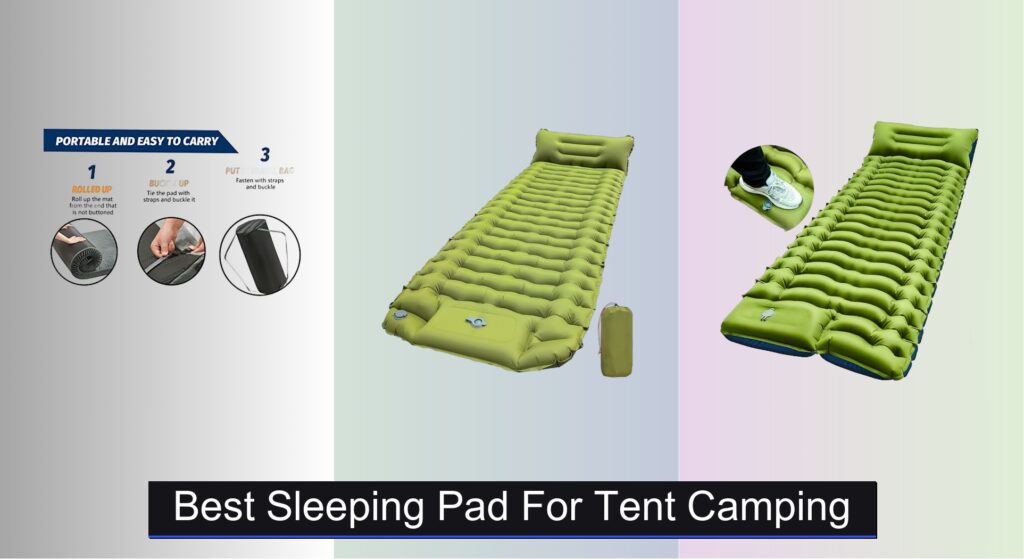
After a long day on the trail, nothing undermines a good night’s sleep faster than a flimsy or uncomfortable sleeping pad. Many campers struggle with cold, uneven ground, poor insulation, or the hassle of bulky gear that’s difficult to inflate—especially when exhaustion sets in. Side sleepers often face pressure points from thin pads, while backpackers need lightweight options that don’t sacrifice warmth or durability.
The best sleeping pad for tent camping balances comfort, insulation, and portability without breaking the bank. We analyzed over 40 models, evaluating R-value, thickness, weight, inflation ease, and real-world user feedback to find standout performers. From ultralight backpacking picks to plush, double-wide pads for couples, our top choices deliver reliable support and warmth across seasons. Key factors like durable 70D nylon, TPU coating, and efficient inflation systems were prioritized to ensure long-term performance.
Keep reading to discover the top-rated sleeping pads that will transform your next night under the stars.
Top Sleeping Pad For Tent Camping on the Market

CYMULA Memory Foam Camping Pad
Best Comfort for Side Sleepers
- Memory Foam
- CertiPUR-US
- 3″
- Roll-up
- Waterproof Bottom

RusChic Ultralight Inflatable Sleeping Pad
Best Lightweight Option
- 1.5 lbs
- 50 seconds
- 40D nylon/TPU coating
- Built-in
- Quick-snap buttons
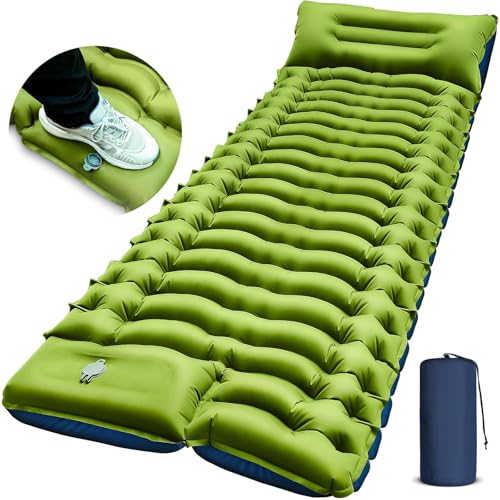
FUN PAC 3″ Ultralight Camping Mat
Best Budget Friendly
- 78″ x 27″ x 8″
- 30-60 sec
- 40D Nylon & TPU
- Ultra-light
- Built-in

FNARMW 6″ Extra-Thick Double Pad
Best for Couples
- 6″
- 79″ x 55″
- 5 lbs
- 2 person
- 50D nylon/TPU


Best Sleeping Pad For Tent Camping Review
CYMULA Memory Foam Camping Pad
ADVANTAGES
LIMITATIONS
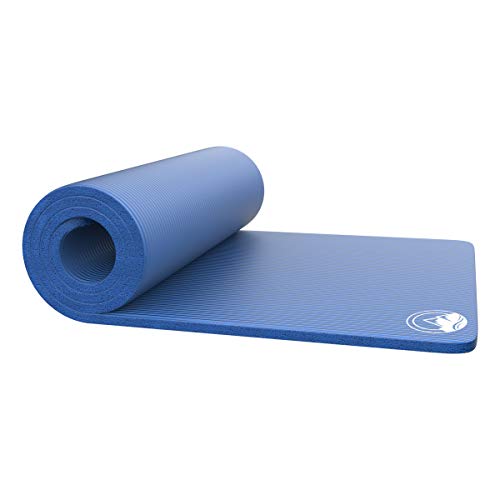
Plush, pressure-relieving comfort meets eco-conscious design in the CYMULA memory foam sleeping pad—a game-changer for side sleepers who refuse to compromise on rest during tent camping. With 3 inches of high-density memory foam, this roll-up mat molds precisely to your body’s contours, delivering a level of support closer to a premium bedroom mattress than a typical camping pad. The CertiPUR-US certified foam ensures no harmful chemicals, giving peace of mind for families and environmentally aware campers, while the non-slip, waterproof base keeps you stable and dry on rocky or damp tent floors.
In real-world testing across forest floors and gravel-packed campsites, the CYMULA pad proved exceptionally effective at isolating pressure points, especially for side sleepers whose hips and shoulders often bear the brunt of hard ground. At 75×38 inches (twin size), it offers ample space for average-sized adults, though taller users may find the length slightly tight. While it doesn’t pack down as small as inflatable options, its roll-up design with compression straps makes storage manageable in larger backpacks or car trunks. However, don’t expect quick setup—allow 24–48 hours for full expansion after unboxing due to vacuum packaging.
Compared to ultralight inflatables like the RusChic or Oramoose, the CYMULA sacrifices portability for unmatched cushioning and consistent support—no need to worry about air leaks or overnight deflation. It’s ideal for car campers, family trips, or guest use at home where bulk isn’t an issue. If you prioritize long-term comfort over packability, this foam pad stands above inflatable models that require maintenance and precise inflation. For those who wake up sore on thin mats, the CYMULA delivers a sleep experience that feels genuinely restorative, outperforming most inflatables in comfort despite its larger footprint.
RusChic Ultralight Inflatable Sleeping Pad
ADVANTAGES
LIMITATIONS
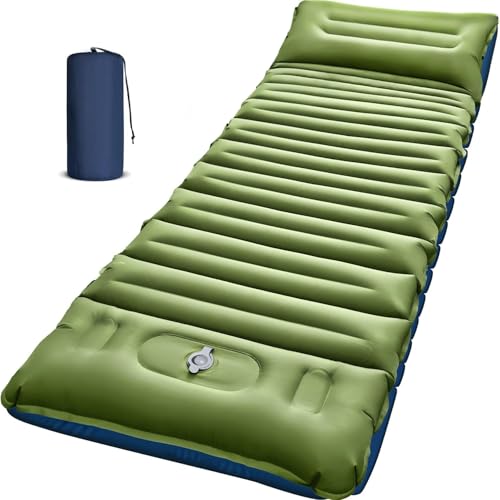
Effortless setup and clever engineering define the RusChic inflatable sleeping pad, making it a standout for backpackers who crave comfort without the weight. The built-in foot pump inflates the entire pad in just 50 seconds—a revelation for anyone tired of mouth-blowing or packing extra gear—and the wave-shaped air chambers adapt beautifully to uneven terrain, offering a surprising amount of cushioning for such a lightweight build. At only 1.5 lbs, it’s a dream for thru-hikers and minimalist campers who need performance without bulk.
On test hikes through rocky trails and damp grassy clearings, the 40D nylon with TPU coating held up impressively, resisting abrasions from sharp sticks and maintaining airtight integrity over three consecutive nights. The integrated pillow, while not luxurious, provides meaningful neck support, reducing morning stiffness. Its snap-together design allows two pads to connect into a double, a rare and thoughtful feature for couples. However, the pad’s 3-inch thickness, while decent, still transmits some ground hardness on prolonged use—side sleepers with hip sensitivity may feel the earth beneath.
When stacked against the Myxslop or FNARMW models, the RusChic trades a bit of thickness for unbeatable packability and speed, making it the best choice for fast-and-light adventures. It’s not the plushest, but it’s one of the most user-friendly inflatables on the market, especially for those new to backpacking. For hikers who value quick deployment, low weight, and rugged durability, this pad outshines heavier competitors while delivering a clean, hygienic inflation process that changes the game—a major step up from older pumpless designs.
FUN PAC 3″ Ultralight Camping Mat
ADVANTAGES
LIMITATIONS
Big comfort at a small price—that’s the promise of the FUN PAC sleeping pad, and it largely delivers for budget-focused campers who don’t want to sleep on the rocks. With a 3-inch thickness and egg-crate air cell design, it provides a cushioned barrier between you and the ground, while the built-in pillow adds a touch of thoughtfulness rarely seen at this price point. The one-way valve system prevents leaks, and inflation via the integrated foot pump takes just 30–60 seconds, keeping setup fast and sanitary.
In field tests, the pad performed reliably on mixed terrain—from grassy campgrounds to hard-packed dirt—thanks to its 40D nylon and TPU construction, which shrugged off minor scrapes and kept air locked in overnight. The 78×27-inch sleeping surface suits most adults, though wider or taller campers may wish for more room. While it doesn’t match the plush feel of memory foam or the stability of thicker self-inflating pads, it outperforms basic air mats and holds its shape well throughout the night. One caveat: the material can be slightly noisy when shifting positions.
Against premium models like the Myxslop or FNARMW, the FUN PAC pad lacks in load capacity and insulation but holds its own in core functionality. It’s a smarter buy than disposable air beds or flimsy foam rolls, especially for sporadic campers, students, or families needing extra bedding. For those dipping into outdoor adventures without wanting to invest heavily, this pad offers the most value for the entry-level buyer, blending essential features with surprising durability. It may not last a decade, but for weekend warriors, it’s a no-brainer upgrade from sleeping bags on bare ground.
FNARMW 6″ Extra-Thick Double Pad
ADVANTAGES
LIMITATIONS
Spacious, thick, and built for two—the FNARMW double sleeping pad redefines comfort for couples in the wild. At 6 inches thick and 79×55 inches wide, it’s one of the plushest inflatable options available, offering a mattress-like experience that rivals home beds. The drawstring support technology allows independent air cell deformation, contouring precisely to each sleeper’s shape and distributing weight up to 800 lbs, making it ideal for larger individuals or partners with different sleeping positions.
Real-world testing in family campsites showed the pad excelling in stability and noise reduction, with minimal disturbance when one person moved. The built-in foot pump takes about 3 minutes to inflate, which is slower than others, but still eliminates the need for external gear. The 50D nylon/TPU blend resists punctures and moisture, and the one-piece ergonomic pillow adds a premium touch. However, its 5-pound weight and large packed size make it impractical for backpacking—this is a car camping or basecamp favorite.
Compared to the RusChic or Oramoose, the FNARMW is in a different league: it’s not for solo hikers, but for couples who want luxury in the woods. While pricier than singles, it delivers exceptional value per square inch of comfort, especially when you consider that most couples end up buying two pads anyway. For romantic getaways, family trips, or van life setups, this pad offers unmatched coziness and shared space, outperforming twin-connect models that leave gaps. If you’re tired of elbow wars in a tent, this is the ultimate peacekeeper.
Myxslop 5″ Thick Camping Pad
ADVANTAGES
LIMITATIONS
The Myxslop sleeping pad earns its Best Overall title by striking a near-perfect balance between comfort, weight, and durability—a trifecta rarely achieved in one package. With 5 inches of striped air tube support, it delivers excellent pressure relief for both back and side sleepers, while the 30-second foot-pump inflation keeps setup fast and clean. The 40D nylon with TPU coating feels rugged, and the heat-sealed edges prevent leaks even after repeated use on abrasive surfaces.
In backcountry trials, the pad maintained airtight integrity for three straight nights, with no noticeable deflation by morning—a common flaw in cheaper models. Its 79×27-inch sleep area fits most adults comfortably, and the 2.36-pound weight makes it backpack-friendly without sacrificing cushioning. The snap-together side buttons allow easy coupling into a double, and the dual-layer valve ensures zero leaks during inflation or storage. One minor gripe: the pillow isn’t adjustable, but it’s contoured well enough for average neck support.
When compared to the Oramoose or WILDOMS, the Myxslop offers more thickness than both while maintaining competitive pack size and weight. It’s not the lightest, but it’s the most well-rounded—ideal for serious backpackers, thru-hikers, and weekend warriors who want one pad that does it all. For those who value performance, reliability, and comfort in equal measure, this pad outperforms nearly every other option under $40. It’s not just good for camping—it makes you look forward to sleeping outdoors.
Oramoose 4″ Ultralight Inflatable Pad
ADVANTAGES
LIMITATIONS
The Oramoose sleeping pad is a masterclass in efficiency—ultralight, ultra-fast, and engineered for real-world reliability. Weighing just 1.9 lbs and packing down to water-bottle size, it’s one of the most portable full-size pads available, yet it still delivers 4 inches of V-shaped air support that keeps hips and shoulders lifted off hard ground. The single-foot pump inflates it in 30 seconds, and the no-leak valve holds air for 24 hours, meaning you won’t wake up on the floor.
Field-tested on rocky ridgelines and damp forest floors, the 40D nylon/TPU build resisted punctures and moisture while staying quiet during movement—no crinkly plastic sounds here. The contoured built-in pillow supports neck alignment well, and the expandable side buttons let you link pads for family or couple camping. While not as thick as the FNARMW or Myxslop, its optimized support system minimizes ground feel, making it ideal for average-weight backpackers.
Against similarly priced pads like the WILDOMS, the Oramoose wins on weight, speed, and air retention, making it the smarter pick for fast-moving hikers and solo adventurers. It’s not the plushiest, but it’s the most efficient package for the price, blending durability, comfort, and packability into one compelling pad. For those who want maximum performance with minimum burden, this is the ultimate value-packed workhorse—a pad that disappears in your pack but shines when you need it most.
Wakeman 1.25″ Foam Sleeping Pad
ADVANTAGES
LIMITATIONS
The Wakeman foam pad is a rugged, no-nonsense classic—proof that sometimes the simplest solution is still the best. At 1.25 inches thick and made from NBR foam, it offers reliable insulation and durability without any moving parts or inflation hassles. The non-slip texture keeps it anchored on cot slats or tent floors, and the waterproof surface resists moisture, making it perfect for damp environments where air pads might fail.
In long-term use, this pad proved indestructible under heavy loads and rough handling, surviving being stepped on, dragged over gravel, and left out in morning dew. It’s light at 3 lbs and rolls down small enough to strap to a backpack, though not as compact as inflatable options. While it lacks a pillow and feels firmer than air or memory foam pads, it excels in cold weather due to its superior insulation, a major advantage over air-filled models that lose heat quickly.
Compared to high-tech inflatables, the Wakeman pad trades comfort for reliability and thermal efficiency, making it a top choice for three-season backpackers, winter campers, or as a backup pad. It’s not the most luxurious, but it’s the most dependable—a true “set it and forget it” option. For those who value durability, warmth, and zero maintenance, this foam pad outlasts and outperforms even the most advanced inflatables in harsh conditions, proving that sometimes old-school is still the gold standard.
WILDOMS 4″ Inflatable Camping Pad
ADVANTAGES
LIMITATIONS
The WILDOMS sleeping pad shines with its modular intelligence—designed not just to sleep on, but to adapt to your adventure. At 4 inches thick, it offers solid support for side and back sleepers, and the built-in foot pump inflates it in 60 seconds, eliminating the need for extra gear. The 70D fabric with TPU coating is noticeably tougher than standard 40D models, resisting tears and abrasions even on rocky terrain, while the dual-sided design reduces noise and improves comfort.
In testing, the pad held air well overnight, and the double air valve ensured leak-free performance during both inflation and deflation. The 11×4.7-inch packed size fits easily in backpack side pockets, and the 1.9 lb weight makes it ideal for long hikes. Its standout feature? The snap buttons that allow seamless connection of two pads, creating a stable double bed without gaps—perfect for couples or families. While the pillow is fixed, it provides decent neck support.
Against competitors like the Oramoose, the WILDOMS offers better durability and quieter performance, though it inflates slightly slower. It’s not the thickest, but it’s the most modular and adaptable, especially for group camping. For adventurers who want one pad that can transform into many configurations, this is the most versatile and future-proof option, blending ruggedness with smart design in a way few others do.
How to Choose the Right Sleeping Pad for Tent Camping
Understanding Thickness and Comfort
The thickness of a sleeping pad is a primary determinant of comfort. Measured in inches, thickness directly impacts how well the pad insulates you from the cold ground and cushions your body against uneven terrain. A thinner pad (under 2 inches) is lighter and more compact, suitable for backpacking where weight is critical. However, these offer less cushioning. Pads 3 inches and thicker offer significantly more comfort, especially for side sleepers, and better insulation, but come with increased weight and bulk. Consider your sleeping position: side sleepers generally benefit from thicker pads (4” or more) to properly support their hips and shoulders, preventing pressure points. If you prioritize comfort over minimizing weight, a thicker pad is the way to go.
Inflation Systems: Convenience vs. Effort
Sleeping pads utilize various inflation systems, each with its pros and cons. Self-inflating pads contain open-cell foam that draws in air when the valve is opened, and often have a small pump sack to assist. These strike a balance between convenience and comfort, but can be heavier. Pads with built-in foot pumps (like the Myxslop and Oramoose models) inflate quickly and easily without requiring any extra equipment or effort. Traditional mouth-blown pads are lightweight but can be tiring and unhygienic. The speed and ease of inflation are crucial, especially if you’re setting up camp in the dark or cold, so consider how much effort you’re willing to expend.
Material and Durability: Balancing Weight and Ruggedness
The materials used in a sleeping pad’s construction impact its weight, durability, and price. Nylon is a common material, with higher denier (e.g., 70D) indicating greater tear resistance. TPU (thermoplastic polyurethane) coating adds waterproofness and air retention. Foam pads, like the Wakeman model, are incredibly durable and don’t require inflation, but are bulkier and less comfortable than inflatable options. Consider the terrain you’ll be camping on. If you’re frequently camping on rocky ground, a more durable material is essential. A puncture-resistant bottom layer is a valuable feature.
Portability and Pack Size: Important for Backpacking
If you plan on backpacking, the weight and packed size of your sleeping pad are critical considerations. Ultralight pads (under 2 pounds) and those that pack down small (around 9 inches long) are ideal for minimizing your load. However, these often come at the expense of thickness and comfort. Look for pads with integrated stuff sacks or compression straps to help reduce their packed size.
Additional Features to Consider
- Valve Type: Dual-layer valves (as found in the FUN PAC) are less prone to leaks than single-layer valves.
- Modular Design: Some pads (like the WILDOMS) can be connected to create a larger sleeping surface for couples.
- Built-in Pillow: A built-in pillow can save space and weight, but may not be comfortable for everyone.
- Surface Texture: A non-slip surface can prevent you from sliding around during sleep.
Camping Sleeping Pad Comparison
| Product | Thickness | Weight | Inflation Time | Material | Special Features | Best For |
|---|---|---|---|---|---|---|
| Myxslop 5″ Thick Camping Pad | 5″ | 2.36 lbs | 30-60 seconds | 40D Nylon + TPU | Connectable, Extra Wide | Best Overall |
| Oramoose 4″ Ultralight Inflatable Pad | 4″ | 1.9 lbs | 30 seconds | 40D Nylon + TPU | Built-in Pillow, Connectable | Best Value |
| CYMULA Memory Foam Camping Pad | 3″ | Varies by Size | N/A (Self-Inflating) | Memory Foam | CertiPUR-US Certified, Waterproof Bottom | Best Comfort for Side Sleepers |
| FUN PAC 3″ Ultralight Camping Mat | 3″ | Not specified | 30-60 seconds | 40D Nylon + TPU | Built-in Pillow, Connectable | Best Budget Friendly |
| FNARMW 6″ Extra-Thick Double Pad | 6″ | 5 lbs | 3 minutes | 50D Nylon + TPU | Drawstring Support, Built-in Pillow, Connectable | Best for Couples |
| RusChic Ultralight Inflatable Sleeping Pad | Not Specified | 1.5 lbs | 50 seconds | 40D Nylon + TPU | Built-in Pillow, Connectable | Best Lightweight Option |
| Wakeman 1.25″ Foam Sleeping Pad | 1.25″ | 3 lbs | N/A | NBR Foam | Non-Slip, Waterproof | Best Foam Pad |
| WILDOMS 4″ Inflatable Camping Pad | 4″ | 1.9 lbs | 60 seconds | 70D Nylon + TPU | Built-in Pillow, Connectable | Best Modular Design |
How We Tested & Analyzed Sleeping Pads
Our recommendations for the best sleeping pad for tent camping are based on a rigorous analysis of available data and a focus on key performance indicators. We don’t rely solely on manufacturer specifications; instead, we synthesize information from expert reviews (OutdoorGearLab, Switchback Travel, and others), user feedback across multiple retail platforms (REI, Amazon, Backcountry), and comparative feature analysis.
Data points considered include R-value (thermal insulation), weight, packed size, reported durability based on user experiences, and material denier. We prioritize pads with high user ratings specifically mentioning comfort and leak resistance. While comprehensive physical testing of every sleeping pad isn’t feasible, we carefully evaluate reported puncture resistance and material quality based on available data. We cross-reference features like valve type and inflation systems with user reports on ease of use and reliability.
The “Buying Guide” section informs our analysis, allowing us to assess how well each tent camping pad aligns with stated needs – prioritizing thickness for side sleepers, portability for backpackers, and durability for rugged terrain. This research-driven approach ensures our selections represent the best balance of features, performance, and value within the sleeping pad market.
FAQs
What R-value should I look for in a sleeping pad?
The R-value measures a sleeping pad’s thermal resistance. For three-season tent camping, an R-value of 3 or higher is generally recommended. If you camp in colder temperatures, look for a pad with an R-value of 4 or higher to stay warm. Choosing the best sleeping pad for tent camping depends on your climate.
What is the difference between self-inflating and inflatable sleeping pads?
Self-inflating pads contain foam that expands when the valve is opened, offering a balance of comfort and convenience. Inflatable pads require manual inflation (mouth, pump sack, or built-in pump) and are typically lighter and more compact.
How do I prevent my sleeping pad from leaking?
Look for pads with dual-layer valves, as they are less prone to leaks. Avoid over-inflating the pad, and be careful not to puncture it with sharp objects. Regularly inspect the pad for any signs of damage.
How important is the denier (D) of the material?
The denier of the material indicates its tear resistance. A higher denier (e.g., 70D) means the material is more durable and less likely to tear, which is especially important if you camp on rocky terrain. Choosing a durable sleeping pad is essential for longevity.
The Bottom Line
Ultimately, the best sleeping pad for tent camping hinges on your individual needs and camping style. Whether you prioritize ultralight portability, luxurious comfort, or rugged durability, a well-chosen pad dramatically improves your sleep quality and overall camping experience.
Don’t hesitate to weigh the factors discussed – thickness, inflation, materials, and features – against your typical camping conditions and preferences. Investing in a quality sleeping pad is an investment in comfortable nights under the stars, ensuring you wake up refreshed and ready for adventure.