You pull a forgotten bottle of shampoo from the back of your linen closet—still sealed, untouched since you bought it years ago. The label shows no expiration date, and the cap remains factory-fresh. Surely this pristine bottle is still good to use, right? Not necessarily. The urgent question “does shampoo expire if not opened” has a critical answer that impacts both your hair health and safety. Contrary to popular belief, unopened shampoo isn’t immortal. Even sealed away from contamination, chemical degradation silently erodes its effectiveness and safety over time. Discover exactly how long your unopened shampoo stays viable, the hidden dangers of using expired products, and how to spot compromised bottles before they damage your hair or scalp.
Shelf Life of Sealed Shampoo Bottles: Beyond the 3-Year Mark
Manufacturers universally confirm that unopened shampoo has a finite lifespan—typically 2-3 years from the production date, not your purchase date. This window represents the period when preservatives, cleansing agents, and fragrances remain fully stable and effective. While an unopened bottle avoids external contamination, its internal chemistry continues evolving. Water-based formulas experience slow hydrolysis, where surfactants (cleansing agents) break down and lose lathering power. Natural oils oxidize and turn rancid, while fragrance compounds evaporate or degrade. Crucially, preservatives like parabens or phenoxyethanol weaken over time, eventually losing their ability to prevent microbial growth even in sealed containers. A bottle manufactured in January 2022 but purchased in December 2023 has already burned through 23 months of its shelf life before you crack it open.
Why Unopened Shampoo Degrades Over Time
The Preservative System Breaks Down Gradually
Shampoos rely on preservative systems to combat microbes introduced during manufacturing—not just during use. As one cosmetic chemist explains, “Production facilities aren’t sterile environments, so microbes can enter during bottling.” In a sealed bottle, these dormant microbes remain contained but aren’t eliminated. Over 3+ years, preservatives deplete, allowing any present microbes to multiply. Natural or “preservative-light” shampoos (like sulfate-free or organic brands) degrade fastest—often within 18-24 months—due to milder preservative blends and unstable plant oils.
Chemical Separation Happens Without Warning
Emulsifiers in shampoo bind water and oil components. Over time, these bonds weaken, causing irreversible separation. You’ll notice distinct oil slicks or watery layers that shaking won’t recombine—a clear sign the formula is compromised. This isn’t just cosmetic; separated surfactants lose cleansing power, while concentrated oils can leave greasy residue on hair.
Critical Factors That Destroy Unopened Shampoo Shelf Life
Heat and Light Exposure: The Silent Killers
Storing unopened shampoo in a steamy bathroom, sunny windowsill, or hot garage slashes its viable lifespan by 50% or more. Heat accelerates oxidation, turning oils rancid and breaking down preservatives. Just one summer in a hot car can age a bottle by 6-12 months. UV light degrades light-sensitive ingredients like vitamins or botanical extracts, causing color shifts and scent deterioration. Always store unopened bottles in cool, dark places—like a basement linen closet—not near showers or radiators.
Formula Type Determines Expiration Speed
| Shampoo Type | Typical Unopened Shelf Life | Key Vulnerabilities |
|---|---|---|
| Traditional (with parabens) | 24-36 months | Slower preservative depletion |
| Sulfate-free | 18-24 months | Unstable natural surfactants |
| “Preservative-free” natural | 12-18 months | Rapid oil rancidity, microbial growth |
Natural shampoos containing avocado oil, coconut oil, or shea butter are especially prone to oxidation. Their unopened shelf life rarely exceeds 18 months, even with ideal storage. Traditional drugstore brands with robust preservative systems (like sodium benzoate + potassium sorbate) often hit the 36-month mark if stored properly.
4 Red Flags Your Unopened Shampoo Has Expired
Never assume a sealed bottle is safe. Inspect before opening using these critical indicators:
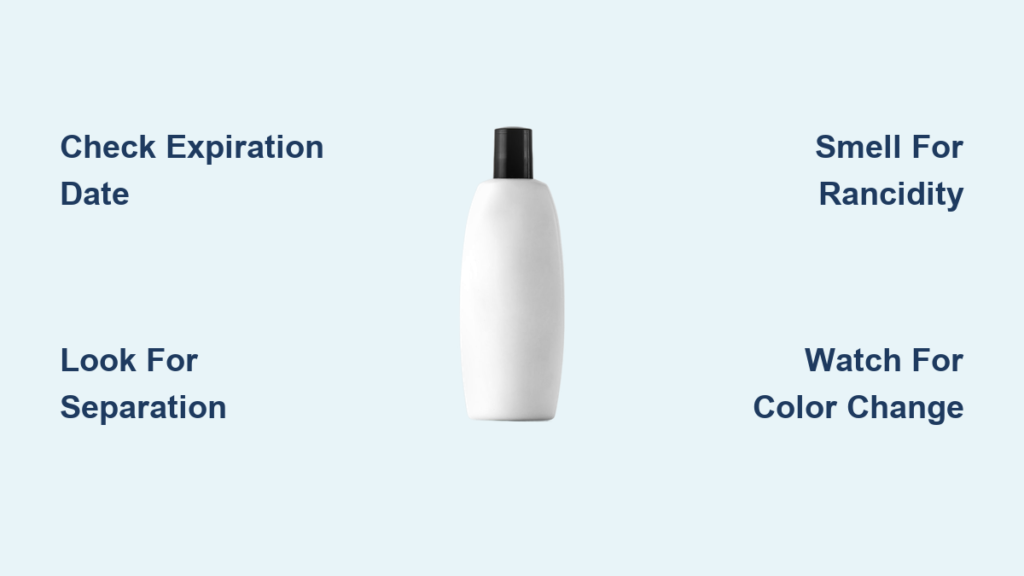
- Visual separation that won’t remix – Swirl the bottle vigorously. If oil pools persist or the liquid appears cloudy or lumpy, emulsifiers have failed. Do not use.
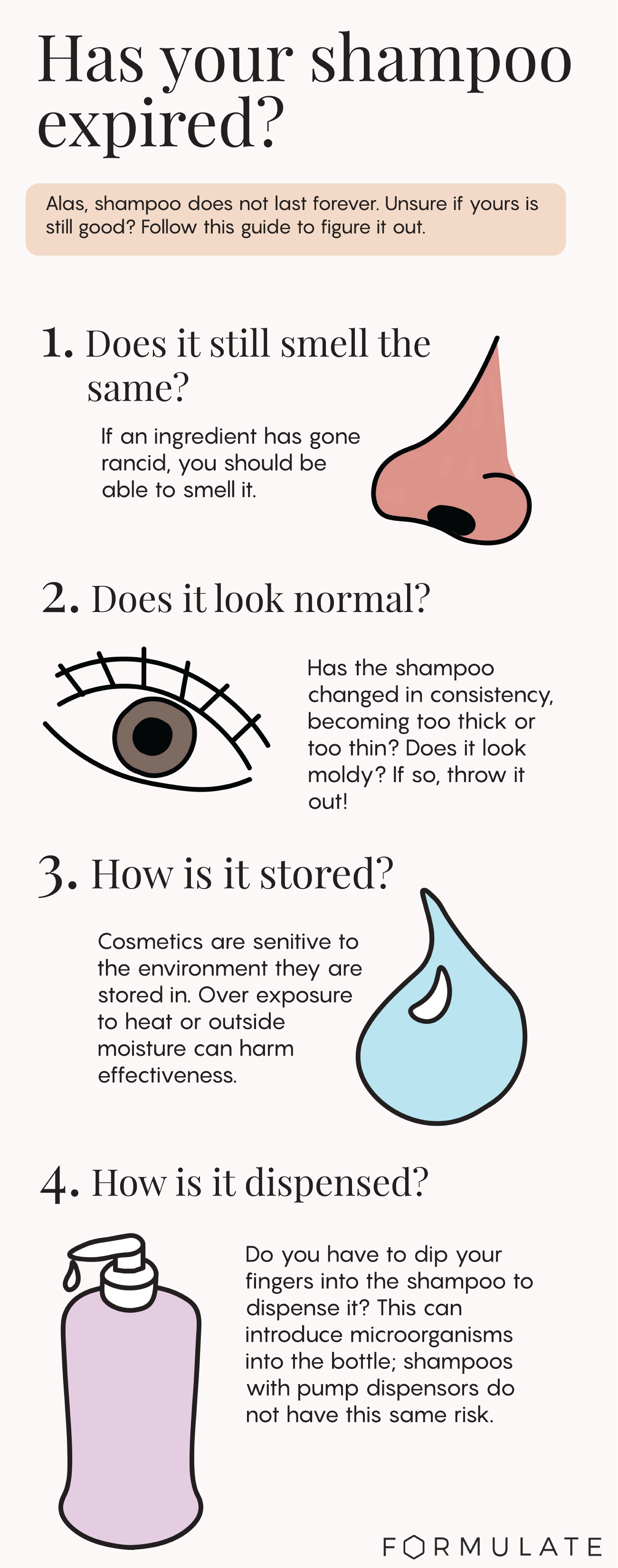
- Rancid or sour odor – Sniff through the cap seal. A metallic, crayon-like, or “off” smell means oils have oxidized. Natural shampoos often smell like stale nuts when expired.
- Color changes – Yellowing, darkening, or unexpected cloudiness indicates ingredient breakdown. Green tea or chamomile extracts often turn brown when degraded.
- Package distortion – A bloated bottle or swollen cap signals microbial fermentation producing gas inside the sealed container. Discard immediately—this is unsafe.
What Happens If You Use Expired Unopened Shampoo?
Using degraded shampoo risks more than poor performance. Separated surfactants can’t cleanse properly, leaving hair limp and greasy. Rancid oils transfer to your scalp, potentially causing folliculitis (inflamed hair follicles) or contact dermatitis. Worst case, depleted preservatives allow microbial growth—leading to infections like Malassezia overgrowth, which triggers dandruff and itching. While rare, one dermatologist reports cases of “shampoo folliculitis” from products stored over 4 years. Never use shampoo that shows any spoilage signs—your scalp’s health isn’t worth the risk.
How to Extend Unopened Shampoo’s Lifespan
Optimal Storage Techniques That Actually Work
- Store below 77°F (25°C) – Heat is the #1 enemy. Keep bottles in a dark closet or pantry, never in bathrooms with showers.
- Use opaque containers – Transfer natural shampoos to amber or cobalt glass bottles if storing long-term; clear plastic offers zero UV protection.
- Avoid humidity – Moisture seeps through plastic over years, accelerating hydrolysis. Include silica gel packs in storage boxes.
Smart Stockpiling Strategies
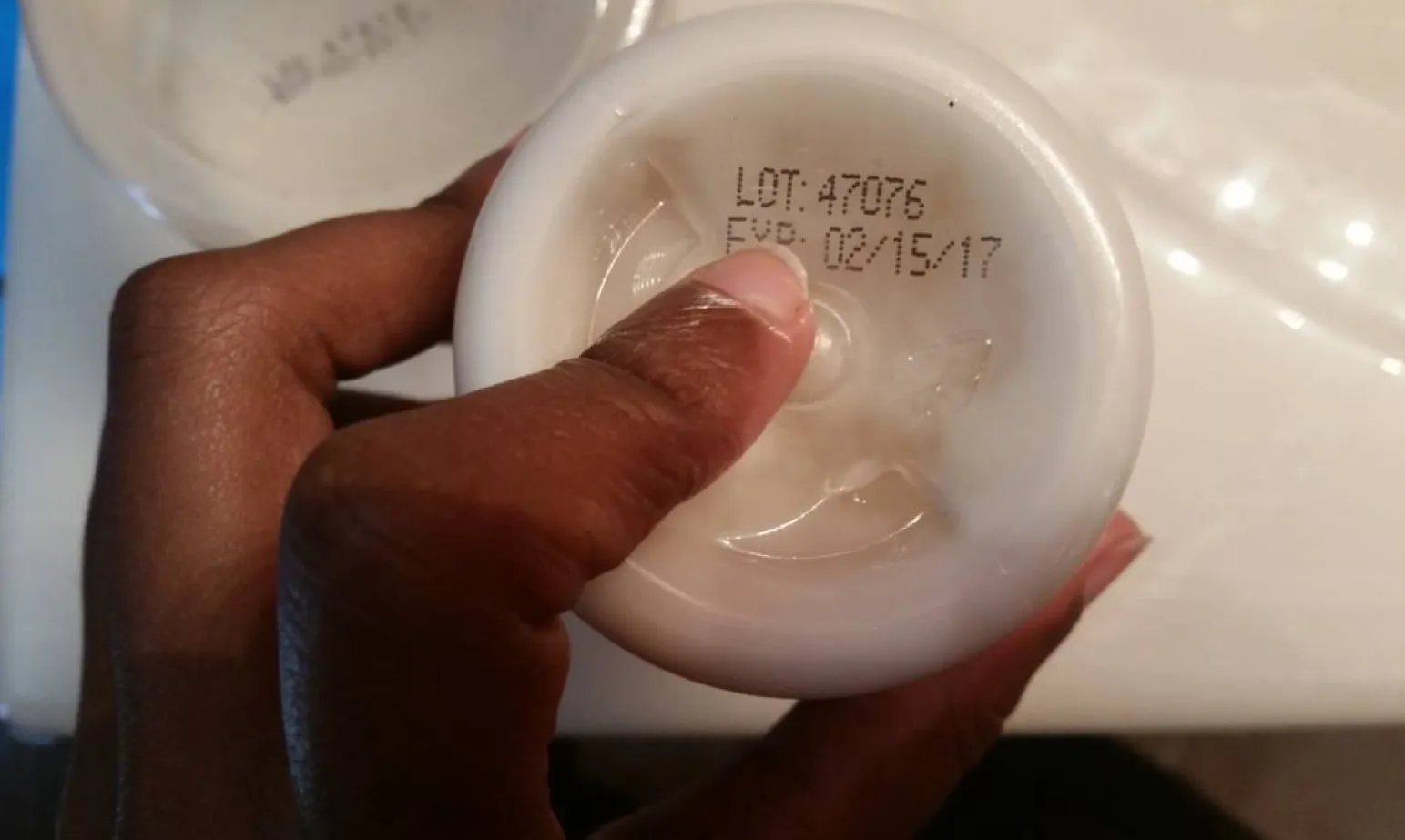
- Check batch codes before buying – Look for manufacturer dates (often hidden on bottle bottoms). Avoid products already 6+ months old.
- Follow FIFO (First In, First Out) – Rotate stock so oldest bottles get used first. Label stash dates with masking tape.
- Buy only what you’ll use in 18 months – Even “long-life” shampoos degrade noticeably after 2 years. Resist bulk deals on products you use infrequently.
The Final Verdict: When to Toss That Unopened Bottle
Does shampoo expire if not opened? Absolutely—and here’s your timeline:
– Under 2 years old (from manufacture): Safe and effective. Use with confidence.
– 2-3 years old: Perform rigorous smell/visual checks. Acceptable for body washing if degraded, but avoid scalp use if scent or texture seems “off.”
– Over 3 years: High risk of rancidity and preservative failure. Discard immediately unless stored in perfect cool/dark conditions and passes all spoilage tests.
Never gamble with scalp health. If your unopened shampoo shows any warning signs—or if you can’t verify its age—toss it. For peace of mind, write purchase dates on bottles with a permanent marker. Remember: that forgotten bottle from your college days isn’t a bargain; it’s a potential scalp irritant waiting to happen. Prioritize fresh products for optimal hair health—your follicles will thank you.