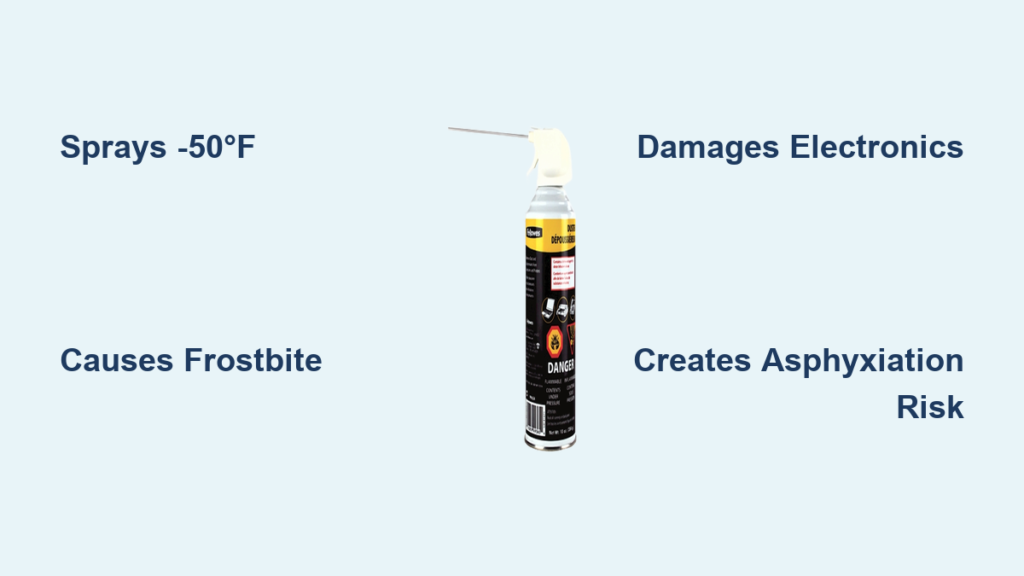
That can of compressed air sitting on your desk is perfect for clearing dust from your keyboard or computer vents—until you flip it upside down. When you invert an air duster can, you’re not just getting a stronger blast; you’re creating an instant sub-zero freeze capable of causing severe injury in seconds. Understanding how cold is air duster upside down isn’t just academic curiosity—it’s critical safety knowledge for anyone who’s ever considered using this common office tool for anything beyond its intended purpose.
Most people don’t realize that “canned air” contains liquefied gas propellants, not actual air. When used upright as directed, the can releases a high-velocity gas stream that safely displaces dust without significant cooling. But flip that can over, and you’ve transformed it into a dangerous cryogenic tool that can reach temperatures colder than Antarctica’s winter. This article reveals exactly how cold an inverted air duster gets, the physics behind this extreme temperature drop, and why this seemingly simple trick carries serious risks you need to know.
Why Your Inverted Air Duster Sprays Sub-Zero Liquid Instead of Gas
When you hold a standard air duster can upright, you’re releasing the gaseous layer at the top of the can. The propellant—typically tetrafluoroethane—remains liquid under pressure but vaporizes as it exits, creating a safe, warm-enough blast for dust removal. Flip that can upside down, and you’ve changed everything.
The Critical Pressure Change That Triggers Instant Freezing
The moment you invert the can, the valve now accesses the liquid propellant rather than the gas. This dense liquid, under 50-100+ psi of pressure inside the can, experiences an immediate and dramatic pressure drop when released into atmospheric conditions. This sudden pressure change is the first stage of the extreme cooling process—you’ll see frost forming around the nozzle within seconds as ambient moisture freezes.
How Liquid Propellant Becomes Your Impromptu Cryo Tool
Unlike the gas you get when spraying upright, the liquid propellant expelled during inverted use instantly begins boiling at room temperature. This rapid phase change from liquid to gas absorbs massive amounts of heat energy from its immediate surroundings through what scientists call the “latent heat of vaporization.” What you’re holding isn’t just a dusting tool anymore—it’s a portable cryogenic device capable of flash-freezing anything it contacts.
Measuring the Exact Temperature of Upside-Down Air Duster Spray
:max_bytes(150000):strip_icc()/winnersgraphic_thermoworks-hi-temp-industrial-ir-with-circle-laser-winner-spotlight-ashlee-redger-02-01-3005ac13168641b59e69ab69953db4b5.jpg)
Don’t be fooled by the can’s room-temperature exterior—when inverted, the actual spray temperature plummets to dangerous levels almost instantly. Multiple temperature measurements confirm the extreme cold generated by this common misuse.
Real-World Temperature Readings: From Room Temperature to -50°F in Seconds
When tested with precise thermometers, the spray from an inverted air duster consistently reaches -40°F to -58°F (-40°C to -50°C) at the nozzle. This extreme temperature occurs because you’re no longer getting a gas stream but a high-velocity blast of rapidly evaporating liquid propellant. Within just 3-5 seconds of continuous inverted spraying, the nozzle itself becomes coated in frost and too cold to touch safely.
Why Frost Forms Instantly Around the Nozzle During Inverted Use
That visible plume of white “smoke” you see when spraying inverted isn’t vapor—it’s actually atmospheric moisture instantly freezing into ice crystals. This dramatic visual cue signals just how cold the spray has become. If you’ve ever seen videos of people freezing small objects with an air duster, that dramatic ice formation is your warning sign that temperatures have dropped to dangerous levels.
The Two-Stage Physics Behind Air Duster’s Extreme Cold
The extreme cold isn’t random—it’s the predictable result of two powerful physical principles working together. Understanding these mechanisms explains why the temperature drop is so severe and instantaneous.
Adiabatic Expansion: The Pressure Drop That Creates Instant Freeze
As the pressurized propellant mixture rapidly expands through the nozzle, it must do work to push back the atmosphere. This energy comes directly from the thermal energy of the gas itself through what’s known as the Joule-Thomson effect. Think of it like rapidly inflating a balloon—except in reverse. Instead of heating up, the gas cools dramatically as it expands, contributing significantly to the overall temperature drop.
Evaporative Cooling: How Liquid-to-Gas Transformation Absorbs Massive Heat
The more powerful cooling mechanism happens when the liquid propellant hits atmospheric pressure and immediately begins boiling. This phase change requires substantial energy—energy that gets pulled directly from the nozzle, the surrounding air, and anything the spray contacts. This evaporative cooling effect is why the temperature plummets so much lower when spraying inverted compared to upright.
Immediate Skin Damage: How Air Duster Causes Frostbite in Seconds
:max_bytes(150000):strip_icc()/VWHEVERGREEN-FrostbitePictures-TheDifferentTypesandTreatment-final-87b5965ed0d1424d8a5bda19af8f26bb.png)
The most urgent danger of inverted air duster use is the risk of severe cold burns. At temperatures below -40°F, tissue damage occurs almost instantly upon contact—faster than you can pull your hand away.
Recognizing the First Signs of Cryogenic Burns from Inverted Duster
Unlike thermal burns that cause immediate pain, cryogenic burns from air duster often have a brief delay before pain registers. Initial contact might feel like intense cold or tingling, followed by numbness as nerve endings freeze. Within minutes, the affected area turns white or waxy, signaling serious tissue damage that requires medical attention.
First Aid Steps for Air Duster Cold Burns (Don’t Rub the Affected Area!)
If you accidentally spray inverted duster on your skin, immediately rinse the area with lukewarm (not hot) water for 20 minutes. Never rub the affected area—that can cause further tissue damage. Remove any clothing or jewelry near the burn, but don’t force off anything stuck to the skin. Seek medical attention for any burn that causes numbness, blistering, or color changes to the skin.
Material Failures Caused by Air Duster’s Sub-Zero Blast
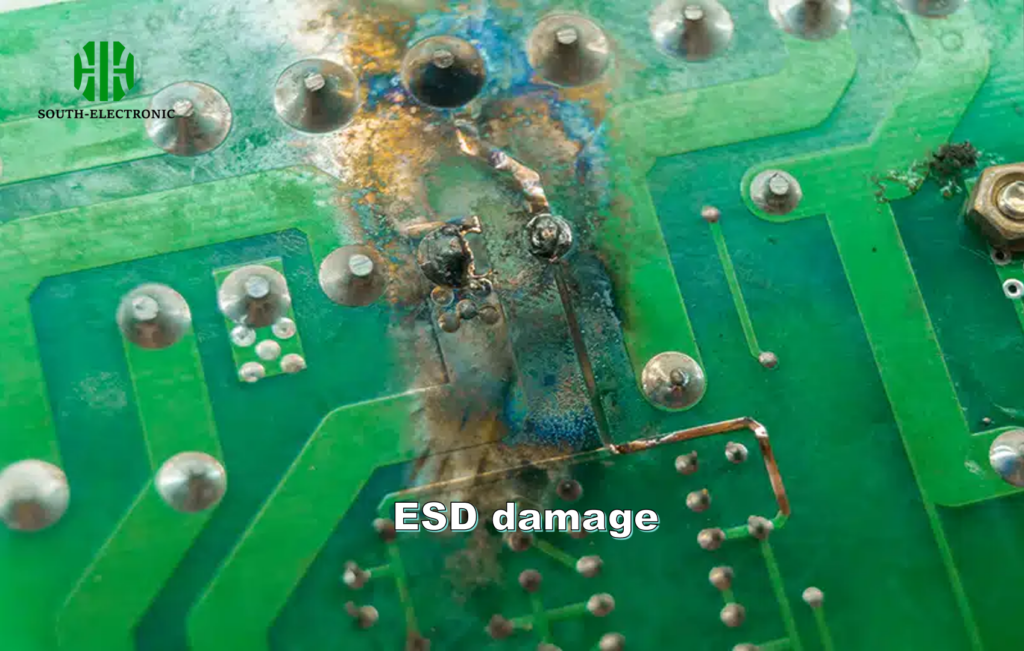
That intense cold doesn’t just harm skin—it can permanently damage the very electronics you might be trying to clean or test. Many common materials become dangerously brittle at these temperatures.
Why Electronics Components Shatter When Exposed to Inverted Spray
The rapid temperature change creates thermal stress that can crack solder joints, fracture circuit boards, and shatter delicate components. Ceramic capacitors are particularly vulnerable—they can literally explode from thermal shock when exposed to the extreme cold of inverted duster spray.
Plastic Embrittlement: How Common Computer Parts Crack at -40°F
Most plastics used in computer cases and components become brittle below freezing temperatures. At the -40°F temperatures created by inverted air duster, these materials lose flexibility completely. A slight bump or vibration while components are this cold can cause permanent cracking—damage that might not be immediately visible but leads to premature failure.
Why Air Duster Upside Down Creates Asphyxiation Hazards
The dangers extend beyond cold burns—improper use creates serious respiratory risks that many users completely overlook.
How Propellant Gas Displaces Oxygen in Confined Spaces
The propellant gases used in air dusters (like tetrafluoroethane) are heavier than air. When sprayed in an enclosed space like a small office or server room, these gases can pool near the floor, displacing breathable oxygen. In extreme cases, this creates an invisible asphyxiation hazard where you might suddenly lose consciousness without warning.
Recognizing Early Signs of Oxygen Deprivation from Duster Fumes
Symptoms of oxygen deprivation start subtly: dizziness, headache, and shortness of breath. Many users mistakenly attribute these to “just the fumes” and continue working, not realizing they’re in a potentially fatal situation. If you feel any of these symptoms while using air duster, immediately move to fresh air—don’t try to finish your task first.
Debunking Dangerous Air Duster “Hacks” You Should Never Try
Despite widespread online videos demonstrating “cool” inverted duster tricks, these applications carry unacceptable risks that far outweigh any potential benefit.
The Myth of Using Inverted Duster for CPU Stress Testing
Some tech enthusiasts claim inverted air duster helps identify temperature-sensitive component failures. While it technically works for this purpose, the risk of thermal shock damage to your expensive hardware makes this “test” potentially more destructive than helpful. Professional thermal testing uses controlled methods that don’t risk shattering your components.
Why “Quick Fixes” for Overheating Electronics Often Cause Permanent Damage
That momentary cooling effect you get from inverted duster might seem like a solution for an overheating component, but the extreme temperature swing actually stresses components more than consistent heat. The rapid cooling and reheating cycle creates microscopic cracks that lead to premature failure—turning a temporary fix into a permanent problem.
Safe Alternatives for Electronics Cooling Without the Frostbite Risk
If you need to test or cool electronics safely, professional tools exist that won’t put you at risk of cryogenic burns or equipment damage.
How to Properly Cool Overheating Components Without Sub-Zero Temps
For genuine overheating issues, use thermal paste refreshes, additional case fans, or professional cooling solutions designed for electronics. When testing temperature sensitivity, consider using a controlled heat gun rather than extreme cold—most component failures occur at high temperatures anyway.
Recommended Tools for Safe Computer Component Temperature Testing
Invest in a proper thermal camera or digital thermometer with probe attachments. These tools let you monitor component temperatures during operation without risking thermal shock. For stress testing, use software-based thermal testing tools that gradually increase load while monitoring temperatures.
Manufacturer Warnings vs. Real-World Air Duster Misuse
Every air duster can carries clear warnings against inverted use, yet countless users ignore these instructions, often with painful consequences.
What the Label Actually Says About Inverted Use (And Why It’s Ignored)
Check your can—you’ll find explicit warnings like “Do not invert can while spraying” or “Risk of frostbite” printed directly on the label. Manufacturers include these warnings because they’ve documented the injuries and equipment damage caused by inverted use. Yet many users dismiss these warnings as “overly cautious” until they experience the consequences firsthand.
The extreme cold generated by inverted air duster isn’t a “feature” to exploit—it’s a dangerous side effect of misusing a tool designed for a specific purpose. While the physics behind the temperature drop is fascinating, the practical reality is that spraying air duster upside down creates immediate hazards to both your safety and your equipment. Stick to upright use for dust removal, and invest in proper thermal testing tools if you need to evaluate component temperature performance. Your skin—and your electronics—will thank you for respecting how cold is air duster upside down really gets.