You’ve been there: running late with greasy roots, you grab your dry shampoo only to end up with a chalky, ashy mess that makes your hair look worse than before. This common beauty blunder happens to 78% of users who don’t know the proper technique. Dry shampoo isn’t just a quick spray-and-go product—it’s a precision tool that requires specific application methods to absorb oil without leaving visible residue. When used correctly, it extends blowouts by 2-3 days, adds instant volume, and refreshes hair between washes. But skip one critical step, and you’ll battle white flakes all day. This guide reveals the exact professional techniques for flawless results on any hair color or texture, plus how to choose the right formula so you never waste another dollar on ineffective products.
The 5-Step Dry Shampoo Application Method That Actually Works
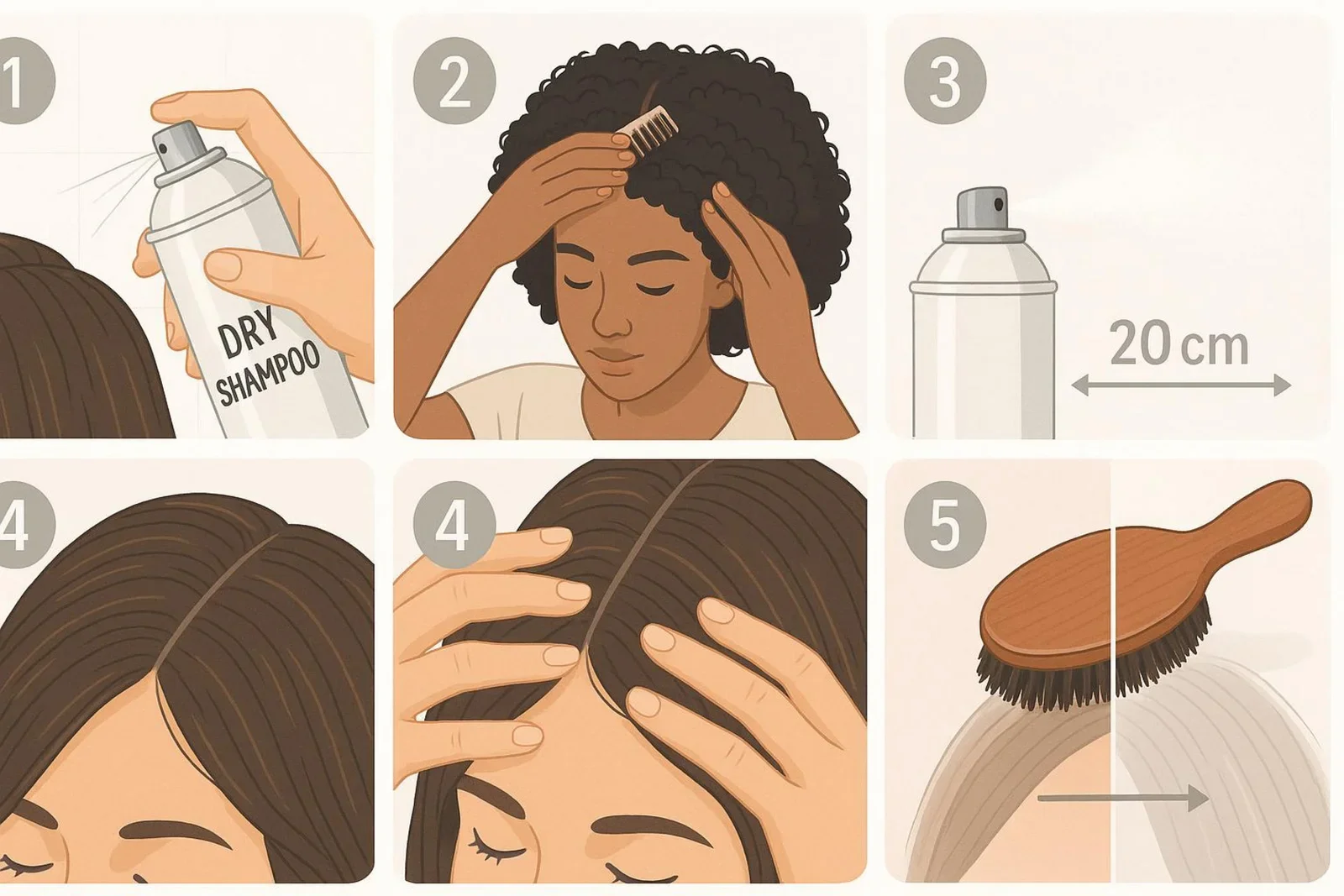
Most people make the same critical error: rushing the process. Proper dry shampoo application requires patience and precision to let the starches absorb oil rather than just sitting on your hair. Follow this professional protocol for residue-free results every time.
Section Hair to Target Oil-Prone Areas First
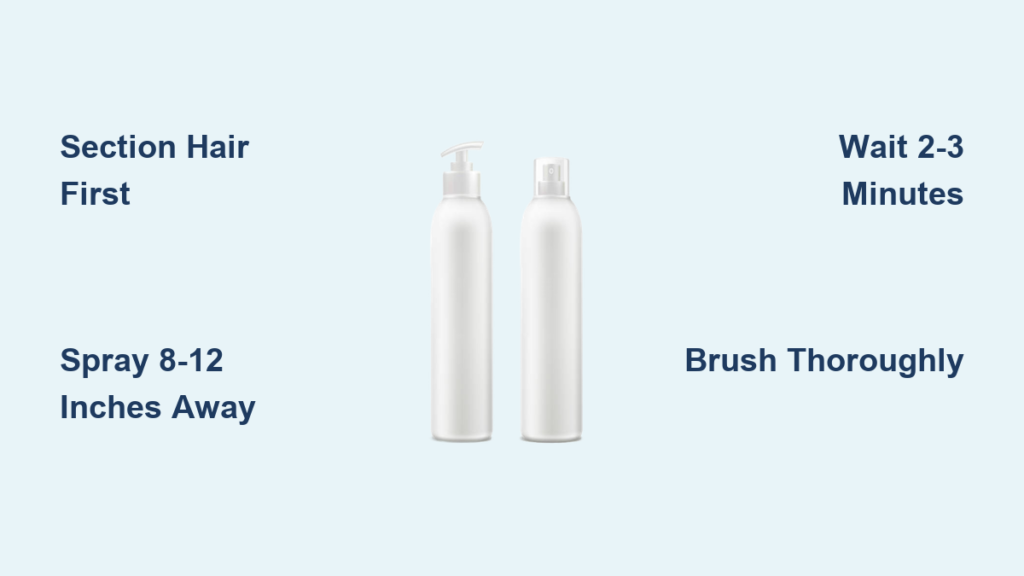
Start with completely dry hair—never apply to damp strands as it creates paste-like buildup. Use a rattail comb to create a clean part at the crown, then lift 2-inch sections and clip top layers away. Focus exclusively on the roots where oil accumulates fastest: the crown, hairline, and part line. Avoid spraying ends, which causes dryness and breakage. For fine hair, concentrate on the top third of your head; for thick hair, work in 4-6 sections to ensure full coverage.
Spray from 8-12 Inches Away in Short Bursts
Hold the can upright and shake vigorously for 30 seconds. Position the nozzle 8-12 inches from your scalp—not closer—and apply in 2-3 second bursts per section. Never spray continuously or directly onto skin. For powder formulas, use the included puff or a dense makeup brush to tap small amounts onto roots. This distance ensures an even mist that lands as fine particles rather than wet droplets, preventing clumping and white residue.
Wait Exactly 2-3 Minutes Before Touching
This is the non-negotiable step 90% of users skip. Let the product sit undisturbed for the full 2-3 minutes to allow rice or oat starches to absorb oil at the scalp level. Rushing this step traps oil instead of absorbing it, causing greasy roots and chalky buildup. Set a timer if needed—this waiting period transforms dry shampoo from a cosmetic cover-up to a functional oil absorber.
Massage Product Down to Your Scalp
After waiting, use fingertips (not nails) to vigorously massage the product into your roots for 30 seconds. This “agitation” step breaks up clumps and pushes powder through hair shafts to the scalp where oil lives. For dark hair, use circular motions to blend pigments; for fine hair, use light pressure to avoid flattening volume. Skipping this causes powder to sit on top of hair, creating visible flakes.
Brush Thoroughly From Roots to Ends
Finish by brushing with a boar bristle brush or wide-tooth comb, starting at roots and working toward ends. This distributes excess powder, eliminates white cast, and adds shine. For aerosol sprays, brush for 60+ seconds; for powders, use downward strokes to prevent flyaways. Proper brushing makes the difference between “I used dry shampoo” and “My hair looks freshly washed.”
How to Use Dry Shampoo Overnight for Zero Residue Results
Applying dry shampoo before bed is the secret weapon for flawless morning hair. This method leverages 6-8 hours of contact time for maximum oil absorption without visible traces.
The Nighttime Application Protocol
Part hair into sections and spray a light layer 10 inches from roots. Massage gently with fingertips—don’t brush yet. Sleep on a dark pillowcase to catch excess powder. By morning, oil is fully absorbed and any residue has settled. This technique works especially well for fine, light-colored hair prone to white cast. You’ll wake with voluminous, clean-looking hair that appears freshly washed.
Dry Shampoo Technique for Thick, Curly Hair Without Chalky Buildup
Coarse or textured hair requires specialized application to prevent powder accumulation in dense strands. Standard spraying leaves visible residue on dark curls.
Section and Target Roots Only
Part hair into 4-6 large sections using a rattail comb. Clip top layers and apply powder directly to the scalp with a brush—not aerosol spray. Focus on the root zone only; avoid mid-lengths where product causes dryness. For 4C hair, use a pick to gently separate strands at the scalp before applying. After 2 minutes, use praying hands to scrunch—not brush—to reactivate curl pattern while blending powder.
How to Refresh a Blowout with Dry Shampoo in Under 3 Minutes
Reviving professional styling requires precision to avoid flattening or damaging the set. Target only the oiliest zones without disturbing the overall structure.
The Blowout Rescue Method
Lift small sections along your part line and hairline. Spray 1-second bursts 12 inches from roots—never saturate. Wait 90 seconds, then use a round brush to gently massage product in. Finish with a cool blast from your blow-dryer at the roots to reset the style. This adds 24 hours to your blowout while maintaining smoothness. Never apply to ends, which causes frizz and breakage in styled hair.
Choosing the Right Dry Shampoo for Your Hair Color (Avoid Purple Tints!)

Using the wrong formula creates ashy or purple discoloration, especially on lightened hair. Your hair color dictates the ideal product type.
Invisible Formulas for Light Hair
Blondes, platinum, and gray hair need translucent formulas with optical diffusers. Look for “blonde-specific” or “invisible” labels containing rice starch instead of talc. Brands like Amika Perk Up or Living Proof Perfect Hair Day prevent grayish casts. Avoid dark-tinted options—they’ll stain pale strands purple.
Tinted Formulas for Dark Hair
Brunettes and black-haired users require brown or auburn pigments to neutralize white residue. Batiste Brunette and Klorane Brunette use cocoa or walnut extracts that blend seamlessly. Test on a hidden strand first—some formulas transfer to pillowcases. Never use untinted powders on dark hair; they create ghostly patches.
How to Use Dry Shampoo for Volume: The Root Flick Technique
This pro styling trick creates all-day lift by combining dry shampoo with strategic backcombing.
Creating Instant Root Volume
Flip hair forward and apply concentrated product at the crown. Let sit 2 minutes, then gently backcomb roots with a fine-tooth comb. The dry shampoo provides grip that holds the teased section without stiffness. Smooth the top layer over it and finish with hairspray. Works best with aerosol sprays like Oribe Dry Texturizing Spray for flexible hold.
Common Dry Shampoo Mistakes That Ruin Your Hair
Even quality products backfire when misapplied. These errors cause buildup, scalp issues, and ineffective results.
Spraying Too Close to Your Scalp
Holding the can under 6 inches causes oversaturation—the #1 cause of white flakes. Always maintain 8-12 inches of distance for a fine mist. If you see wet spots after spraying, you’re too close.
Using It on Day 1 Hair
Dry shampoo needs natural oils to absorb. Applying to freshly washed hair creates unnecessary buildup. Reserve it for day 2-3 when roots show oiliness.
Skipping Clarifying Shampoos
Going over 48 hours without washing causes product accumulation. Use a salicylic acid shampoo like Neutrogena Anti-Residue weekly to dissolve buildup. If you notice scalp itchiness or flaking, wash immediately—this signals clogged follicles.
When to Stop Using Dry Shampoo: Scalp Health Warning Signs
Overuse causes serious scalp issues that mimic dandruff. Recognize these red flags:
- Persistent itching or redness after 2 days of use indicates ingredient sensitivity
- Flaking that won’t brush out signals product buildup mixing with dead skin
- Increased hair fall when massaging roots suggests follicle clogging
Never use dry shampoo for more than 48 consecutive hours. Trichologists confirm extended use restricts scalp breathing and may contribute to thinning. If you experience these symptoms, switch to a clarifying wash cycle immediately.
Mastering dry shampoo transforms it from a last-resort rescue into your most valuable styling tool. The key lies in precise application—sectioning hair, maintaining proper distance, waiting patiently, and thorough brushing. Choose formulas matched to your hair color to avoid discoloration, and never exceed two consecutive days of use without a clarifying wash. For oily scalps, the overnight method delivers the cleanest results with zero residue. Remember: dry shampoo absorbs oil but doesn’t replace cleansing. When used correctly, it extends blowouts, adds volume, and keeps hair looking fresh between washes. Your next application should take just 3 minutes—but these techniques will save you hours of dealing with chalky hair. For best results, pair with a weekly scalp massage using a clarifying shampoo to maintain healthy follicles.