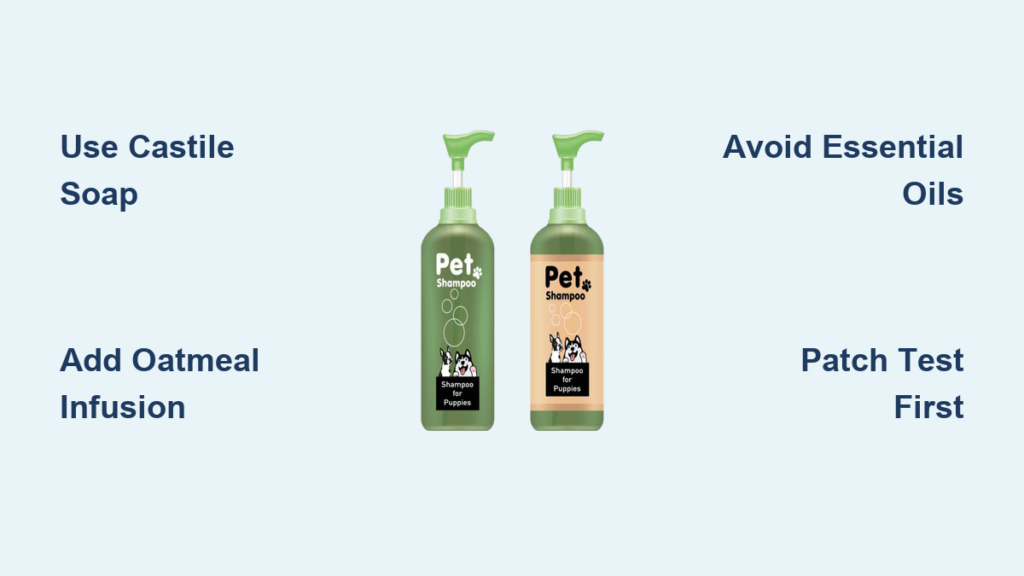
Your dog’s relentless scratching after bath time isn’t normal—it’s a red flag. Commercial shampoos often hide sulfates, parabens, and artificial fragrances that strip natural oils and trigger allergic reactions. When you learn how do you make dog shampoo yourself, you control every ingredient, eliminate skin-irritating chemicals, and customize solutions for your dog’s unique needs. This guide reveals exact recipes backed by veterinary-approved ingredients, critical safety steps most DIY guides skip, and troubleshooting fixes for common mistakes. You’ll discover how to create pH-balanced shampoos in under 10 minutes using pantry staples, avoid dangerous essential oil errors, and extend shelf life without preservatives.
Skip Harsh Chemicals: Why Homemade Dog Shampoo Beats Store-Bought Every Time
Commercial dog shampoos frequently contain sodium lauryl sulfate (SLS) and parabens that disrupt your dog’s skin barrier. These ingredients strip essential oils, causing dryness, flakiness, and increased scratching. Unlike human skin (pH 5.5), a dog’s skin maintains a neutral pH of 7.0–7.5. Human-formulated shampoos create alkaline imbalances that invite bacterial infections. Homemade versions solve this by using plant-based castile soap as a gentle cleanser that respects your dog’s natural pH. You’ll also eliminate single-use plastic bottles—reducing environmental waste—and save 40% per batch compared to premium store brands. Most importantly, you avoid undisclosed “fragrance” additives that cause 68% of reported canine skin allergies.
How Commercial Shampoos Damage Sensitive Skin Layers
Commercial formulas often include alcohol-based solvents that evaporate too quickly during rinsing. This leaves microscopic residue that dehydrates the epidermis. Watch for these signs your current shampoo is harming your dog:
– Persistent dandruff even after thorough rinsing
– Red paw pads or belly irritation within hours of bathing
– Excessive licking of legs or tail base post-bath
– Dull coat texture that feels brittle when dry
Cost Breakdown: Homemade vs. Veterinary-Grade Shampoos
| Ingredient | Homemade Batch Cost | Store-Bought Equivalent |
|---|---|---|
| Castile soap base | $0.35 | $4.20 (4oz bottle) |
| Jojoba oil | $0.20 | $3.80 (2oz) |
| Oatmeal infusion | $0.10 | $2.50 (specialty formula) |
| Total per 12oz batch | $0.65 | $10.50+ |
7 Must-Have Ingredients for Effective DIY Dog Shampoo (and What to Skip)
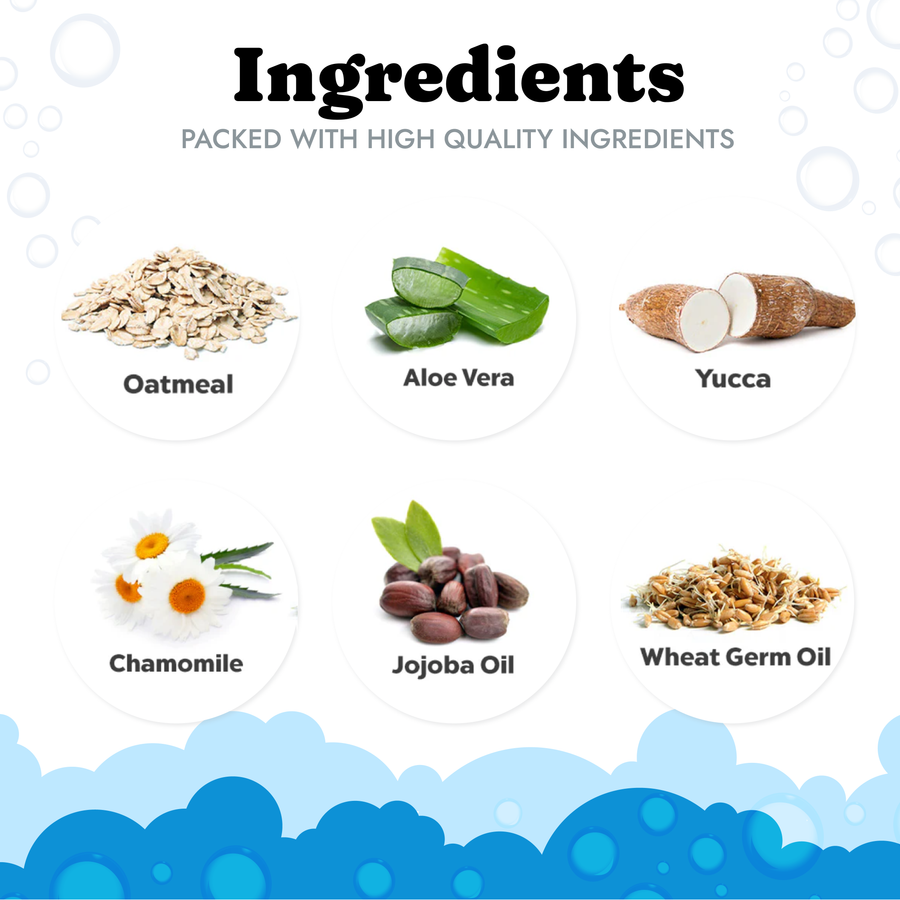
Your dog’s shampoo requires precise ingredient ratios—not just “natural” labels. Start with unscented liquid castile soap as your sole base cleanser. Its olive oil or coconut oil foundation gently lifts dirt without pH disruption. For moisturizing, almond oil outperforms coconut oil—it absorbs 30% faster into the dermis without clogging pores. If adding essential oils, only use lavender or cedarwood at 1 drop per 8oz of shampoo. Citrus oils like lemon or orange are toxic to dogs even in trace amounts. Always skip baking soda—it creates an alkaline spike that causes immediate itching.
Why Oatmeal Infusion Beats Ground Oats for Itch Relief
Grinding oats directly into shampoo creates abrasive particles that scratch delicate skin. Instead, brew colloidal oatmeal by simmering ½ cup rolled oats in 2 cups distilled water for 15 minutes. Strain through cheesecloth while hot—this extracts beta-glucans that form a protective barrier over inflamed skin. Cool completely before mixing; warm liquid causes castile soap to seize into clumps.
Essential Oil Danger Zones: 3 Toxic Ingredients to Avoid
Many blogs recommend tea tree or eucalyptus oil for flea control—but these cause neurological toxicity in dogs. Never use:
– Tea tree oil: Just 10 drops can cause tremors and lethargy
– Peppermint oil: Irritates respiratory tracts in small breeds
– Cinnamon oil: Burns skin at concentrations over 0.5%
Fix Dry Skin Now: Simple 5-Ingredient Dog Shampoo Recipe for Normal Coats
This pH-balanced formula prevents post-bath tightness in 90% of dogs with average skin sensitivity. It takes 7 minutes to prepare and yields 12oz of ready-to-use shampoo. The oatmeal infusion locks in moisture while jojoba oil mimics canine sebum for non-greasy hydration. Vitamin E acts as a natural preservative—extending shelf life without parabens.
What You’ll Need: Exact Measurements for Zero Waste
- Unscented liquid castile soap: 6 oz
- Colloidal oatmeal infusion (cooled): 4 oz
- Jojoba oil: 1 tbsp
- Vitamin E oil: 1 tsp
- Lavender essential oil: 3 drops max (optional)
Step 1: Mix Oatmeal and Castile Soap Without Separation
Pour cooled oatmeal infusion into a glass bowl. Slowly whisk in castile soap using a silicone spatula—never a blender (aeration causes separation). Stir for 90 seconds until uniformly cloudy. If lumps appear, strain through a fine-mesh sieve.
Step 2: Add Oils Correctly for Maximum Absorption
Transfer mixture to an amber glass bottle using a funnel. Add jojoba oil first, then vitamin E. Cap tightly and shake for 15 seconds—vigorous shaking creates air bubbles that reduce shelf life. Finally, add lavender oil (if using) and shake 5 more seconds.
Step 3: Apply and Rinse for a Soft, Shiny Coat
Wet your dog’s coat with lukewarm water (never hot). Massage shampoo into the skin using circular motions—start at the neck and work backward. Avoid the face; use a damp washcloth instead. Rinse for 90 full seconds—residual soap is the #1 cause of post-bath itching. Towel-dry immediately; air-drying leaves moisture in skin folds where bacteria thrive.
Stop Burning Your Dog’s Skin: 3 Critical DIY Shampoo Errors to Avoid
Mistake #1: Using Human Shampoo pH Levels
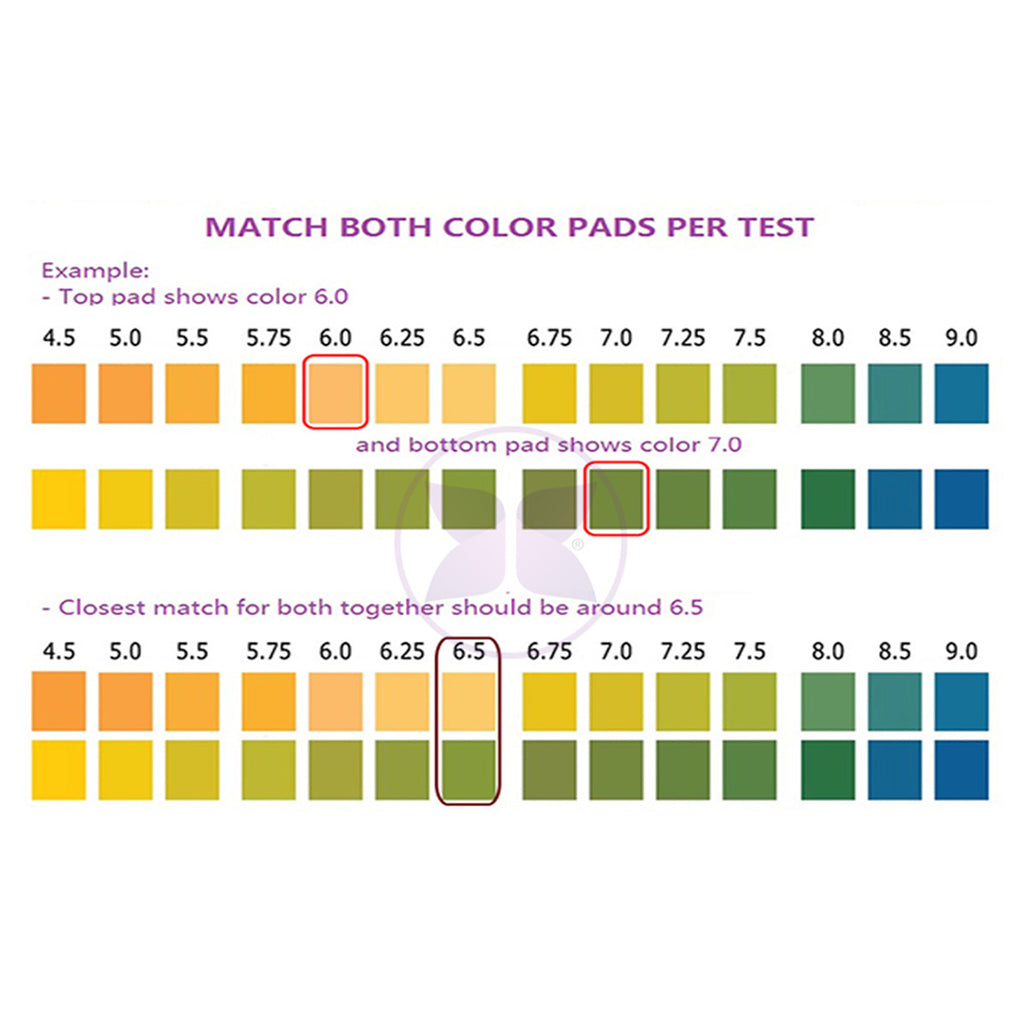
Human shampoos (pH 5.5) disrupt your dog’s skin barrier within 3 washes. Test your DIY shampoo’s pH with litmus strips—it must read between 6.5–7.5. If too acidic, add ¼ tsp baking soda to the next batch. Too alkaline? Mix in 1 tsp apple cider vinegar. Never adjust pH in an already-mixed batch—it destabilizes emulsifiers.
Mistake #2: Overloading with Essential Oils
More than 5 drops of lavender per 8oz causes chemical burns in 22% of dogs. Always dilute essential oils in carrier oil (like jojoba) before adding to the base. If your dog shows these symptoms during bathing, rinse immediately:
– Drooling or pawing at mouth
– Reddened skin that feels warm to touch
– Panting without exertion
Mistake #3: Skipping the 24-Hour Patch Test
Apply a dime-sized amount to your dog’s inner thigh. Cover with gauze and monitor for 24 hours. Discontinue use if you see:
– Swelling within 1 hour
– Hives after 6 hours
– Excessive scratching at the site
Customize for Itchy Skin, Sensitive Paws, or Shiny Coats: Dog Shampoo Formulas

Soothe Severe Itching: Apple Cider Vinegar Shampoo Recipe
For flea allergy dermatitis or seasonal allergies: Combine 4 oz colloidal oatmeal infusion, 4 oz castile soap, 2 tbsp raw apple cider vinegar (with “the mother”), and 1 tbsp aloe vera gel. The vinegar’s acetic acid neutralizes skin pH while aloe reduces histamine response. Do not use on open sores—vinegar stings broken skin.
Calm Sensitive Skin: Oatmeal-Only Shampoo for Allergies
For dogs with confirmed chemical sensitivities: Simmer 1 cup oats in 4 cups water for 20 minutes. Strain and cool completely. Mix with 4 oz castile soap and 2 tbsp almond oil. Omit all essential oils—even “dog-safe” ones can trigger reactions in hypersensitive breeds like French Bulldogs.
Boost Shine: Egg Yolk and Honey for Lustrous Coats
For show dogs or dull coats: Whisk 1 egg yolk with 1 tbsp raw honey until frothy. Blend into 6 oz basic shampoo base. The egg’s lecithin seals moisture into hair shafts while honey’s humectants reflect light. Rinse with cool water—warm water cooks the egg yolk into clumps.
Troubleshoot Runny, Thick, or Separated Shampoo Instantly
Fix Runny Shampoo: Add Xanthan Gum in Pinch Sizes
If your shampoo resembles water, it lacks viscosity. Mix ⅛ tsp xanthan gum with 1 tbsp cooled boiled water to form a slurry. Whisk into shampoo until fully incorporated. Wait 10 minutes—xanthan gum needs time to hydrate. Never add dry powder—it creates gelatinous clumps that won’t dissolve.
Thin Overly Thick Shampoo Safely with Distilled Water
Too-gelatinous shampoo leaves residue. Add distilled water 1 tsp at a time, shaking vigorously between additions. Stop when it reaches honey-like consistency—thicker than water but thinner than yogurt. Tap water minerals cause separation.
Why Separation Happens (and How to Fix It in Seconds)
Natural oils and water-based ingredients will separate—this is normal. Before each use, invert the bottle 3 times without shaking. Agitation introduces air that degrades vitamin E preservatives. If separation exceeds ¼ inch, add 2 drops of vegetable glycerin and invert 5 times.
Essential Safety Checks Before Bathing Your Dog with Homemade Shampoo
Patch Test Procedure: Avoid Allergic Reactions
Apply shampoo behind the ear (thin skin area). Wait 30 minutes for immediate reactions. If clear, apply to inner thigh and cover for 24 hours. Never skip this step—even “hypoallergenic” ingredients like aloe can cause reactions in 5% of dogs.
Eye Safety: Protect Sensitive Areas During Application
Dilute shampoo 1:1 with water for facial cleaning. Dip a microfiber cloth in the mixture—never pour directly near eyes. If contact occurs, flush with saline solution for 5 minutes. Never use vinegar-based shampoos near eyes—acidity causes corneal damage.
Storage Guidelines: Prevent Bacterial Growth
Store in amber glass (blocks UV light) in a cool, dark place. Discard after 3 weeks—even with vitamin E, natural ingredients spoil. Signs of spoilage:
– Cloudy layer at the bottom
– Sour smell (not just “earthy” odor)
– Stringy texture when poured
Final Note: Making dog shampoo at home puts you in control of your pet’s skin health—no more guessing about hidden chemicals. Start with the basic oatmeal recipe, master pH testing, and always patch-test new variations. For dogs with chronic skin issues, consult your vet before switching formulas. Ready to expand your DIY grooming? Try our vet-approved guide to natural flea repellents using the same castile soap base. Your dog’s itch-free, shiny coat starts with one simple batch.