You step out of the shower, towel drying your hair, and notice more strands clinging to the drain than usual. That familiar pang of worry hits—could this be the start of thinning? If you’re searching for non-invasive solutions, you’ve likely encountered caffeine shampoos promising to fight hair loss. But how does caffeine shampoo work when most of us associate caffeine with keeping us awake, not keeping hair on our heads? Unlike prescription treatments requiring daily commitment, these topical solutions offer a simple swap in your shower routine. This guide cuts through the marketing claims to reveal exactly how caffeine penetrates your scalp, disrupts the hair loss process at a cellular level, and why proper application makes all the difference. You’ll learn whether this approach could genuinely support your hair health or if it’s just another beauty gimmick.
How Caffeine Shampoo Targets Hair Follicles at the Root Level

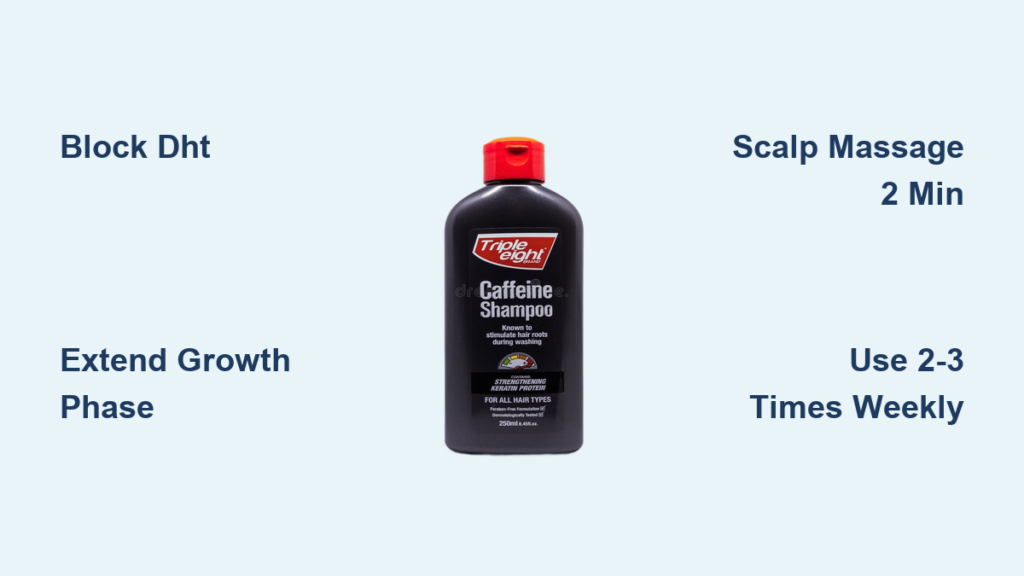
Caffeine shampoo isn’t just regular shampoo with an added buzz—it’s engineered to deliver caffeine directly to your hair follicles, the living engines of hair growth. When you lather it onto your scalp, the caffeine molecules begin a critical journey. Research indicates these molecules are small enough to penetrate the skin barrier within minutes, reaching the dermal papilla—the nutrient-rich base of each follicle. This is where the real magic happens. Once absorbed, caffeine acts as a cellular stimulant, specifically targeting the mechanisms that cause follicles to shrink and hair to thin. Unlike oral caffeine that affects your whole system, topical application ensures the compound works locally where it’s needed most, without jitters or sleeplessness. You’re essentially giving your follicles a targeted energy boost right where growth begins.
Why Caffeine Penetrates Hair Follicles to Block DHT
The primary villain in most hair loss is dihydrotestosterone (DHT), a hormone that shrinks follicles over time. Here’s where caffeine’s unique action comes in: lab studies show it actively interferes with DHT’s binding process. Think of DHT as a key trying to lock into follicle receptors—caffeine acts like gum in the lock, preventing DHT from attaching and triggering miniaturization. This blockade is crucial because it stops the signal telling your follicles to shorten their growth cycle. Without caffeine’s intervention, DHT would gradually choke off nutrients and oxygen to the follicle, leading to finer, shorter hairs with each growth cycle. By disrupting this process, caffeine gives your follicles a fighting chance to maintain normal function. Pro Tip: For maximum DHT blocking, ensure the shampoo contacts your scalp for at least 2 minutes—this isn’t a quick rinse-and-go product.
How Caffeine Extends Your Hair’s Active Growth Phase
Hair grows in distinct phases: active growth (anagen), transition (catagen), and rest (telogen). In pattern baldness, the anagen phase shortens dramatically—sometimes from years to mere months. Caffeine directly combats this by signaling follicles to stay in growth mode longer. Imagine your hair’s growth cycle as a seasonal calendar: DHT forces an early “winter” where growth stops. Caffeine essentially extends the “spring” season, allowing strands to thicken and lengthen before resting. Laboratory evidence confirms caffeine-treated follicles show prolonged anagen duration, translating to denser, more resilient hair over time. This isn’t about creating new follicles—it’s about optimizing the ones you still have. Critical Insight: Results require patience; you won’t see thicker hair overnight because caffeine works with your hair’s natural cycle, which takes months to complete.
Applying Caffeine Shampoo for Maximum Follicle Absorption
Using caffeine shampoo correctly separates noticeable results from wasted effort. Most people make the critical mistake of applying it like regular shampoo—lathering the lengths of hair rather than focusing on the scalp. Since caffeine must reach follicles through the skin, your application technique directly determines effectiveness. This isn’t a product you can rush; proper use takes just 90 seconds longer than your usual routine but makes all the difference.
Step-by-Step Scalp Saturation Technique
Follow this exact protocol to ensure caffeine penetrates deeply:
- Pre-wet thoroughly: Rinse your scalp with warm water for 30 seconds to open pores and remove surface oil that could block absorption.
- Apply directly to scalp: Squeeze shampoo onto fingertips—not hair—and part your hair in multiple sections to reach bare skin. Target thinning zones first (crown, temples).
- Massage with knuckle pressure: Use firm, circular motions with your knuckles (not nails) for full 2 minutes. This does double duty: it drives caffeine deeper while boosting blood flow to deliver oxygen to follicles.
- Wait before rinsing: Leave the lather on for 1-2 minutes—set a timer. This dwell time allows caffeine molecules to cross the skin barrier.
- Rinse with cool water: Ends the process by sealing follicles and boosting shine.
Avoid this critical error: Using too little product. You need enough to create a rich lather on the scalp, not just damp coverage. For medium-length hair, use a quarter-sized dollop per application zone.
Realistic Benefits and Limitations of Caffeine Hair Treatments
:max_bytes(150000):strip_icc()/briogeodestinedfordensitybeforeandafter-9c76ea14b44448dca813effb0894a0de.jpg)
While caffeine shampoo won’t regrow a full head of hair on a completely bald scalp, it delivers measurable advantages when used consistently. Understanding what it can—and cannot—do prevents disappointment and sets realistic expectations.
Noticeable Improvements You Can Expect
- Reduced shedding within 8 weeks: By stabilizing follicles in the growth phase, you’ll see fewer strands in your brush or shower drain. This is often the first visible sign it’s working.
- Improved hair density at the root: Caffeine’s stimulation encourages existing miniaturized hairs to regain thickness, making thinning areas appear fuller. You’ll notice this when hair is damp—strands stand straighter.
- Enhanced growth retention: Hair stays in the anagen phase longer, meaning strands reach their maximum potential length before shedding. Over 4-6 months, this builds cumulative density.
Key Limitations to Consider Before Starting
- Not a standalone solution for advanced loss: If you’ve lost significant coverage (Norwood scale 5+), caffeine shampoo alone won’t suffice. Pair it with FDA-approved treatments like minoxidil for meaningful regrowth.
- Temporary effects require consistency: Stop using it, and benefits reverse within 2-3 months as DHT resumes its effect. Think of it like exercise for your follicles—you must maintain the routine.
- Results vary by cause: Works best for androgenetic alopecia (hormonal thinning). If your hair loss stems from stress, nutrition, or autoimmune issues, caffeine may offer minimal benefit.
- 90-day minimum for visible change: Hair cycles move slowly. Don’t judge effectiveness before 3 months of twice-weekly use.
Optimizing Your Caffeine Shampoo Routine for Long-Term Results

Getting the most from caffeine shampoo requires strategic integration into your hair care ecosystem. It’s not just about the product itself—it’s how you layer it with complementary habits.
Timing and Frequency for Sustained Follicle Stimulation
Use caffeine shampoo 2-3 times weekly—more frequent use won’t accelerate results and may cause dryness. Alternate with a gentle, sulfate-free cleanser on other days to maintain scalp health. Pro Timing Hack: Apply it in the evening. While caffeine energizes follicles, nighttime use avoids potential scalp sensitivity to sun exposure. Never leave it on overnight—rinse thoroughly after the 2-minute dwell time to prevent irritation.
Critical Companion Treatments to Boost Effectiveness
Caffeine shampoo works best as part of a targeted regimen:
- Pair with minoxidil: Apply minoxidil after shampooing on dry scalp. Caffeine’s DHT-blocking enhances minoxidil’s growth stimulation—a powerful one-two punch.
- Add scalp exfoliation: Use a salicylic acid scrub once weekly before shampooing to remove dead skin and sebum that block caffeine absorption.
- Supplement strategically: Since hair needs protein and micronutrients, combine with biotin and zinc supplements—caffeine optimizes follicle function, but nutrients fuel actual growth.
Avoid these combo mistakes: Never mix caffeine shampoo with harsh clarifying shampoos on the same day—they strip protective barriers needed for absorption. Also skip heavy conditioners directly on the scalp; apply only from mid-lengths to ends.
When to Consult a Professional About Hair Loss
While caffeine shampoo helps early thinning, certain red flags demand expert evaluation. If you experience sudden shedding (more than 100 strands daily), patchy bald spots, or scalp inflammation like redness and itching, stop using topical treatments immediately. These symptoms often indicate underlying conditions like thyroid disorders, alopecia areata, or infections that caffeine won’t resolve—and could worsen with delayed care. See a dermatologist or trichologist for blood tests and scalp analysis. Urgent Note: If hair loss follows medication changes (like blood pressure drugs), consult your prescribing doctor before altering treatment. Professional guidance ensures you address the root cause, not just symptoms.
Caffeine shampoo works by delivering a precise dose of caffeine directly to hair follicles, where it blocks DHT’s follicle-shrinking effects and extends the active growth phase. This process requires consistent, correct application—massaging into the scalp for 2 minutes twice weekly—to allow deep penetration. While it won’t revive dead follicles, it effectively preserves existing hair in early thinning stages, reducing shedding and improving density over 3-6 months. For best results, integrate it into a holistic routine with minoxidil (if appropriate), scalp exfoliation, and nutritional support. Remember that hair health reflects overall wellness; pair this topical treatment with stress management and balanced nutrition. If you don’t see reduced shedding after 90 days of diligent use, consult a specialist to explore other solutions. The true power of caffeine shampoo lies not in instant miracles, but in its role as a sustainable, science-backed defense against progressive thinning.