If you’ve ever scrubbed your scalp raw trying to stop the relentless flaking and itching of psoriasis or severe dandruff, you’ve probably wondered: how does coal tar shampoo work when nothing else seems to help? This medicated solution has been quietly solving stubborn scalp problems for over a century, yet most users don’t understand why it works so well. The secret lies in coal tar’s unique ability to target the root causes of scalp conditions—not just masking symptoms but actually changing how your skin cells behave. When you leave this thick, dark shampoo on your scalp for the recommended 5-10 minutes, you’re allowing its active compounds to penetrate deep into problem areas where ordinary shampoos can’t reach. Let’s break down exactly what happens during those crucial minutes when coal tar transforms from a smelly nuisance to your scalp’s best friend.
Why Coal Tar Shampoo Stops Your Scalp Flaking Within Days
Coal tar shampoo doesn’t just cover up flakes—it attacks the fundamental problem causing them. Unlike regular anti-dandruff shampoos that mainly target yeast overgrowth, coal tar works at the cellular level to correct the abnormal skin cell production that leads to thick, stubborn scales.
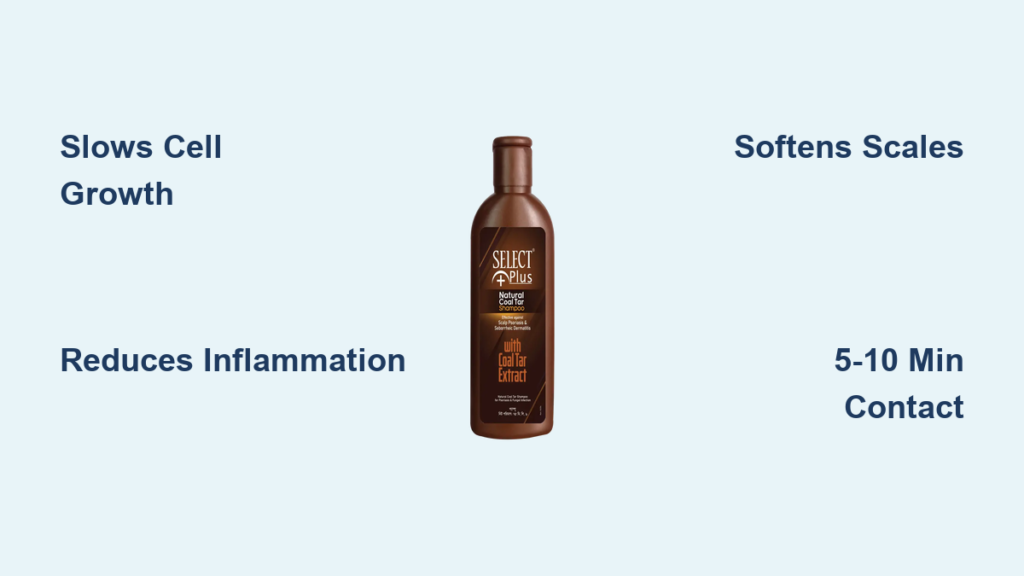
How Coal Tar Slows Down Runaway Skin Cell Growth
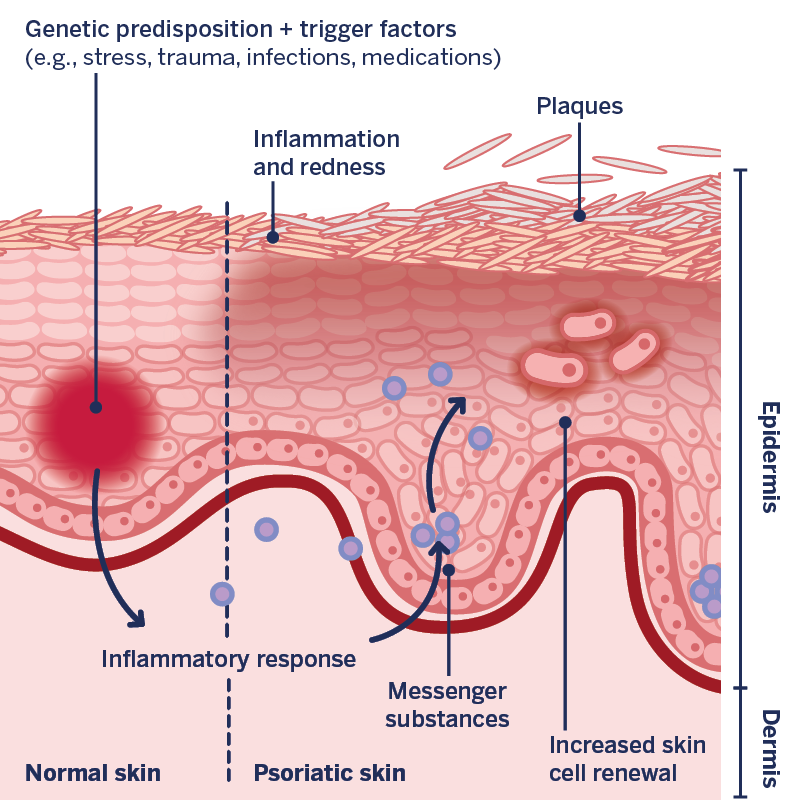
Your scalp produces new skin cells every 28 days under normal conditions. With psoriasis, this process speeds up to just 3-4 days, causing cells to pile up before they can shed properly. Coal tar contains polycyclic aromatic hydrocarbons that inhibit DNA synthesis in these rapidly dividing cells. Think of it as hitting the pause button on your scalp’s overactive production line. When you apply coal tar shampoo and leave it on for the full 5-10 minutes, these compounds penetrate your scalp and literally slow down the reproduction rate of skin cells. Within days of consistent use, you’ll notice fewer thick, silvery scales forming because your skin cells have time to mature and shed naturally.
The Anti-Inflammatory Effect That Stops Scalp Itching Immediately
That maddening urge to scratch your scalp comes from inflammation triggering nerve endings. Coal tar contains specific compounds that block inflammatory pathways responsible for redness, swelling, and itching. During your shampoo treatment, these anti-inflammatory agents work quickly—many users report noticeable relief within minutes of application. The shampoo creates a protective film that calms irritated nerve endings while simultaneously reducing the underlying inflammation. This dual action breaks the vicious itch-scratch cycle that makes scalp conditions so difficult to manage. For best results, don’t rinse too soon—those critical minutes allow the anti-inflammatory compounds to fully absorb into inflamed areas.
Why Coal Tar Shampoo Softens Thick Psoriasis Scales Better Than Other Treatments
Thick, stubborn psoriasis plaques resist regular shampoos because they’re held together by strong protein bonds between dead skin cells. Coal tar’s keratolytic action works differently—it gently breaks down the “glue” holding these scales together. When you massage coal tar shampoo into your scalp and leave it for the full recommended time, the active ingredients soften and loosen these bonds, making scales easier to remove during rinsing. This isn’t just surface-level cleaning; coal tar penetrates beneath the visible scales to reach the inflamed skin underneath. For particularly thick plaques, pairing coal tar shampoo with a gentle combing technique after application can dramatically improve scale removal without damaging your scalp.
How to Apply Coal Tar Shampoo for Maximum Effectiveness
Getting results from coal tar shampoo depends entirely on using it correctly. Most users make critical mistakes that prevent the product from working properly, wasting time and money on a treatment that could solve their scalp problems.
The Exact 7-Step Process That Delivers Visible Results

- Pre-wet thoroughly: Start with soaking wet hair and scalp—dry spots prevent even coverage
- Apply directly to scalp: Focus on problem areas first, not just the hair
- Massage for 60 seconds: Use fingertips (not nails) to work shampoo into skin
- Wait 5-10 minutes: Set a timer—this contact time is non-negotiable for effectiveness
- Reapply if needed: For thick plaques, add more shampoo after 5 minutes
- Rinse with warm water: Cool water won’t remove all residue
- Follow with conditioner: Apply only to hair ends, not the scalp
Skipping the waiting period is the most common mistake. Without those critical minutes of contact time, coal tar can’t penetrate deeply enough to affect cell growth. If you rinse too soon, you’re wasting its potential—think of it like taking antibiotics but stopping before the full course.
Why Your Hair Color Matters When Using Coal Tar Shampoo
Coal tar’s dark color can temporarily darken light blonde, gray, or bleached hair. To prevent unwanted discoloration:
– Use lower concentration formulas (0.5-2%)
– Reduce contact time to minimum 5 minutes
– Rinse extremely thoroughly with cool water
– Follow with a clarifying shampoo once weekly
– Avoid using on lightened hair more than twice weekly
The discoloration is temporary and washes out over time, but taking these precautions prevents frustration during treatment. If you have very light hair, consider applying a thin layer of petroleum jelly along your hairline to protect against staining.
When Coal Tar Shampoo Works Best (And When It Doesn’t)

Knowing exactly which scalp conditions respond to coal tar—and which require different treatments—saves you from wasting time on ineffective solutions.
The Three Scalp Conditions Coal Tar Shampoo Treats Most Effectively
Scalp psoriasis responds dramatically to coal tar because it directly addresses the accelerated cell growth causing thick, silvery scales. Unlike dandruff shampoos, coal tar targets the root cause of psoriasis plaques. For best results, use 2-5% concentration formulas and leave on for full 10 minutes.
Seborrheic dermatitis improves because coal tar regulates excess oil production while reducing the greasy, yellowish scales. The anti-inflammatory properties calm the redness and itching better than many medicated alternatives. Use daily until symptoms improve, then reduce to 2-3 times weekly for maintenance.
Severe dandruff that doesn’t respond to zinc pyrithione or selenium sulfide shampoos often clears with coal tar’s dual action on both flaking and inflammation. Start with lower concentrations (0.5-1%) and increase only if needed.
Critical Safety Steps Before Using Coal Tar Shampoo
Coal tar makes your scalp more sensitive to sunlight, increasing your risk of sunburn. Before your first application:
– Check for open sores or broken skin on your scalp
– Perform a patch test behind your ear for 48 hours
– Plan treatments for evening hours when sun exposure is minimal
– Stock up on scalp-safe sunscreen or UV-protective hats
– Avoid using before beach days or outdoor activities
Never apply coal tar shampoo to broken, oozing, or infected skin. If you have widespread inflammation or signs of infection (pus, extreme tenderness), see a dermatologist before trying any OTC treatment.
When to See a Dermatologist Despite Using Coal Tar Shampoo
Coal tar shampoo works wonders for many, but some cases need professional intervention. Stop self-treating and consult a specialist if:
Three Warning Signs Your Scalp Condition Needs Medical Attention
No improvement after 4 weeks of consistent, correct use means your condition may require prescription-strength treatments. Many users give up too soon—coal tar takes time—but if you’ve followed instructions precisely for a month without results, it’s time for professional help.
Increasing redness, pain, or pus indicates possible secondary infection. The constant scratching that accompanies severe scalp conditions can break the skin barrier, allowing bacteria to enter. Signs of infection require immediate medical attention.
Hair loss accompanying scaling suggests a more complex condition that needs diagnosis. While some temporary shedding occurs with severe inflammation, noticeable thinning requires professional evaluation to rule out alopecia or other serious conditions.
Final Note: Coal tar shampoo works by targeting the fundamental causes of scalp conditions—slowing abnormal cell growth, reducing inflammation, and softening stubborn scales. When you use it correctly with the required 5-10 minute contact time, you’re giving its active compounds time to penetrate deeply and create real change at the cellular level. For best results, combine coal tar shampoo with proper sun protection and consistent application, but don’t hesitate to seek professional help if your condition doesn’t improve within a month. While it may have a distinctive smell and require careful application, this century-old treatment remains one of the most effective solutions for stubborn scalp problems when used properly.