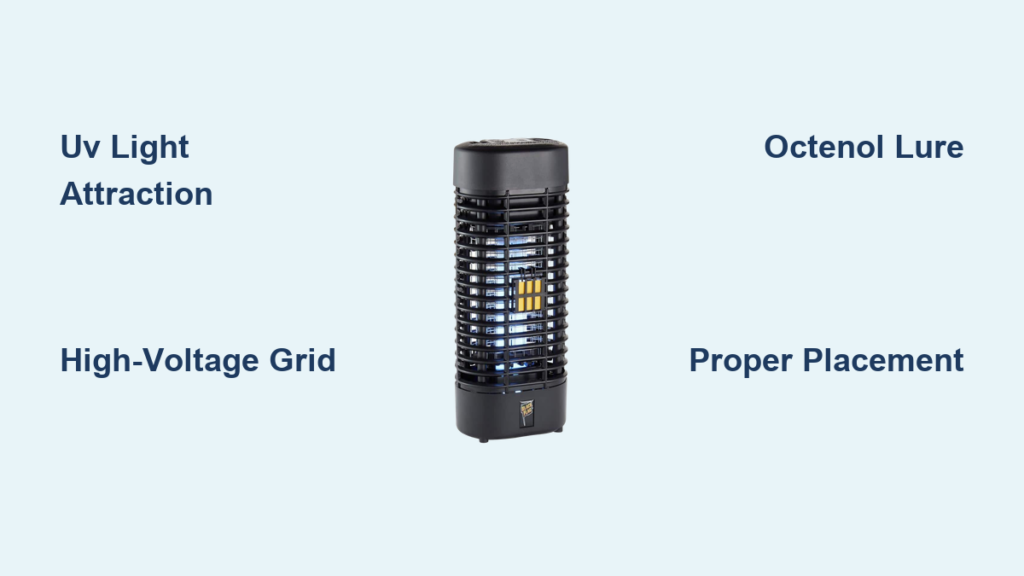
When mosquitoes swarm around your patio during summer evenings or flies invade your outdoor gatherings, finding an effective solution becomes essential. The Black Flag bug zapper stands among the most popular pest control options for homeowners seeking relief from flying insects. But how does the Black Flag bug zapper work to eliminate these pests, and is it truly effective for your specific insect problems? Understanding the mechanics behind this common backyard device can help you make informed decisions about protecting your outdoor spaces from annoying and potentially dangerous insects. Unlike chemical sprays that require frequent reapplication, these electronic devices offer a continuous solution that targets insects through scientifically proven attraction methods.
The Black Flag bug zapper operates on a principle that combines insect behavior science with electrical engineering. By leveraging what we know about how insects navigate and respond to light, these devices create an irresistible lure that draws pests toward their demise. Whether you’re dealing with mosquitoes carrying West Nile virus, annoying house flies, or other flying invaders, knowing exactly how does the Black Flag bug zapper work will help you maximize its effectiveness while avoiding common placement mistakes that render it less useful. This comprehensive guide explains not just the basic operation but also reveals why certain models outperform others and how to position your zapper for optimal pest control results.
Why Black Light Effectively Attracts Flying Insects
The secret behind how does the Black Flag bug zapper work begins with its ultraviolet light source. Unlike standard incandescent bulbs that emit primarily visible light, bug zappers use special UV-A bulbs that produce light in the 365-395 nanometer wavelength range—precisely the spectrum that most flying insects detect and are drawn to. This attraction isn’t random; it’s rooted in insect biology. Many flying pests, including mosquitoes, moths, and flies, have evolved photoreceptors specifically tuned to UV light, which helps them navigate using natural moonlight and starlight.
The Insect Vision Connection to UV Light
Insects see the world very differently than humans. Their compound eyes contain multiple photoreceptors that are particularly sensitive to ultraviolet wavelengths. When darkness falls, many insects use natural UV light sources for navigation—a phenomenon called transverse orientation. The artificial UV light from a Black Flag bug zapper appears thousands of times brighter to insects than natural sources, creating what scientists call an “optical black hole” that overwhelms their navigation systems. This explains why insects seem to relentlessly circle the device until they make contact with the electrified grid.
How Different Insects Respond to UV Light
Not all insects react the same way to UV light. Mosquitoes, for instance, are primarily attracted to CO2 and body heat but will investigate UV light sources as potential hosts. Flies and moths, however, show a much stronger attraction to UV light alone. Understanding these differences is crucial when evaluating how does the Black Flag bug zapper work for your specific pest problem. If mosquitoes are your primary concern, models incorporating octenol lures or CO2 generators will prove significantly more effective than basic UV-only models.
The Electrocution Process: From Attraction to Elimination

The moment an insect contacts the electrified grid marks the culmination of how does the Black Flag bug zapper work. This process happens in milliseconds but involves precise engineering to ensure effectiveness while maintaining safety.
The High-Voltage Grid Mechanism
Inside every Black Flag bug zapper lies a transformer that converts standard 120-volt household current into approximately 2,000 volts of electrical potential. This high voltage is maintained across two concentric grids spaced just 1/8 to 1/4 inch apart. The critical design element is that these grids never touch, creating an electrical field with no current flow—until an insect bridges the gap. When a bug flies between these grids, its body completes the circuit, allowing the stored electrical energy to discharge through the insect.
Why the Zap Is Instantly Lethal
The high-voltage discharge works through two lethal mechanisms: thermal damage and neurological disruption. The electrical arc generates temperatures exceeding 1,000 degrees Fahrenheit at the point of contact, literally vaporizing portions of the insect’s body. Simultaneously, the massive electrical surge disrupts the insect’s nervous system, causing immediate paralysis and death. This explains the distinctive “zap” sound and brief blue flash you observe—both are visible evidence of the electrical arc passing through the insect’s body.
Safety Features in Modern Bug Zappers
Despite operating at high voltages, Black Flag bug zappers incorporate multiple safety features. The outer protective cage maintains a minimum 1/2 inch gap between the electrified grid and any potential contact point, preventing accidental human or pet contact. The design ensures that even if you touch the outer cage while the unit is operating, the distance to the charged grid exceeds the arcing capability of the electrical system. Additionally, the current is kept extremely low (typically under 10 milliamps), well below dangerous levels for humans.
Enhancing Effectiveness with Supplemental Attractants
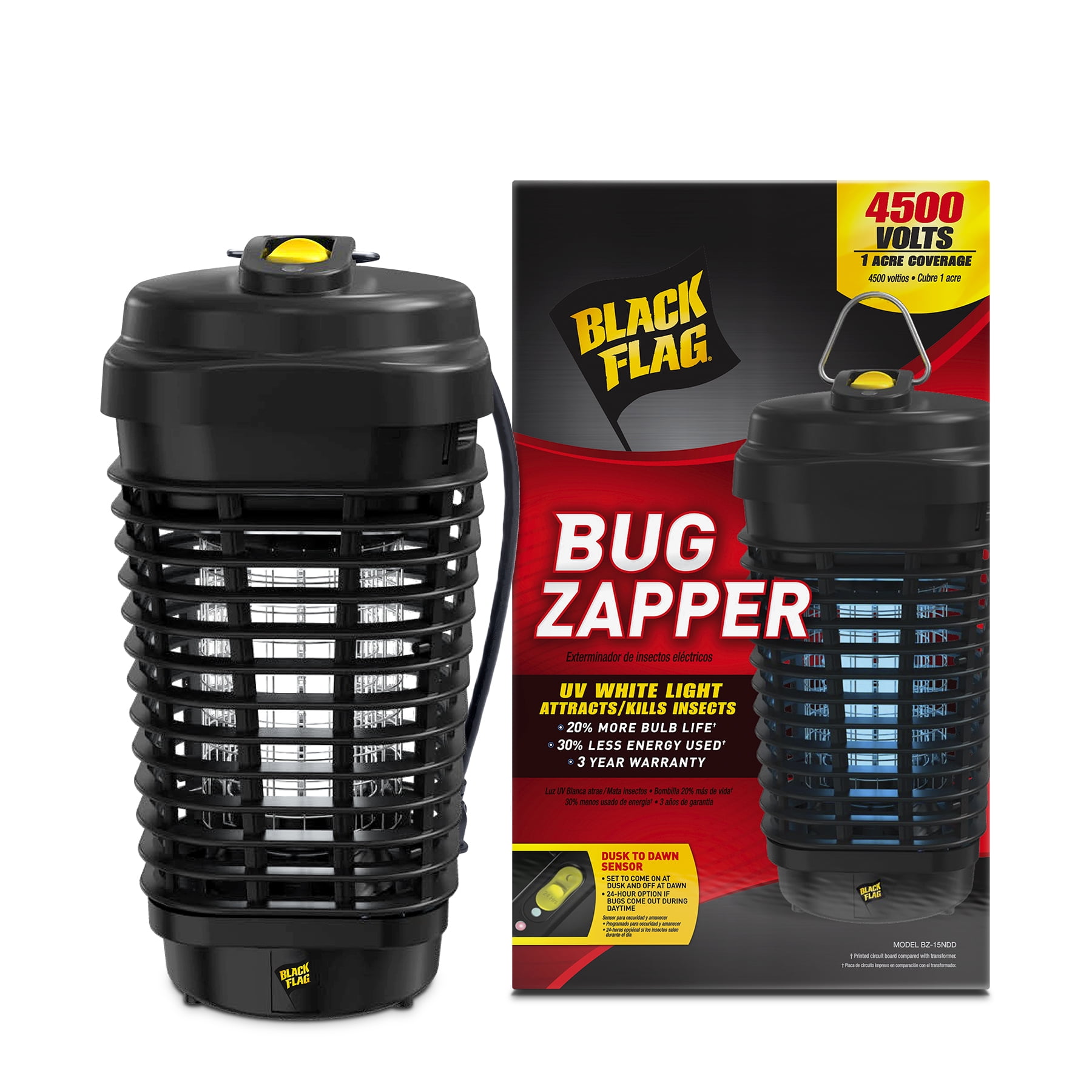
Understanding how does the Black Flag bug zapper work reveals that basic UV light alone has limitations, particularly for certain pests like mosquitoes. This is why many advanced models incorporate additional attractants to increase capture rates.
Octenol Lures: Mimicking Human Presence
Octenol (1-octen-3-ol) is a chemical compound naturally found in human breath and sweat. Black Flag models featuring octenol cartridges release this compound slowly into the air, creating a scent trail that mimics human presence. Mosquitoes, which locate hosts primarily through CO2 and body odors, detect octenol from up to 100 feet away. When combined with UV light, octenol lures can increase mosquito capture rates by 300-500% compared to UV light alone.
Strategic Placement for Maximum Impact
Knowing how does the Black Flag bug zapper work informs proper placement strategy. Place your unit at least 20-30 feet away from seating areas to draw insects away from people rather than toward them. Position it downwind of your gathering area so the attractants carry toward the insects rather than toward you. Avoid placing it near competing light sources like porch lights, which can reduce effectiveness by creating alternative visual targets for insects.
Debunking Common Bug Zapper Myths
Several misconceptions surround how does the Black Flag bug zapper work that affect user expectations and effectiveness.
Myth: Bug Zappers Spread Disease
Contrary to popular belief, modern bug zappers do not spread disease through insect fragments. The high-voltage discharge typically vaporizes insects rather than exploding them, and any remaining particles are too heavy to remain airborne for significant periods. The Centers for Disease Control and Prevention (CDC) confirms that properly designed bug zappers pose minimal disease transmission risk compared to the actual threat posed by living, disease-carrying insects.
Myth: All Insects Are Equally Attracted
Different species respond differently to UV light. While moths and flies show strong attraction, many biting insects like mosquitoes are more drawn to CO2 and body heat. This explains why basic UV-only zappers may appear less effective against mosquitoes. Understanding this distinction helps set realistic expectations about how does the Black Flag bug zapper work for various pest types.
Maintenance Tips for Optimal Performance
Proper maintenance ensures your Black Flag bug zapper continues working effectively throughout the season.
Regular Cleaning Schedule
Dead insects accumulating on the grid can reduce effectiveness by blocking the UV light and creating conductive paths that short-circuit the electrical system. Clean the grid weekly during peak insect season using the provided brush (never metal tools that could damage the grid). Always unplug the unit and allow it to cool for 15 minutes before cleaning.
Bulb Replacement Guidelines
UV bulbs lose intensity over time, typically requiring replacement after 3,000-5,000 hours of use (about one season of regular operation). A fading bulb may still produce visible light but emits significantly less UV radiation, dramatically reducing attraction power. Check your bulb monthly for darkening at the ends—a sign it’s nearing the end of its effective life.
When to Consider Alternatives to Bug Zappers

While understanding how does the Black Flag bug zapper work reveals its strengths, certain situations call for alternative solutions.
For Mosquito-Dominated Areas
If mosquitoes are your primary concern, consider supplementing your bug zapper with CO2 traps or targeted insecticide treatments. Bug zappers alone may not sufficiently reduce mosquito populations, as these insects rely more on scent than light for host location.
For Indoor Use
Bug zappers create visible sparks and can scatter insect debris, making them less suitable for indoor spaces. For indoor flying insect control, consider ultraviolet light traps with sticky collection plates that contain the dead insects without creating airborne particles.
Final Considerations for Effective Bug Zapper Use
The Black Flag bug zapper works through a scientifically sound combination of UV light attraction and high-voltage electrocution that effectively controls many flying insect populations. By understanding how does the Black Flag bug zapper work—including its limitations with certain pests—you can strategically deploy it as part of a comprehensive pest management approach. For best results, choose models with supplemental attractants for specific pests, position units strategically away from gathering areas, and maintain them regularly throughout the season. Remember that no single solution eliminates all flying insects, but when used correctly, a Black Flag bug zapper significantly reduces nuisance pests and creates more enjoyable outdoor spaces during warm weather months.