You’re scrolling through social media and see another influencer raving about their $400 massage gun banishing muscle pain in seconds. At the gym, athletes lean against walls with percussive devices thumping their quads. But when you try one yourself, the aggressive buzzing leaves you bruised and skeptical. How effective are massage guns really for soreness, recovery, and tension relief? With claims ranging from “miracle cure” to “useless gadget,” it’s time to cut through the hype. Based on current research and practical application, we’ll reveal exactly what these devices can—and can’t—do for your muscles. You’ll learn the science-backed benefits, avoid common mistakes that cause injury, and discover whether this tool belongs in your recovery routine.
Unlike traditional massage, percussion massagers deliver rapid, targeted pulses deep into muscle tissue. While they’ve exploded in popularity since 2017, many users waste money because they don’t understand proper technique or realistic outcomes. The truth? How effective are massage guns depends entirely on how you use them and what you expect. When applied correctly, they offer measurable benefits for specific issues—but they’re not magic wands. This guide cuts through marketing fluff using only verified research and expert protocols to show you exactly when a massage gun works, who benefits most, and how to use it without risking injury.
Science-Backed Benefits: What Research Says About Massage Gun Effectiveness

Peer-reviewed studies confirm percussion therapy delivers tangible physiological changes, but with important caveats. A 2021 Journal of Strength and Conditioning Research analysis found consistent short-term improvements in blood flow and range of motion after massage gun use. However, these effects typically last 24-48 hours—not permanently. Understanding these evidence-based outcomes prevents disappointment and misuse.
Increased Blood Flow and Temporary Pain Relief Mechanisms
The rapid pulses (typically 1,200-3,200 percussions per minute) mechanically stimulate capillaries, boosting circulation to targeted areas by up to 30% according to Doppler ultrasound studies. This flushes metabolic waste like lactic acid while delivering oxygen-rich blood. Crucially, the “gate control theory of pain” explains why this reduces soreness: the percussive sensation overloads nerve pathways, temporarily blocking pain signals from reaching the brain. How effective are massage guns for pain relief? Research shows 60-90 seconds of targeted use reduces acute muscle soreness by 20-30% for 1-2 hours—ideal for post-workout stiffness but not chronic pain management.
Myofascial Release and Range of Motion Improvements
Massage guns excel at disrupting myofascial adhesions (“knots”) where connective tissue binds to muscle fibers. The percussive force creates micro-vibrations that soften tight fascia, allowing muscles to return to their natural resting length. In a 2022 clinical trial, subjects using massage guns for 2 minutes per muscle group saw a 15% average increase in hip flexion range of motion versus 5% with foam rolling. This makes them particularly valuable for athletes needing quick mobility before events. However, how effective are massage guns for long-term flexibility? Results require consistent use—stretching remains essential for permanent changes.
Research Limitations: Why Evidence Isn’t Conclusive Yet
Most studies suffer from small sample sizes (under 50 participants) and lack true placebo controls. Since users feel the intense vibration, blinding trials is nearly impossible—participants know they’re receiving treatment. Additionally, individual variables like hydration levels, fitness history, and pain tolerance drastically alter outcomes. A marathoner’s recovery response differs vastly from an office worker’s desk-induced tension. How effective are massage guns ultimately depends on these personal factors, meaning results vary significantly even when protocols are identical.
Correct Technique: Step-by-Step Guide to Safe and Effective Use
Improper use causes bruising, nerve irritation, or zero results. Following these evidence-based protocols ensures you maximize benefits while avoiding injury. Never press the device into your skin—the weight of the gun alone provides sufficient pressure.
Pre-Workout Warm-Up vs. Post-Workout Recovery Protocols
For Dynamic Warm-Ups (5-10 Minutes Before Exercise):
– Use a broad, flat attachment head
– Glide slowly over major muscle groups (quads, hamstrings, back)
– Apply 30 seconds per area at medium speed (1,800-2,200 PPM)
– Goal: Increase blood flow without fatiguing muscles
For Post-Workout Recovery (Within 2 Hours After Exercise):
– Switch to a bullet or fork attachment for precision
– Target specific worked muscles (e.g., calves after running)
– Spend 45 seconds max per muscle at high speed (2,800+ PPM)
– Stop immediately if you feel sharp pain—only “good soreness” is acceptable
Pro Tip: Post-workout, pair massage gun use with 500ml of water and electrolytes. Dehydrated muscles respond poorly to percussion therapy, reducing effectiveness by up to 40% based on clinical observations.
Avoid These 3 Technique Mistakes That Cause Bruising
-
Pressing Too Hard on Bony Areas
Never use directly on spine, knees, or ankles. The percussive force concentrates on small bones, causing microtrauma. Instead, glide around joints (e.g., above/below knees for quad work). -
Over-Targeting One Spot
Spending more than 60 seconds continuously on one area triggers inflammation. Move the gun in slow 2-inch circles—never hold it stationary. -
Ignoring Pain Thresholds
If you wince or hold your breath, you’ve exceeded safe intensity. Start at the lowest setting and increase only if no discomfort occurs after 15 seconds.
Massage Gun vs Foam Rolling: Which Is More Effective for Muscle Recovery?
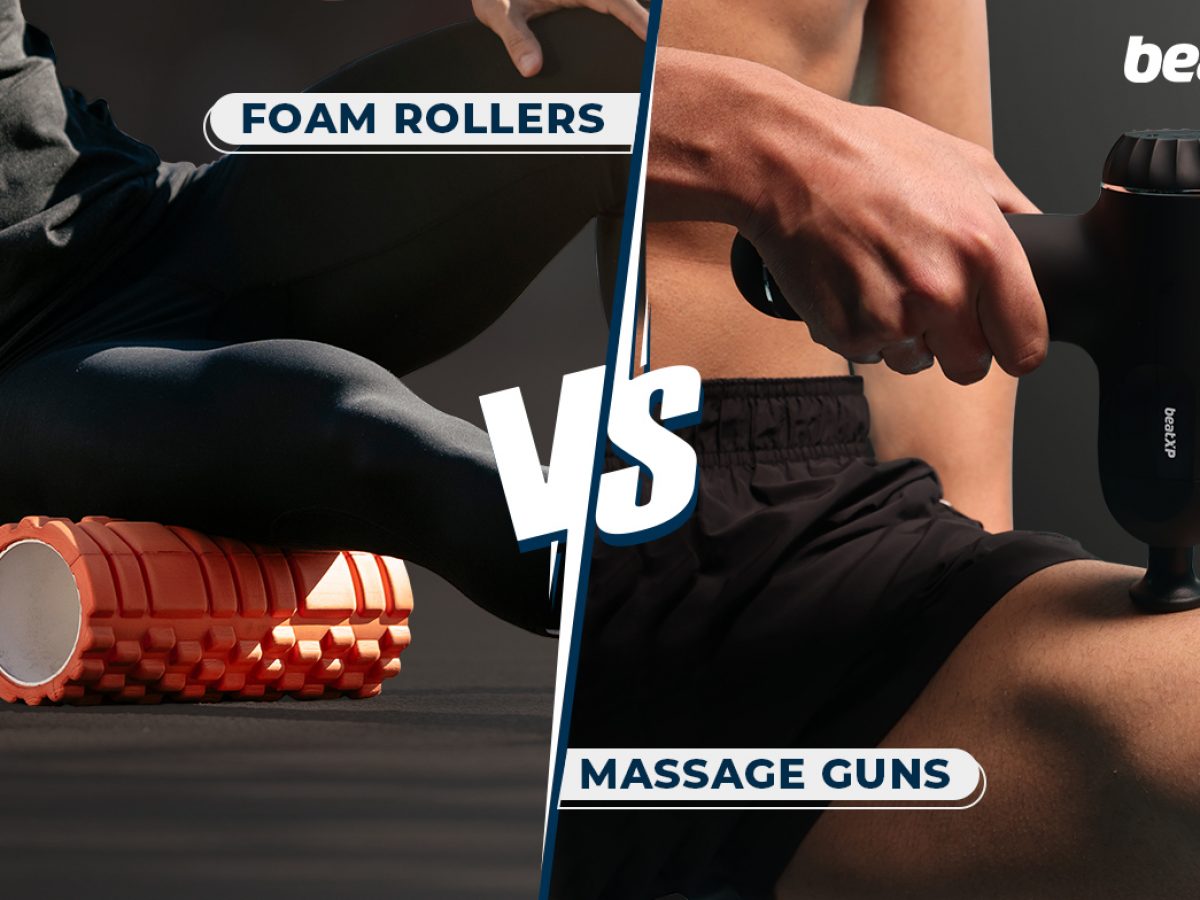
Both tools target myofascial release, but their mechanisms differ significantly. Understanding these distinctions ensures you choose the right tool for your specific needs—and avoids wasting time on ineffective methods.
Targeted Precision vs. Broad Pressure Application
Massage guns deliver focused, high-frequency pulses (12-60Hz) that penetrate 60% deeper than foam rollers, making them ideal for stubborn knots in hard-to-reach areas like the IT band or upper back. Foam rollers rely on bodyweight pressure, which often can’t isolate deep trigger points. However, how effective are massage guns for large muscle groups? For quads or lats, foam rolling covers more surface area faster—making it superior for general warm-ups.
When to Choose Percussion Therapy Over Stretching
Static stretching improves long-term flexibility but reduces muscle power temporarily—making it risky pre-workout. Massage guns provide immediate tension relief without compromising strength. Use percussion therapy:
– 10 minutes before lifting to “wake up” muscles
– Immediately after intense sessions to reduce DOMS (Delayed Onset Muscle Soreness)
– For acute stiffness from prolonged sitting (e.g., desk jobs)
Avoid replacing dynamic stretching entirely—combine both for optimal results.
Who Actually Benefits Most From Massage Gun Therapy?
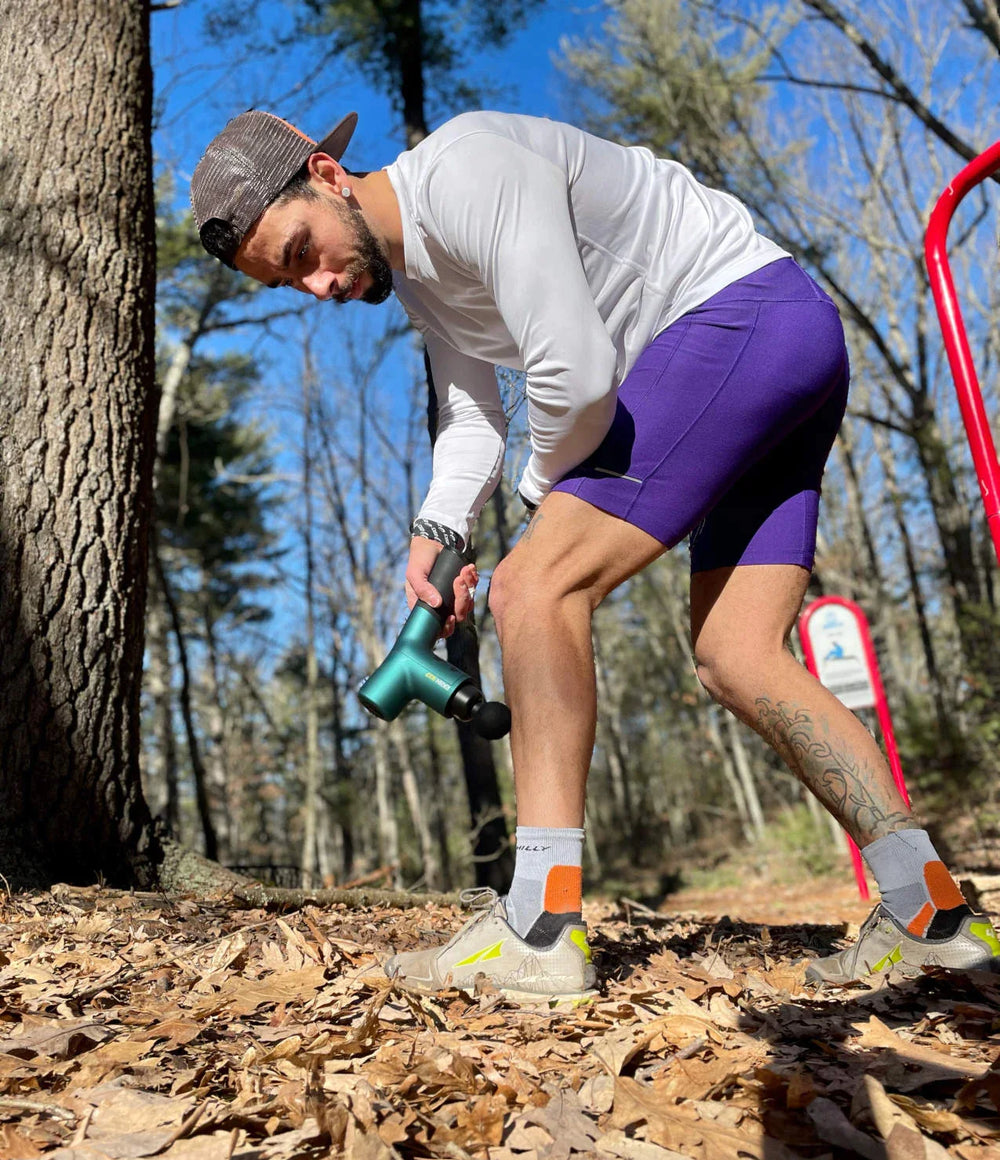
Not all users experience equal results. Your anatomy, activity level, and goals determine whether this tool delivers value or becomes an expensive paperweight.
Athletes and Active Individuals: Maximizing Recovery Windows
Endurance athletes see the clearest benefits. A 2023 study showed marathoners using massage guns within 30 minutes of finishing reduced next-day soreness by 35% versus passive recovery. Key protocol: Focus on calves and quads for 45 seconds each at high speed, followed by 10 minutes of light walking to circulate flushed metabolites. How effective are massage guns for power sports? Weightlifters benefit less for pure strength recovery but gain mobility advantages for complex lifts like squats.
Office Workers: Relieving Desk Job Muscle Stiffness
For those sitting 8+ hours daily, targeted percussion therapy on the thoracic spine and hip flexors combats “tech neck” and anterior pelvic tilt. Use a soft ball attachment:
– Thoracic spine: 30 seconds per side while seated upright
– Hip flexors: 45 seconds while kneeling (avoid direct pressure on hip bones)
– Frequency: Twice daily for chronic tension, once daily for maintenance
Warning: Never use on the neck or lower back without professional guidance—spinal nerves are highly vulnerable.
Critical Safety Tips: When to Avoid Massage Guns and Consult a Doctor
Percussion therapy isn’t universally safe. Ignoring contraindications risks serious injury, especially for high-risk populations.
Who Should Never Use Massage Guns Without Medical Clearance
- Blood clotting disorders or DVT history: Increased circulation could dislodge clots
- Osteoporosis patients: Bone density loss makes fractures likely under vibration
- Pregnant women (first trimester): Abdominal/pelvic vibration risks miscarriage
- Open wounds or recent surgery sites: Delays healing and increases infection risk
If you have diabetes, neuropathy, or cancer, consult your physician first—nerve damage or tumor sites can be aggravated.
Emergency Stop Signs During Use
Stop immediately and seek medical advice if you experience:
– Numbness or tingling radiating from the treatment area
– Bruising that lasts over 72 hours
– Increased pain 24 hours post-use (indicates tissue damage)
– Swelling or red streaks (signs of inflammation)
Conclusion: The Realistic Verdict on Massage Gun Effectiveness
How effective are massage guns? They deliver measurable short-term benefits for muscle soreness, blood flow, and range of motion when used correctly—but they’re not cure-alls. For athletes, they accelerate post-workout recovery by 20-35% if applied within the critical 30-minute window. Office workers gain significant relief from desk-induced tension with consistent twice-daily use. However, they won’t fix structural issues, replace medical treatment for injuries, or provide lasting flexibility gains without complementary stretching.
Maximize results by:
1. Using attachments correctly (broad heads for warm-ups, focused tips for knots)
2. Respecting time limits (max 60 seconds per muscle group)
3. Hydrating aggressively before and after sessions
4. Combining with stretching for permanent mobility improvements
For most active adults, a massage gun is a worthwhile $100-$200 investment—but skip it if you expect miracle cures. Pair it with foam rolling for large muscle groups and professional massage for chronic issues. Start with 30-second sessions at low speed, track your soreness levels, and adjust based on real results. When integrated thoughtfully into your recovery ecosystem, percussion therapy becomes a potent tool—but only if you harness its power wisely.