You’ve just purchased a clarifying shampoo and now you’re standing in your shower, bottle in hand, wondering exactly how long to leave this powerful formula in your hair. This common dilemma leaves many people either rinsing too quickly and wasting the product’s potential or leaving it on too long and risking dryness and damage. Clarifying shampoos work differently than your regular shampoo—they’re designed to strip away stubborn buildup from styling products, hard water minerals, and excess oils that standard cleansers can’t remove. Getting the timing wrong means you might not get the fresh, clean feeling you’re looking for, or worse, you could end up with hair that feels straw-like and damaged. In this guide, you’ll discover exactly how long to leave clarifying shampoo in your hair for optimal results based on your specific hair type and concerns.
Unlike regular shampoo that you lather and rinse immediately, clarifying formulas require precise timing to work effectively without causing harm. Most people make the critical mistake of treating clarifying shampoo like their everyday cleanser, not realizing this specialized product needs different handling. The right duration depends on several factors including your hair type, the specific product you’re using, and what kind of buildup you’re trying to remove. Whether you’re dealing with hard water residue, silicone buildup from styling products, or just want that squeaky-clean feeling, understanding the proper timing transforms your clarifying experience from potentially damaging to perfectly effective. Let’s break down exactly how long you should leave clarifying shampoo in your hair to achieve salon-fresh results without compromising your hair’s health.
Clarifying Shampoo Timing Based on Hair Type

How Long for Fine or Thin Hair
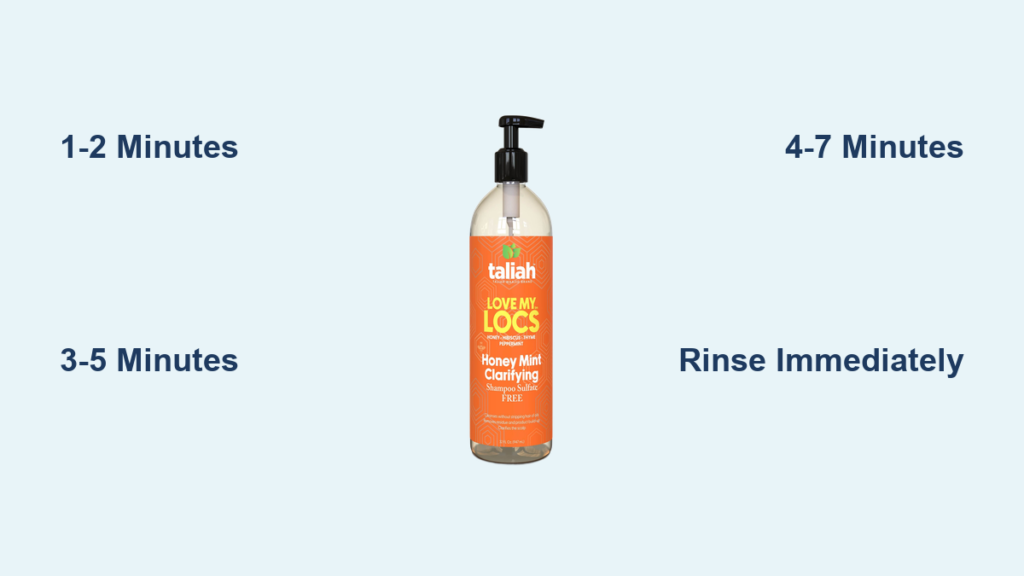
Fine or thin hair requires special timing considerations with clarifying shampoo since these delicate strands are more vulnerable to drying out. For fine hair types, limit clarifying shampoo contact time to just 1-2 minutes before thoroughly rinsing. Any longer risks stripping essential natural oils that fine hair needs to maintain volume and body. When applying, focus the product primarily on your scalp and roots where buildup accumulates, avoiding excessive application on the lengths of your hair. Create a rich lather by adding water and gently massaging your scalp for about 30 seconds, then let the shampoo sit while you wash your face or body—this gives it enough time to work without over-processing. Watch for visual cues: if your hair starts making a “squeaky” sound when you rub strands between your fingers, that’s your signal to rinse immediately.
Timing Guidelines for Thick or Coarse Hair
Thick and coarse hair can handle longer contact times with clarifying shampoo due to its naturally more robust structure. For these hair types, leave the clarifying formula in for 3-5 minutes to effectively break down stubborn buildup that often accumulates in denser strands. Apply the product section by section, ensuring thorough coverage from roots to ends since coarse hair tends to accumulate more product residue along the lengths. While the shampoo processes, use your fingers to gently separate sections of hair, allowing the formula to penetrate deeper into the hair shaft. Check for proper lather distribution—if you see areas where the shampoo has settled or looks less sudsy, add a bit more water and work it through those sections. Thick hair often requires this extended time to fully remove silicones and heavy styling products that standard shampoos leave behind.
Product-Specific Clarifying Shampoo Timing Instructions
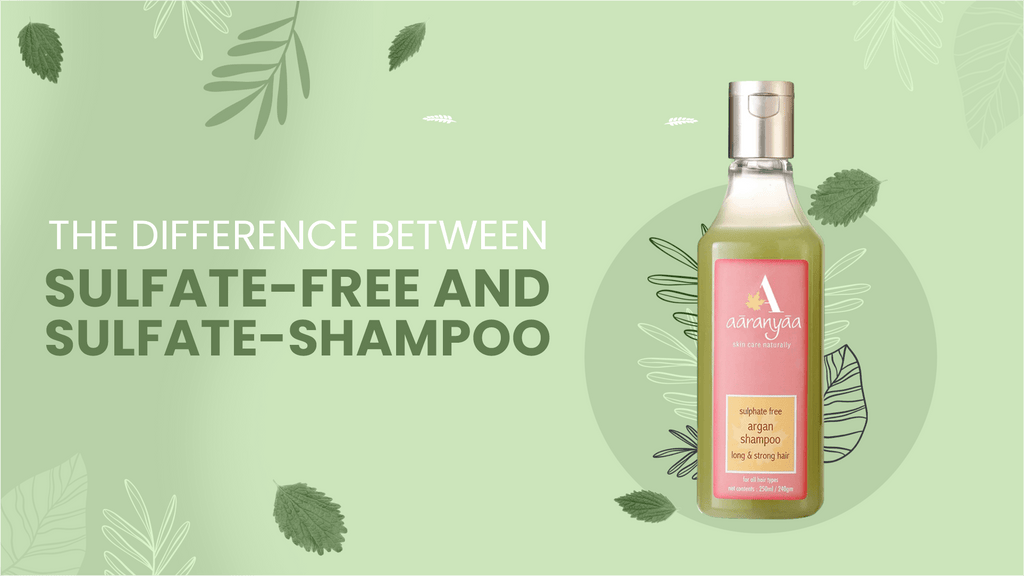
Sulfate-Based Clarifying Shampoos Timing
Sulfate-based clarifying shampoos deliver powerful cleansing but require careful timing to prevent damage. These formulas typically need only 1-3 minutes of contact time to effectively remove buildup without excessive stripping. When using sulfate-based clarifiers, apply to wet hair and create a generous lather before setting your timer. The sulfates work quickly to break down oils and residues, so exceeding the recommended time—even by a minute or two—can lead to significant moisture loss. Pay attention to how your scalp feels during processing; if you notice tingling or tightness, rinse immediately regardless of timing. Always follow with a deeply moisturizing conditioner since these formulas can be particularly drying, especially if left on too long.
Sulfate-Free Clarifying Formulas Duration
Sulfate-free clarifying shampoos generally require longer contact time than their sulfate-based counterparts because they work through gentler cleansing agents. For optimal results with sulfate-free formulas, leave the product in your hair for 4-7 minutes to allow the alternative cleansing agents sufficient time to dissolve buildup. These milder formulas often contain chelating agents that bind to minerals from hard water, which needs extra time to work effectively. While the shampoo processes, use the opportunity to apply gentle pressure to your scalp to stimulate circulation and help the formula penetrate follicles. Check your hair midway through—sulfate-free clarifiers may not produce as much lather as traditional formulas, but you should notice reduced slip as it breaks down residues. If your hair still feels coated after the full processing time, you may need a second application rather than extending the first.
Troubleshooting Common Clarifying Shampoo Timing Mistakes
When You’ve Left Clarifying Shampoo On Too Long
If you accidentally leave clarifying shampoo in your hair beyond the recommended time, immediate action can minimize damage. First, rinse thoroughly with cool water to stop the cleansing process—warm water would continue to open the hair cuticle and allow more stripping. Follow with a silicone-free, protein-rich conditioner applied from mid-lengths to ends, leaving it on for at least 5 minutes while you gently detangle. For severe over-processing, create a DIY hair mask using one tablespoon of honey mixed with your regular conditioner, applying it to damp hair and covering with a shower cap for 15-20 minutes before rinsing. Never attempt to “fix” over-clarified hair by applying more clarifying shampoo—the damage is done and additional cleansing will only worsen the situation.
What to Do When Clarifying Doesn’t Seem to Work
If your clarifying shampoo doesn’t seem effective despite following timing guidelines, several factors could be at play. First, check whether you’re applying enough product—many people underestimate the quantity needed for proper clarification. For shoulder-length hair, use at least a quarter-sized amount and increase for longer or thicker hair. Second, ensure you’re applying to thoroughly wet hair; clarifying shampoos work best when hair is saturated but not dripping. Third, consider if you need to double cleanse—apply, rinse, then repeat the process for stubborn buildup. If you’ve confirmed proper application and timing but still see no results, your water quality might be the issue. Hard water can prevent proper lathering and reduce effectiveness, so consider installing a shower filter if you live in a hard water area.
Seasonal and Frequency Considerations for Clarifying

Adjusting Timing for Summer vs. Winter Use
Seasonal changes significantly impact how long you should leave clarifying shampoo in your hair. During summer months when sweat, chlorine, and saltwater buildup are common, you can safely leave clarifying shampoo in for the full recommended time (typically 3-5 minutes depending on hair type) since your hair accumulates more residue that requires thorough removal. In winter, when indoor heating dries out hair and natural oils are already depleted, reduce processing time by 30-60 seconds to prevent excessive dryness. Pay attention to how your hair feels after washing—during colder months, if your strands feel unusually stiff or rough after clarifying, shorten your next session by 30 seconds. The visual cue to watch for is hair that looks dull or feels “crunchy” rather than clean and smooth.
How Often to Clarify Based on Processing Time
The duration you leave clarifying shampoo in directly affects how frequently you can safely use it. When using the proper timing for your hair type (1-5 minutes depending on thickness), most people can clarify safely once every 1-2 weeks. If you consistently leave clarifying shampoo on longer than recommended, you’ll need to space out treatments to once every 3-4 weeks to allow your hair to recover. Fine-haired individuals who keep processing time to 1-2 minutes might clarify weekly without damage, while those with coarse hair who use the full 5 minutes should limit treatments to every 10-14 days. The key indicator that you’re clarifying too frequently is hair that feels dry immediately after washing, even with conditioner—this means you’re stripping too much and need to either reduce frequency or shorten processing time.
Final Note: Proper clarifying shampoo timing transforms your hair from dull and weighed down to refreshingly clean without damage. Remember that 1-5 minutes is the safe window depending on your hair type and product formula—always check your specific product instructions first. After clarifying, follow with a moisturizing conditioner and avoid heat styling for 24 hours to let your hair recover. For best results, incorporate clarifying into your routine based on your hair’s needs rather than a rigid schedule, adjusting timing seasonally as your hair’s exposure to environmental factors changes. Your hair will reward you with improved texture, better product absorption, and that satisfying clean feeling that regular shampoo just can’t deliver.