If you’re scrubbing at a flaky, burning scalp wondering when ketoconazole shampoo will finally kick in, you’re not alone. That persistent itch and embarrassment can make you desperate for answers about treatment timelines. The truth is, you might see your first relief within days—but achieving real, lasting results requires precise timing and application. Most users experience significant improvement only after 2-4 weeks of correct usage, though hair loss applications demand 3-6 months of consistency. Let’s cut through the confusion with a precise roadmap for what to expect at every stage.
Ketoconazole shampoo isn’t a quick fix—it’s a targeted antifungal treatment that disrupts the root cause of scalp issues. Whether you’re battling dandruff, seborrheic dermatitis, or using it off-label for hair thinning, your results hinge entirely on understanding the biological process and timing. This guide details exactly when to expect changes based on clinical patterns and user reports, plus the critical mistakes that sabotage results. You’ll learn why leaving the lather on for just 5 minutes makes the difference between failure and success.
Why Ketoconazole Shampoo Fails Without Proper Application
The #1 reason ketoconazole shampoo appears “ineffective” is improper use—not product failure. This medication requires direct scalp contact time to penetrate skin layers and inhibit Malassezia yeast growth. If you rinse it off too quickly, you’re essentially washing your money down the drain. Dermatologists consistently identify rushed rinsing as the critical error derailing treatment.
The Non-Negotiable 5-Minute Rule
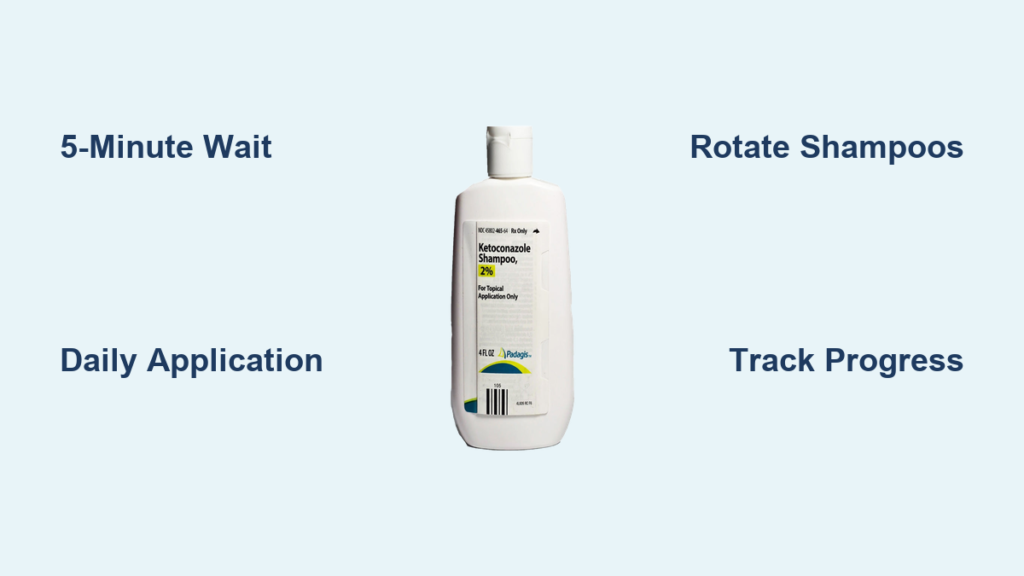
You must leave ketoconazole shampoo lathered on your scalp for a full 5 minutes before rinsing. This isn’t a suggestion—it’s the minimum time needed for the antifungal to bind to scalp proteins and begin working. One verified user reported zero results after a month of use until they discovered this requirement: “I started timing 5 minutes, and my flakes cleared within a week.” Set a phone timer if needed—this single step transforms outcomes.
Step-by-Step Application for Maximum Absorption
- Wet thoroughly: Use lukewarm water to open scalp pores
- Apply directly to scalp: Massage small amounts (quarter-sized) only where symptoms appear
- Lather and wait: Work into rich foam, then set timer for 5+ minutes—do not rinse early
- Rinse completely: Ensure no residue remains to avoid irritation
- Frequency matters: Use 2-3 times weekly during active treatment (not daily)
Skipping even one step—like applying to hair instead of scalp—dilutes effectiveness. The active ingredient needs direct skin contact, not hair strands, to combat fungal overgrowth.
Ketoconazole Shampoo Results: Week-by-Week Breakdown
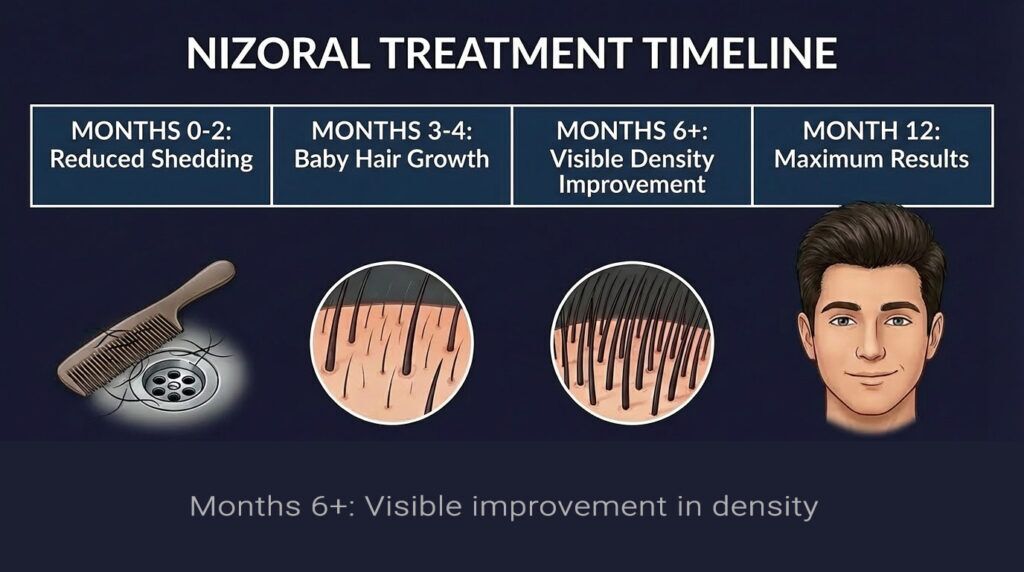
Your timeline varies based on condition severity and consistency, but these milestones reflect real-world patterns when following protocols correctly. Track these specific changes to gauge progress.
Days 3-7: First Signs of Itch and Redness Reduction
Within your first week, expect noticeable relief from burning sensations and raw redness. This occurs because ketoconazole’s anti-inflammatory properties work faster than its antifungal action. You’ll feel less compulsion to scratch, though visible flakes may persist. One user documented: “The fiery scalp feeling stopped by day 5—that’s when I knew it was working.”
Week 2: Visible Flake Reduction Begins
By the 14-day mark, greasy yellow scales transform into smaller, dry flakes as Malassezia yeast populations decrease. The scalp’s oiliness lessens, and you’ll see fewer flakes accumulating on shoulders. This stage confirms the treatment is taking hold—but stopping now guarantees relapse. Continue through week 4 for stable results.
Weeks 3-4: Significant Clearing for Dandruff and Dermatitis
This is the make-or-break window where consistent users see dramatic improvement. Scaling reduces by 70-80%, redness fades substantially, and the scalp feels calmer. For seborrheic dermatitis, inflamed patches shrink noticeably. Dermatologists consider this the minimum duration for meaningful clearance—abandoning treatment now risks resurgence.
Month 2-6: Hair Loss Results Emerge
When using ketoconazole shampoo for androgenetic alopecia (pattern hair loss), do not expect visible changes before 8 weeks. Benefits manifest as reduced shedding during washing and stronger “root grip” when pulling hair. Significant density improvements take 3-6 months of bi-weekly use, as ketoconazole lowers scalp DHT and inflammation to support follicle health.
Why Your Ketoconazole Shampoo Isn’t Working (And How to Fix It)

If you’re past week 4 with no improvement, these three issues are almost certainly sabotaging your results—along with proven fixes.
You’re Using the Wrong Strength for Your Condition
Over-the-counter 1% ketoconazole (like Nizoral A-D) fails severe cases where prescription 2% strength is needed. If flakes persist after 4 weeks of correct use, request a 2% prescription from your dermatologist. The stronger concentration delivers deeper penetration for stubborn fungal colonies.
Fungal Adaptation Is Undermining Treatment
Malassezia yeast develops resistance when exposed to the same antifungal long-term. Rotate ketoconazole with alternative medicated shampoos every 3 months:
– Zinc pyrithione (Head & Shoulders Clinical Strength)
– Selenium sulfide (Selsun Blue)
– Ciclopirox (Loprox Shampoo)
– Coal tar (Neutrogena T/Gel)
One user reported breakthrough results after rotating: “Switching between ketoconazole and ciclopirox cleared scales in stubborn areas that never improved before.”
You’re Missing Critical Adjunct Treatments
Ketoconazole alone often fails complex cases. Pair it strategically based on your condition:
– For hair loss: Apply minoxidil 30+ minutes after ketoconazole rinses to maximize DHT-blocking synergy
– For severe dermatitis: Use hydrocortisone foam (0.25%) on inflamed patches 2x daily
– For systemic fungal issues: Ask your doctor about short-course oral fluconazole (Diflucan)
Proven Methods to Accelerate Ketoconazole Results
Don’t just wait—actively boost effectiveness with these dermatologist-backed tactics.
The Dual-Shampoo Rotation Protocol
Alternate ketoconazole with another antifungal shampoo on non-consecutive days (e.g., Monday: ketoconazole, Wednesday: zinc pyrithione). This prevents yeast adaptation while covering multiple biological pathways. Never use two medicated shampoos on the same day—they can neutralize each other.
Pre-Treatment Scalp Priming
Before applying ketoconazole, massage diluted apple cider vinegar (1:3 with water) into your scalp for 2 minutes. This slightly acidic environment enhances ketoconazole absorption by disrupting yeast biofilms. Rinse lightly before shampoo application—do not skip the 5-minute wait.
Hair Product Interference Check
Sulfates, silicones, and heavy oils in styling products create barriers that block ketoconazole penetration. Switch to ketoconazole-friendly products during treatment:
– Avoid: Dimethicone, amodimethicone, sodium lauryl sulfate
– Use: Water-based gels, sulfate-free cleansers between treatments
How to Track Real Progress (Not False Hope)
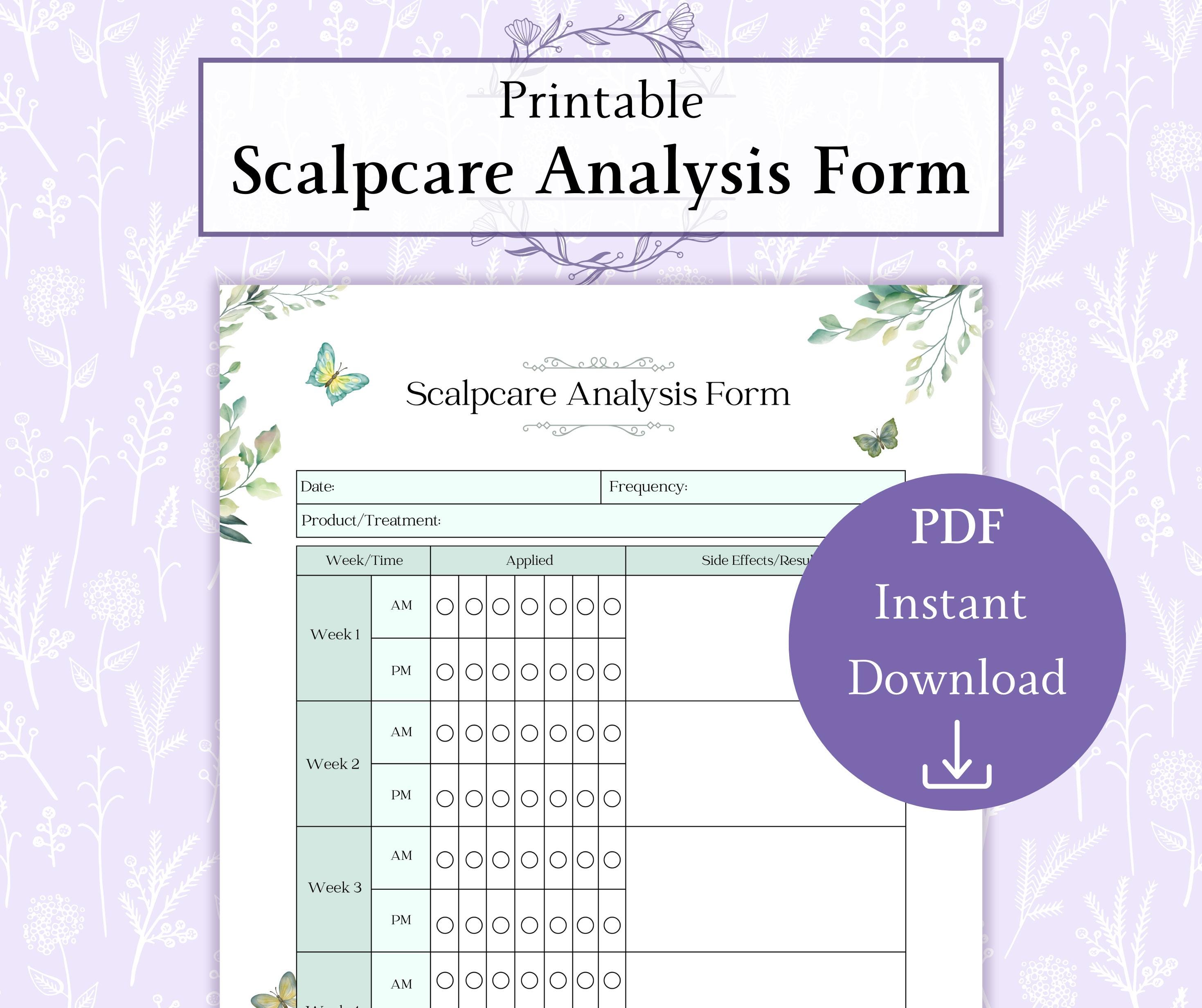
Distinguish actual improvement from temporary relief with these objective markers:
- Itch intensity scale: Rate daily itching 1-10—consistent drops indicate progress
- Flake photography: Take weekly scalp photos under consistent lighting to compare scale reduction
- Shedding count: Collect and count hair strands after washing—declining numbers signal hair loss improvement
- Scalp tenderness test: Gently pinch sections—reduced pain means inflammation is lowering
Pro Tip: Never stop treatment at first improvement. Complete the full 4-6 week course for dandruff or 6-month cycle for hair loss to prevent rebound flare-ups. If zero changes occur after 4 weeks of perfect 5-minute applications, see a dermatologist—they can prescribe 2% ketoconazole or rule out psoriasis/eczema mimicking dandruff. Remember: ketoconazole isn’t instant, but when applied correctly, it delivers reliable results within predictable timelines. Your consistency is the ultimate success factor—stick with the protocol, and your scalp will thank you.