Ever struggled to lift your water cooler bottle only to wonder exactly how much weight you’re handling? You’re not alone. Millions of offices and homes rely on standard water cooler jugs, yet few know the precise weight they’re lifting when changing a bottle. Understanding how much a water cooler jug weighs is critical for safe handling, proper delivery planning, and preventing back injuries. This guide breaks down the exact weights of full and empty jugs, explains the science behind water weight calculations, and provides essential handling techniques for both 5-gallon and 3-gallon containers. Whether you’re ordering water delivery, setting up a new cooler, or simply trying to avoid injury during bottle changes, you’ll discover everything you need to know about water jug weights.
Why Your 5-Gallon Water Jug Weighs Exactly 42 Pounds When Full
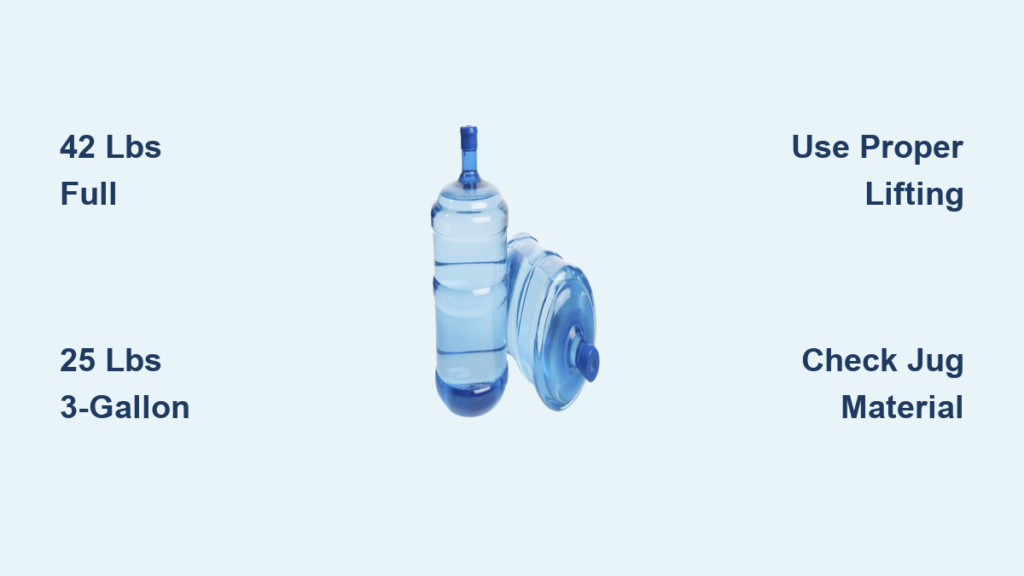
A standard 5-gallon water cooler jug weighs approximately 42 pounds (19.05 kg) when completely full. This weight breaks down into two main components: the water itself and the container. The water contributes nearly all of this weight at about 41.7 pounds, while the empty polycarbonate jug adds just 0.3-0.5 pounds. Many people mistakenly believe the entire weight comes from the plastic container, but in reality, water accounts for over 99% of the total weight. This explains why lifting a full jug feels significantly heavier than an empty one, even though the container itself is relatively lightweight.
How Water Density Determines Your Jug’s Total Weight
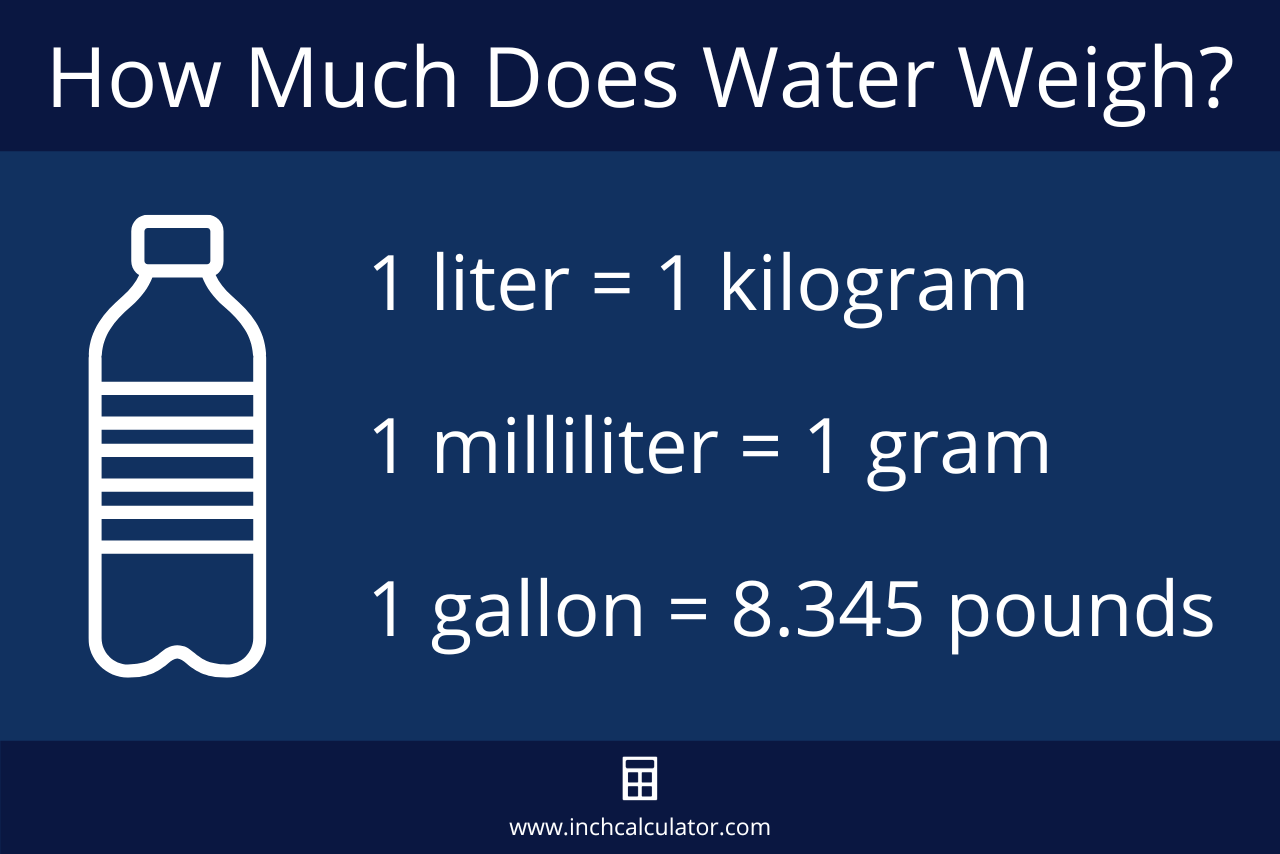
The precise weight of your water cooler bottle depends on water density, which changes slightly with temperature. At the standard measurement temperature of 39.2°F (4°C), one US gallon of water weighs 8.345 pounds. Therefore, five gallons weigh exactly 41.725 pounds. However, since most water is stored at room temperature, the slightly less dense water weighs approximately 8.33 pounds per gallon, bringing the total water weight to 41.65 pounds.
What This Means for Your Daily Handling:
– Cold water from your delivery will weigh slightly more than room-temperature water
– Seasonal temperature changes cause minimal weight variations (less than 0.1 lb)
– The difference between purified, spring, and mineral water weights is negligible for handling purposes
Common Weight Misconceptions That Lead to Injuries
Many people hurt themselves changing water jugs because they underestimate the weight or miscalculate the physics involved. The most dangerous misconception is believing that “it’s just 5 gallons” without realizing those 5 gallons translate to 40+ pounds of force. Another common error is assuming all jugs weigh the same regardless of fill level—remember that even a “mostly full” jug at 4 gallons still weighs over 33 pounds. When your water cooler jug weight exceeds safe lifting limits (typically 35-50 pounds depending on individual capability), using proper technique becomes essential to prevent back strain.
Essential Safety Steps Before Lifting Your Water Jug
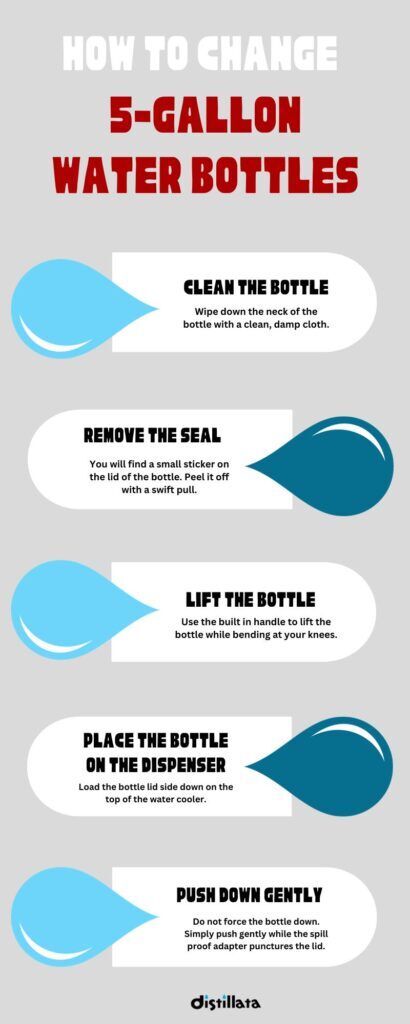
Lifting a full 5-gallon water bottle requires proper preparation to avoid injury. Before attempting to move your water cooler jug, follow these critical safety measures that address the substantial 42-pound weight.
Proper Footing and Clear Workspace Setup
Position yourself with feet shoulder-width apart on a non-slip surface before lifting. Ensure at least 3 feet of clearance around the jug for safe maneuvering. Remove any obstacles from your path to the water cooler, as stumbling while carrying a 42-pound water jug could cause serious injury. If your delivery sits on a dolly, lock the wheels before attempting to lift. For frequent jug changers, consider installing a water bottle lift system that eliminates manual lifting of the heavy 5-gallon container.
When to Call for Help With Your Water Jug
Don’t attempt to lift a full water cooler jug if you have pre-existing back conditions or if the weight exceeds 35 pounds—a safe lifting threshold for many adults. The 42-pound total weight of a standard 5-gallon jug surpasses recommended safe lifting limits for repetitive tasks. If you regularly handle multiple jugs during delivery or office setup, always use a dolly for transport. For home users living alone, consider switching to 3-gallon jugs that weigh only 25 pounds when full—significantly easier to manage safely.
How to Calculate Any Water Jug’s Exact Weight
You can determine the precise weight of any water container using a simple formula that accounts for both water volume and container material. This calculation proves invaluable when comparing different jug sizes or planning deliveries.
The Water Weight Formula You Need to Know
Multiply the number of gallons by 8.34 to calculate water weight: Weight (lbs) = Gallons × 8.34. For a 5-gallon water cooler jug, this equals 41.7 pounds of water. Add approximately 0.4 pounds for the empty jug to reach the total 42.1-pound weight. This same formula works for any size:
- 1-gallon jug: 8.34 lbs water + 0.1 lbs jug = 8.44 lbs total
- 2.5-gallon jug: 20.85 lbs water + 0.2 lbs jug = 21.05 lbs total
- 3-gallon jug: 25.02 lbs water + 0.2 lbs jug = 25.22 lbs total
Pro Tip: For metric users, remember that 1 liter of water weighs exactly 1 kilogram, making 18.93 liters (5 US gallons) weigh 18.93 kg.
Why Container Material Matters for Empty Jug Weight
While water weight remains constant, the empty jug’s weight varies by material. Standard polycarbonate (PC #7) 5-gallon jugs weigh 0.3-0.5 pounds empty, while PET plastic containers might be slightly lighter at 0.2-0.4 pounds. Glass carboys—rarely used for standard water coolers—can weigh 8-10 pounds empty, dramatically increasing total weight. Collapsible jugs made from flexible plastics weigh the least when empty (about 0.15 pounds) but aren’t suitable for traditional water coolers. Always verify your container type when calculating total weight for shipping or handling purposes.
3-Gallon vs. 5-Gallon Jugs: Weight Comparison and Practical Differences

The 3-gallon water cooler jug offers a significantly lighter alternative to the standard 5-gallon model, weighing only 25.2 pounds when full compared to 42 pounds. This 16.8-pound difference makes 3-gallon containers ideal for users with limited strength or mobility.
When a 3-Gallon Jug Is Your Best Option
Choose 3-gallon water jugs if you:
– Live alone or have limited household usage
– Experience back problems or mobility limitations
– Use a countertop water dispenser in tight spaces
– Prefer more frequent water changes for freshness
– Need lighter weight for easier handling (25 lbs vs. 42 lbs)
The 25-pound total weight of a full 3-gallon jug falls within recommended safe lifting limits for most adults, reducing injury risk during bottle changes. Many senior living facilities and small offices have switched to 3-gallon systems specifically because of the reduced weight burden.
Cost Implications of Choosing Lighter Water Jugs
While 3-gallon jugs offer weight advantages, they come with higher per-gallon costs. You’ll typically pay 30-40% more per gallon with 3-gallon containers compared to 5-gallon options. Additionally, you’ll change bottles 60% more frequently—a trade-off between convenience and cost. For households of one or two people, the 3-gallon option often makes economic sense due to reduced water waste, but larger families usually benefit from the lower per-gallon cost of 5-gallon jugs despite the heavier 42-pound weight.
Safe Lifting Techniques for 40+ Pound Water Jugs
Lifting a full 5-gallon water cooler jug requires proper biomechanics to prevent injury. The 42-pound weight exceeds safe lifting limits for many repetitive tasks, making technique crucial.
Step-by-Step Guide to Lifting Without Injury
- Position yourself close to the jug with feet shoulder-width apart—never reach forward
- Squat using your legs, keeping your back straight and chest up (not bending at the waist)
- Grip firmly with both hands on the jug’s neck or handles
- Lift smoothly by extending your legs while keeping the jug close to your body
- Carry with arms bent, holding the jug against your torso rather than at arm’s length
- Move feet to turn—never twist your spine while carrying the 42-pound load
Critical Warning: Never attempt to lift a full water jug with a rounded back—this places dangerous pressure on spinal discs and is the leading cause of water jug-related injuries.
Tools That Eliminate Heavy Lifting
Consider these solutions to avoid handling the full weight of your water cooler jug:
– Bottle lift systems that raise jugs automatically
– Wheeled carts with lifting mechanisms
– Under-counter dispensers that eliminate overhead lifting
– Home delivery services that install the jug for you
For offices with multiple coolers, investing in a commercial bottle lift pays for itself through reduced worker compensation claims and increased productivity from injury prevention.
How to Verify Your Water Jug’s Material and Safety
Not all water cooler containers weigh the same or meet safety standards. Knowing your jug’s material affects both weight calculations and health considerations.
Identifying Food-Grade Containers
Look for the recycling symbol on the bottom of your water cooler jug:
– #7 or “PC” indicates polycarbonate—the standard, safe material for reusable jugs
– #1 (PET) is common for single-use containers but not recommended for repeated use
– Avoid containers without recycling codes or with damaged surfaces
Food-grade polycarbonate jugs weigh 0.3-0.5 pounds empty and can be safely reused 40-50 times with proper cleaning. The slightly heavier weight compared to PET containers provides greater durability for repeated handling of the 42-pound full weight.
Final Note: Understanding exactly how much a water cooler jug weighs—42 pounds for 5-gallon and 25 pounds for 3-gallon models—empowers you to handle these containers safely. Always use proper lifting techniques with the heavy 42-pound 5-gallon jugs, consider switching to lighter 3-gallon options if you experience difficulty, and verify your container’s material for both safety and accurate weight calculations. By respecting the substantial weight of full water cooler jugs, you’ll prevent injuries and ensure smooth operation of your water dispensing system for years to come.