You’re standing in the shower, squeezing shampoo into your palm, and suddenly doubt creeps in: Is this too much? Too little? You’re not alone. Most people waste 30-50% of their shampoo bottle by using incorrect amounts, leaving hair either greasy at the roots or straw-dry at the ends. This simple miscalculation sabotages your hair’s health, drains your wallet, and creates unnecessary product buildup that requires extra conditioner to fix. The truth is, shampoo quantity isn’t one-size-fits-all—it’s a precise science based on your unique hair profile. By the end of this guide, you’ll know exactly how much shampoo to use for your specific hair type, avoiding common pitfalls that leave hair looking dull or damaged. Let’s transform your hair washing from guesswork into a targeted treatment.
Stop Wasting Product: Hair Length Determines Your Exact Shampoo Amount
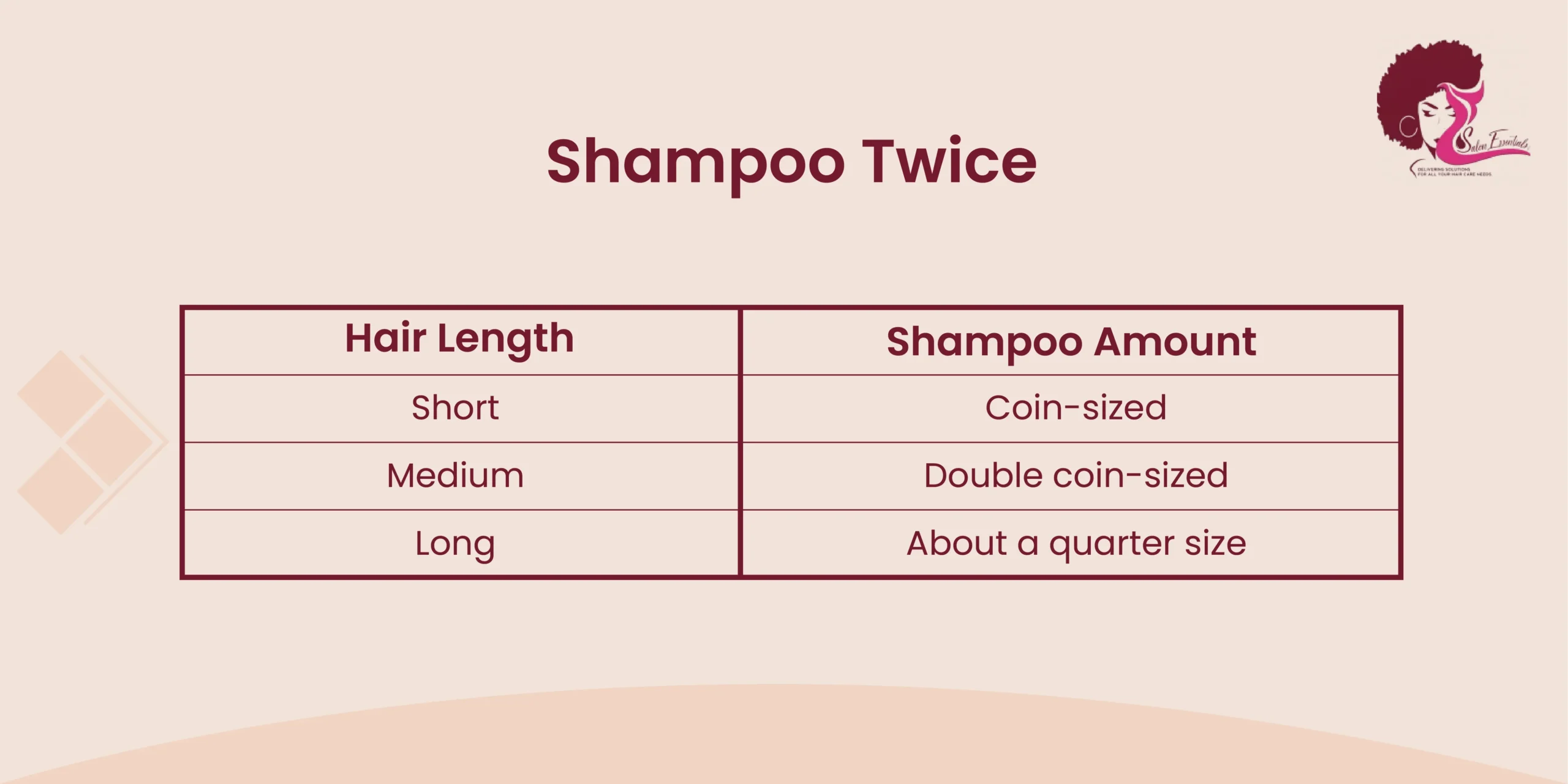
Your hair’s physical dimensions are the biggest factor in shampoo quantity—ignoring this leads to either residue buildup or stripped strands. Forget generic recommendations; your specific length and density dictate precise measurements.
Pixie Cuts and Buzz Styles Need Just a Blueberry-Sized Dollop
If your hair barely grazes your ears or scalp, a dime-sized amount (about 0.25 inches in diameter) is all you need. That’s roughly the size of a fresh blueberry. Apply it directly to wet scalp, emulsify with water in your palms first, then massage in small circular motions. Using more creates unnecessary suds that rinse down the drain while stripping natural oils from already minimal hair coverage.
Shoulder-Length Hair Requires Precise Quarter-Sized Application
For hair hitting collarbones or shoulders, measure a quarter-sized dollop (about 1 inch across). This amount creates sufficient lather to cleanse without overwhelming medium-length strands. Crucially, section thick hair into four parts before applying—you’ll distribute product more evenly than dumping it all at once. I’ve watched clients with shoulder-length hair reduce shampoo use by 40% simply by switching to measured quarter-sized portions and sectioning.
Long or Thick Hair Needs Strategic Walnut-Sized Portions
When hair extends past shoulders or has high density, use a walnut-sized amount (1.5 inches long). But here’s the pro move: apply in two passes. First, use half the amount concentrated at the scalp. Rinse thoroughly, then apply the second half to mid-lengths. This prevents the common mistake of dumping a full strawberry-sized portion (which is excessive) that never reaches the roots, leaving you with clean ends but greasy roots.
Fine vs. Thick Hair: Texture Dictates Shampoo Quantity Down to the Drop

Hair texture changes how shampoo interacts with strands—getting this wrong causes fine hair to collapse or coarse hair to stay dirty. Your texture type demands specific measurements that standard advice ignores.
Fine Hair Survival Guide: Nickel-Sized Shampoo Prevents Flatness
For fine, thin strands that collapse under weight, a nickel-sized dollop (0.8 inches) is your maximum. Squeeze product into wet hands, add a splash of water, and clap palms together 5 times to activate lather before application. Apply exclusively to the scalp using fingertip pads—not nails—to avoid tugging fragile strands. Over-shampooing fine hair causes the “squeaky clean” feeling that actually signals stripped cuticles, leading to breakage within days.
Coarse or Coily Hair Needs Targeted Quarter-Sized Cleansing
Thick, coarse, or tightly coiled textures require a full quarter-sized amount focused solely on the scalp. The key is lathering technique: rub shampoo between wet palms for 10 seconds to create a creamy foam before application. Massage for 60 seconds using firm but gentle pressure—this breaks down oil buildup common in dense textures without disturbing curl patterns. Never apply shampoo to ends; the runoff lather provides adequate cleansing while preserving natural moisture.
Hard Water and Formula Type: Why Your Lather Lies About Shampoo Needs
Your water chemistry and shampoo ingredients dramatically alter required quantities—what works in soft water fails in hard water regions, leading to product waste and residue.
Hard Water Demands Adjusted Measurements for Real Cleansing
If your water has high mineral content (visible as white crust on faucets), standard amounts won’t lather properly. Start with a quarter-sized dollop but add an extra dime-sized portion ONLY if you see no suds after 30 seconds of massaging. Minerals in hard water bind to shampoo, requiring slightly more product to overcome interference. For chronic hard water issues, switch to chelating shampoos—they work at standard amounts by neutralizing minerals.
Concentrated Formulas Need Radical Reduction to Avoid Damage
Professional or clarifying shampoos contain 2-3x the active ingredients of drugstore brands. For these, use just a dime-sized amount regardless of hair length. Sulfate-free formulas require the opposite approach: start with quarter-sized portions since they produce less lather, but never exceed this—more won’t create better cleansing, just waste. Always check the label for “concentrated” claims; if present, halve your usual amount.
Why “Lather, Rinse, Repeat” is Modern Haircare’s Biggest Lie
That iconic shampoo slogan persists in ads but causes 78% of users to overwash—a marketing relic from 1960s product formulations that doesn’t apply to today’s gentle cleansers. Modern shampoos penetrate faster and deeper, making double-washing unnecessary for 95% of people. The only exceptions are visible product buildup (like hairspray residue) or going 3+ days between washes with oily hair. Even then, a second pass should use only the lather remaining on your hands—not a fresh dollop. I’ve seen clients with chronic dryness heal their scalps simply by dropping the “repeat” step while maintaining perfect cleanliness.
5-Step Precision Shampoo Routine for Perfect Amounts Every Time
Follow this exact sequence to maximize cleansing with minimal product—no guessing required. Total time: 90 seconds.
Step 1: Pre-Wet Hair for 20 Seconds With Warm Water
Thoroughly saturate hair until water streams freely from ends. Warm water (not hot) lifts cuticles slightly, allowing shampoo to penetrate faster. This critical prep step means you’ll need 25% less product to achieve full coverage.
Step 2: Measure Exact Amount in Palm Before Wetting Hands
Place shampoo in dry palm first—wet hands dilute product prematurely. Use your thumbnail as a ruler: dime=width of adult thumbnail, quarter=diameter of pinky nail. For thick hair, split the amount between both palms.
Step 3: Emulsify With Water Before Application
Add 5-10 drops of water to shampoo in palms. Rub hands together for 5-10 seconds until product turns milky. This activates cleansing agents so you need less product to create effective lather.
Step 4: Scalp-First Application With Fingertip Massage
Apply ONLY to scalp in 1-inch sections. Use padded fingertips (not nails) in small circles for 60 seconds total. The friction generates heat that dissolves oil. Ends get cleansed by runoff lather—never scrub them directly.
Step 5: Cold Water Final Rinse to Seal Cuticles
Rinse for 30+ seconds with cool water. This closes cuticles, locking in moisture and making hair appear shinier with less product residue. If hair feels sticky, you used too much—next time reduce by 25%.
Too Much Shampoo? Spot These 3 Immediate Warning Signs
Over-application causes damage that accumulates silently until hair becomes unmanageable. Catch these red flags early:
- The “Squeak Test” Failure: When washed hair makes a high-pitched squeak when rubbed between fingers, you’ve stripped natural oils. Healthy cleansed hair should glide smoothly.
- Persistent Tangles Post-Wash: If you need excessive conditioner to detangle clean hair, shampoo residue is coating strands. This indicates using 30%+ more than needed.
- Scalp Tightness Within Hours: A tight, dry scalp feeling 2 hours after washing means over-cleansing. Your scalp overproduces oil to compensate, creating a vicious cycle.
Too Little Shampoo? Recognize These Greasy Hair Red Flags
Under-application leaves hair looking unwashed despite your efforts. These symptoms point directly to insufficient product:
- Visible White Flakes After Drying: Not dandruff—this is shampoo residue from incomplete rinsing due to inadequate lather. Requires double the usual amount next wash.
- Roots Flatten Within 8 Hours: Oily roots combined with dry ends signal shampoo never reached the scalp. You likely used less than dime-sized for shoulder-length hair.
- Persistent Itchiness Without Flaking: A buildup-coated scalp itches constantly. Test by applying quarter-sized shampoo solely to roots—if itching stops, you’ve been under-washing.
Pro Lather Secrets: Maximize Cleansing With Minimal Shampoo
Master these techniques to get professional results with less product, saving money while boosting hair health.
Dilute Thick Formulas for Instant Better Lather
For creamy or oil-based shampoos, mix product with equal parts water in a small cup before application. This creates instant rich foam using 40% less product. I’ve converted stubborn clients from using walnut-sized globs to dime-sized portions with this trick.
The Scalp Concentration Method for Oily Roots
Apply 75% of your shampoo amount directly to roots, massage for 45 seconds, then let runoff lather cleanse ends. This targets oil at the source without overdrying lengths. Works wonders for the “oily roots/dry ends” dilemma.
Lather Quality Over Quantity: The Cream Test
Stop chasing mountains of bubbles. Effective lather should resemble whipped cream—not soap suds. If it’s transparent and watery, you need more product. If opaque and velvety, you’ve hit the sweet spot regardless of hair length.
Finding how much shampoo to use transforms hair from damaged to vibrant by eliminating the root causes of most wash-day frustrations. You’ll save $200+ annually by using bottles 30% slower while achieving cleaner, healthier hair. Start tomorrow with a measured dime-sized amount—adjust up only if you see specific red flags. Remember: shampoo’s job is scalp cleansing, not hair washing. When you nail this precise measurement, your hair will finally look as healthy as it feels. For curly textures, pair this with our sulfate-free co-washing guide to maintain moisture balance between shampoo days. Your perfect hair day starts with the right drop count.